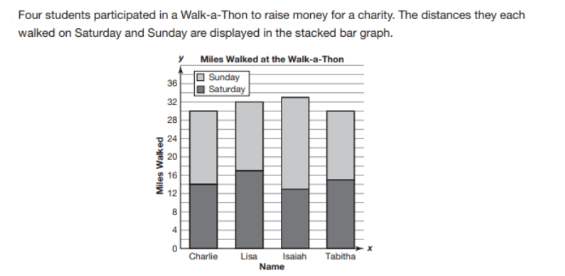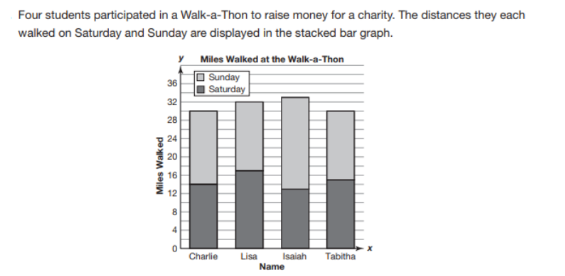
Who walked the most miles on Saturday?
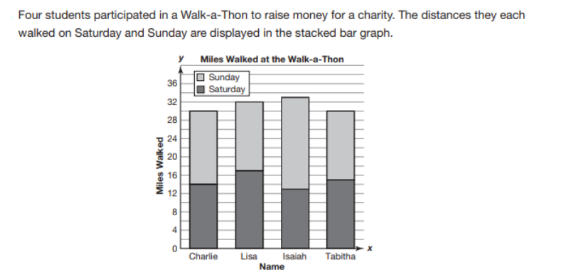
Who walked the most miles on Saturday?
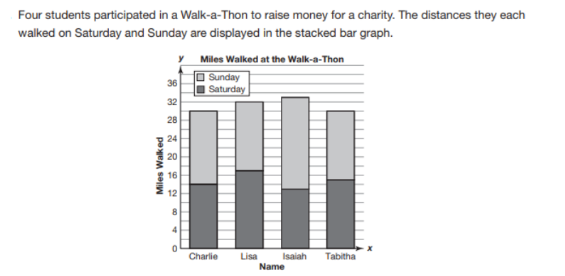
Who walked the most miles on Saturday?
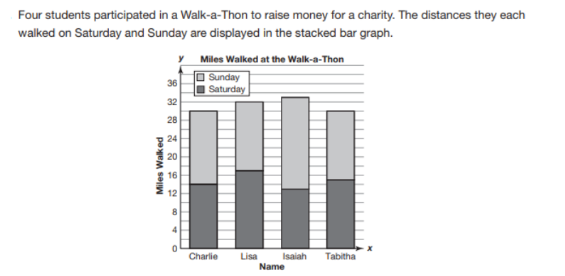
How many miles did Lisa walk on Saturday?
Who walked the most miles during the Walkathon?
How many miles total miles did Isaih walk?
How many total miles did they all walk together in the walkathon?
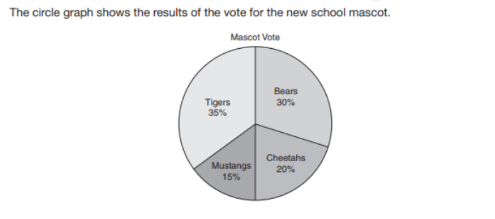
If there are 400 students how many students voted for cheetahs or mustangs?
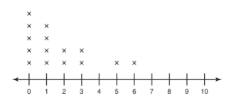
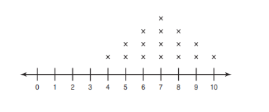
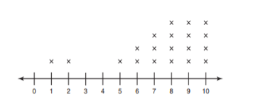
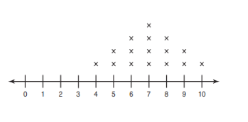
Identify the distribution of the data as symmetrical, skewed left, or skewed right.
Identify the distribution of the data as symmetrical, skewed left, or skewed right.
Identify the distribution of the data as symmetrical, skewed left, or skewed right.
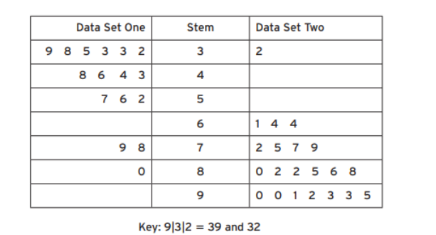
What is the median of data set 1?
What is the median of data set 2?
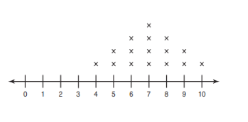
What is the range of this data set?
Draw a line plot to display the following data.
18, 2, 10, 5, 22, 9, 15, 10, 3
Determine whether the data collected in each survey represent a census or a sample.
Ms. Carey concludes that 85% of the students in the school have at least one pet after she conducts a survey of the students in her class.
Determine whether the data collected in each survey represent a census or a sample.
Paul reports that one out of every five boys on the boys’ varsity basketball team can dunk a basketball after he conducts a survey of the boys on the varsity basketball team.
Determine whether the data collected in each survey represent a census or a sample.
After examining eight cartons of eggs at a local supermarket, Sheila concludes that one out of every 12 eggs packaged in the U.S. is cracked.
Determine whether the data collected in each survey represent a census or a sample.
Jorge surveys each of the teachers in his school. He concludes that 64% of the teachers in his school enjoy reading as a hobby.
What is the range of the data set?
18, 2, 10, 5, 22, 9, 15, 10, 3
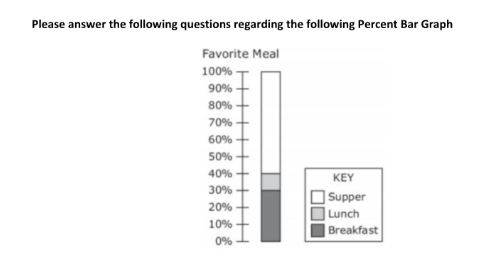
If there are 700 students how many students chose breakfast?
If there are 700 students how many students chose lunch?
If there are 700 students how many students chose super?
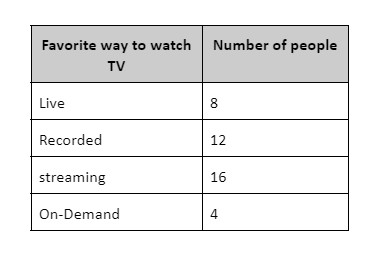
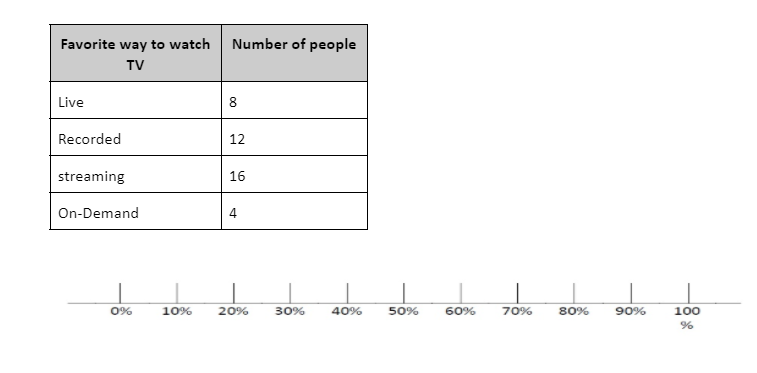
What percent of students chose live TV?
What percent of students chose recorded TV?
What percent of students chose streaming TV?
What percent of students chose On-Demand TV?
Make a percent bar graph.
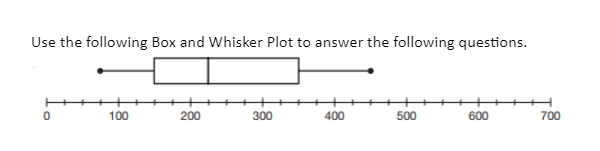
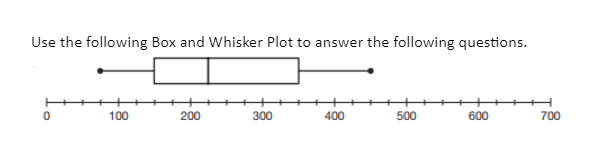
What percent of the data is less than 350?
What is the median?
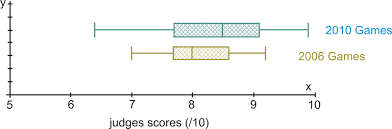
Which games has a greater median?
Which games has more spread out scores?
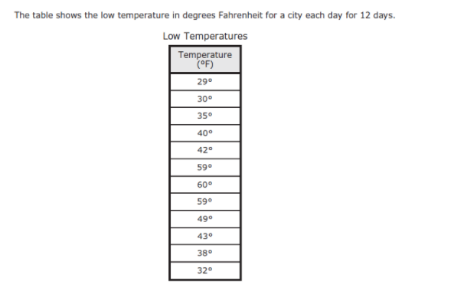
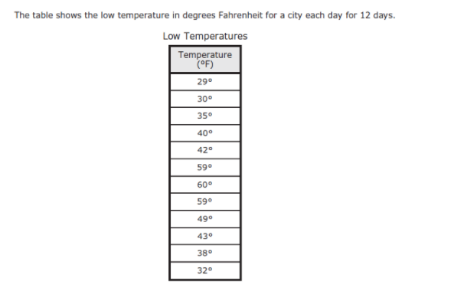
Whta is the median temperature?
What is the mean tempeature?
What is the IQR of this data set?
18, 2, 10, 5, 22, 9, 15, 10, 3
What is the mean of the data?