D. SOCIAL DIFFERENCES
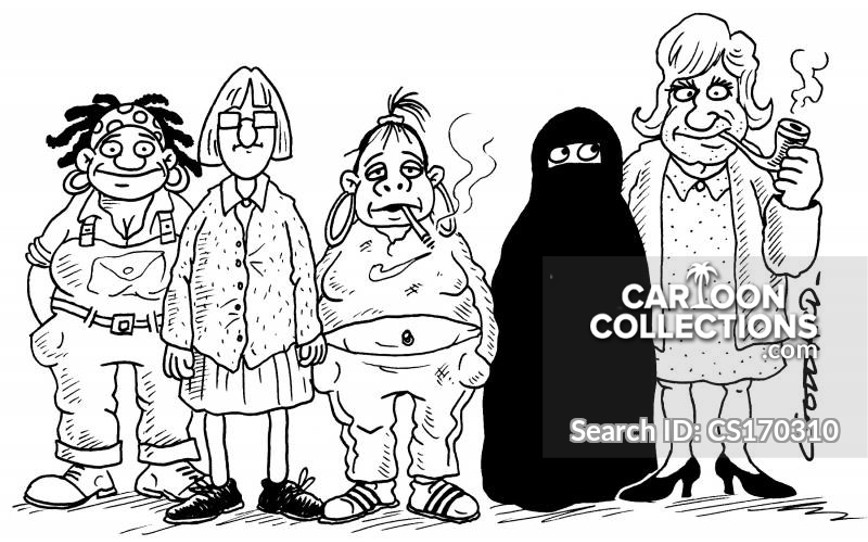
It refers socially significant distinctions on the basis of which a society is structured, and inequality is organized.
D.1. EXAMPLES OF SOCIAL DIFFERENCES
These differences include those associated with gender, sexual orientation, age, social class, religion, and ability.
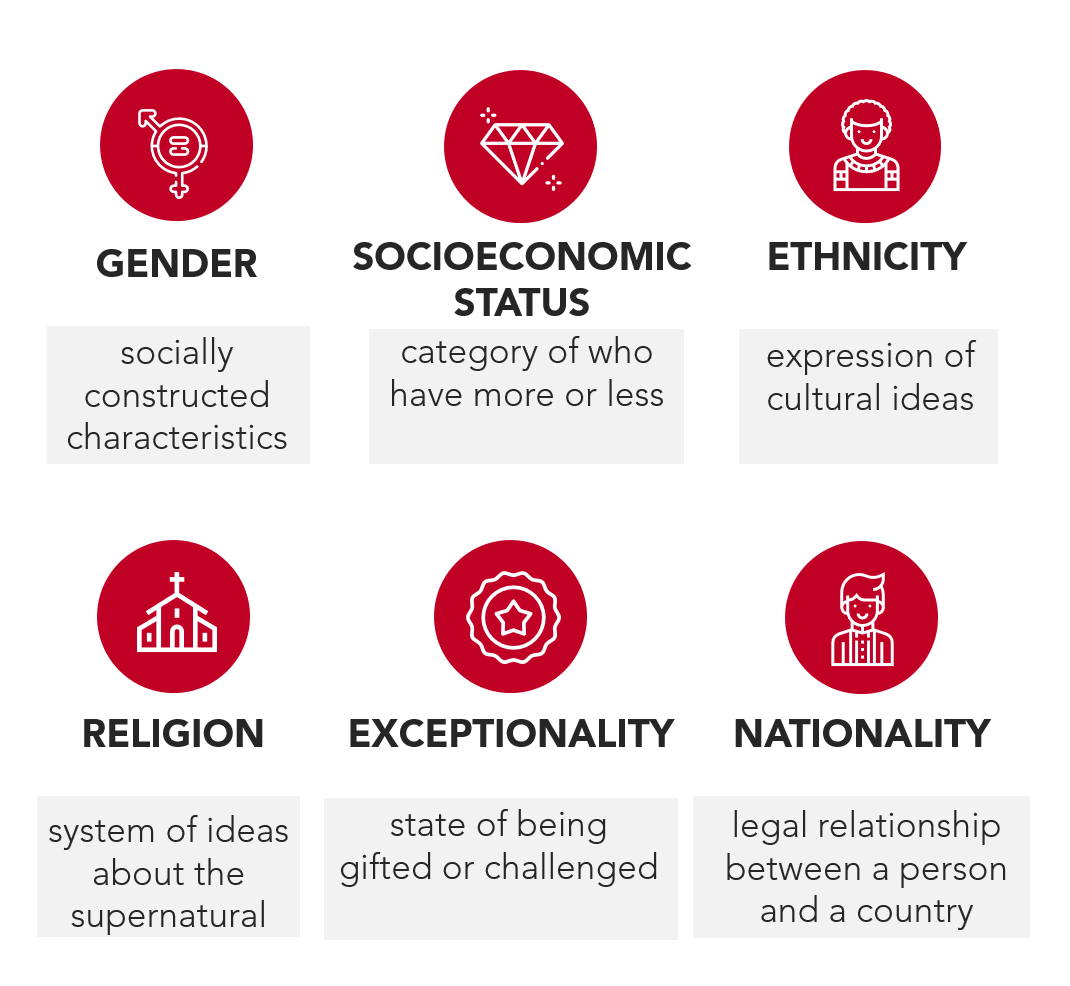
D.1.1 GENDER
It is the socially constructed characteristics of being male or female. It serves as a guide on how males and females think and act about themselves; the way they interact with others; and how they perform their various roles in society.
D.1.2 SOCIOECONOMIC STATUS
It refers to the category of persons who have more or less the same socioeconomic privileges in a society. These privileges are due to inherited wealth and/or the occupational status of the breadwinner in the household.
D.1.3 ETHNICITY
It is the expression of the set of cultural ideas held by a distinct ethnic or indigenous group. An ethnic group refers to people who collectively and publicly identify themselves as distinct and unique based on distinguishable cultural features that set them apart from others, such as language, shared ancestry, common origin, customs, and traditions.
D.1.4 RELIGION
It is an organized system of ideas about the spiritual sphere or the supernatural, along with associated ceremonial or ritualistic practices by which people try to interpret and/or influence aspects of the universe otherwise beyond human control.
D.1.5 EXCEPTIONALITY
It is the state of being intellectually gifted and/or having physically or mentally challenged conditions concerning personality/behavior, communication, intellect, physical appearance, or a combination of more than one specific exceptionality or disability.
D.1.6 NATIONALITY
It is the legal relationship that binds a person and a country.