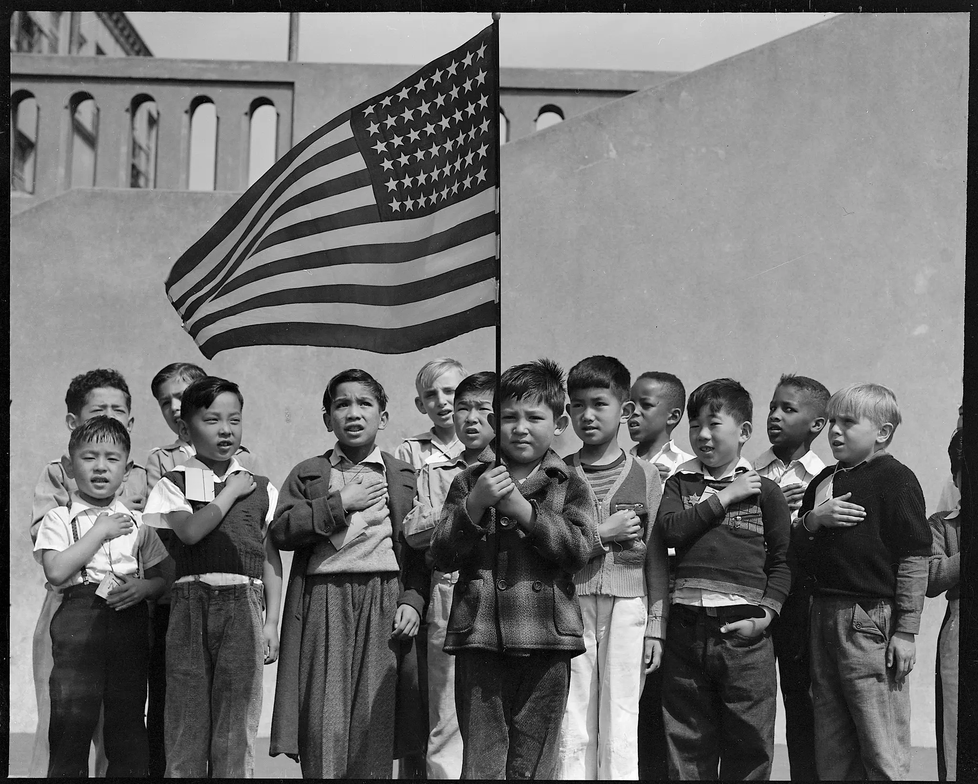
1
The day after
Why? The U.S. government feared that these individuals, simply because of their
Content Objective: I will be able to draw reasonable conclusions about Japanese American relocation and internment from multiple primary sources.
Standard Objective: I will be able to draw reasonable conclusions from the text.
Click here for the slides from today.
Content Objective: I will be able to draw reasonable conclusions about Japanese American relocation and internment from multiple primary sources.
Standard Objective: I will be able to draw reasonable conclusions from the text.
Click here for the slides from today.
Warm Up for Tue, 5/3: Please rate how well you understood last night's pre-work on a scale from 1 to 4. If you have any questions, drop them in the "Show Your Work" area.
Warm Up for Tue, 5/3: Have you ever been in accused of something you didn't do? Were you able to prove your innocence? Explain!
Warm Up: One interesting historical fact I learned from the pre-work is…
The day after
Why? The U.S. government feared that these individuals, simply because of their
Applying Knowledge: Let's make sure we're all on the same about the order of events.
American citizens of Japanese descent were suspected of spying, sabotage, or helping the enemy. The FBI had their homes raided and their property confiscated.
Before the signing of Executive Order 9066, Japanese suspected of helping the enemy were arrested and detained. They were never given a trial.
Japanese were unwillingly removed from their homes and placed in internment camps.
Although most Japanese were punished by being placed in internment camps, they never were put on trial and were treated as automatically guilty of disloyalty to the U.S.
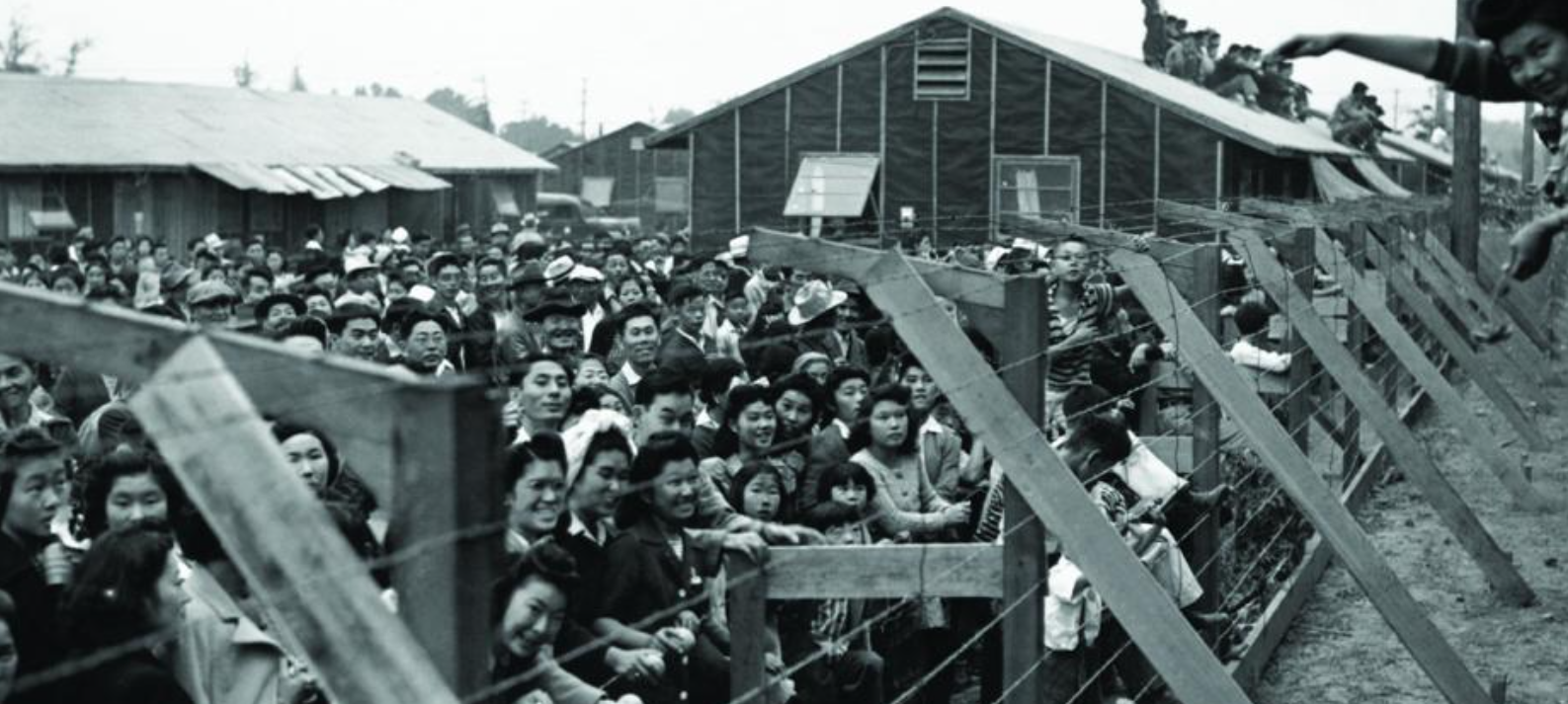
Warm Up for Thu, 5/5: What does this image remind you of? What do you notice about the people in the image? What questions do you have about this photo?
Warm Up for Thu, 5/5: Let's be clear. Japanese internment was a violation of the US Constitution in many ways.
Need examples? Match the historical event (on the left) with the Amendment from the Bill of Rights that it breaks (on the right).
| Draggable item | arrow_right_alt | Corresponding Item |
|---|---|---|
Before the signing of Executive Order 9066, Japanese suspected of helping the enemy were arrested and detained. They were never given a trial. | arrow_right_alt | Amendment 4. Right of search and seizure regulated- The right of the people to be secure in their persons, houses, papers, and effects against unreasonable searches and seizures shall not be violated. |
Japanese who were suspected of spying, sabotage, or helping the enemy had their homes raided and had their things confiscated by the FBI. Japanese were unwillingly removed from their homes and placed in internment camps. | arrow_right_alt | Amendment 6. Right to a speedy trial and witnesses- In all criminal prosecution, the accused shall enjoy the right to speedy and public trial by an impartial jury. |
Applying Knowledge: Next, we are going to gain a better understanding of Japanese Internment through a gallery walk. If you were absent, you can access the virtual version here.
What do you see in Document A? What feelings, questions, or ideas does this document bring up for you?
What do you see in Document B? What feelings, questions, or ideas does this document bring up for you?
What do you see in Document C? What feelings, questions, or ideas does this document bring up for you?
What do you see in Document D? What feelings, questions, or ideas does this document bring up for you?
What do you see in Document E? What feelings, questions, or ideas does this document bring up for you?
What do you see in Document F? What feelings, questions, or ideas does this document bring up for you?
What do you see in Document G? What feelings, questions, or ideas does this document bring up for you?
What do you see in Document H? What feelings, questions, or ideas does this document bring up for you?
What do you see in Document I? What feelings, questions, or ideas does this document bring up for you?
Exit Ticket: Which document stood out to you the most in Gallery Walk?
Exit Ticket: Discuss your response to the previous question with your table. What did your peers notice from the Gallery Walk that was different from you?
Exit Ticket: Please evaluate how well you understood today’s lesson on a scale from 1 to 4: