Log in
Sign up for FREE
arrow_back
Library

Unit 5 Performance Assessment: ANTI Atomic Bomb

star
star
star
star
star
Last updated over 1 year ago
17 questions
Source F
1
PART ONE Directions: Below are various primary and secondary sources about the decision to drop the atomic bomb. As you analyze each source, think about how you could use it as evidence to support your argument AGAINST dropping the atomic bomb on Hiroshima and Nagasaki.
Source A
1
Question 1
1.

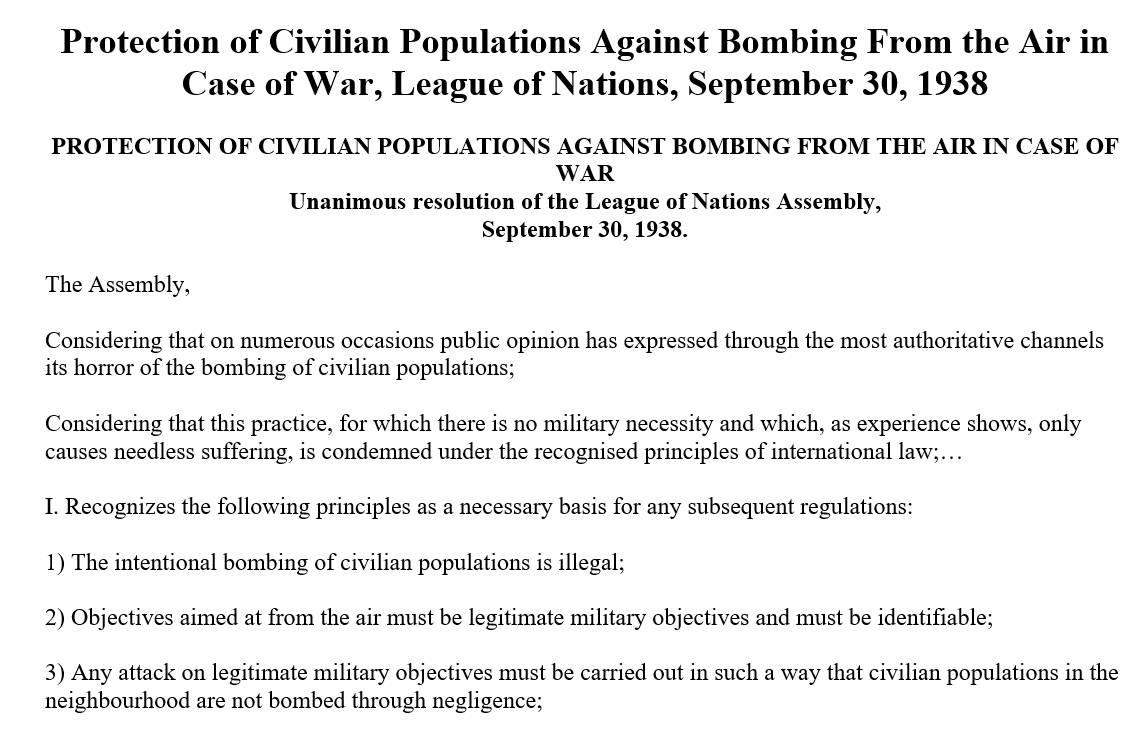
What is the date of this document? What organization passed this law?

1
Question 2
2.

Highlight/circle/star at least two ways the attacks on Hiroshima & Nagaski were illegal according to this law.

1
Question 3
3.

How could you use this source as support for your argument against the atomic bomb?

Source B
1
Question 4
4.

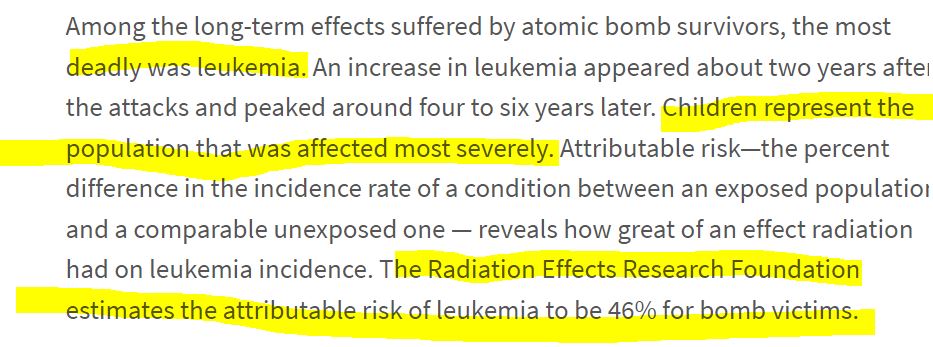
What is one disease scientists have determined is linked to the fallout of the atomic bomb?

Source: International Committee of the Red Cross
1
Question 5
5.

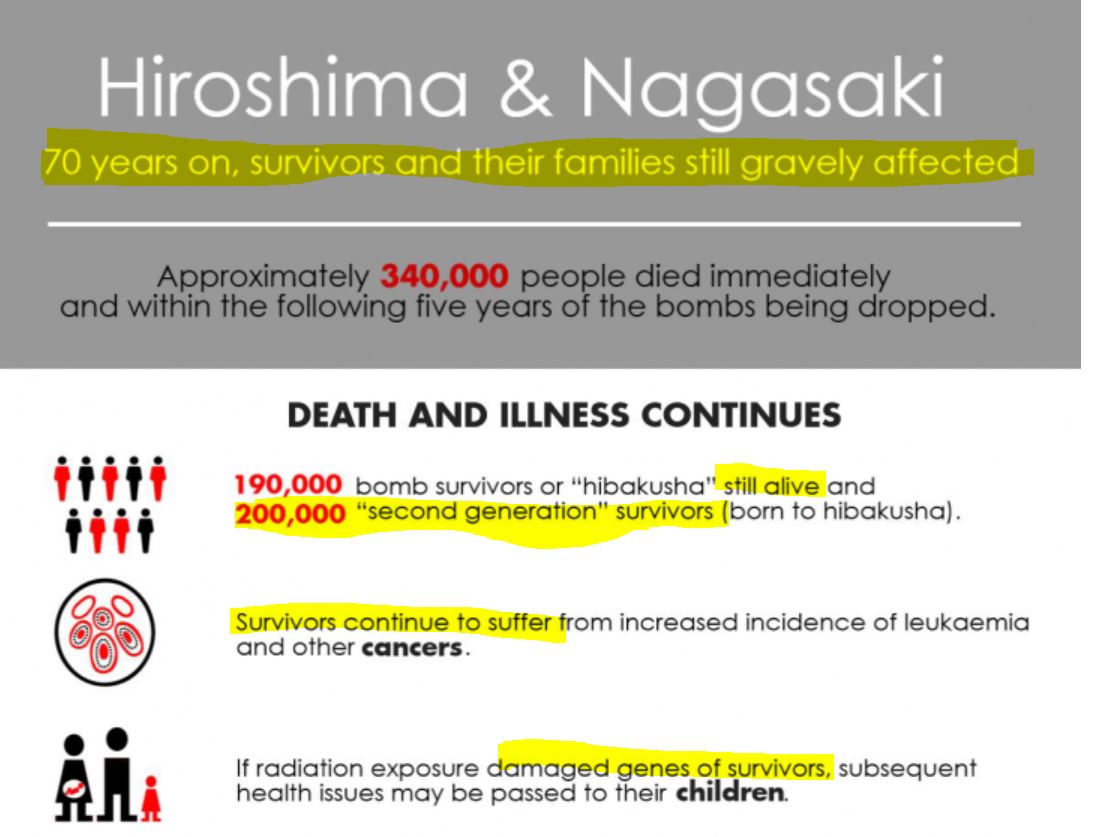
How are the atomic bombs still affecting families today?

President Truman’s Chief of Staff, Admiral William D. Leahy, in his memoir “I Was There” (Whittlesey, 1950)

“It is my opinion that the use of this barbarous weapon at Hiroshima and Nagasaki was of no material assistance in our war against Japan. The Japanese were already defeated and ready to surrender because of the effective sea blockade and the successful bombing with conventional weapons…My own feeling was that being the first to use [the atomic bomb], we adopted an ethical standard common to the barbarians of the Dark Ages. I was not taught to make wars in that fashion, and that wars cannot be won by destroying women and children…”
Source C
1
Question 6
6.

Admiral Leahy states that the atomic bomb is a "barbarous weapon." What are two reasons he believes this?

1
Question 7
7.

How could you use this source as support for your argument against the atomic bomb?

Source D
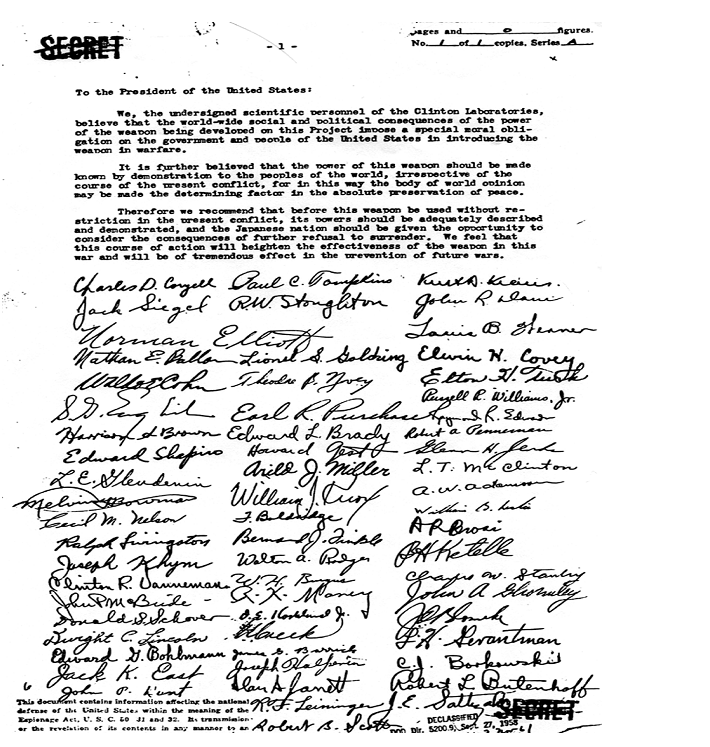
Classified: Letter of American scientists opposed to nuclear weapons in warfare.
1
Question 8
8.

Why do these scientists believe the people of the world should know the atomic bomb's capability before using it in war?

1
Question 9
9.

What opportunity do these scientists believe should be extended to Japan prior to using the atomic bomb?

1
Nippon Times (Tokyo) August 10, 1945

"How can a human being with any claim to a sense of moral responsibility deliberately let loose an instrument of destruction which can at one stroke annihilate an appalling segment of mankind? This is not war: this is not even murder; this is purely a crime. This is a crime against God and humanity which strikes at the very basis of moral existence. What meaning is there in any international law, in any rule of human conduct, in any concept of right and wrong, if the very foundations of morality are to be overthrown as the use of this instrument of total destruction threatens to do?"
Source E
1
Question 11
11.

How does the Nippon Times argue that dropping the atomic bomb is morally wrong?

1
Question 12
12.

How could you use this source as support for your argument against the atomic bomb?

Question 13
13.

What are your reactions to the photos of atomic bomb survivors? How could you use these images to build a moral argument against the atomic bomb? Warning: Graphic images. You can choose to skip this source if you would prefer. https://www.life.com/history/hiroshima-portraits-of-survivors/

Source G
1
Question 14
14.

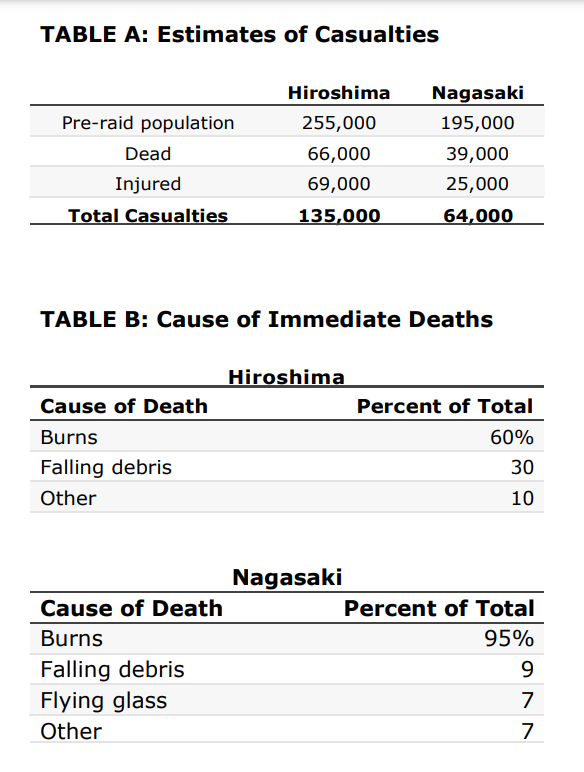
Table A highlights the number of casualites (deaths & injuries combined) in Japan after dropping the atomic bomb. How can you use these numbers to argue against dropping the atomic bomb?

1
Question 15
15.

Table B describes the cause of each death after the atomic bomb was dropped. What percentage of people died from burns in Hiroshima and Nagasaki?

Source H
1
Question 16
16.

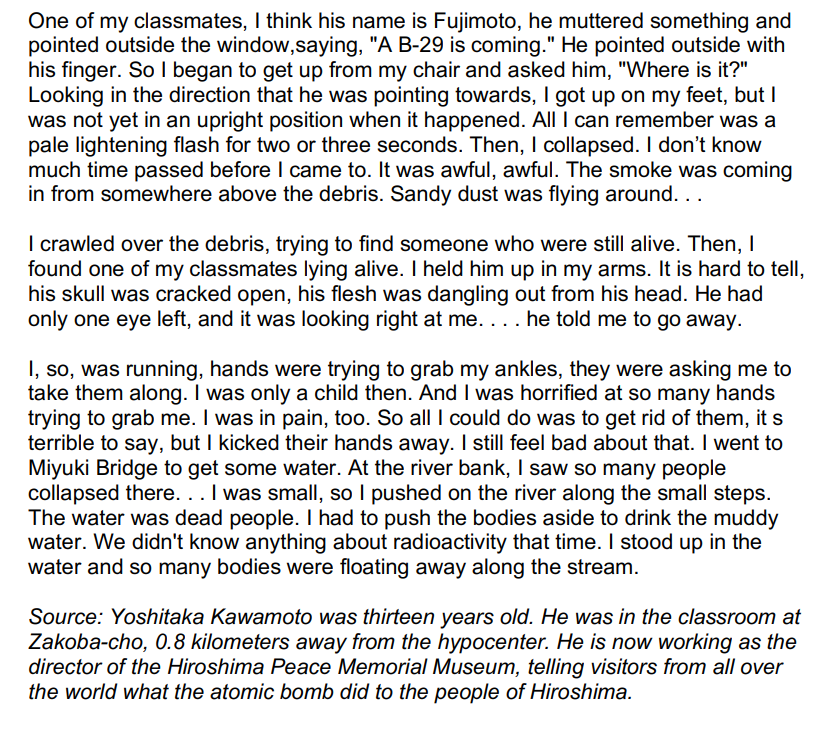
How can you use Yoshitaka's personal account to build an emotional arguement against using the atomic bomb?

1
Question 17
17.

What is one line you can use from his story that especially proves your point? Underline the sentence below.

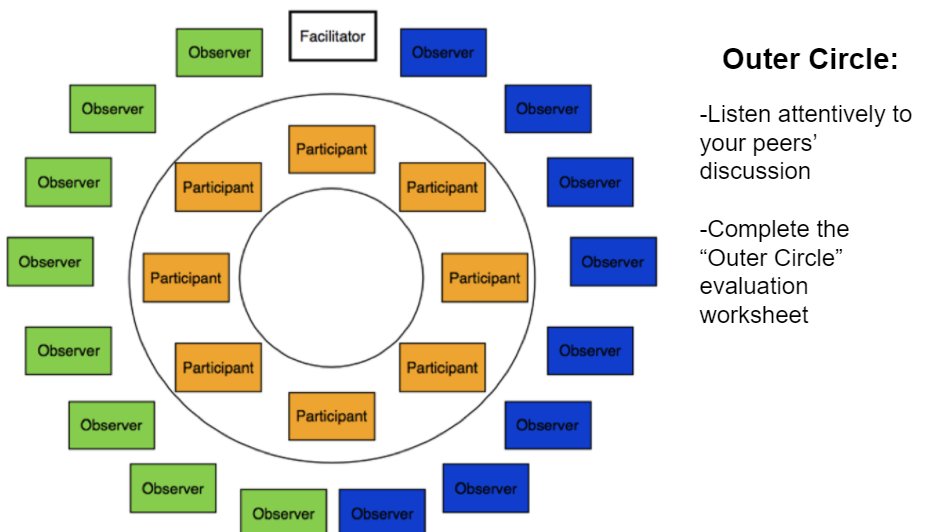
We will divide our class into two circles --- a smaller, inner circle and a larger, outer circle. The inner circle will be provided with an opportunity to talk while the outer circle listens.

It's important that you have your pieces of evidence clearly laid out, so you can access them easily when you are in the inner circle.

Please look through all of the sources above. Pick THREE statistics, quotes, visuals, graphs...that you think are most compelling for arguing against the use of the atomic bomb in WWII.
Question 10
10.

How could you use this source as support for your argument against the atomic bomb?