Dropping the Atomic Bomb made a Third World War highly unlikely.
The atomic bomb and later the more powerful H bomb decreased the risk of a Third World War taking place, as it would certainly bring about the world’s destruction.
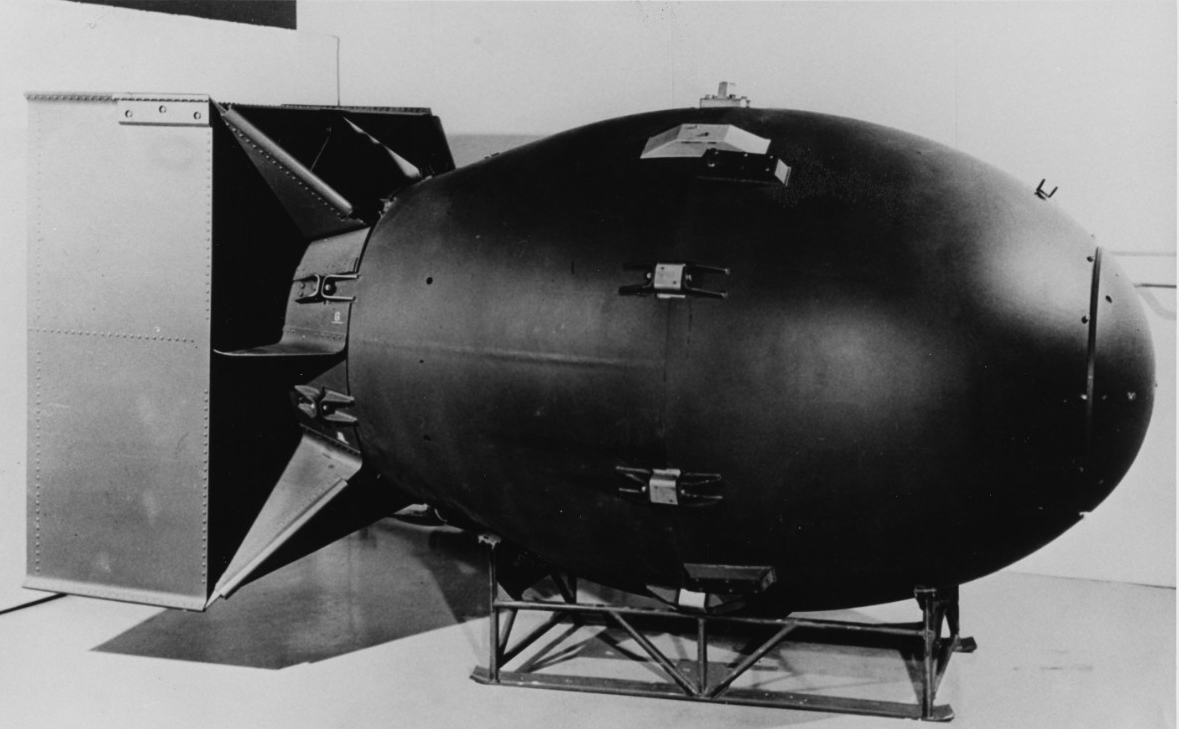
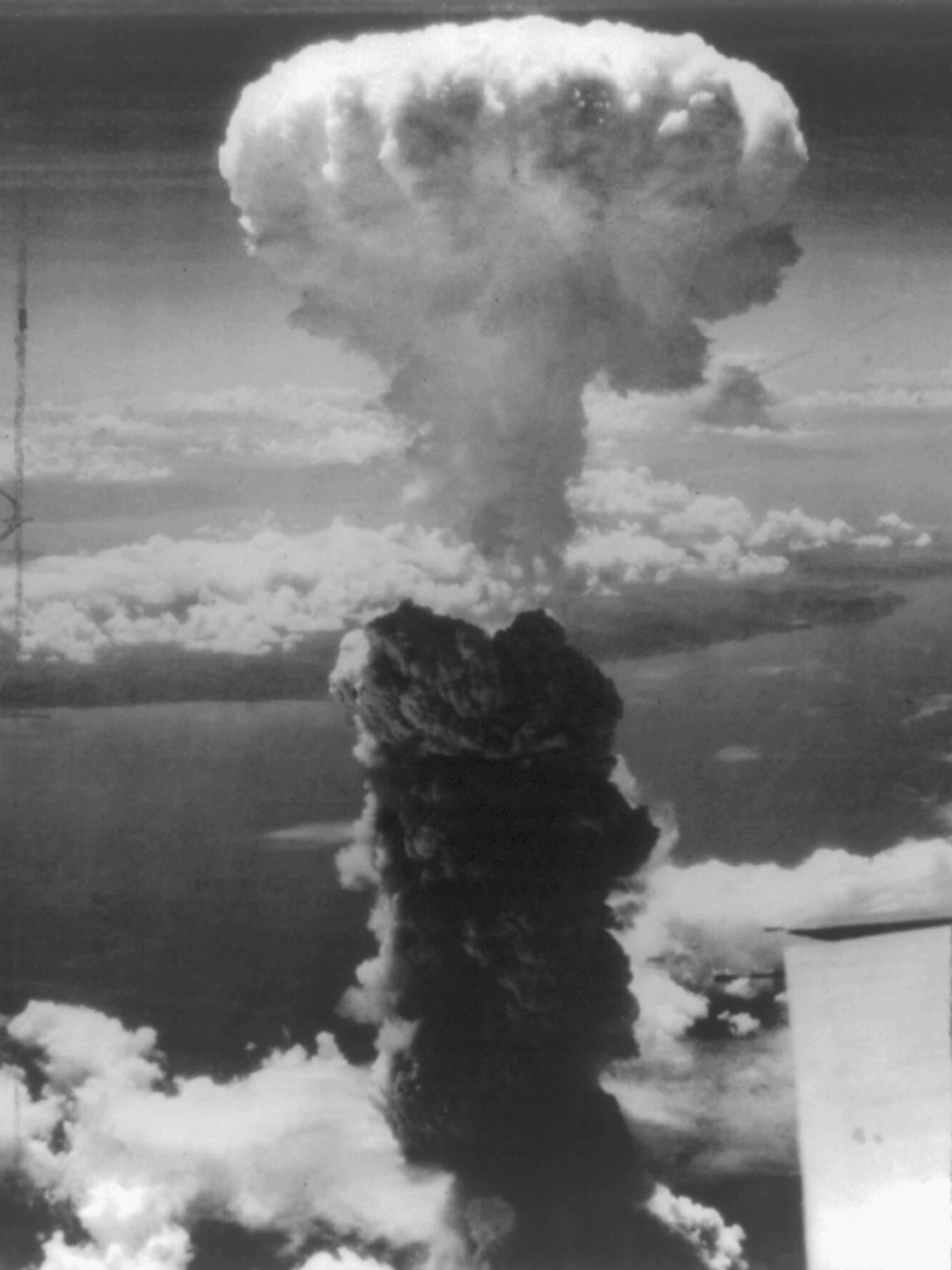
Immediate use of the bomb convinced the world of its horror and prevented future use when nuclear stockpiles were far larger, as seen on the chart to the right. The two atomic bombs, which were dropped on Japan, had only a fraction of the power of H bombs, and they destroyed a city each.
The atomic bomb changed the consequences of any potential wars between superpowers. It led to the concept known as Mutually Assured Destruction (MAD) which was that none of the nuclear superpowers, especially Russia and the United States, would fight directly against each other out of fear of nuclear fallout. This reality meant that world superpowers could not risk directly fighting each other and begin a nuclear war that would wipe out humanity within minutes once ballistic missile strikes were launched. The possibility of a nuclear-induced doomsday scenario goes a long way in explaining why the Cold War between the superpowers never led to a Third World War.