Which of the following sound waves has the highest pitch and the lowest volume?

Which of the following sound waves has the highest pitch and the lowest volume?
A sound wave is considered to be
Which of the following sound waves has the highest pitch and the lowest volume?
Which of the following sound waves has the highest volume and the highest pitch?
Dr. Hall has a 100 ml beaker (beaker A) with 50 ml of water in it and another 100 ml beaker (beaker B) with 75 ml of water in it. When she strikes each of them with the same force, which beaker produces the loudest sound?
Ms Herrin strikes a 200 ml beaker containing 100 ml of water, making a sound of 500Hz. How can she make a sound of 800 Hz?
Three old fashioned telephones were made using different materials to connect the paper cups. The densities of those materials are shown below
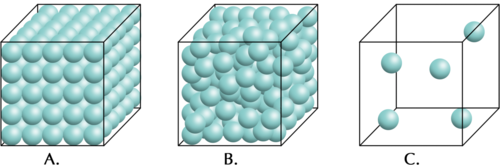
Which substance will transmit the sound the fastest between the paper cups?
Mr. Biengessner was so impressed with straw whistle activity he decided to combine the straws to make a pan flute:

He blew on the red straw to make a sound. What would he have to do in order to make a sound that had a higher frequency and a lower amplitude?
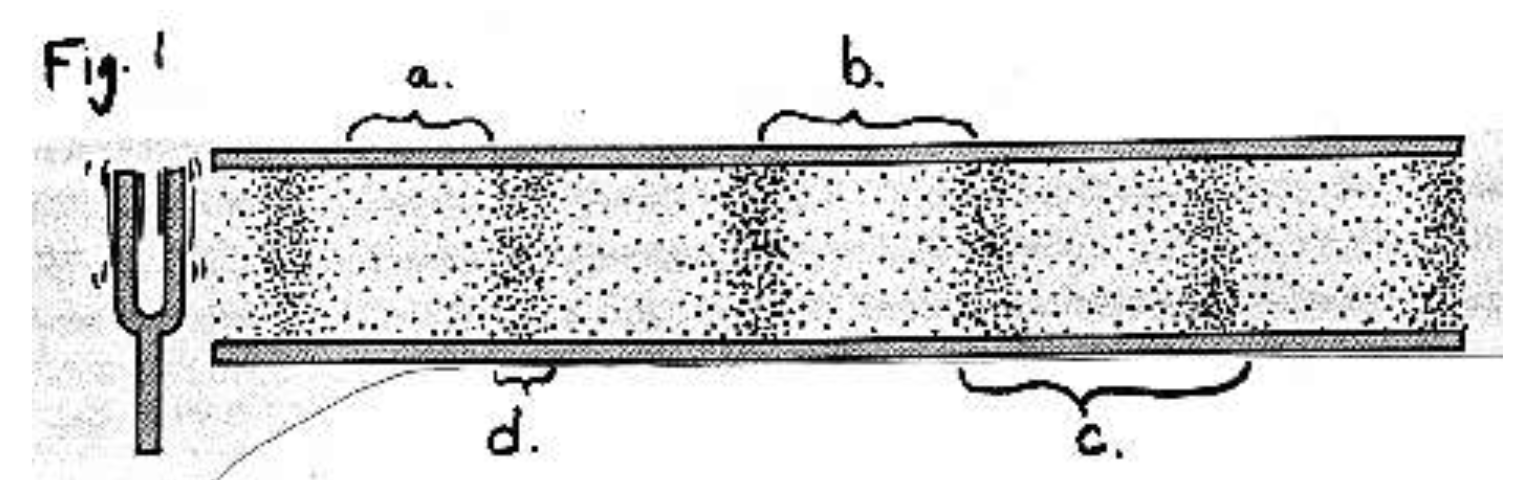
From figure 1 above, which letter shows the correct wavelength for the sound created by the tuning fork?
Consider the tuning forks below:
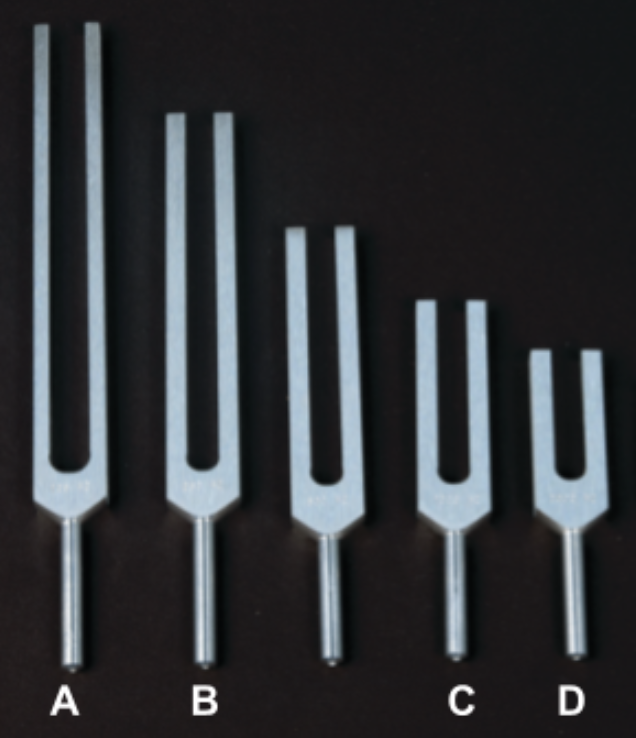
Which one will produce a sound with the lowest frequency?

If you tried to speak through a old fashioned telephone like the one above, which one of the following would give you the clearest sound?
How can you tell that a 200 Hz sound has less energy than a 300 Hz sound?
Ms Clarke uses a tuning fork to make a sound with a frequency of 200Hz. What does she need to do to make a louder sound with frequency of 150 Hz?