
Gathering sources and information for the career research paper.
When writing a research paper, preparing a speech, or doing another project that relies on information from outside sources, it is necessary to ensure the information is valid. Explore the process of evaluating sources for reliability, credibility, and worth. Understand the role of purpose in the process, and review the steps to the CRAAP test, which can be a useful tool to ensure a source is valid.

It's happened to the best of us. You're researching a speech, a paper, or a project and you are having a hard time finding the information you need. Finally, you locate a few sources that could be useful to you. There's only one problem -- now you're having a hard time finding the information for your works cited page.
Your sources don't have authors, some don't have dates or copyrights, and others are from websites that look less than professional. You turn in your paper or give your speech to your teacher, and she isn't happy with your research. What do you do? In this lesson, you will learn how to use the CRAAP test to determine whether your source is reliable and trustworthy.
What sources are likely to be less than professional?

Before you evaluate your source, you need to first evaluate the purpose of your research. If you are researching for an academic paper, then you need to have very credible, reliable, and worthwhile sources because your teacher or professor will be judging the authenticity of the sources. However, if you are perusing the Internet for general interest, then you are left to your own judgment of the information.
Once you've determined the purpose of your research, you are still responsible for judging the worth of your research. How do you go about doing this? One test for evaluating the worthiness of a source is the CRAAP test. The CRAAP test was developed by librarians at California State University, Chico. The acronym CRAAP stands for Currency, Relevance, Authority, Accuracy, and Purpose. We will go through each of the criteria one by one in this lesson.
Before you evaluate a source, you need to first evaluate what?
Who will be judging the authenticity of sources?
Where was the craap test developed?
What does the acronym craap stand for?
What is a test for evaluating the worthiness of a source?
Currency - evaluating the currency of a source means looking at the timeliness of the information. You'll want to check to see when the information was published or posted. If you can't find a publication date on a website, check for a copyright date at the bottom of the site. A document is more likely to be a reliable source of information if it has been published within the past few years. There isn't a hard cutoff here, but generally, the more recent a source, the better. This is because information changes and evolves over time. Just like we know now that the Earth isn't flat, there's a lot of information that has been disproven and proven over time. However, older sources may be fine if you are researching history. Another way to check the currency of a source is to make sure all links are functional.
Relevance - when you evaluate the relevance of a source, you are looking at how well the information relates to your topic. An extremely interesting peer-reviewed article on the positive effects of coffee written by a well-respected researcher may be both current and reliable, but it won't be very relevant to you if you are researching mortgage rates.
Authority - make sure the source of the information, regardless of whether it's a person, publisher, or organization, is credible. First, you can determine the credibility of an article if you can find the author's credentials somewhere in the article. If you can't find this information, then try researching the author. If the author has credentials in the field of the article, then you know that your research is credible. If the author has no credentials or they are in a field that doesn't relate to the article, then it is recommended that you use a different piece of research for your speech. Another way to check the authority of a source is to look at the website's URL. If a website ends with .edu, you'll know it's affiliated with an educational organization, while a .gov website means it is a governmental site.
Accuracy - make sure you evaluate the accuracy of a source by checking the truthfulness of the content. The information should always be supported by evidence and free of bias. If anything you read sounds questionable, you might want to do a quick search to see if the information can be verified. Can you find the same information confirmed in other sources? Does the information make sense? Are there many other sources that contradict the information in your article? If you can find the information confirmed in other sources or even the article is used as a reference in other sources, then you know your research can be verified. It's also a good idea to check over the source for spelling or grammar errors.
Purpose - and finally, ask yourself what the purpose of the information you are reading is. You'll want to distinguish between sources that offer factual information and opinion. Depending on the source, there could be a potential for bias or misinformation as well, so it's important to examine the reason why this information exists. If it turns out that the author of the article is a member of an organization that is on a particular side (for example, a member of the NRA writing an article on gun control), then it is more likely that the article is biased. This isn't to say that members of an organization can't write unbiased information, but your research is more credible if it comes from a source that has no clear leanings on one side of an issue. This is also true if you find the article on an organization's website.
What does the CRAAP test for currency mean?
If you can't find a publication date on a website, check for what at the bottom of the site?
When is a document more likely to be a reliable source of information?
What is the general rule of thumb when evaluating a source of information?
Why is the more current source of information the better?
How has information changed and evolved over time?
When you evaluate the relevance of a source, you are looking at what?
If the author has credentials in the field of the article, then you know that your research is what?
If the author has no credentials or they are in a field that doesnt relate to the article, then it is recommended that you use what?
What is another way to check the authority of a source?
If something you read sounds questionable, you might want to...
What is important to be mindful of when reading information depending on the source?
If the author of an article is a member of an organization that is on a particular side, it is more likely that the article is what?

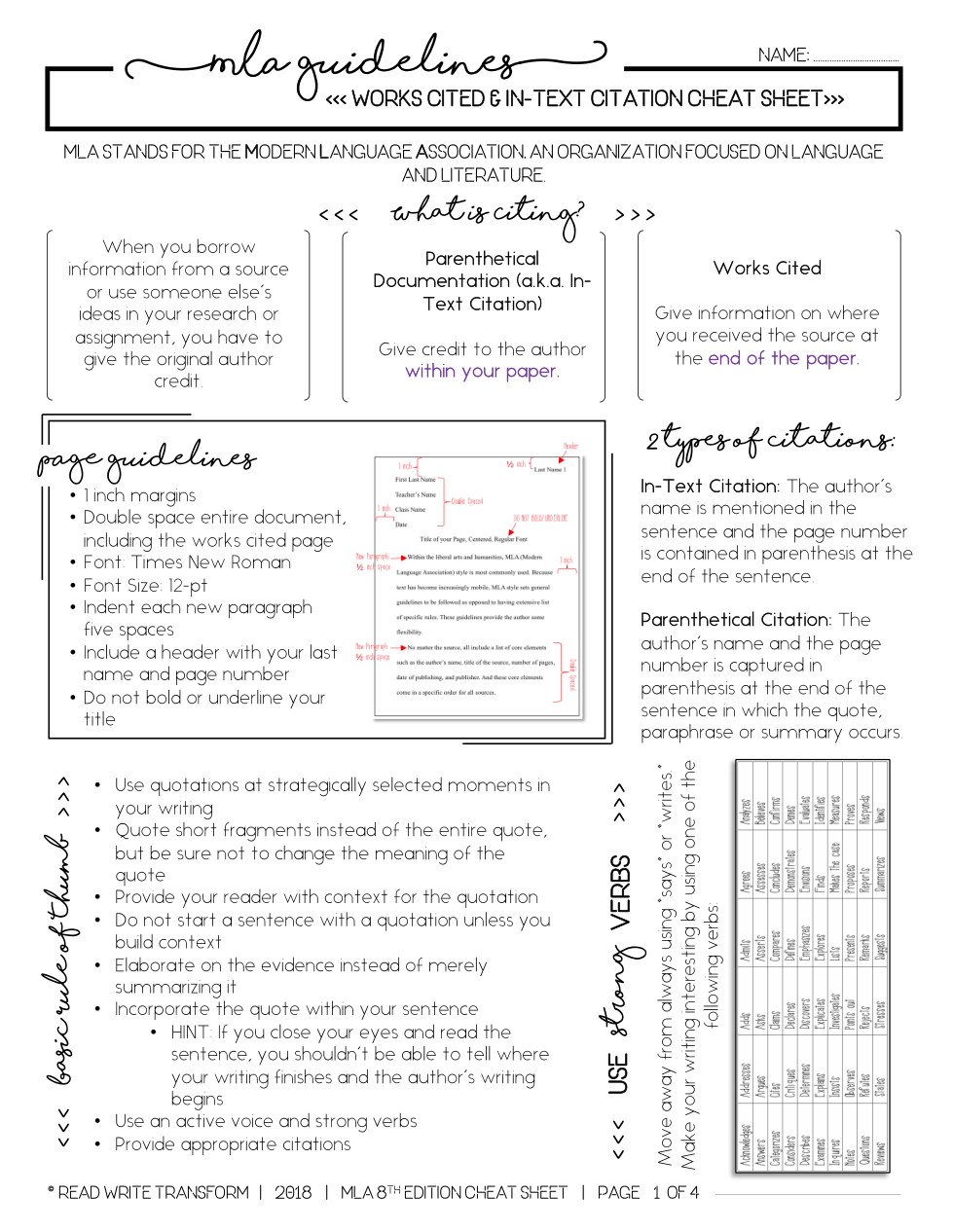
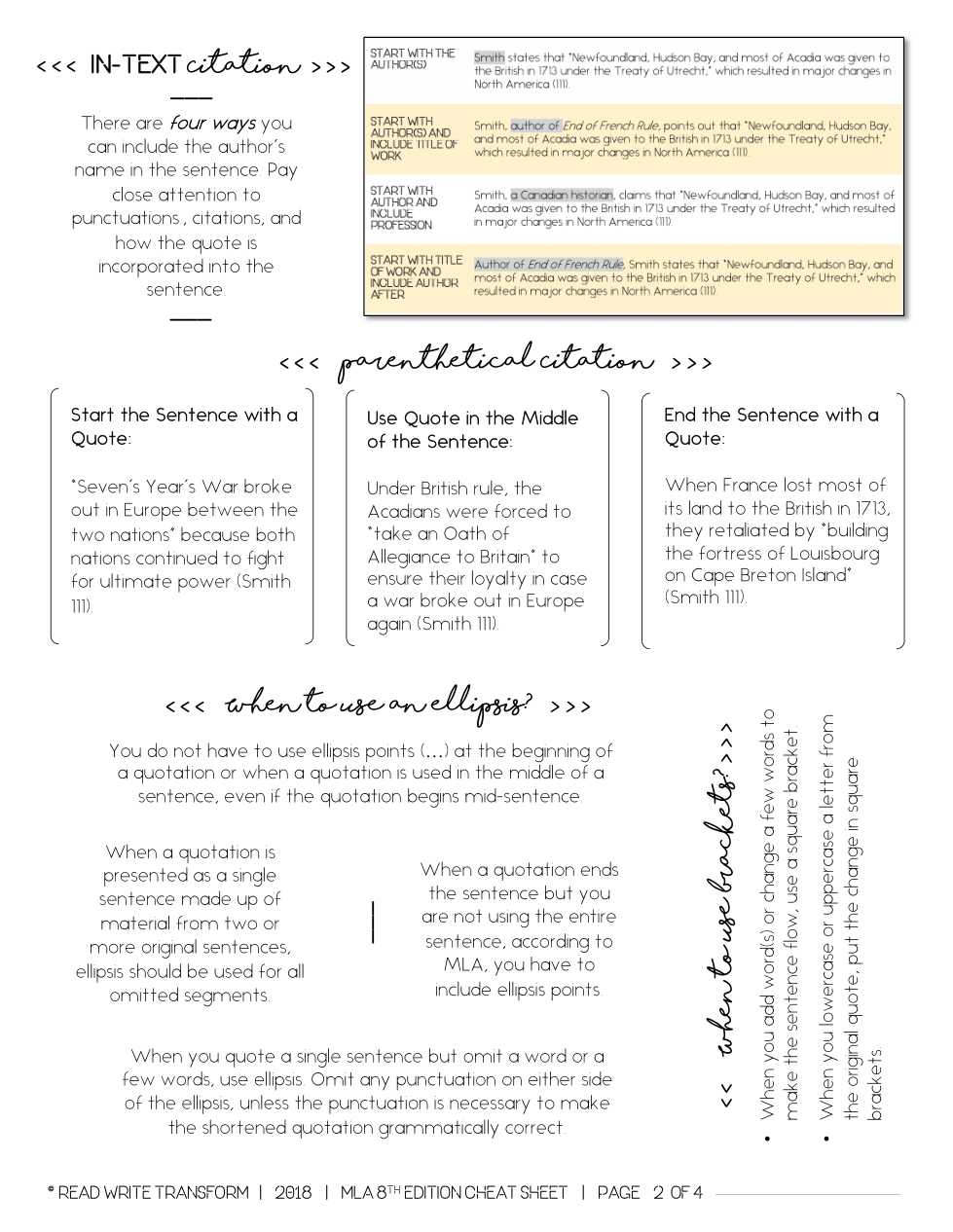
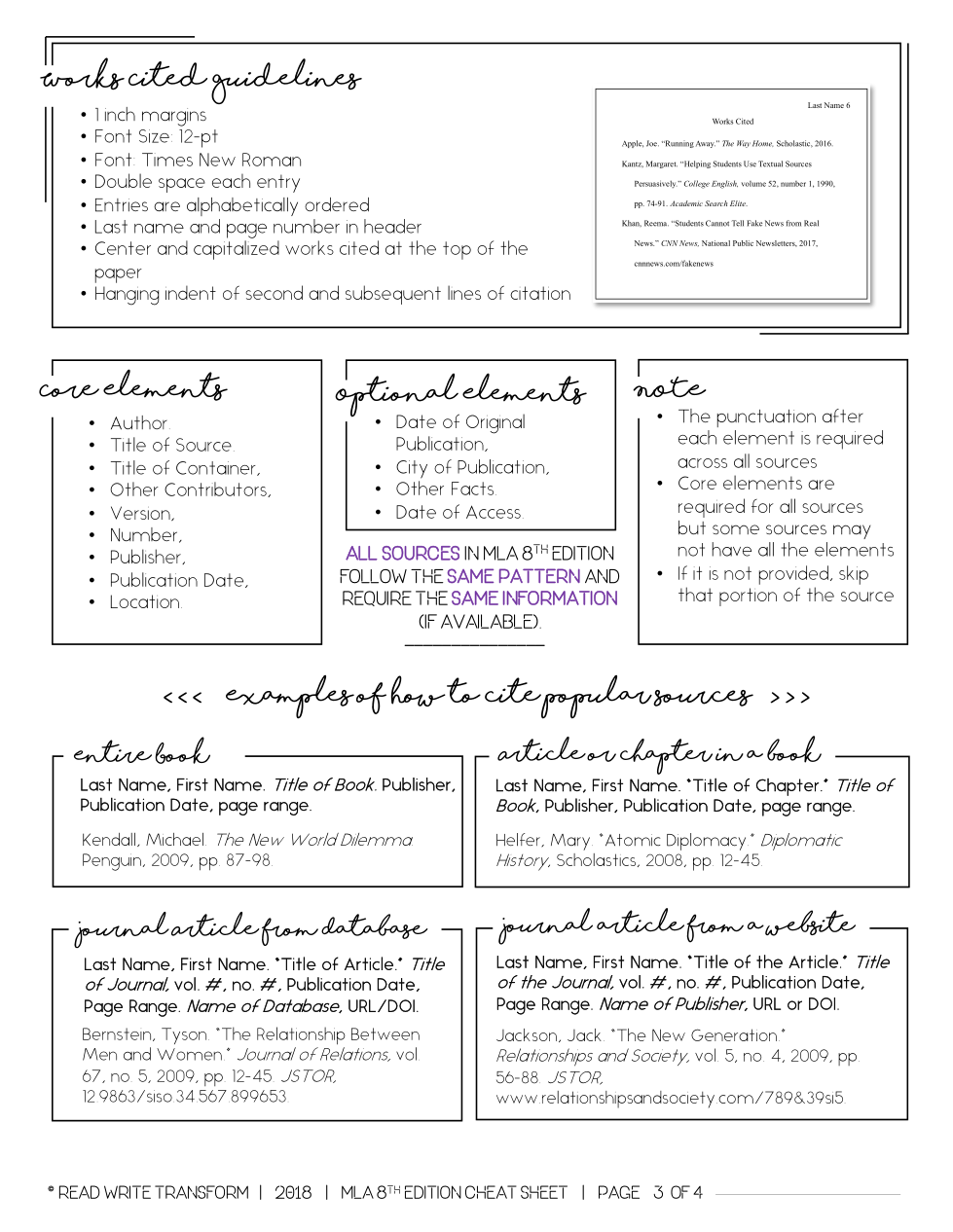
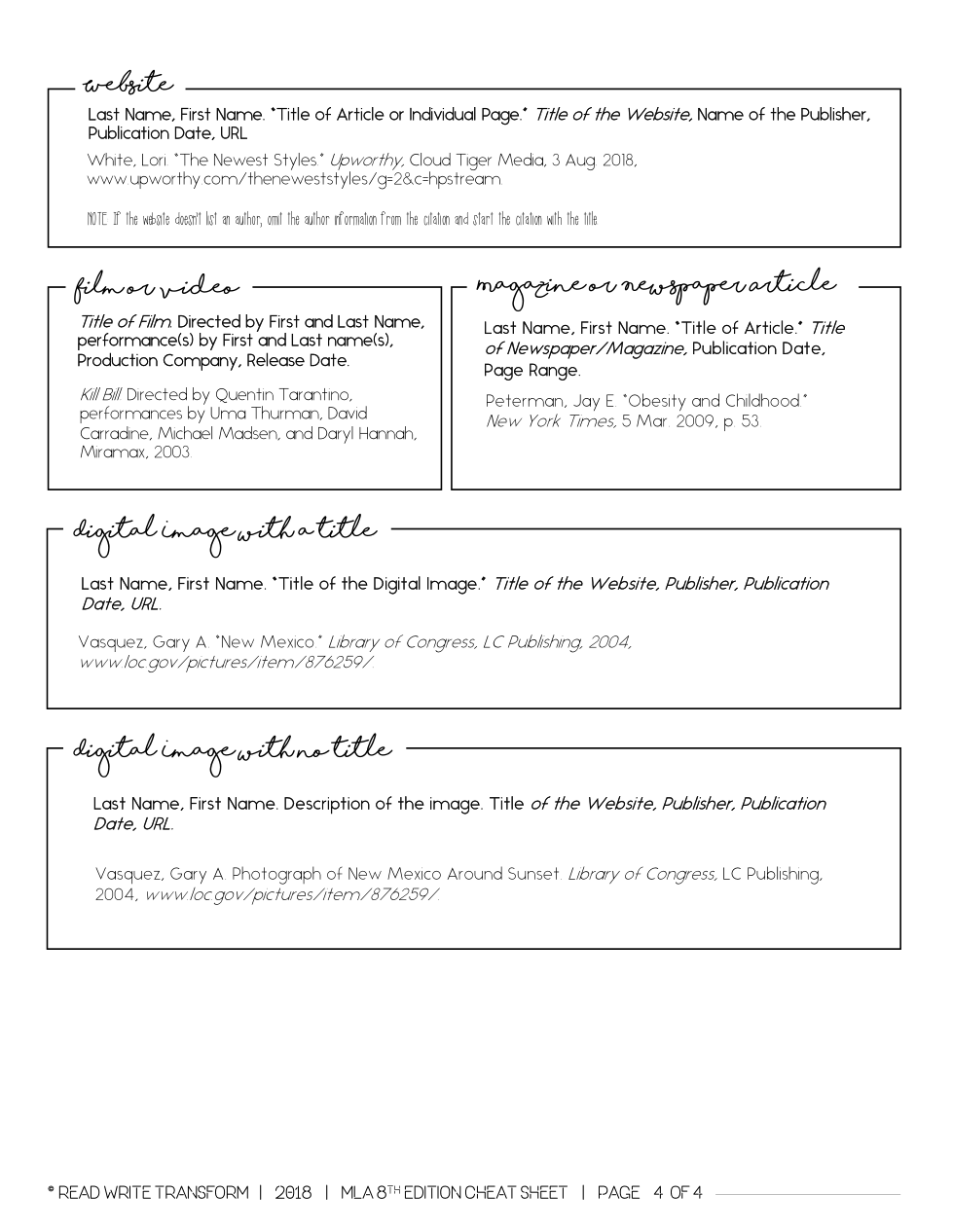
Source Citation:
Notes for your paper:
Source Citation:
Notes for your paper:
Source Citation:
Notes for your paper:
Source Citation:
Notes for your paper:
Create your works cited page. Remember, it needs to be in alphabetical order.