Twa kɔ nsɛm atitiriw so
Log in
Sign up for FREE
arrow_back
Laabri

Surface Area and Volume of Solids

star
star
star
star
star
Last updated about 4 years ago
21 Nsɛmmisa
5
Asemmisa {{asɛmmisaAhyɛnsode}}
1.

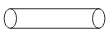
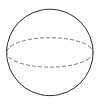
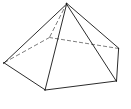
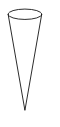
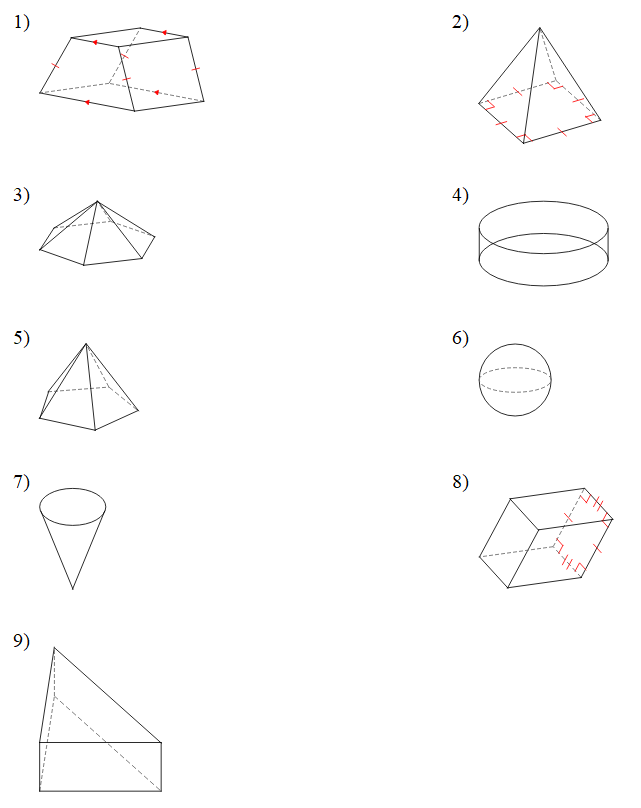
Determine if the solid is a pyramid, prism, cylinder, cone, or sphere.
  • Pyramid

  • Prism

  • Cylinder

  • Cone

  • Sphere

5
Asemmisa {{asɛmmisaAhyɛnsode}}
2.

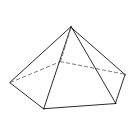
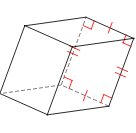
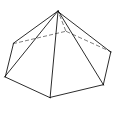
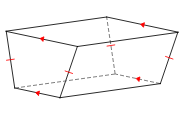
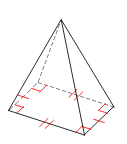
Name each figure.

Mmuae Afoforo a Wobɛpaw:
pentagonal pyramid
trapezoidal prism
triangular pyramid
triangular prism
cylinder
square prism
hexagonal prism
cone
rectangular prism
hexagonal pyramid
pentagonal prism
trapezoidal pyramid
sphere
square pyramid
rectangular pyramid

Find the surface area of each figure. Round your answers to the nearest hundredth, if necessary.

1
Asemmisa {{asɛmmisaAhyɛnsode}}
3.
1
1
1
1
1
1
1
1

Find the volume of each figure. Round your answers to the nearest hundredth, if necessary.

1
1
1
1
1
1
1
1
1
1
Asemmisa {{asɛmmisaAhyɛnsode}}
4.

Surface Area

Asemmisa {{asɛmmisaAhyɛnsode}}
5.

Surface Area

Asemmisa {{asɛmmisaAhyɛnsode}}
6.

Surface Area

Asemmisa {{asɛmmisaAhyɛnsode}}
7.

Surface Area

*Hint: The height of the prism is NOT the height of the trapezoid. You can also think about the height of a prism as the distance (segment length) between the two congruent bases (same shape and size). In this case, the distance between the two trapezoids.

Asemmisa {{asɛmmisaAhyɛnsode}}
8.

Surface Area

Asemmisa {{asɛmmisaAhyɛnsode}}
9.

Surface Area

Asemmisa {{asɛmmisaAhyɛnsode}}
10.

Surface Area

Asemmisa {{asɛmmisaAhyɛnsode}}
11.

Surface Area

Asemmisa {{asɛmmisaAhyɛnsode}}
12.
Asemmisa {{asɛmmisaAhyɛnsode}}
13.

Volume

Asemmisa {{asɛmmisaAhyɛnsode}}
14.

Volume

Asemmisa {{asɛmmisaAhyɛnsode}}
15.

Volume

Asemmisa {{asɛmmisaAhyɛnsode}}
16.

Volume

Asemmisa {{asɛmmisaAhyɛnsode}}
17.

Volume

Asemmisa {{asɛmmisaAhyɛnsode}}
18.

Volume

Asemmisa {{asɛmmisaAhyɛnsode}}
19.

Volume

Asemmisa {{asɛmmisaAhyɛnsode}}
20.

Volume

Asemmisa {{asɛmmisaAhyɛnsode}}
21.

Volume

*Hint: The height of the prism is NOT the height of the trapezoid. You can also think about the height of a prism as the distance (segment length) between the two congruent bases (same shape and size). In this case, the distance between the two trapezoids.