Unit 5.9 Classwork/HW: Japanese Internment During WWII
star
star
star
star
star
Last updated over 1 year ago
9 questions
Note from the author:
Content Objective: I will be able to apply principles of the United States Constitution to the issue of Japanese American relocation and internment.
Standard Objective: I will be able to draw reasonable conclusions from the text.
Content Objective: I will be able to apply principles of the United States Constitution to the issue of Japanese American relocation and internment.
Standard Objective: I will be able to draw reasonable conclusions from the text.
1
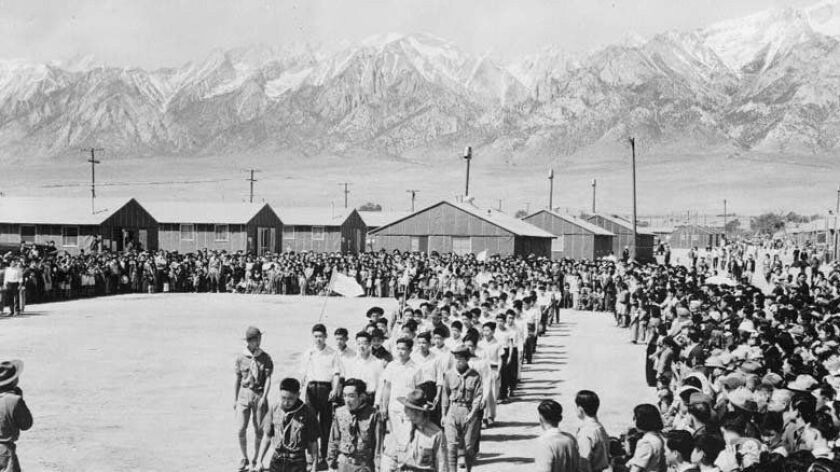
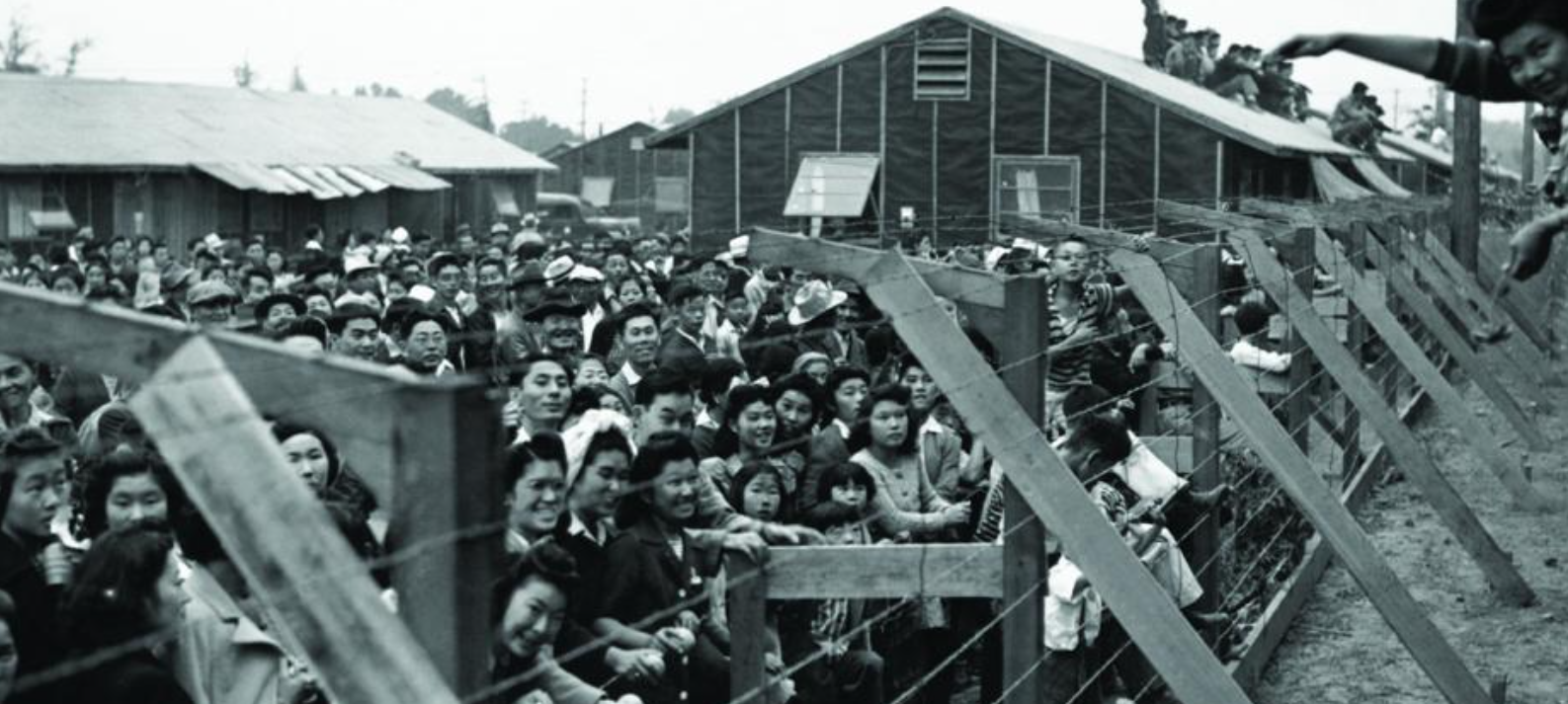
Warm Up: What does this image remind you of? What do you notice about the people in the image? What questions do you have about this photo?

1
How would you summarize the text above into "college-ready" notes, so that if it were deleted, you would still have the key ideas?
1
Let's Be Clear: This was a violation of the US Constitution in many ways. Need examples? Match the historical event (on the left) with the Amendment from the Bill of Rights that it breaks (on the right).
- Before the signing of Executive Order 9066, Japanese suspected of helping the enemy were arrested and detained. They were never given a trial.
- Japanese who were suspected of spying, sabotage, or helping the enemy had their homes raided and had their things confiscated by the FBI. Japanese were unwillingly removed from their homes and placed in internment camps.
- Amendment 4. Right of search and seizure regulated- The right of the people to be secure in their persons, houses, papers, and effects against unreasonable searches and seizures shall not be violated.
- Amendment 6. Right to a speedy trial and witnesses- In all criminal prosecution, the accused shall enjoy the right to speedy and public trial by an impartial jury.
0
What do you see in Document A? What feelings, questions, or ideas does this document bring up for you? The man who owns the store is a Japanese American citizen.
0
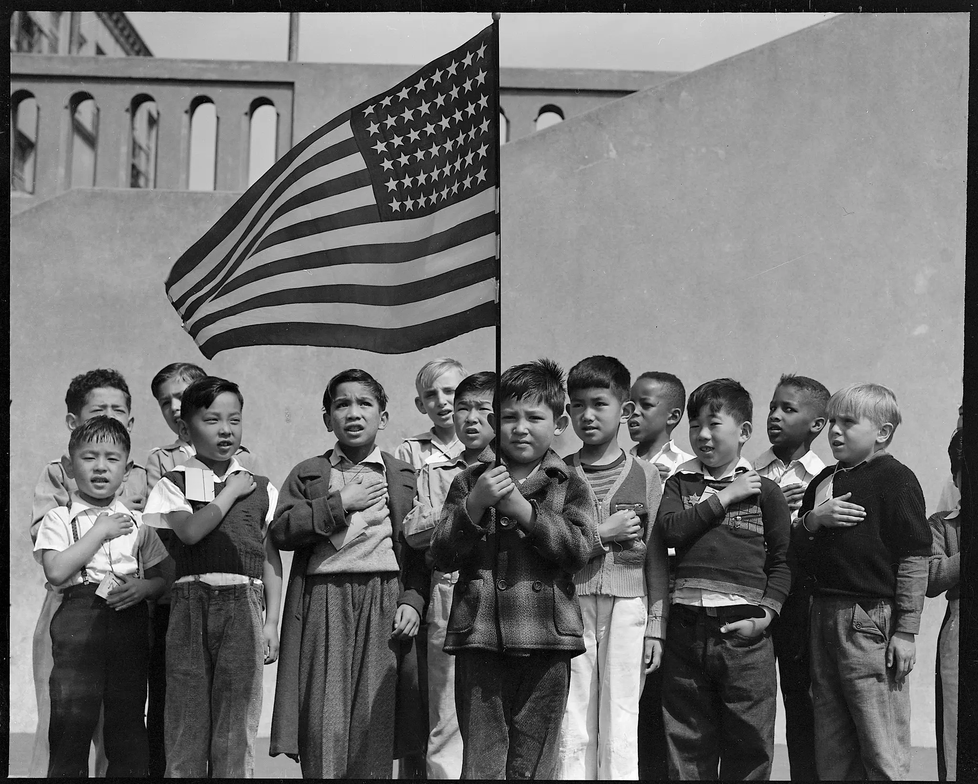
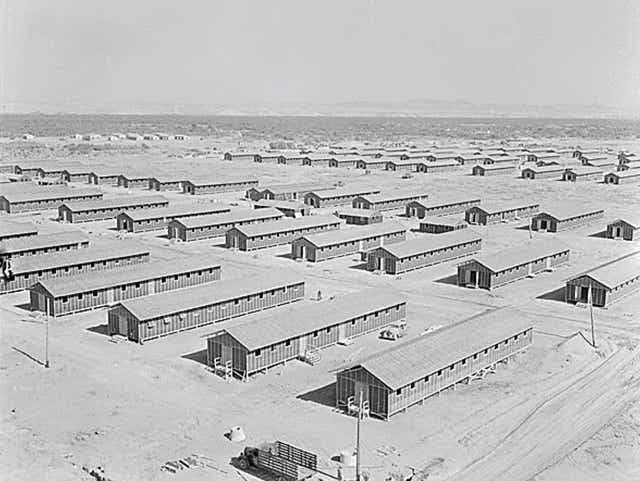
What do you see in Document C? What feelings, questions, or ideas does this document bring up for you?
0
What do you see in Document E? What feelings, questions, or ideas does this document bring up for you? These Japanese American women are making netting to help the American war effort.
0
What do you see in Document H? What feelings, questions, or ideas does this document bring up for you?
0
What do you see in Document I? What feelings, questions, or ideas does this document bring up for you?
1
Exit Ticket: Which document stood out to you the most in Gallery Walk? Why?