Sex Education- 7th Cumulative Document (Final)
star
star
star
star
star
Last updated about 3 years ago
57 Nsɛmmisa

0
0
0
0
0
0


0
0
0
0
0
0
0
0
0
0
0
0
0
0
0
0
0
0
0
0
0
0
0

0
0
0
0
0

0
0
0
1
0
0
0
0
0
0
0
0
0
0
0
0
0
0
0

0
0
0
1
How do you commit to showing up as your best self in today's Sex Ed lessons?
"I commit to ... by ... "
Have you heard of Planned Parenthood? What do you think they do?
Where can someone go to access reproductive and sexual health services?
How can someone pay for services?
True or False: A person who is 12 years old and older has access to confidential reproductive health services
Why do you think it is important to know about Planned Parenthood and their services?
What are some changes that can happen during puberty
True or False. Puberty has to do with emotional and physical changes that happen to a body as a person grows up.
True or False. Every body with a penis and every body with a vulva look the same.
How might a students experience puberty differently?
How can you support yourself and your peers as bodies change from puberty?
True of False. Sex assigned at birth is based on a person's chromosomes
How is sex assigned at birth?
True of False. Are all the words used today to describe identity the same words that have always been used?
What describes the term 'gender expression'?
Describe the difference between sex and gender. AND why is it important to understand the difference?
Day 1: What questions do you have?
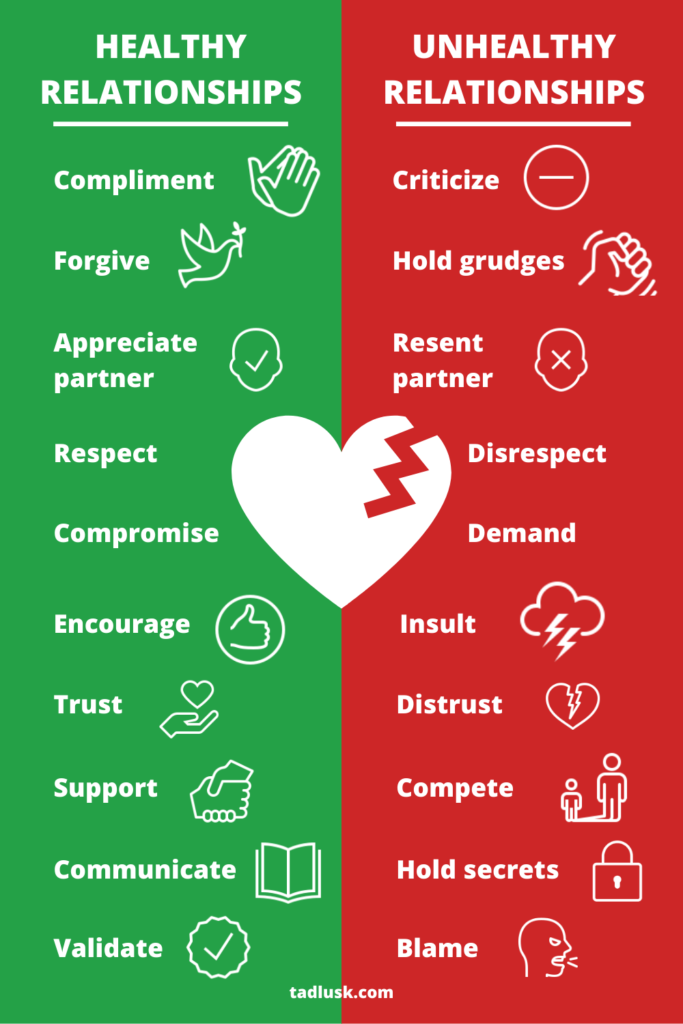
What do healthy peer relationships look like to you?
____________ is an example of a HEALTHY quality in a relationship?
Who can someone talk to or go to for help if they are in an unhealthy or abusive relationship?
Sam and Tay met in 8th grade and have been dating for a few months. When Tay hangs out with his friends, Sam gets really mad. Sam is jealous and tells Tay that he can't hang out with his friends anymore. Sam always goes through Tay's phone to make sure he isn't talking to anyone else. Once Sam saw a text from one of Tay's friends and slapped to back of Tay's head. It barely hurt though.
This is an example of what kind of relationships?
Morgan and Liza are 13 years old. They have been dating for 6 months. Liza plays softball, and Morgan goes to all of her games to support her. They really like each other and every time they have a disagreement, the solve the problem respectfully. Sometimes Morgan and Liza spend time apart and hangout with their own friends and family.
This is an example of what kind of relationships?
How can you build positive peer relationships at school?
How can you navigate negative peer relationships?
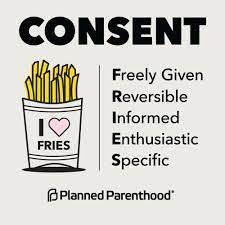
What is consent?
Choose the 5 qualities of "F.R.I.E.S"
True or False. Someone can reach out to RAINN if they are supporting a friend who has experienced sexual assault.
Why is consent so important for students and adults?
When is it important to recieve consent?
True or False. Only Women and girls are victims of human trafficking
True or False. Traffickers can recruit people anywhere. This includes playgrounds, schools, the mall, and social media.
Which of the following are tips to stay safe on the internet
When do you find it easy to communicate with others?
When do you find it hard to communicate with others?
What is NOT a strategy when speaking assertively
True or false. Good communication usually works when person A sends a message, and person B recieves that message, then responds
Communication is _____________
Day 2: Share any questions you have here.
Why are trusted adults important for students?
True or false. Talking to a trusted adult is one of the best ways to get answers to your questions and concerns about sex and relationships
True or false. A trusted adult is someone you trust who cares about you and your health.
What is a body fluid that does not pass an STI?
__________ is the only 100% way that someone can protect themselves from STIs and/or unintended pregnancy
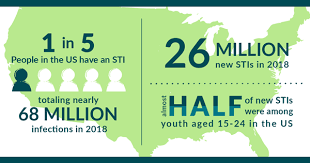
True or false. The way a person would know if they have and STI is if they feel symptoms.
Where can someone access condoms?
True or false. Heat can affect how well a condom works.
Which of these is NOT a barrier method?
What protects the body from diseases and helps us stay health?
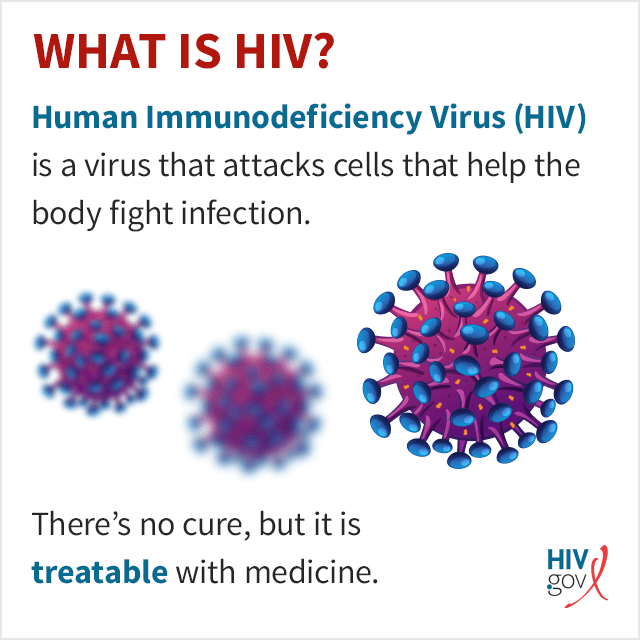
True or False. HIV stands for Human Infection Virus.
What is the most effective way to prevent HIV?
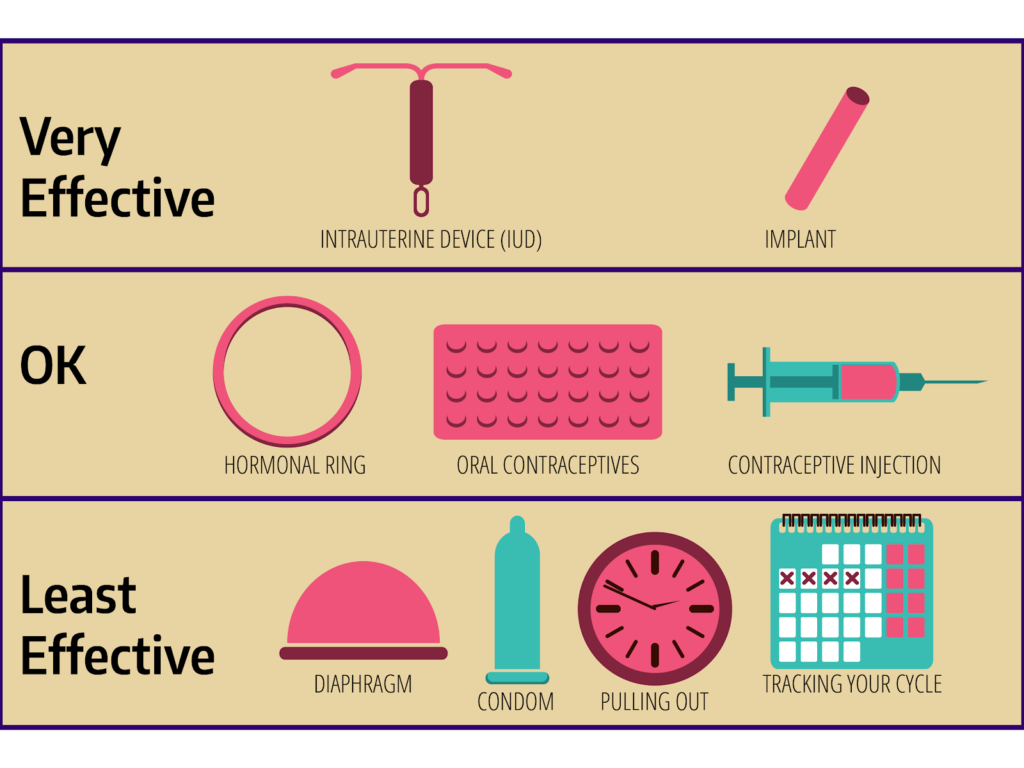
True or false. Hormonal Birth Control is only for people who have a penis and testicles.
Which statement is true about hormonal birth control?
Which method is the most effective at preventing STIs and pregnancy?
What might influence someone's decision to become a parent?
Identify the legal pregnancy options
True or false. The only 100% way of preventing pregnancy is abstinence. Birth control and barrier methods such as condoms can prevent pregnancy but aren't 100%.
Final Day: What questions do you have about relationships, sex, sexually transmitted infections, birth control, barrier methods, anatomy/puberty?