APUSH Chapter 30 - American Life in the Roaring 20's (1920-1929)
star
star
star
star
star
Last updated almost 2 years ago
25 questions
1
1
1
IIRC.02
1
IITE.01
1
IIWD.01
Welcome to your Chapter 30 reading! As you read, you should consider the following essential question:
Was the Roaring 20's truly a period of economic growth and cultural prosperity?
As always, "Focus Questions" should guide your reading and notes, but you do not necessarily have to explicitly answer them.
"The war" in this case refers to World War I, which we are skipping in the interest of time.
1
World War Itldr; America was initially reluctant to enter the First World War due to isolationism stemming all the way back to Washington's Farewell Address and the "America first" mentality of nativism. We eventually joined WWI after discovery of the Zimmerman telegram, which revealed a potential alliance between Germany and Mexico to regain territories lost in the Mexican-American War.
Allied Powers: Won
Great Britain, the United States, France
Axis Powers: Lost
Germany, Austria-Hungary, and the Ottoman Empire (which no longer exists)
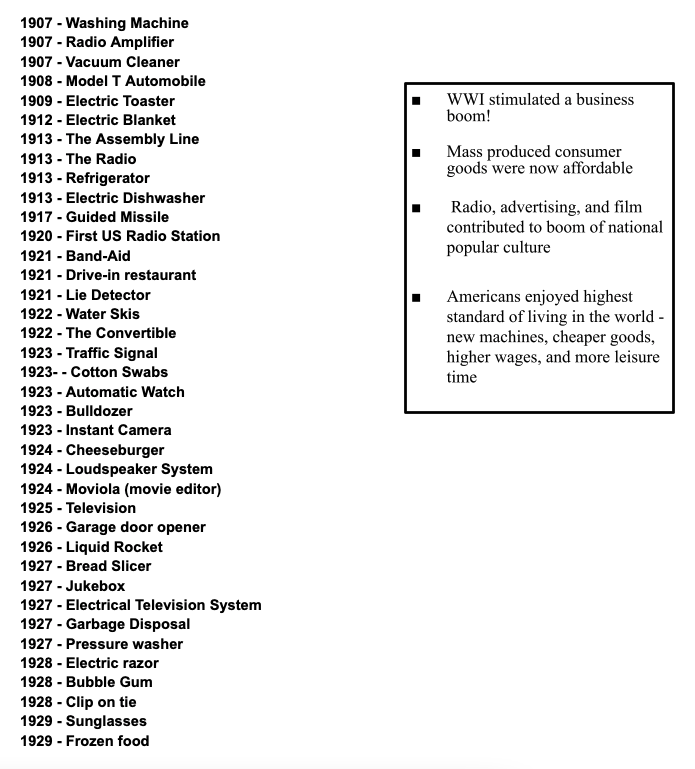
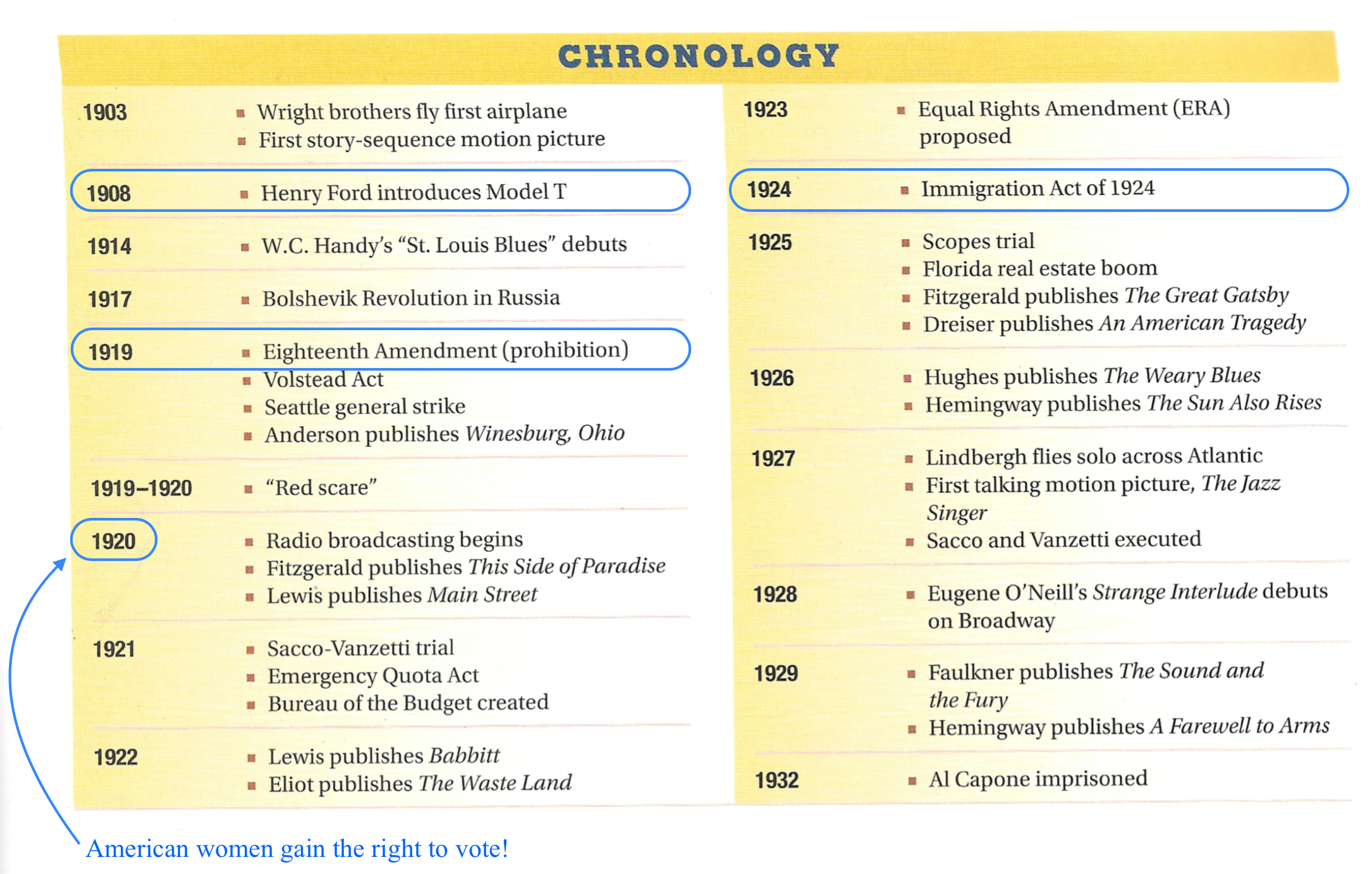
Look at the inventions timeline on the left.
0
0
Question 4
4.
This week, we will learn about the rise of consumerism, which is the belief that it is beneficial for people to spend a lot of money on goods and services. In the 1920s, Americans were so eager to buy the items listed above -- even if they really couldn’t afford it. Why do you think that is?
Well done! Now you might be wondering how Americans were convinced to buy so many goods, which is largely a result of the advertisments that emerged in this time period. Take a look at some examples here.
1
Question 5
5.
What do all of these 1920s advertisements have in common? What do these examples suggest about the values of American society in the Roaring 20s?
Question 6
6.
In what ways does the consumerism and advertisements of the 1920s persist today (100 years later)?
Use the "Show Your Work" function to share examples of similar modern advertisements with the class!

0
Question 7
7.
That's our classwork for Monday, 3/20/2022! Our new unit will cover the Roaring 20s, Great Depression, New Deal, and World War II.
Let Ms. Truong know if you are looking forward to learning about any topics in particular here.
1
IIUR.01
1
IIRC.02
1
IICI.01
1
IIRC.01
1
1
RWC.01
Remember this from our Reconstruction Gallery Walk?
Question 14
14.
0
Question 15
15.
That's all due for Thursday, 3/24! Any questions?
1
IIRC.01
1
IICI.01
Question 18
18.
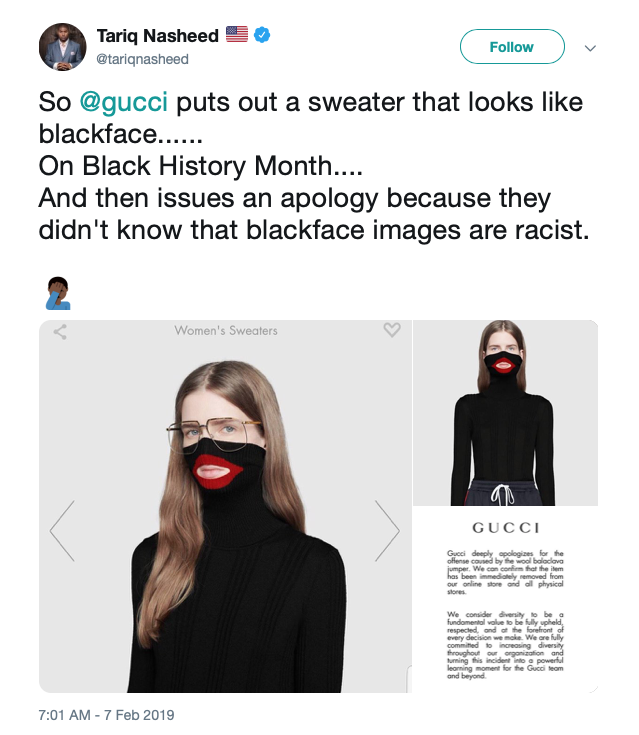
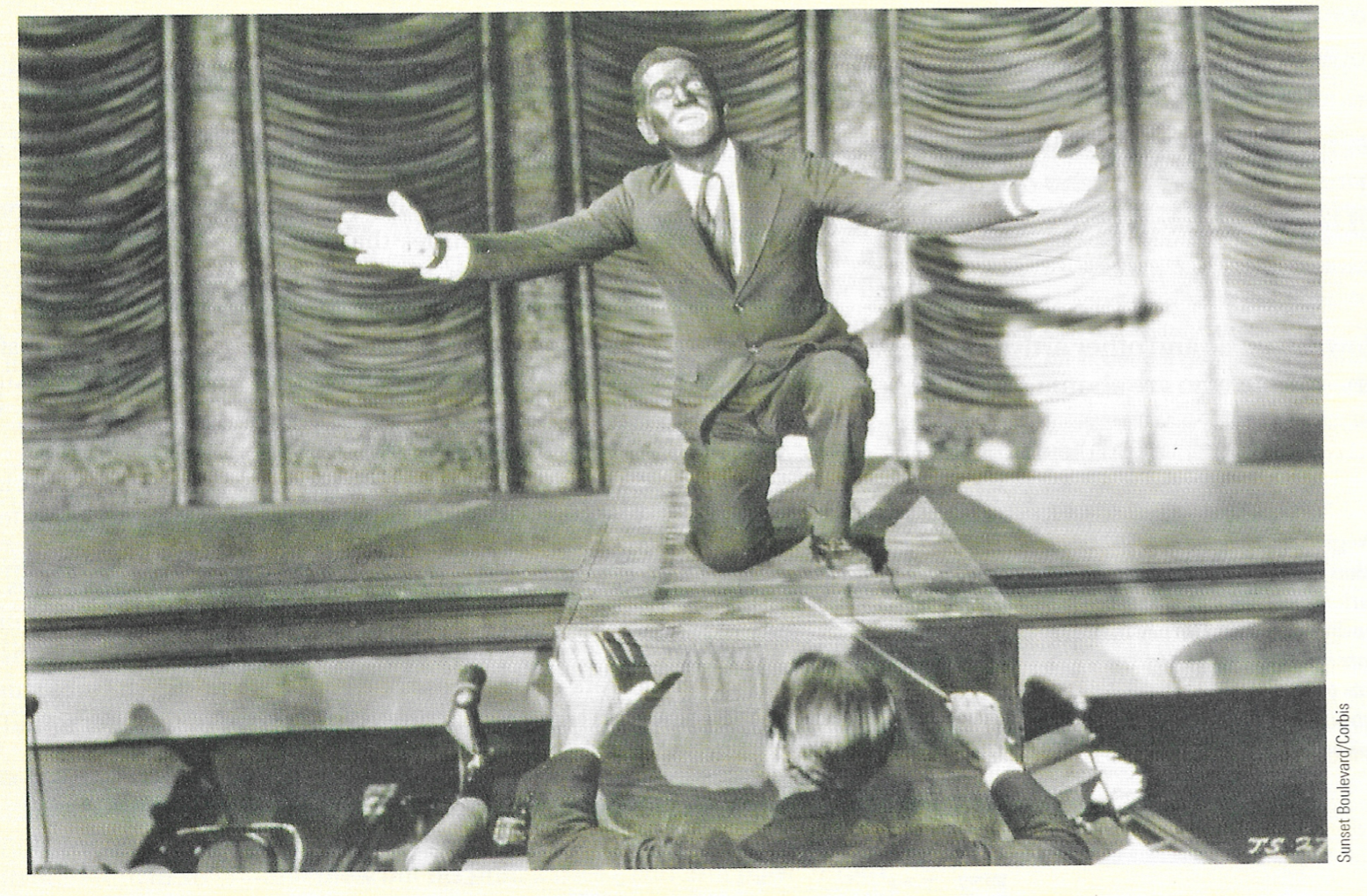
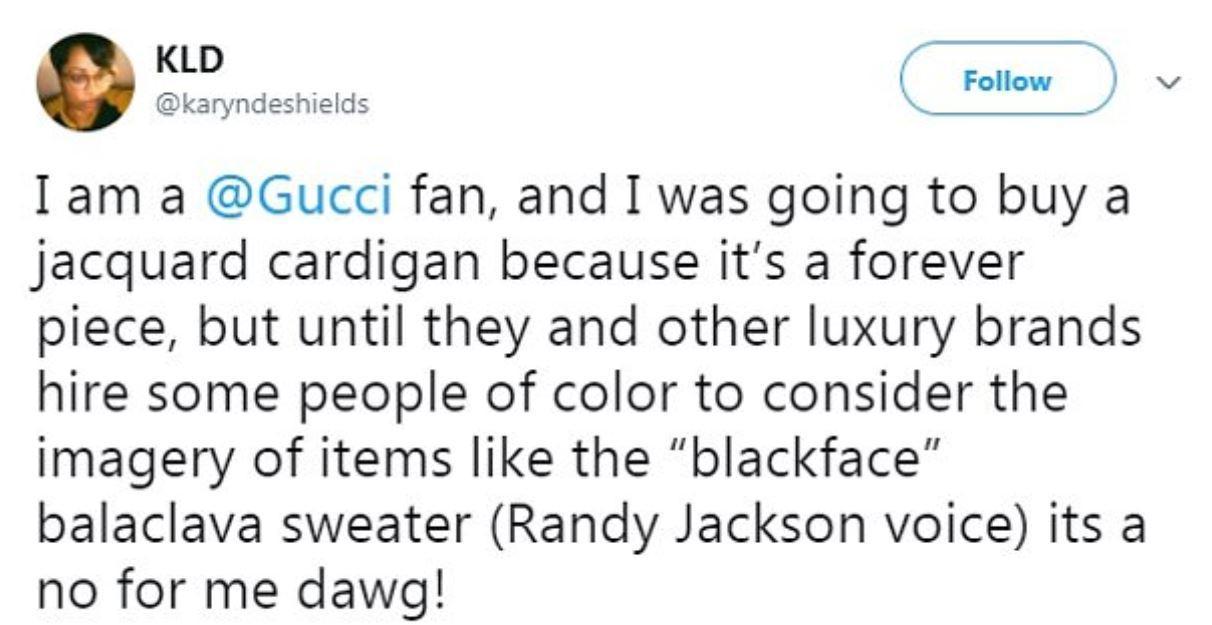
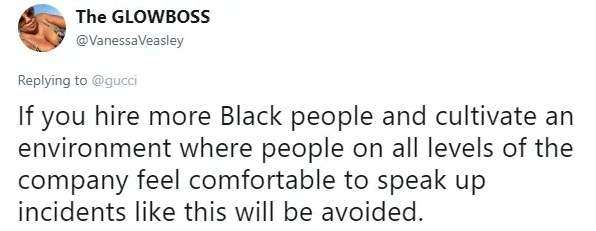
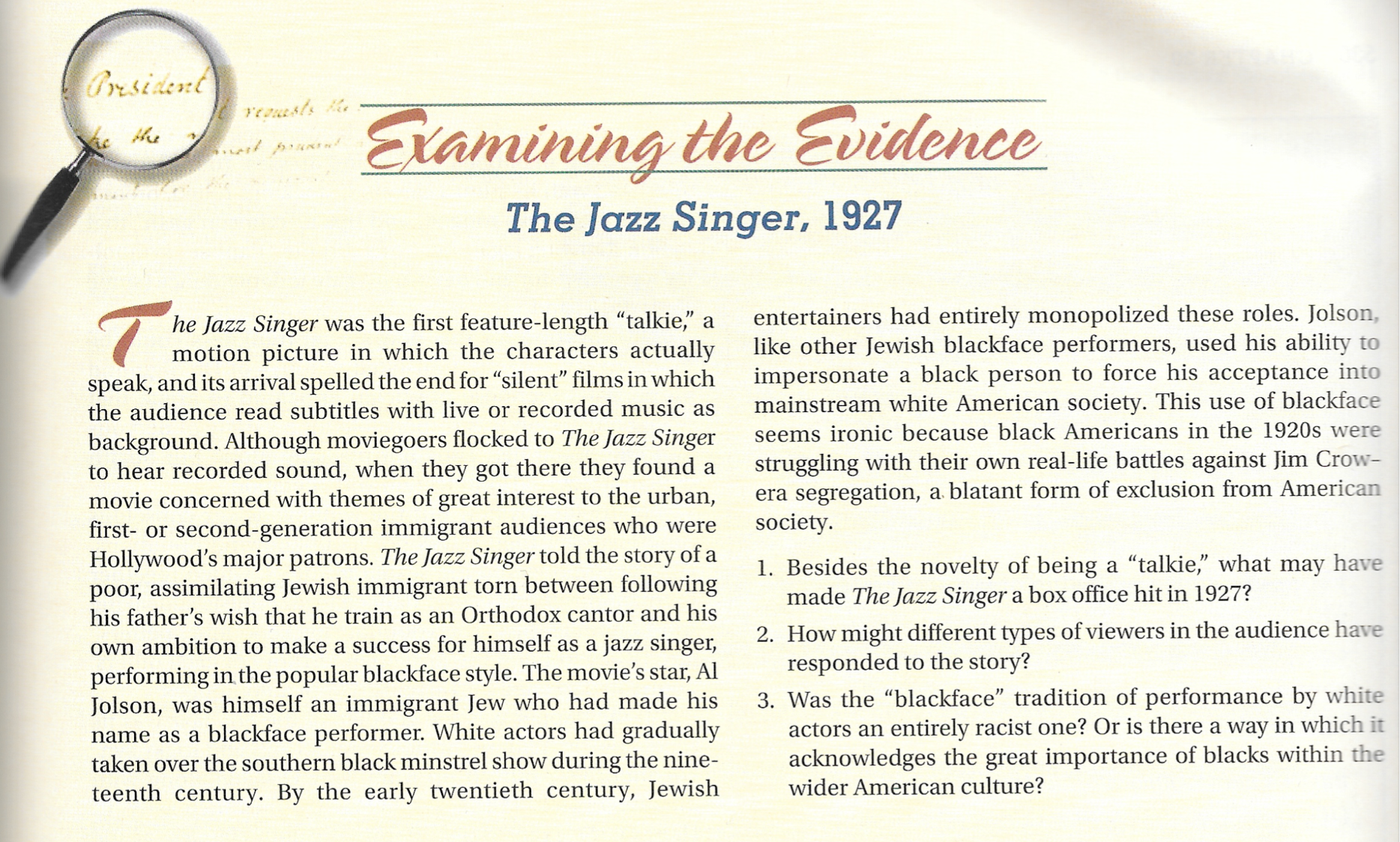
Don't be fooled by the questions in your history textbook. Blackface is still an issue today!
According to a New York Times poll from February 2019, 1 in 5 American adults have seen someone wear blackface in person. The findings were pretty even across genders, age groups, political parties, and education.
Question 19
19.
1
IIRC.01
1
IITE.01
1
IICI.01
1
IIRC.01
0
Question 24
24.
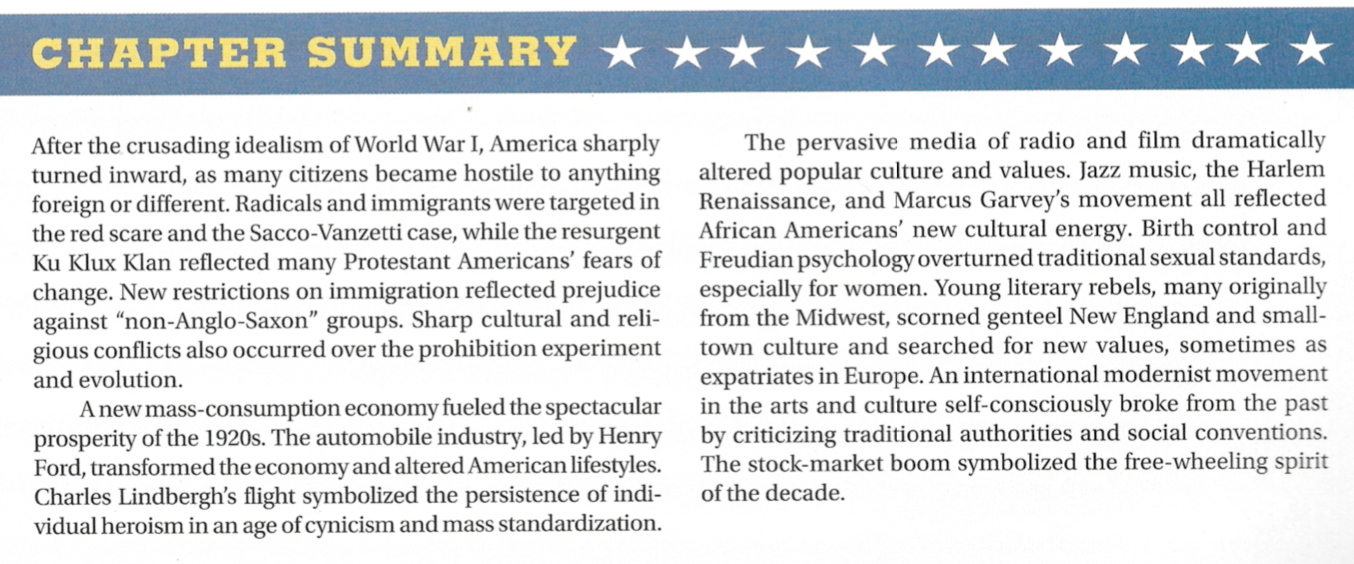
Excellent reading! Close out this Chapter by reviewing the "Chapter Summary" and using the "rectangle" tool to box the 5 most important key terms in the space provided.
0
Question 25
25.
That's all due for Friday, 3/25! Any questions about the reading that you want to go over in class?
Question 1
1.
What do you already know about World War I (either from prior knowledge or World History last year)?
Question 2
2.
How many objects do you currently use today?
Question 3
3.
Which three objects does your group use the most?
Question 8
8.
Question 9
9.
Question 10
10.
Question 11
11.
Question 12
12.
Question 13
13.
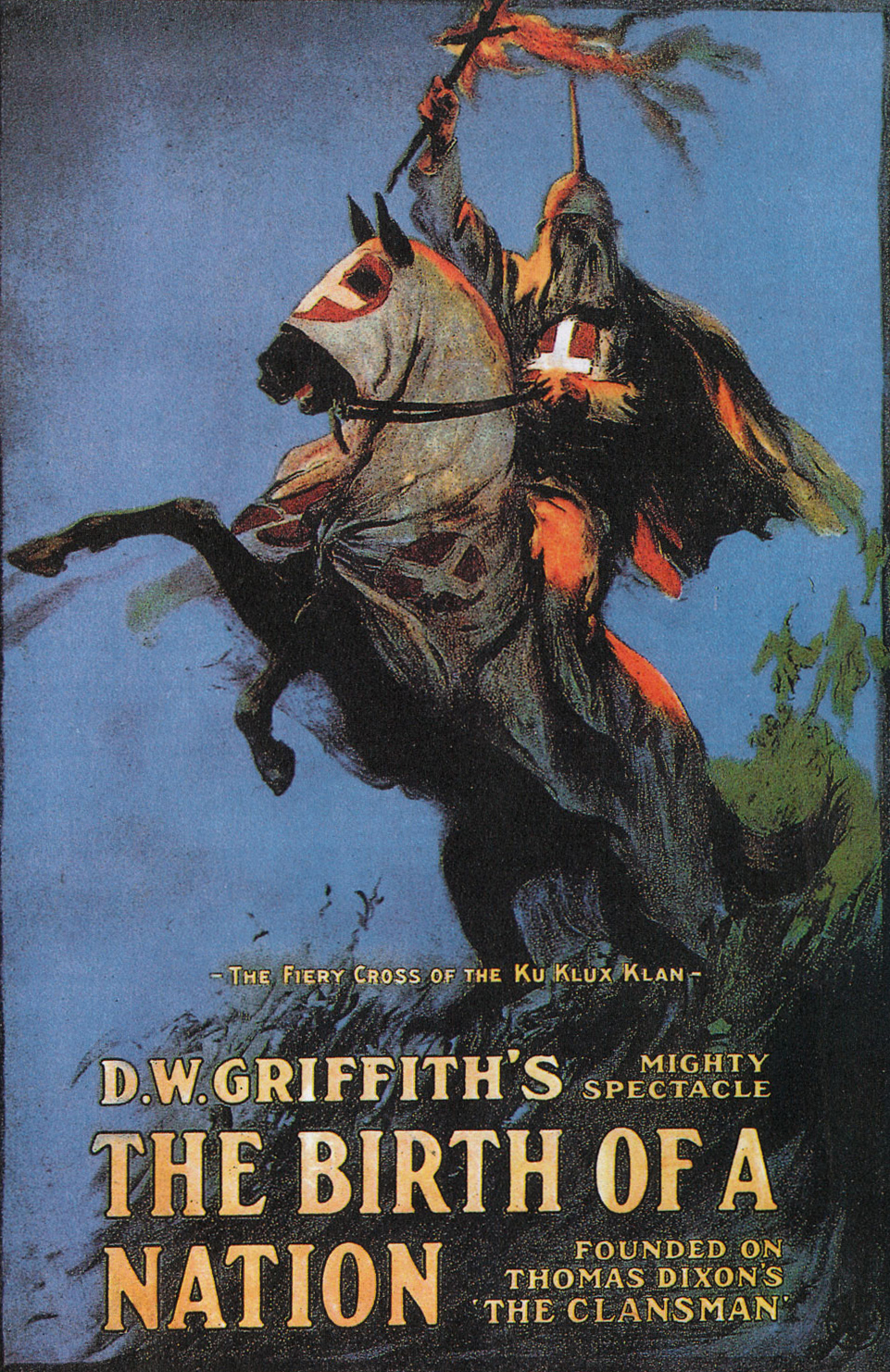
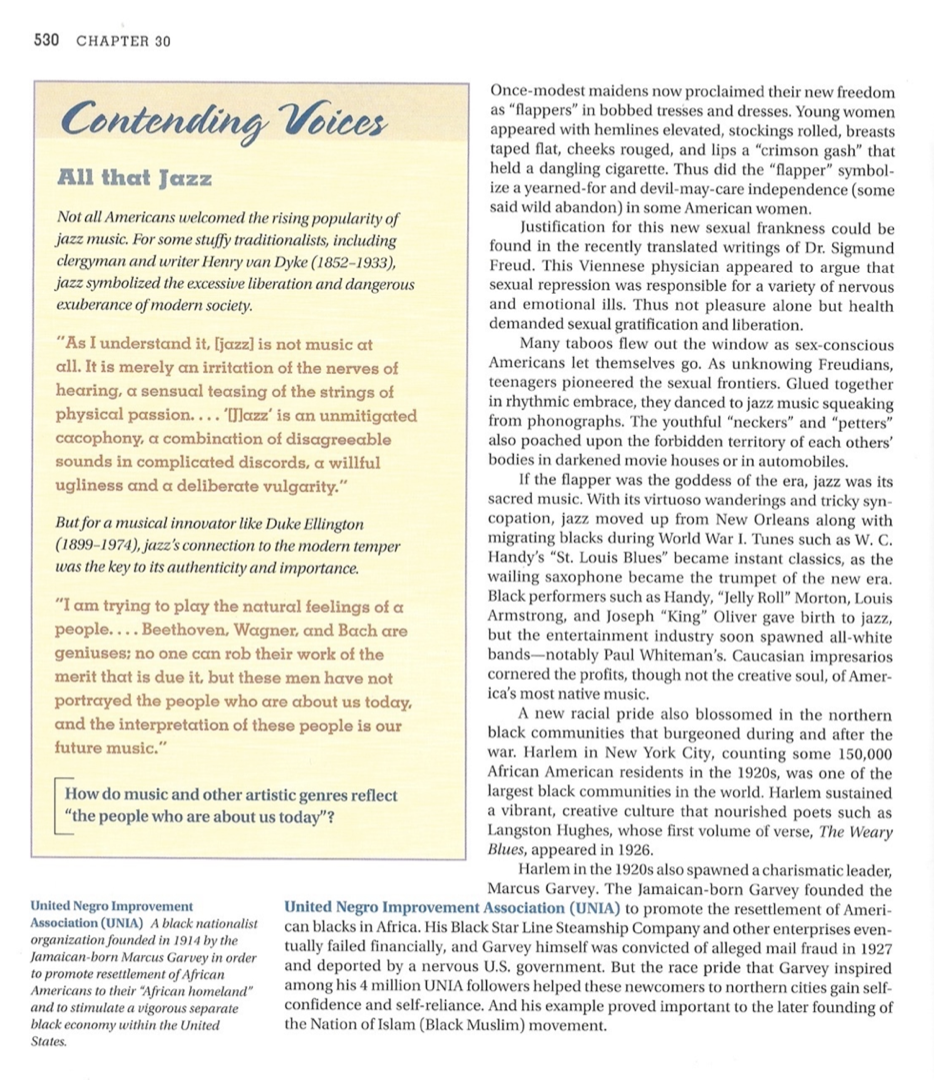
The passage suggests that Birth of a Nation by D.W. Griffith stirred extensive protest by African Americans because
the film glorified the KKK and portrayed blacks as corrupt politicians or rapists.
the film depicted Black leader Marcus Garvey in an unfavorable light.
it was heavily financed by white racist Hollywood film producers.
Griffith failed to give credit to Black civil rights leaders and activists.
Question 16
16.
Question 17
17.
Which choice provides the best evidence for the answer to the previous question?
Line 2-5 ("Young women... dangling cigarette")
Line 5-7 ("Thus did... American women")
Line 10-13 ("This Viennese... and liberation")
Line 21-24 ("If the.. World War I")
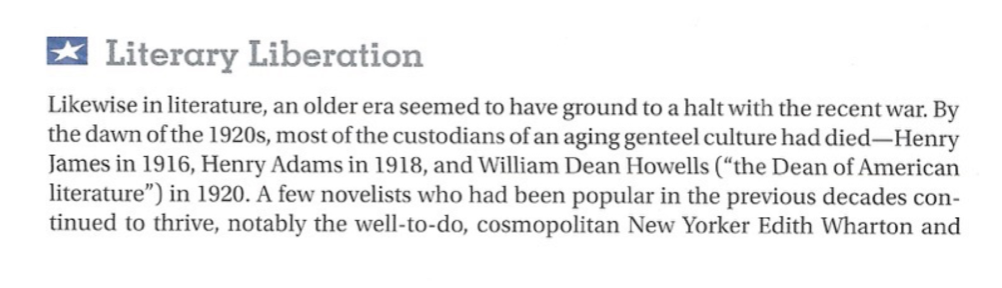
As used in line 1, "ground" most nearly means
landed.
slowed.
prevented.
prepared.
Question 20
20.
Question 21
21.
Question 22
22.
Question 23
23.
Review: The Prohibition movement stemmed from
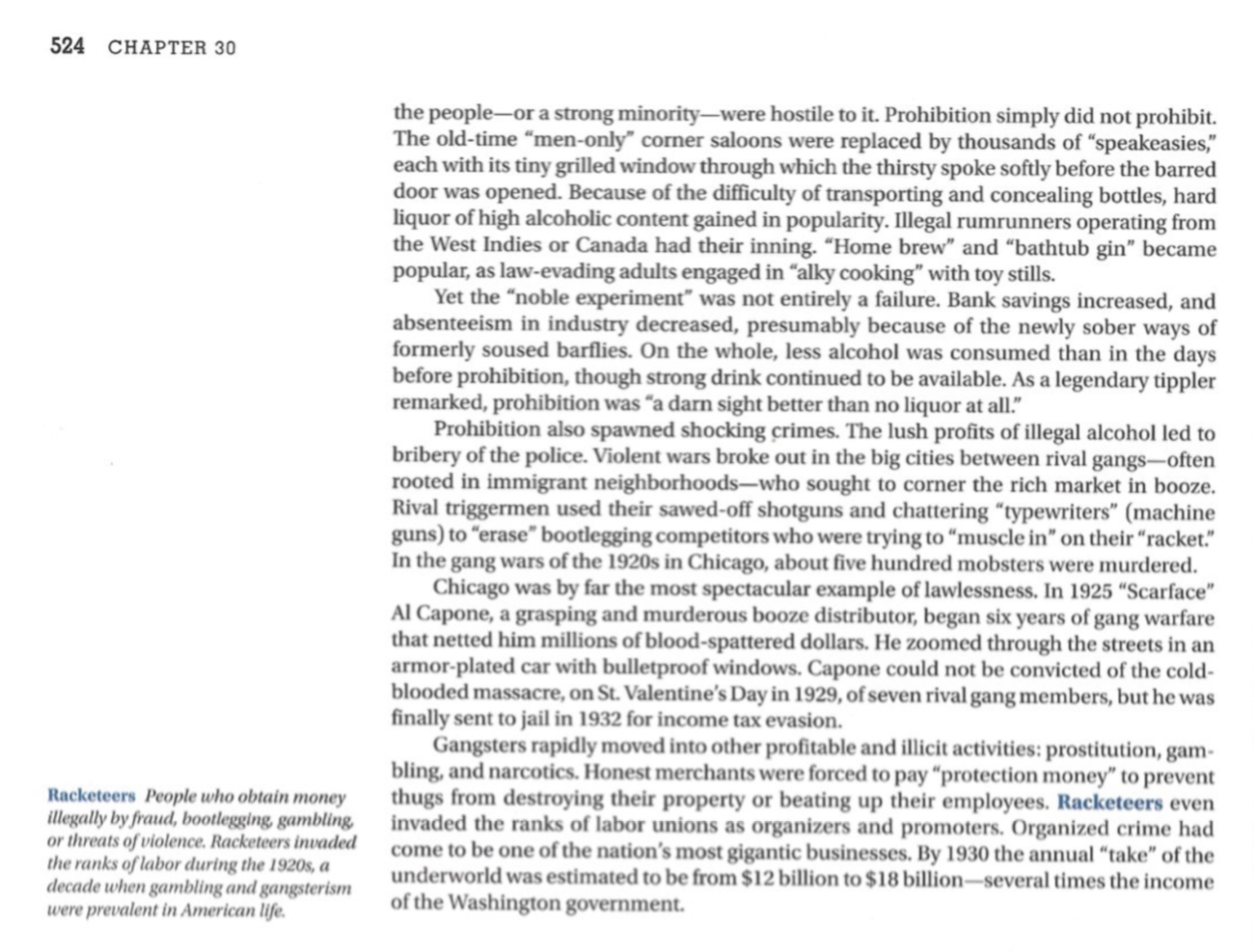
post-Civil War efforts to secure civil rights for newly emancipated Blacks.
increasing sectional divisions between the North and South in the Antebellum era.
the Reform Era Movement following religious revivals of the nineteenth century.
the rise of utopian social experiments in the early 1800s.
It can be reasonably inferred that, during the Prohibition era, organized crime
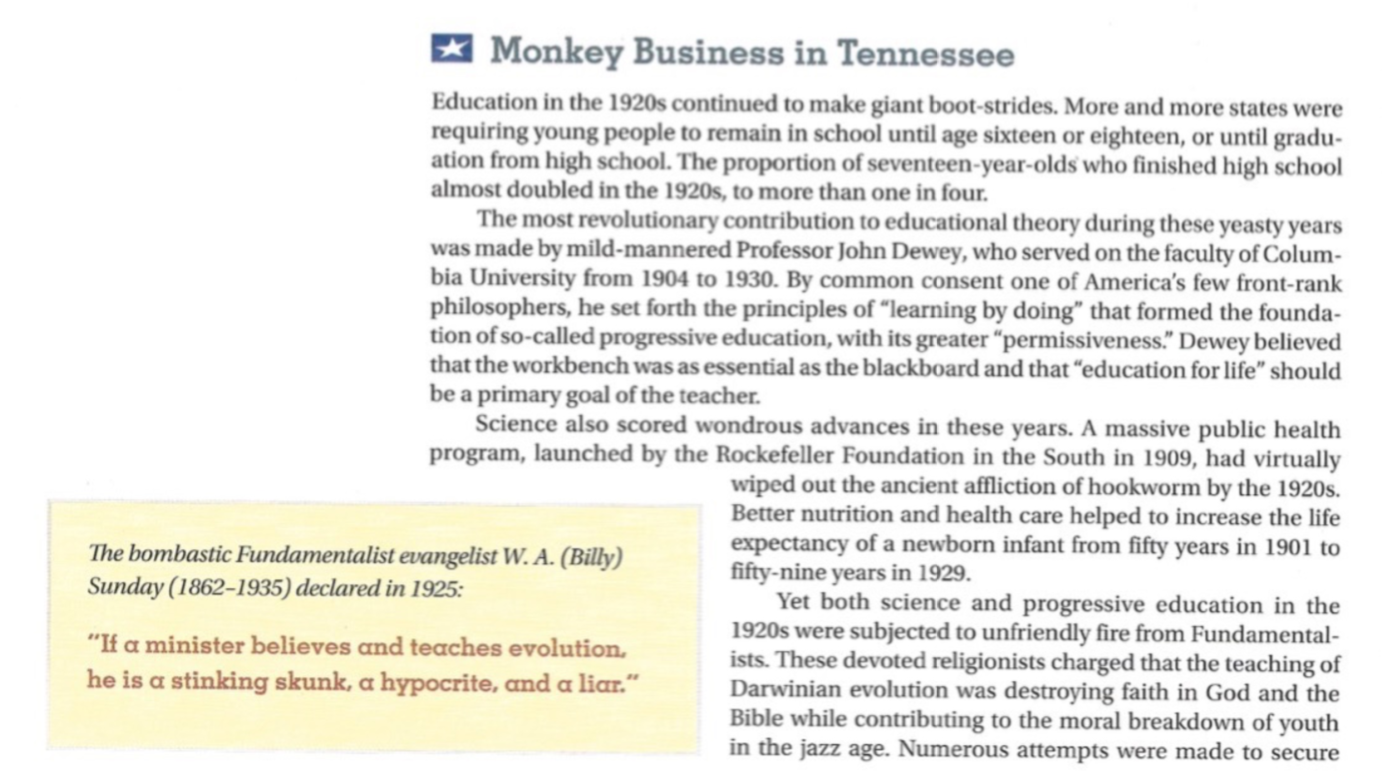
enjoyed one of its most peaceful and prosperous eras.
withered under heavier police scrutiny.
became one of the nation’s biggest and most lucrative businesses.
became exclusively associated with bootlegging.
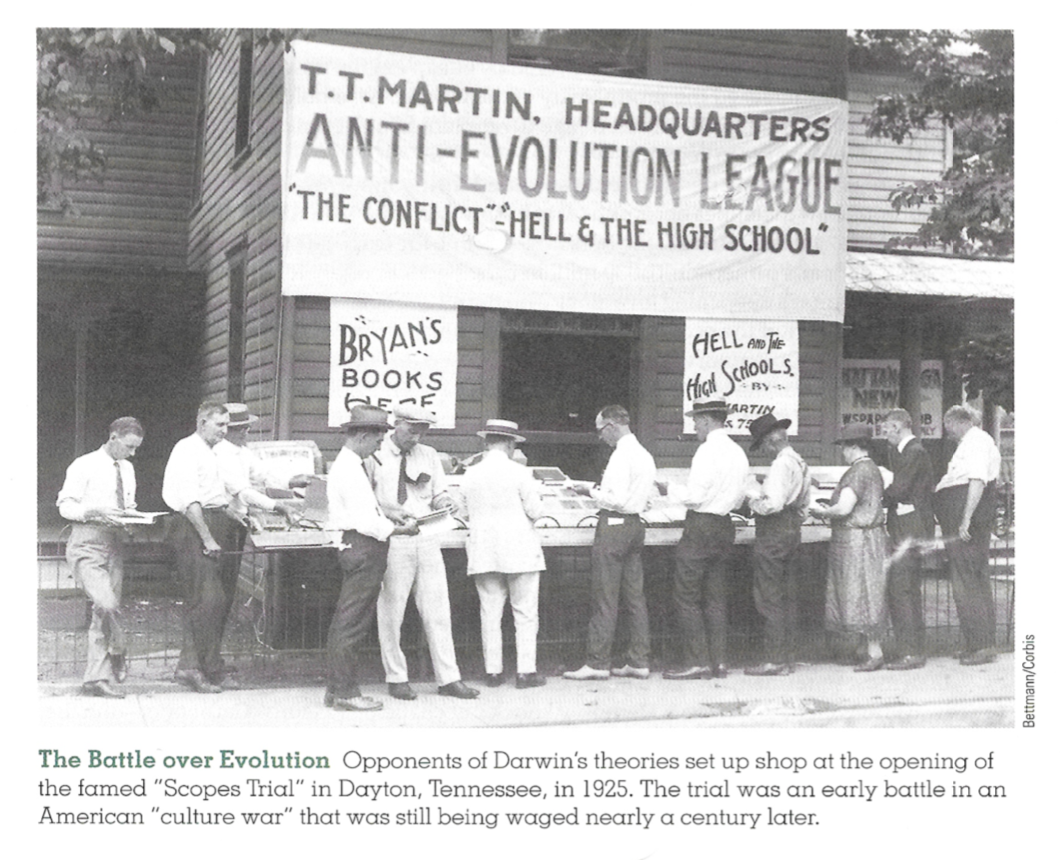
The central issue of the Scopes "Monkey Trial" was
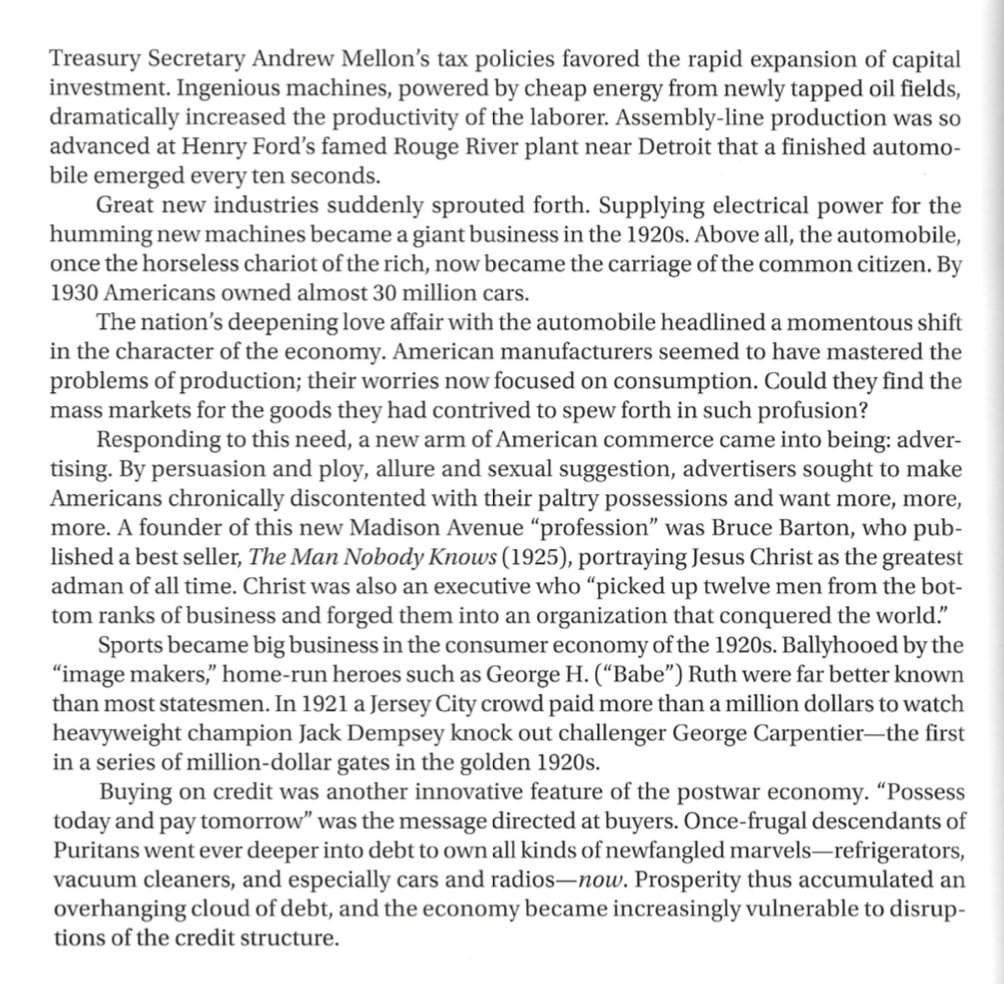
progressive reforms for education.
prayer in the public schools.
the constitutionality of Catholic schools.
teaching evolution in public schools.
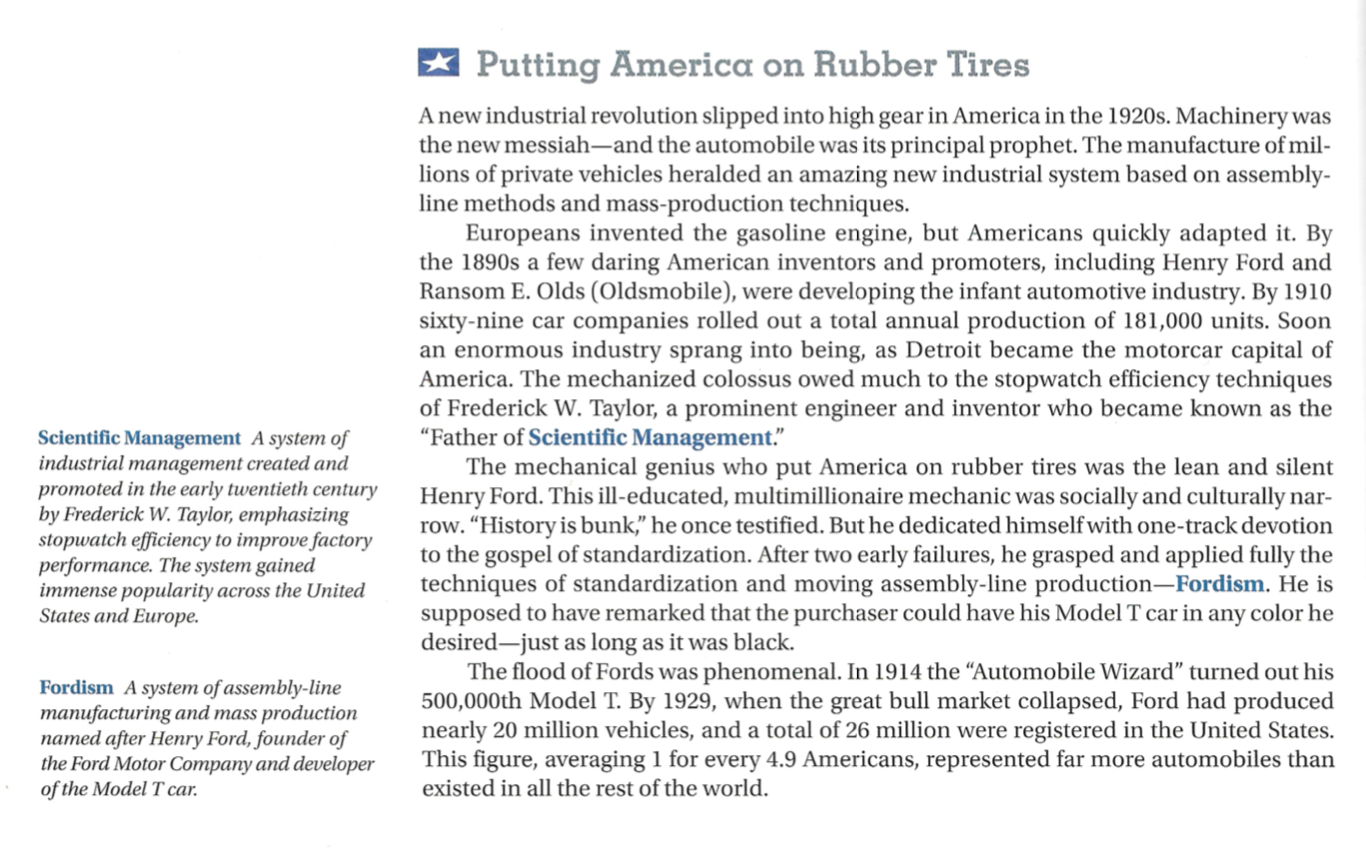
A significant cloud that hung over the prosperity of the 1920s was the
growing strength of labor unions.
increasing competition among business people.
heavy load of taxation on the middle class.
large accumulation of consumer debt.
As used in line 9, "badge" most nearly means
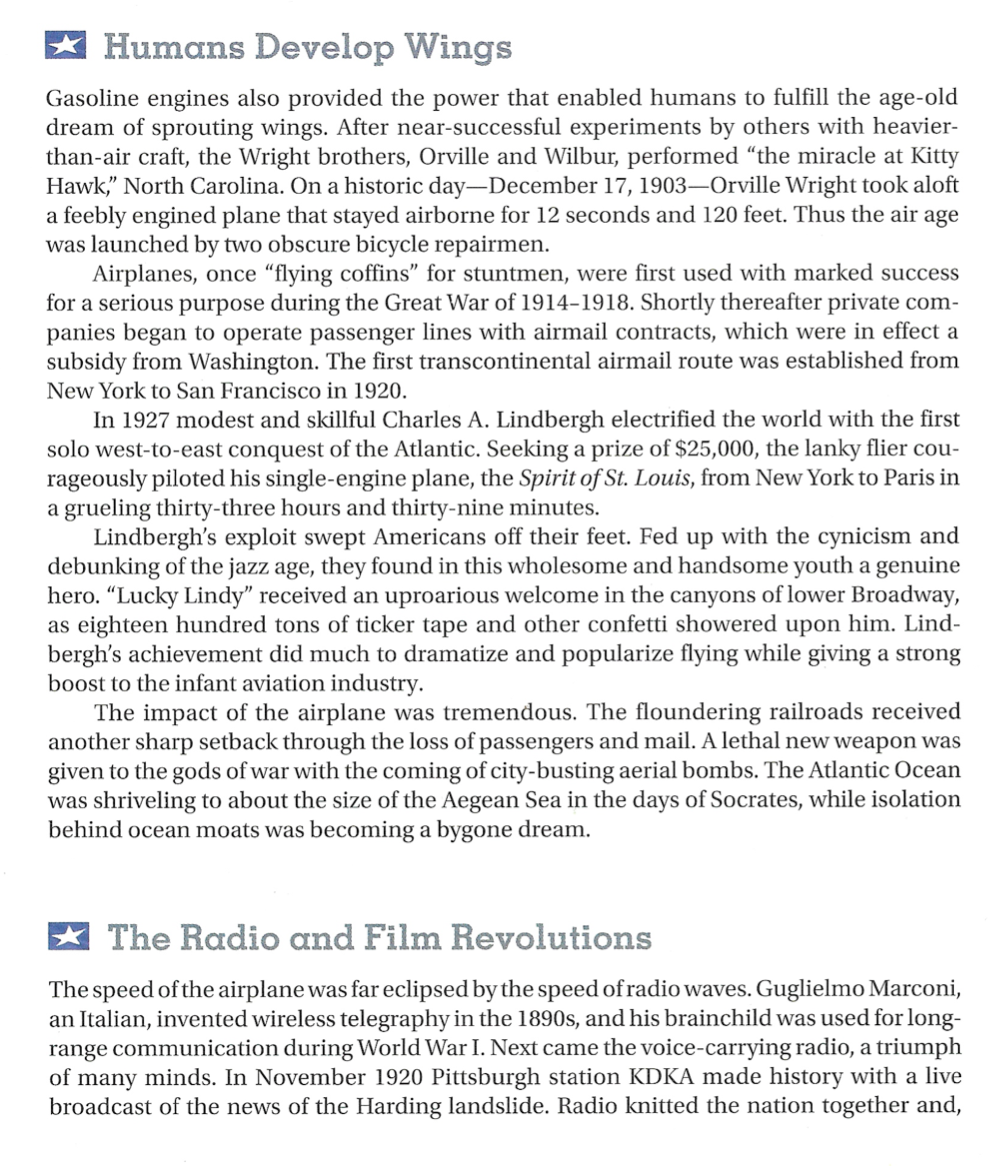
medallion.
symbol.
device.
brand.
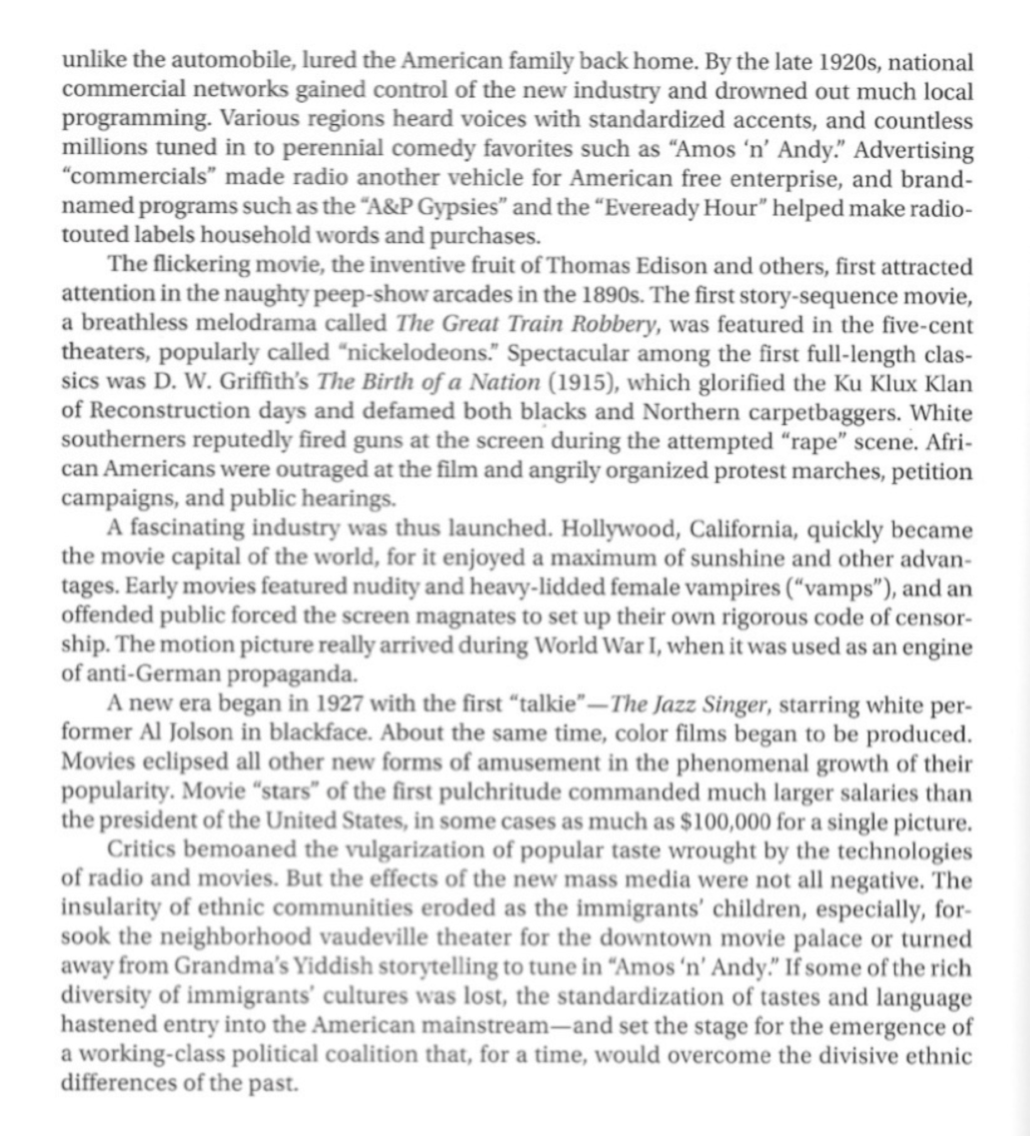
The author uses the phrase "flying coffins" (paragraph 2) mainly to suggest that
private airplanes were much safer than public airplanes.
airplanes were invented purely to profit from the talents of stuntmen.
there was a natural progression from stunt planes to transcontinental airmail.
the first prototypes of airplanes were quite dangerous.
The passage indicates that female activist Margaret Sanger was known for her advocacy of
free love.
women's suffrage.
birth control.
equal pay for equal work.
The passage is primarily focused on establishing the 1920s “flapper” as a symbol for
the growing influence of modernist literature.
many women’s new sense of independence and daring.
a triumph of progressive education.
the end of mass migration.
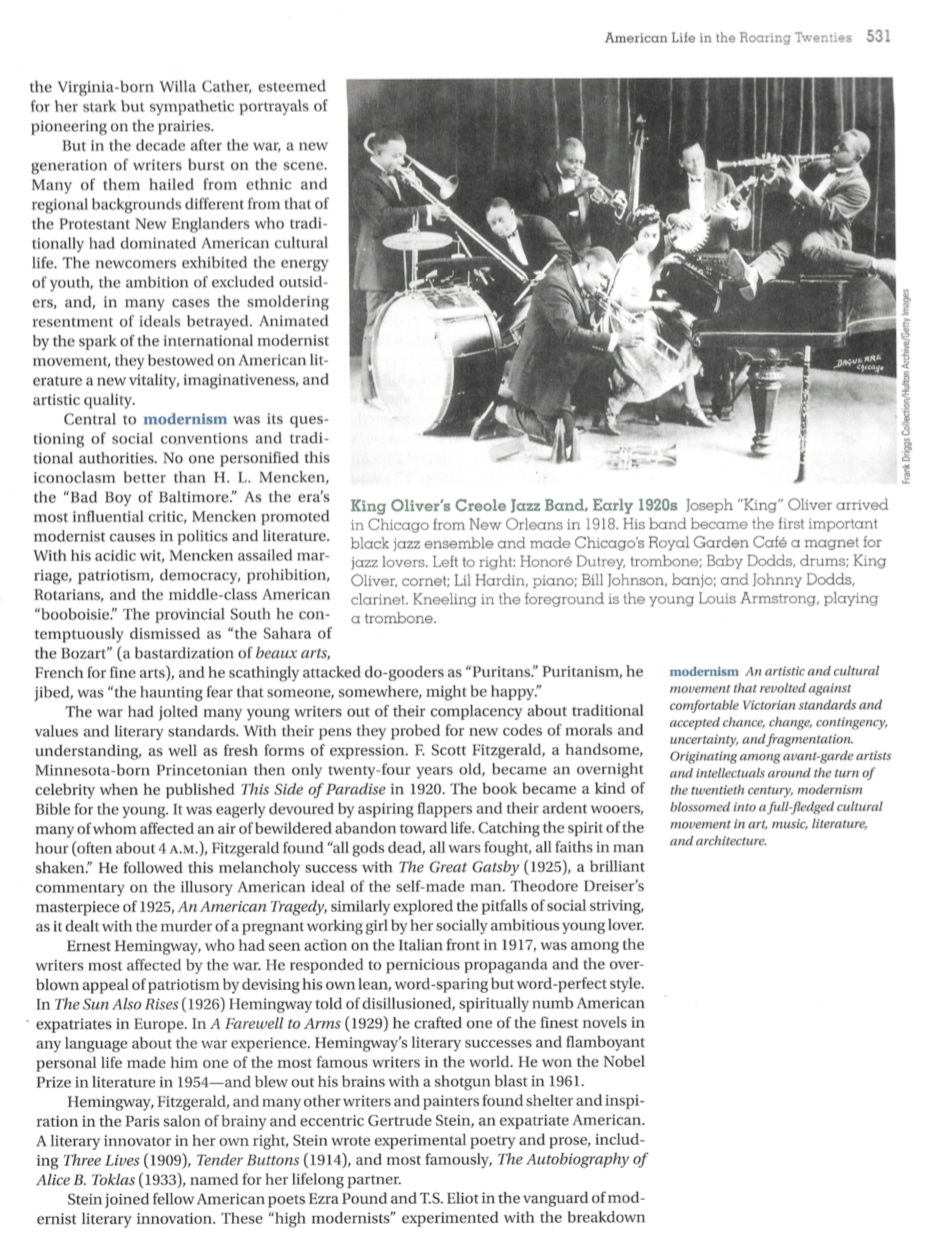
The passage suggests that a key feature of modernism was its
rejection of religion.
patriotism and a rejection of internationalism.
questioning of social conventions and traditional authorities.
preference for the novel over other forms of writing.
Which choice provides the best evidence for the answer to the previous question?
Line 13-17 ("Animated by... artistic quality")
Line 20-24 ("No one... and literature")
Line 31-32 ("Puritanism, he... be happy")
Line 33-35 ("The war... of expression"
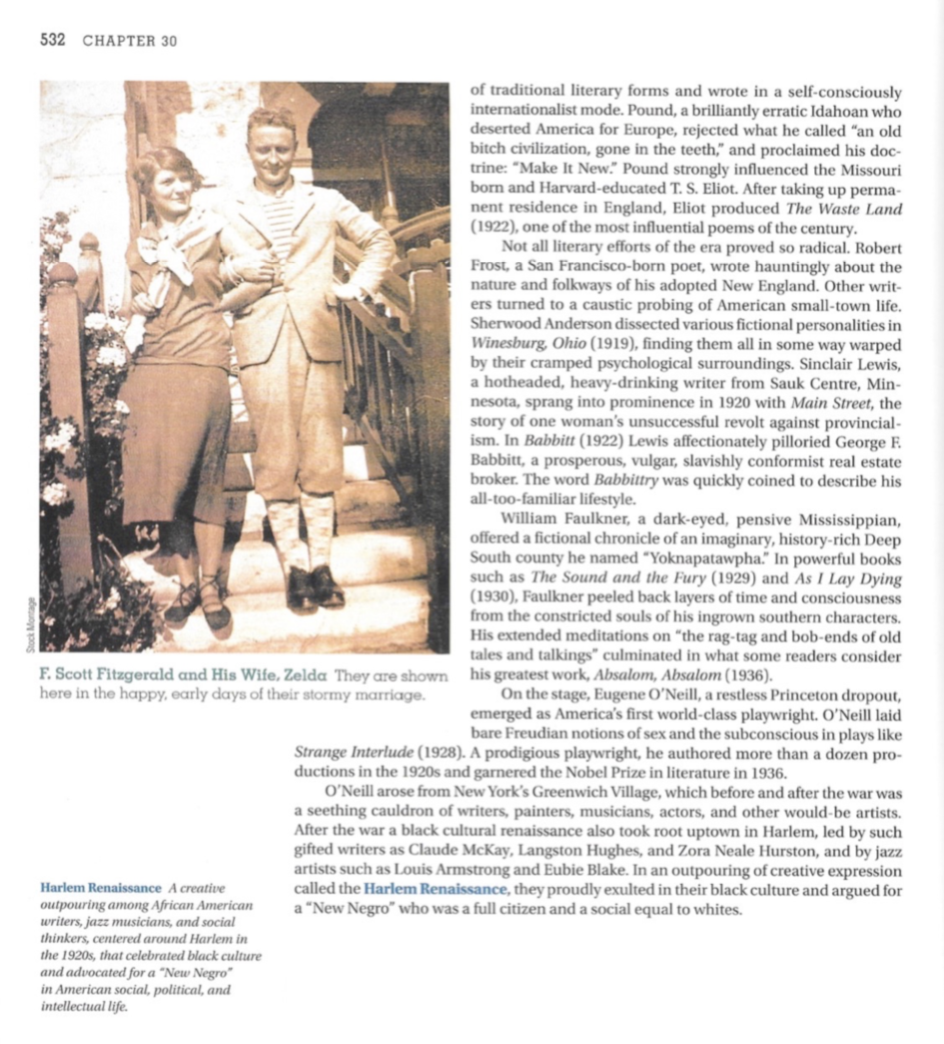
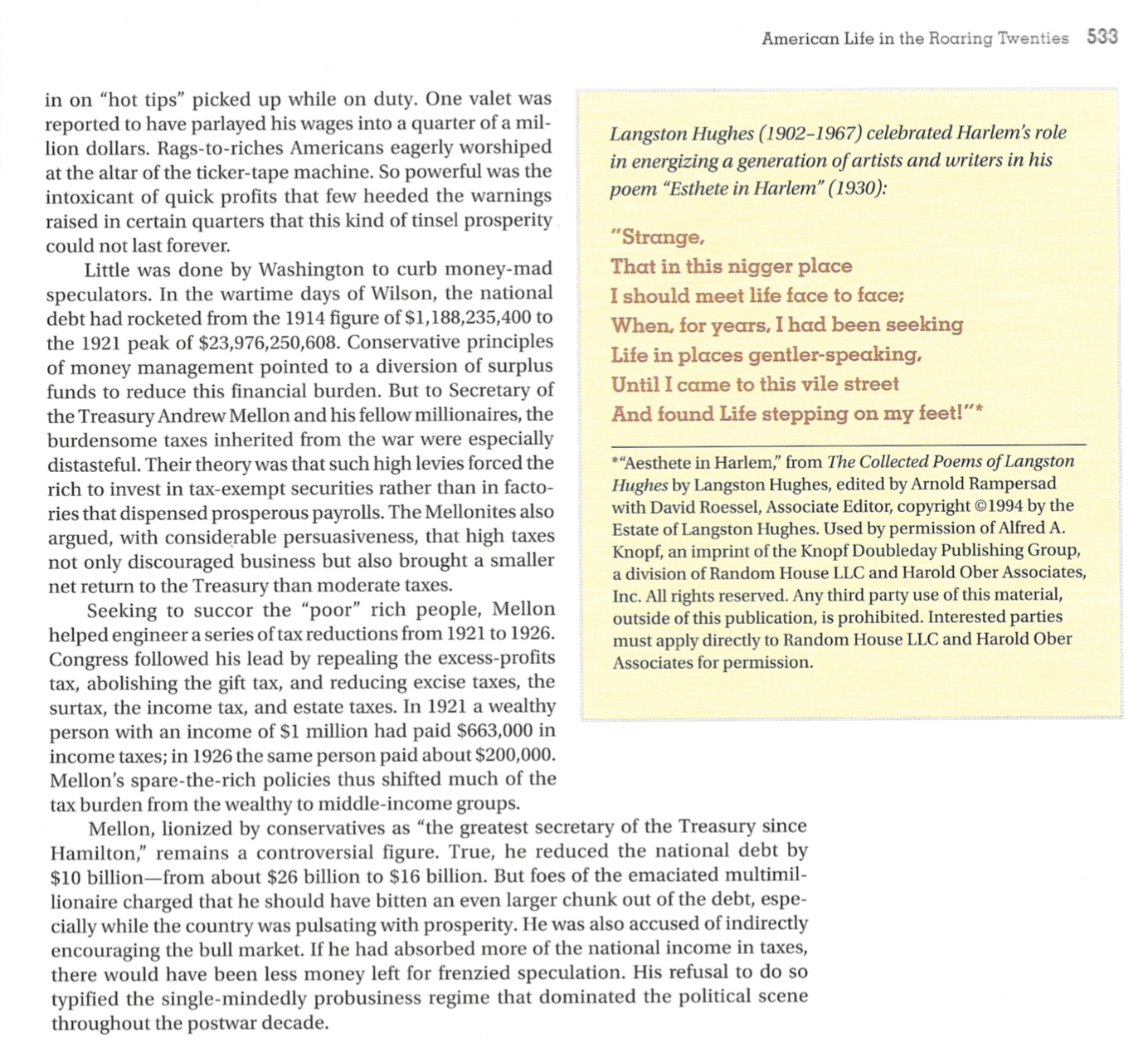
The Harlem Renaissance can be best described as
a collective effort to resist racism and segregation in the Northern part of the United States.
the mass migration of Blacks from the American South to northern sections of New York City.
a celebration of Black culture and creative expression of a prominent and vibrant Black community.
Marcus Garvey's "Back to Africa" movement, which promoted the resettlement of American Blacks in Africa.