Twa kɔ nsɛm atitiriw so
Log in
Sign up for FREE
arrow_back
Laabri

6CW3- Tinkering with a Circuit

star
star
star
star
star
Last updated about 4 years ago
20 Nsɛmmisa
0.5
0.5
0.5
0.5
0.5
0.5
0.5
0.5
0.5
0.5
0.5
0.5
0.5
0.5
0.5
0.5
0.5
0.5
0.5
0.5
Asemmisa {{asɛmmisaAhyɛnsode}}
1.

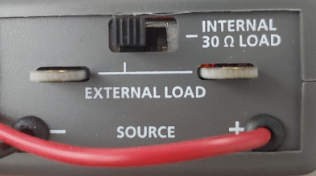
Use the Go Direct Energy Sensor. Set the switch to internal load = 30 Ω
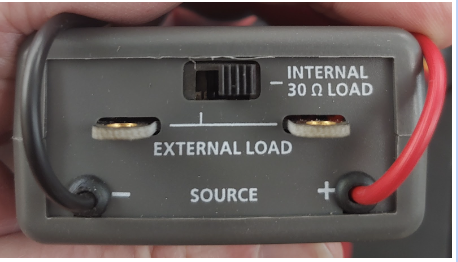
Measure the Voltage of several kinds of batteries. Write down the voltage.
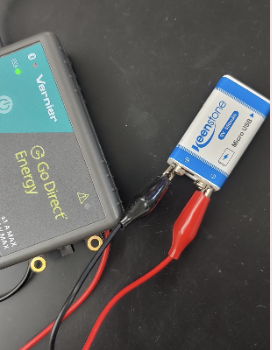
• Touch the Black wire to the — (negative) terminal

• Touch the Red wire to the +(positive) terminal

Record your findings in the data table.
Asemmisa {{asɛmmisaAhyɛnsode}}
2.

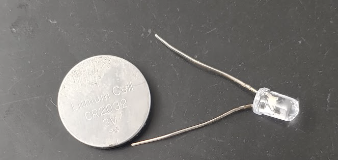
Use an LED (light emitting diode) and a 3V flat battery to make a VERY simple circuit.

What do you notice about where the LED MUST be placed to light up?

Asemmisa {{asɛmmisaAhyɛnsode}}
3.

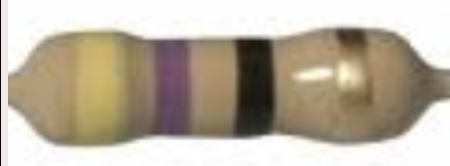
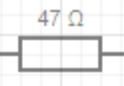
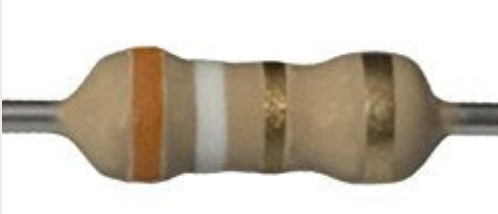
Add a 47 Ohm all resistor to the circuit. Check the colors carefully. You have more than one at your station.

Insert a picture of your circuit.

Asemmisa {{asɛmmisaAhyɛnsode}}
4.

What is a circuit?

Asemmisa {{asɛmmisaAhyɛnsode}}
5.

Slide the Internal load switch to the left.

Touch the black and red wires from the Energy sensor on either side of each component. Write down the voltage that shows over each part.

a. The resistor

b. The LED

c. The cell

If you get a zero volts reading, flip the position of the black and red wires.

Reference Site for Reading Resistances

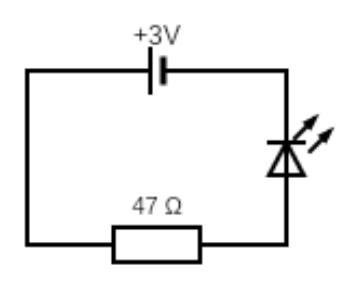
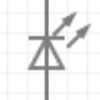
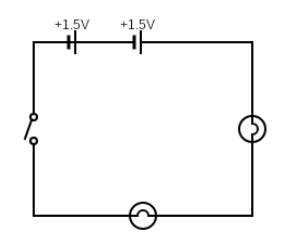
To show the important parts of a circuit, a circuit diagram is used. It just shows where each component is. It is not meant to be a realistic/artistic version, but a way of giving clear instructions.

Describe what you think each symbol means.

Asemmisa {{asɛmmisaAhyɛnsode}}
6.

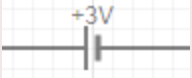
Describe what you think this symbol means.

Asemmisa {{asɛmmisaAhyɛnsode}}
7.

Describe what you think this symbol means.

Asemmisa {{asɛmmisaAhyɛnsode}}
8.

Describe what you think this symbol means.

Asemmisa {{asɛmmisaAhyɛnsode}}
9.

Describe what you think this symbol means.

Asemmisa {{asɛmmisaAhyɛnsode}}
10.

Test another 1.5 V cell to make sure that it’s charged (it should read 1.2 volts or more)

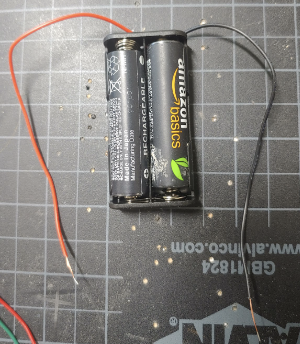
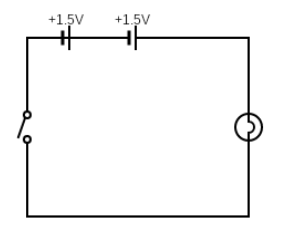
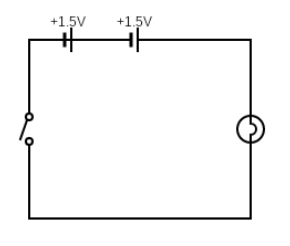
Replace your flat 3V cell with a two-cell battery pack. Make a circuit with a regular bulb, two 1.5 v cells and a switch.

Insert a picture of your circuit.

Asemmisa {{asɛmmisaAhyɛnsode}}
11.

Identify the switch in the circuit diagram.

Asemmisa {{asɛmmisaAhyɛnsode}}
12.

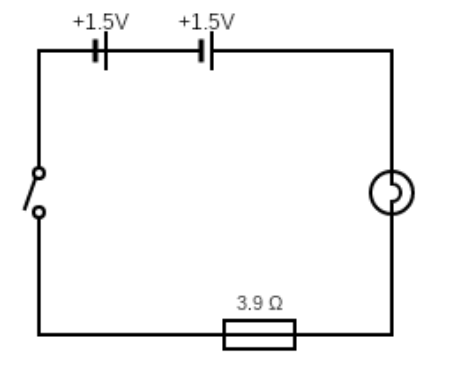
Add a 3.9 Ohm resistor to your circuit.

When it’s ready, insert a picture of it.

Asemmisa {{asɛmmisaAhyɛnsode}}
13.

How has the bulb’s brightness changed?

Asemmisa {{asɛmmisaAhyɛnsode}}
14.

Try placing the resistor in different places in the circuit. Does it appear to change the bulb brightness in different locations?

Asemmisa {{asɛmmisaAhyɛnsode}}
15.

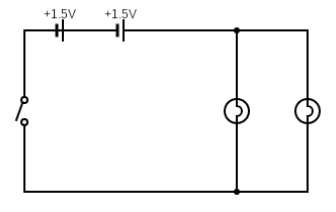
Now put two bulbs side-by-side in a circuit, with no resistor.

Insert a picture of your circuit.

Asemmisa {{asɛmmisaAhyɛnsode}}
16.
Asemmisa {{asɛmmisaAhyɛnsode}}
17.

How has the bulb’s brightness changed with this set up?

Asemmisa {{asɛmmisaAhyɛnsode}}
18.

Change the way that the bulbs are connected so that they are set up one after the other.

Insert a picture of your circuit.

Asemmisa {{asɛmmisaAhyɛnsode}}
19.

How has the bulb’s brightness changed with this set up?

Asemmisa {{asɛmmisaAhyɛnsode}}
20.

Give two examples from this experiment of one type of energy being changed into another type.