Homework: The Formation of Hurricanes

Last updated 7 months ago
25 questions

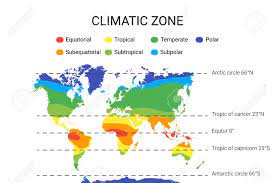
Hurricanes start out over warm, tropical ocean water. At first, they are just small disturbances in the air. Heat from the ocean water warms the air above it. Evaporating seawater gives energy to the growing storm. These huge storms can bring heavy rainfall, giant waves, and powerful winds to the land in their path.
1
1

Hurricanes start over warm tropical ocean water. Do a google image search of "tropical ocean waters" and attach an image here.

2
1
Evaporating seawater gives energy to the growing storm.

What does evaporation mean here?

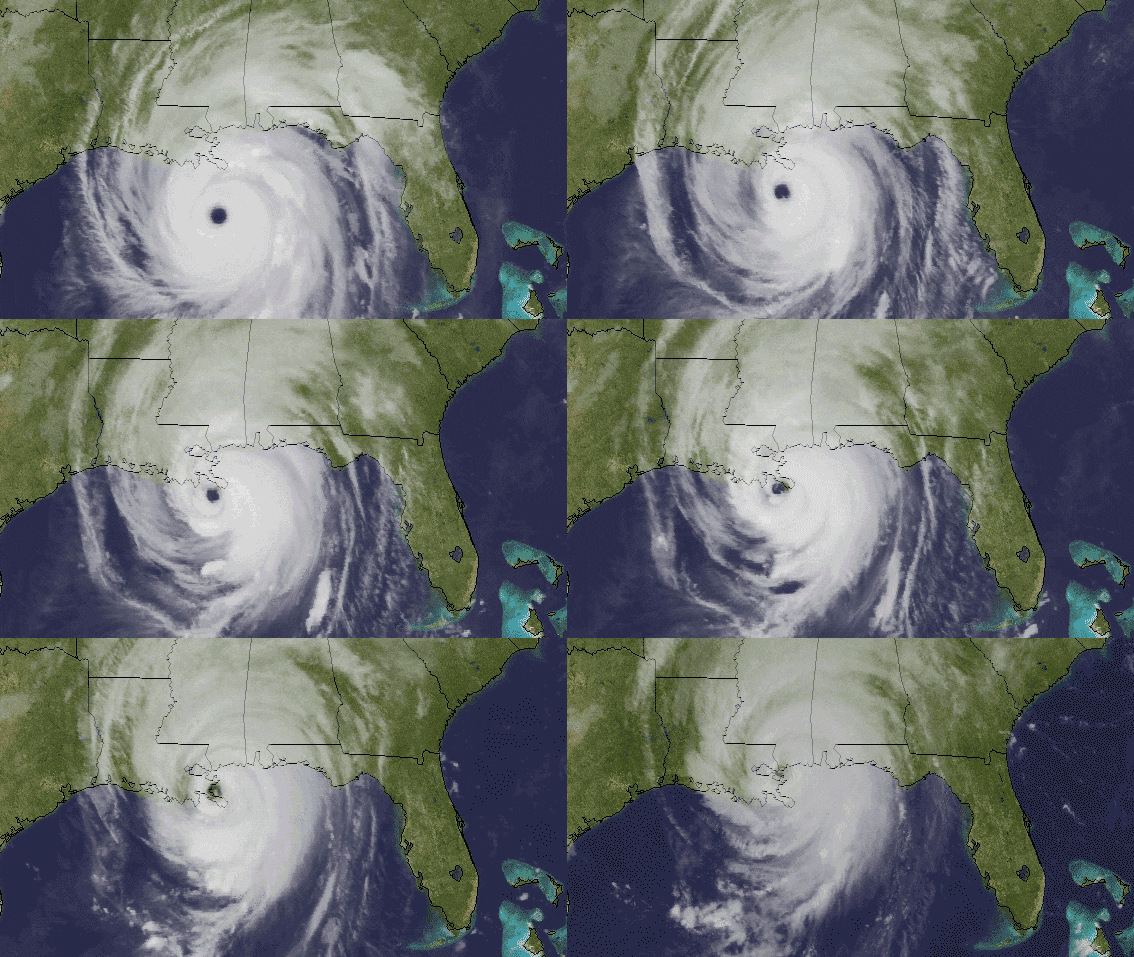
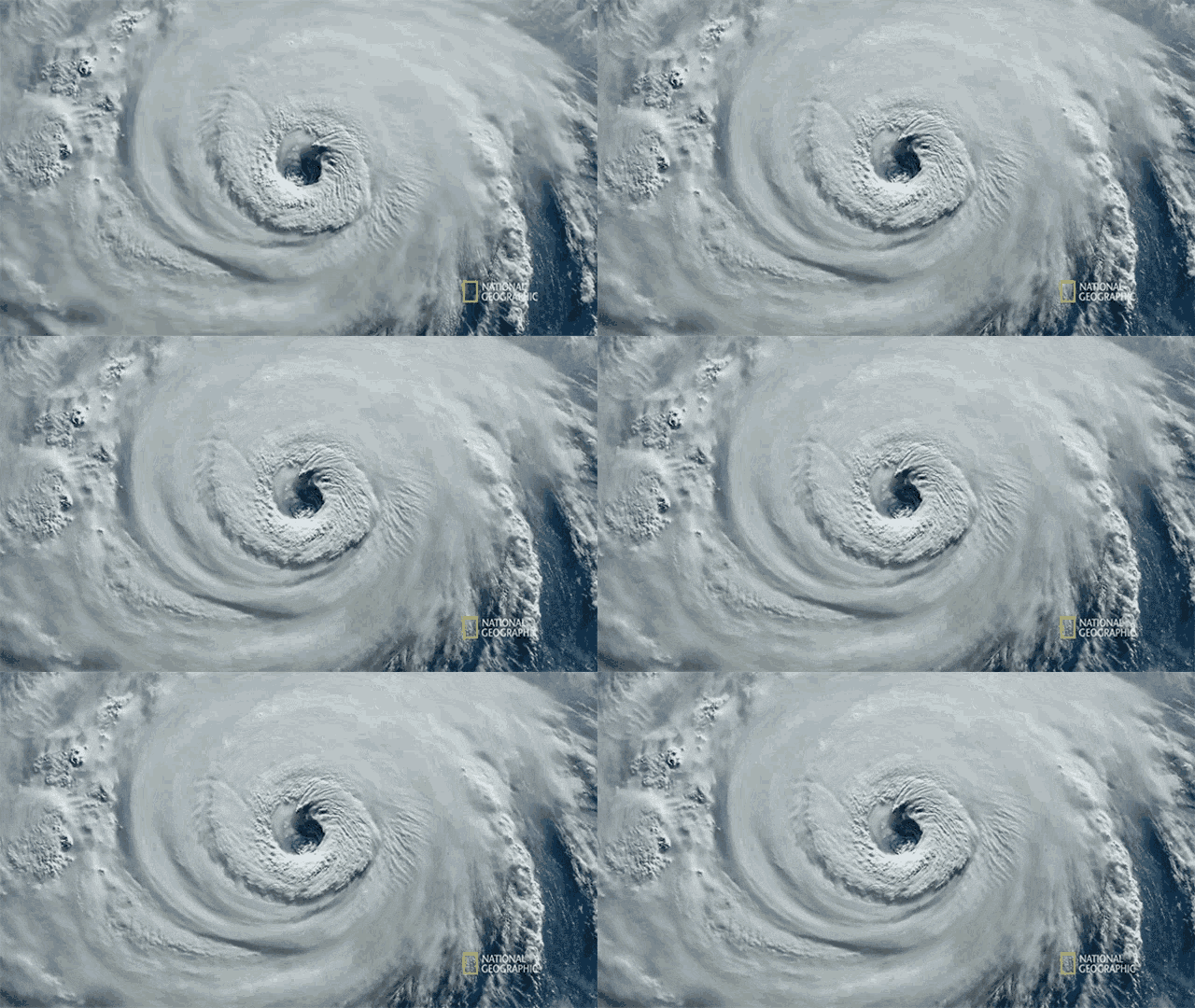
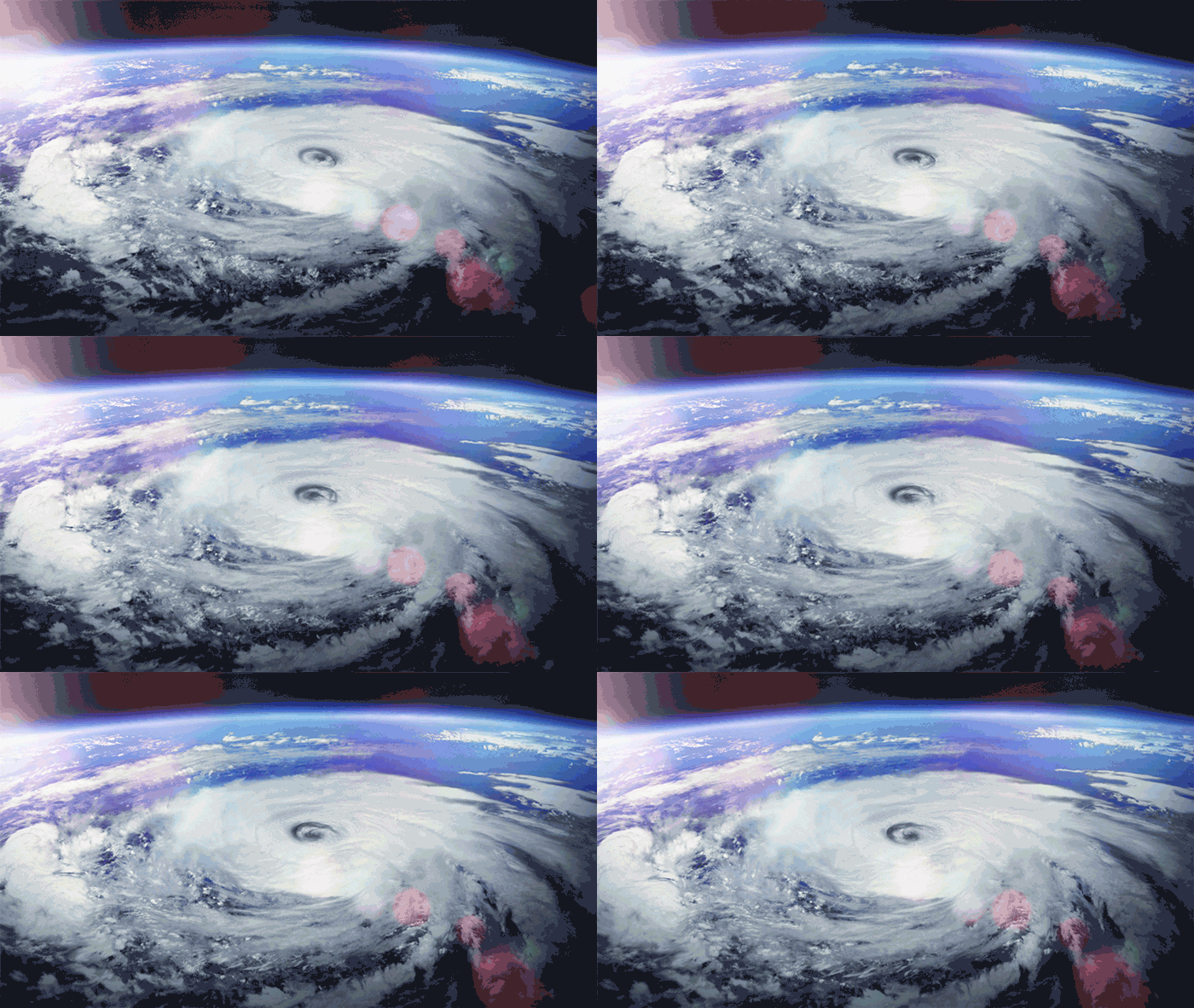
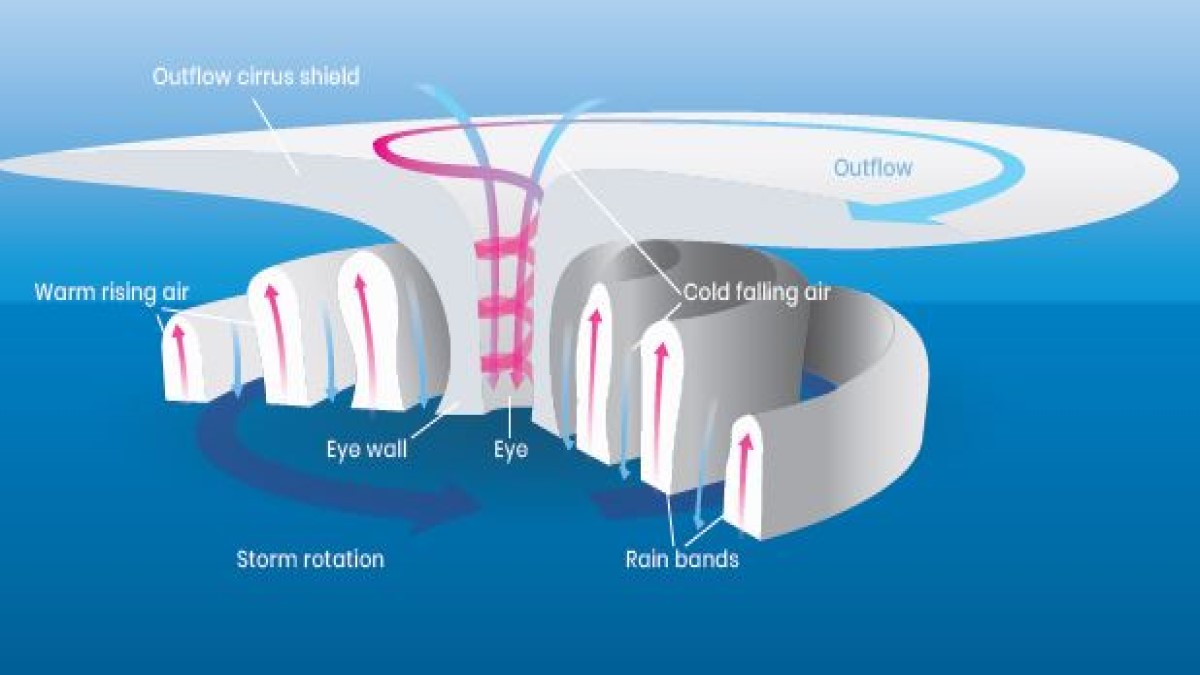
The center of a hurricane has the lowest air pressure. This center is called the hurricanes eye. It is the calmest part of the storm. The air is surprisingly still, and there are no clouds. The storm swirls around the eye, rotating counterclockwise.

1
1
The calmest part of the hurricane is the ___________________. This is located in the ___________ of a hurricane. The air here is __________ and there are not very many clouds.
Other Answer Choices:
still
centeraccomodon
crazy
center
hurricanes eye
1

Create an image of hurricane and
* Label the eye of the hurricane.
* Make sure the hurricane is rotating counterclockwise.

Hurricane season usually starts in the beginning of June. It lasts until the end of November. Some years, many storms develop. Other times only a few storms form. Year after year, these violent storms have made their way onto shore, causing death and destruction. They do not just affect the coastline. Hurricanes continue inland, often causing flooding and wind damage all along their path.
1
1

When do hurricanes typically start and end?

1

As hurricanes head inland, what type of damages do they cause?

*
*

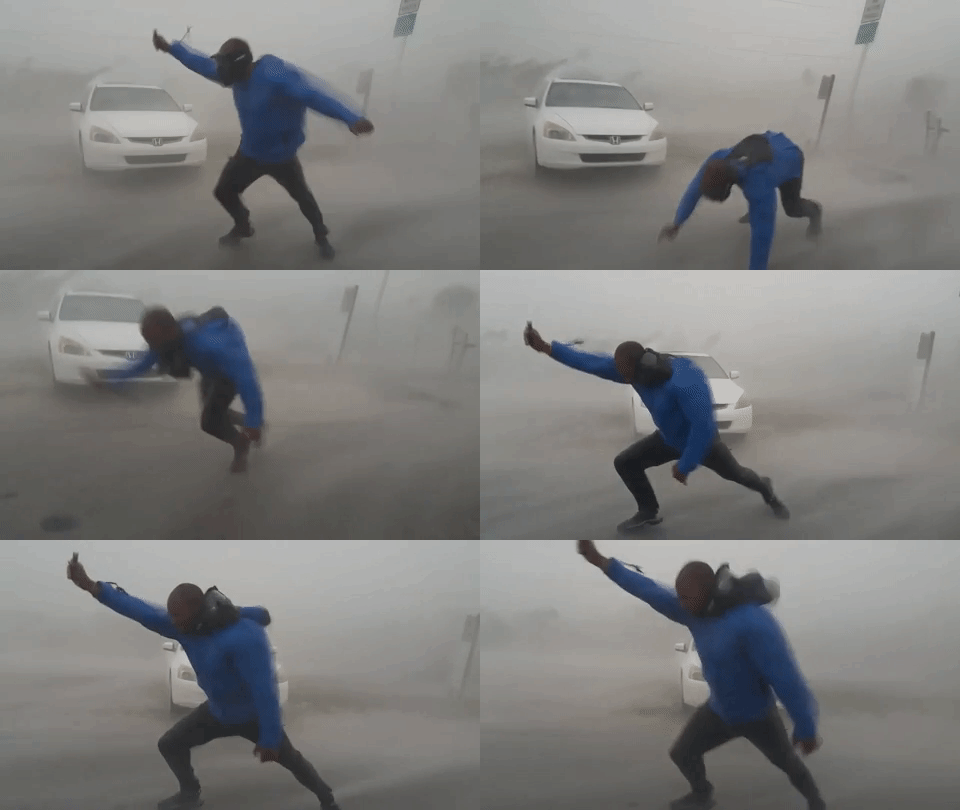
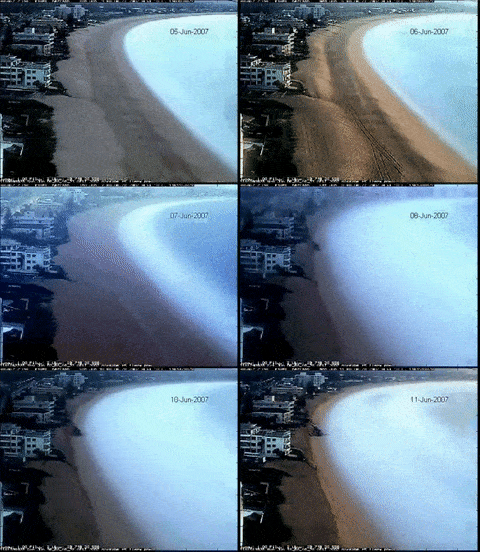
On land, a hurricane is no longer powered by evaporating seawater, so it slowly weakens. Before the hurricane weakens, however, it may cause significant damage to the area over which it passes. Intense winds and rainfall can damage homes and other buildings and knock over power lines and trees. Winds and low pressure can also affect the ocean, causing large waves called storm surges to flood the coast. These surges can cause erosion, the carrying away of sand from the beach to other locations. As the beach erodes, it becomes narrower and more vulnerable to future hurricanes.
1
1
1

What do intense winds and rainfall effect?

1.
2.

1

How do winds and low pressure affect the ocean?

Sentence Starter: Winds and low pressure can affect the ocean by...

1
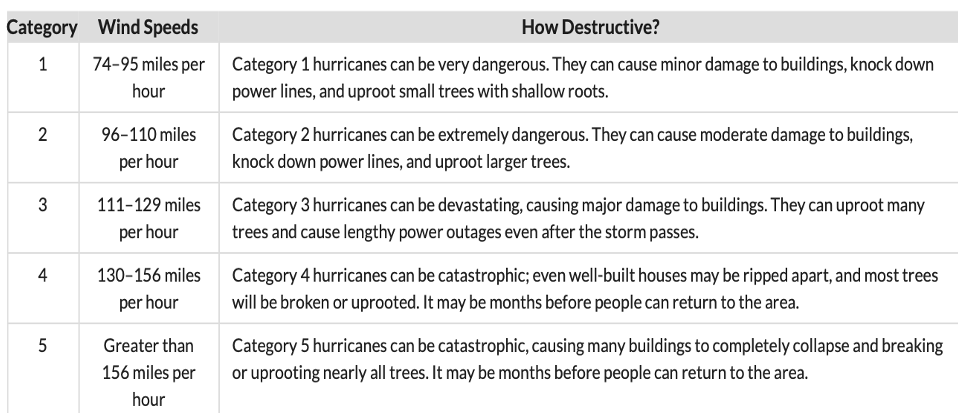
Hurricanes are classified by their wind speed and the amount of damage they cause. This categorization system is called the Saffir-Simpson Hurricane Wind Scale.
1
1

What scale is used to measure hurricanes?

1

Hurricane Rita was the most intense tropical cyclone on record in the Gulf of Mexico and the fourth-most intense Atlantic hurricane ever recorded. Hurricane Rita reached wind speeds of 180 mph. What type of storm was Hurricane Rita?

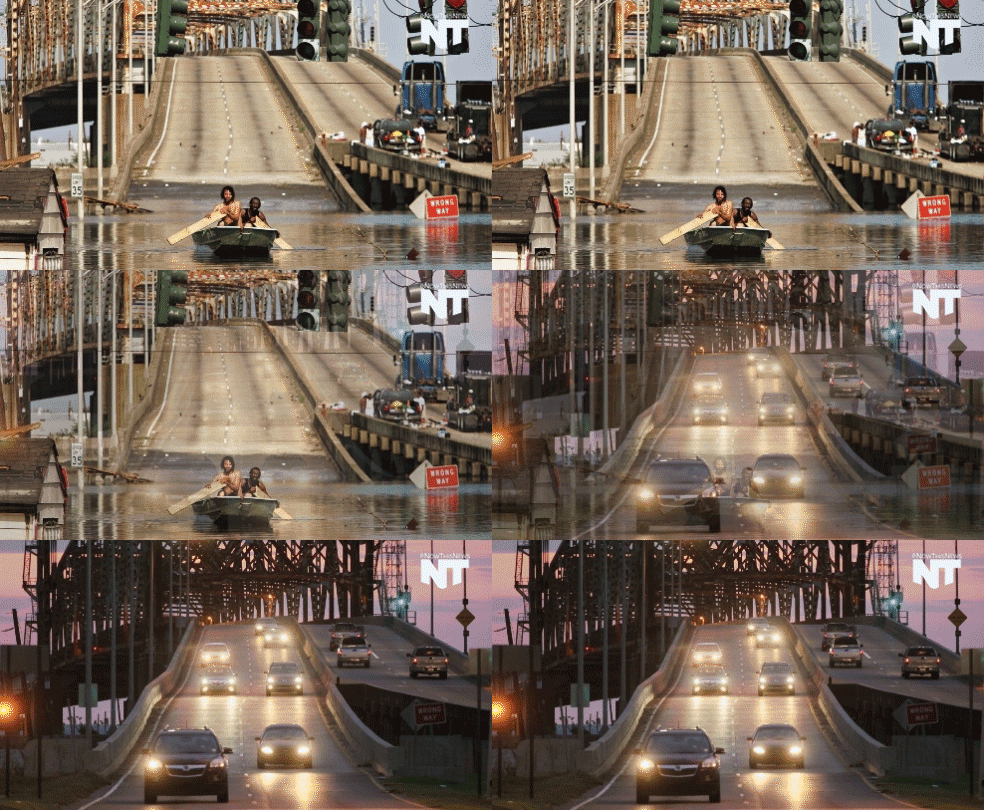
Hurricanes generally do the most damage in tropical areas near where the storm forms. However, hurricanes can damage areas far from where they form. A hurricane can move up or down the coast into cooler regions. Hurricane Katrina devastated the city of New Orleans, Louisiana, with flooding - the death toll reached nearly 2,000 people, and costed the U.S $75 billion in damages.

1
1
1

The video says that over time the soil compacts and sinks.

A) What does it mean by the word compacts?
B) What type of rocks (igneous, sedimentary, metamorphic) if any will be made by this process?

1
1
1

What truly protects New Orleans from the sea?

5

What do you think can be done to help New Orleans? Give some ideas/solutions and examples for your ideas/solutions. How will it work?