Log in
Sign up for FREE
arrow_back
Library

APHG: Unit 1 Test

star
star
star
star
star
Last updated almost 4 years ago
82 questions
Note from the author:
AP Human Geography -- Unit 1 Test (Thinking Geographically)
Required
1
Required
1
Required
1
Required
1
Required
1
Required
1
Required
1
Required
1
Required
1
Required
1
Required
1
Required
1
Required
1
Required
1
Required
1
Required
1
Required
1
Required
1
Required
1
Required
1
Required
1
Required
1
Required
1
Required
1
Required
1
Required
1
Required
1
Required
1
Required
1
Required
1
Required
1
Required
1
Required
1
Required
1
Required
1
1
Required
1
Required
1
Required
1
Required
1
Required
0.5
Required
0.5
0.5
Required
0.5
Required
0.5
Required
0.5
Required
0.5
Required
0.5
Required
0.5
Required
0.5
Required
0.5
Required
0.5
Required
0.5
Required
0.5
Required
0.5
Required
0.5
Required
0.5
Required
0.5
Required
0.5
Required
0.5
Required
0.5
Required
0.5
Required
0.5
Required
0.5
Required
0.5
Required
0.5
Required
0.5
Required
0.5
Required
0.5
Required
0.5
Required
0.5
Required
0.5
Required
0.5
Required
0.5
Required
0.5
Required
0.5
Required
0.5
Required
0.5
Required
0.5
Required
0.5
Required
21
5
Part A: Multiple-Choice (40 points)
Multiple choice: Choose the option that best answers the question or completes the statement.

This is an assessment. There may not be any notes out. Put all phones away. No index cards. No outside resources.

Each MCQ is worth 1 point.
Question 1
1.

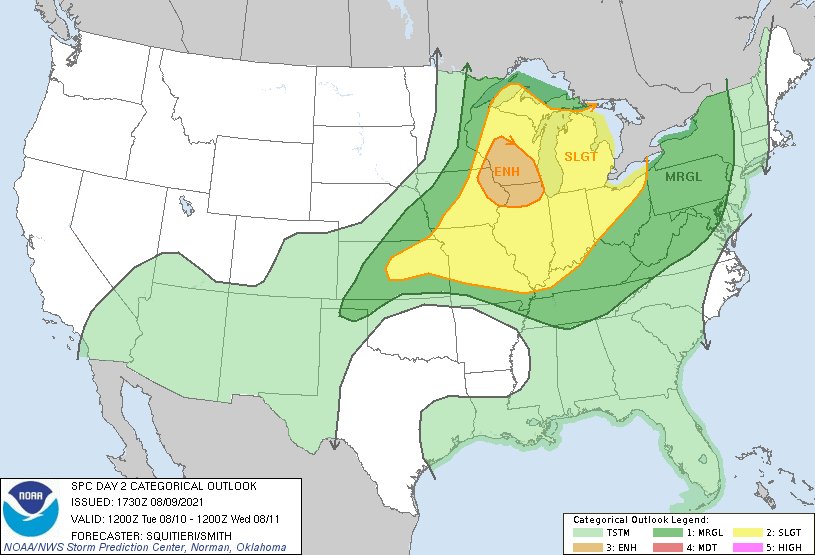
The map to the left is an example of which type of map?

Question 2
2.

These types of regions are typically used to determine and outline governmental, cultural and economical areas.

Question 3
3.

What type of research is the US Census considered to be?

Question 4
4.

________________ states that technology is allowing us to communicate more across longer distances. This makes it seem like we are closer together, even though we technically aren't.

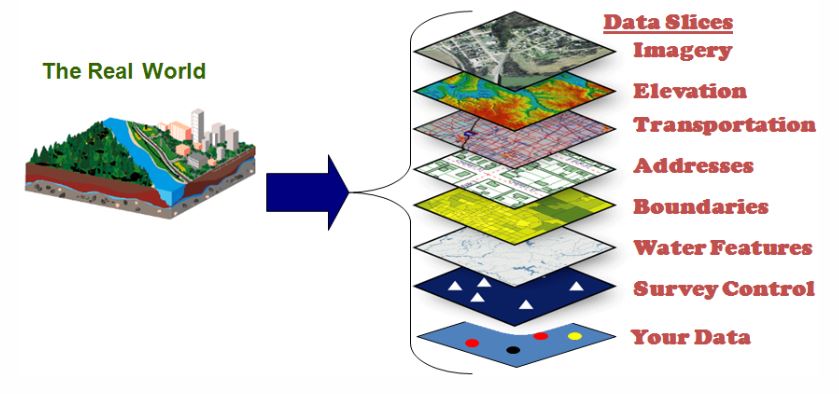
Questions 5 & 6 refer to this image.
Question 5
5.

The picture represents--

Question 6
6.

One layer of data in the image is known as

Question 7
7.

Which of the following best describes a functional region?

Question 8
8.

Which of the following is a renewable resource?

Question 9
9.

Satellite Navigation Systems are also called

Question 10
10.

"The South" is a

Question 11
11.

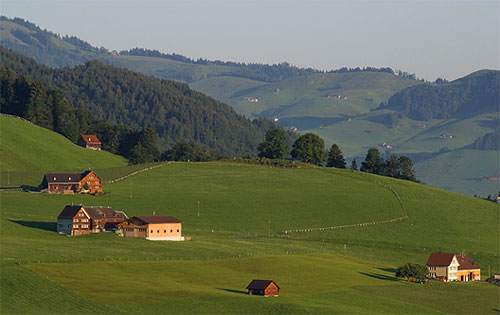
The image at left is an example of which type of settlement?

Question 12
12.

Visiting your elementary school or hometown brings back emotional feelings. What is the name of that effect?

Question 13
13.

The address 6001 Dodge St, Omaha, NE is an example of--

Question 14
14.

Select all that apply. Maps can distort all except which of the following?

Question 15
15.

Environmental sustainability is defined by which of the following?

Question 16
16.

Environmental determinism is the belief that

Question 17
17.

The map at left is an example of a

Question 18
18.

Which spatial patterns on the maps shown would be most helpful to someone selecting the location for a new coffee shop?

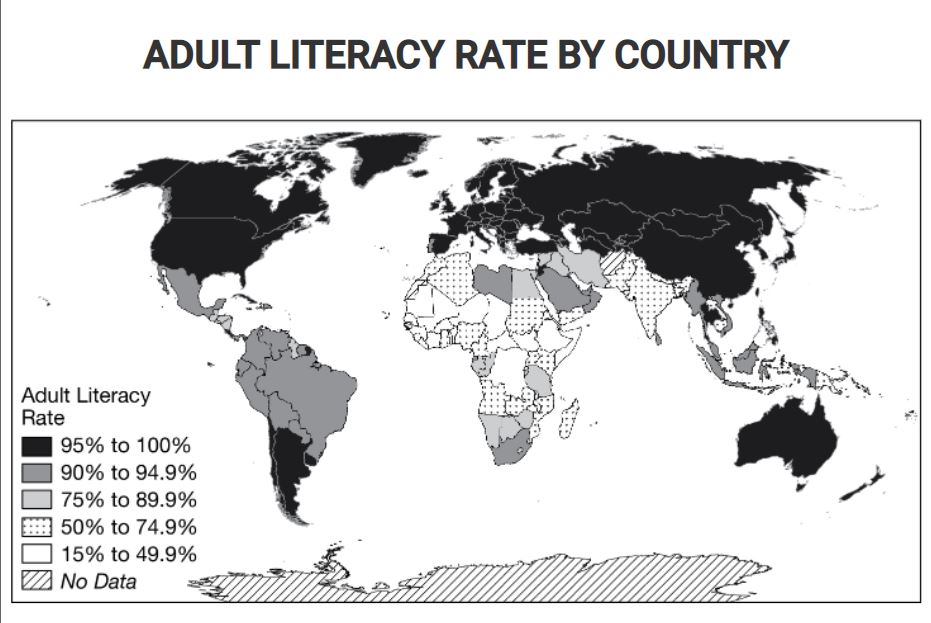
Questions 19 & 20 refer to this image.
Question 19
19.

A nongovernmental organization is planning a new international elementary education program. Based on the map shown, which of the following groups of countries would be the best candidates to receive funding?

Question 20
20.

Which of the following best describes the spatial pattern of adult literacy rates presented in the map?

Question 21
21.

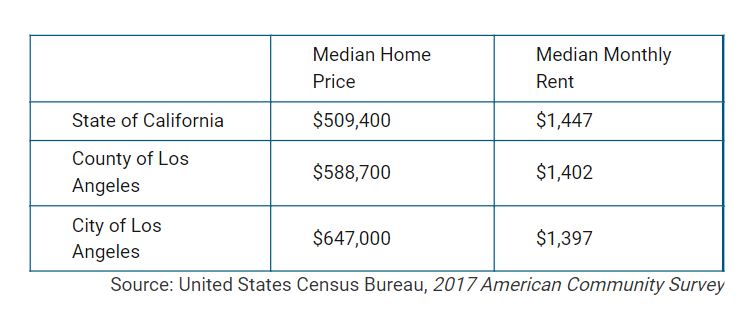
Which of the following concepts best explains the differences among the values shown in the table?

Question 22
22.

Which of the following terms best describes the suburban area of Illinois where many residents commute to Chicago?

Question 23
23.

Which of the following describes an outdated, former scientific viewpoint that perpetuates racism?

Question 24
24.

Which of the following is not one of the ways map scale can be presented?

Question 25
25.

Lines of latitude run

Question 26
26.

A toponym is a

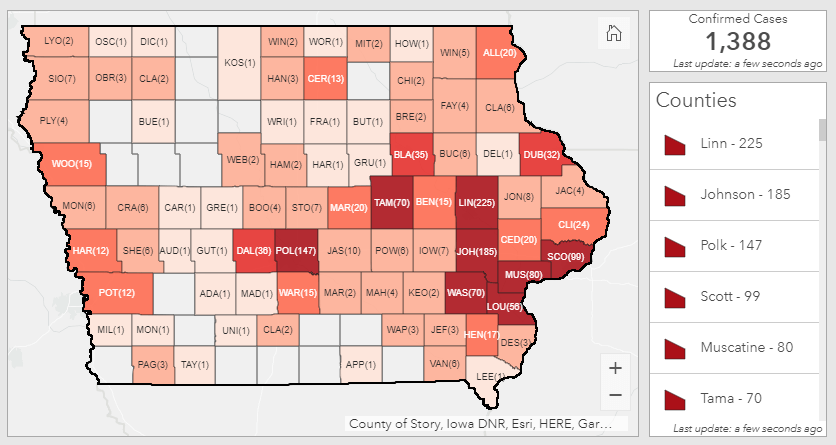
Questions 27 & 28 refer to this image.
Question 27
27.

What is the scale of this map?

Question 28
28.

What is the scale of analysis of this map?

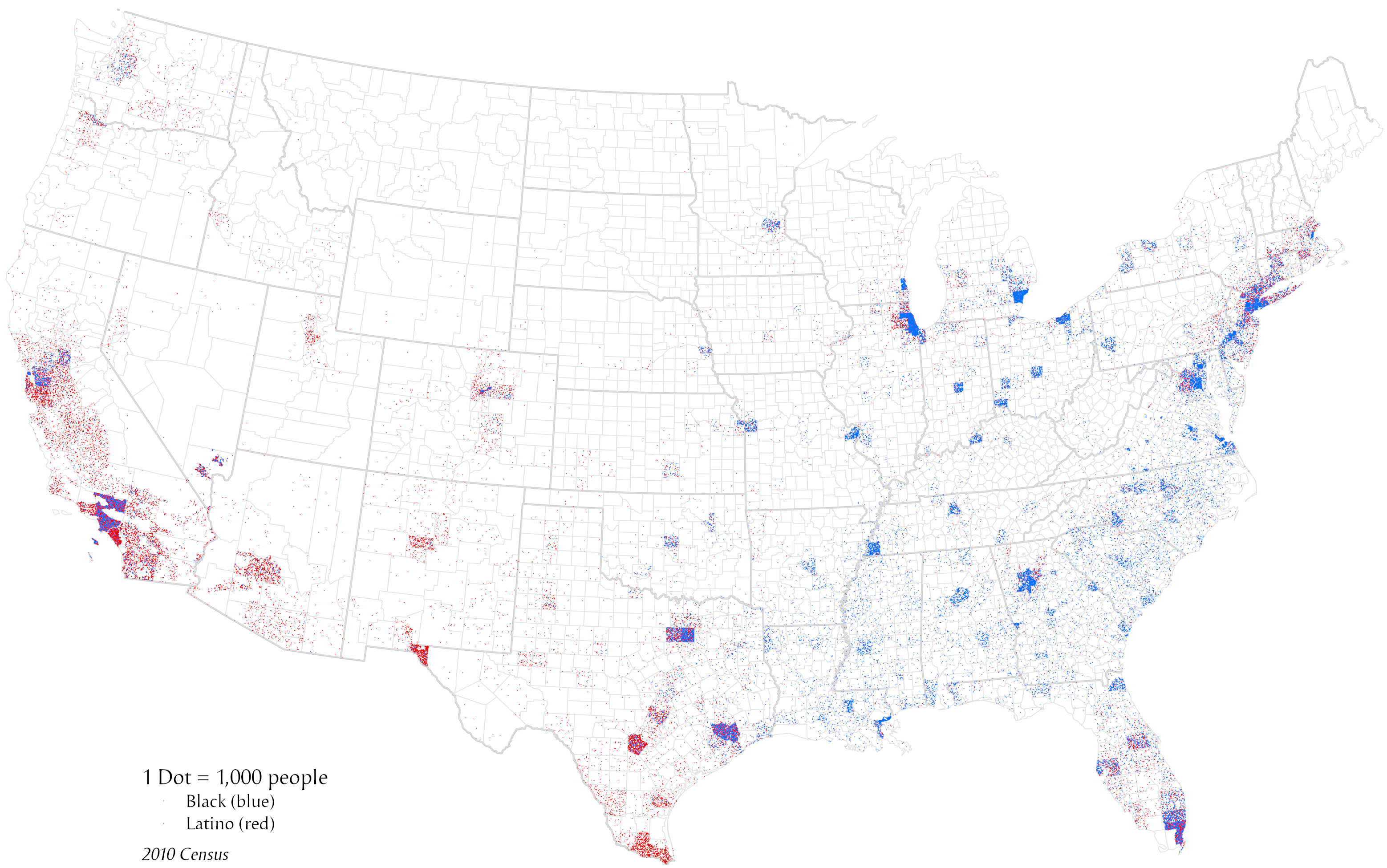
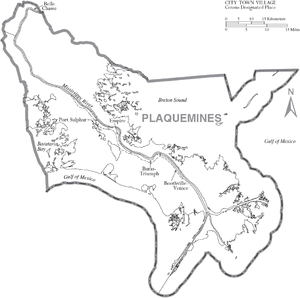
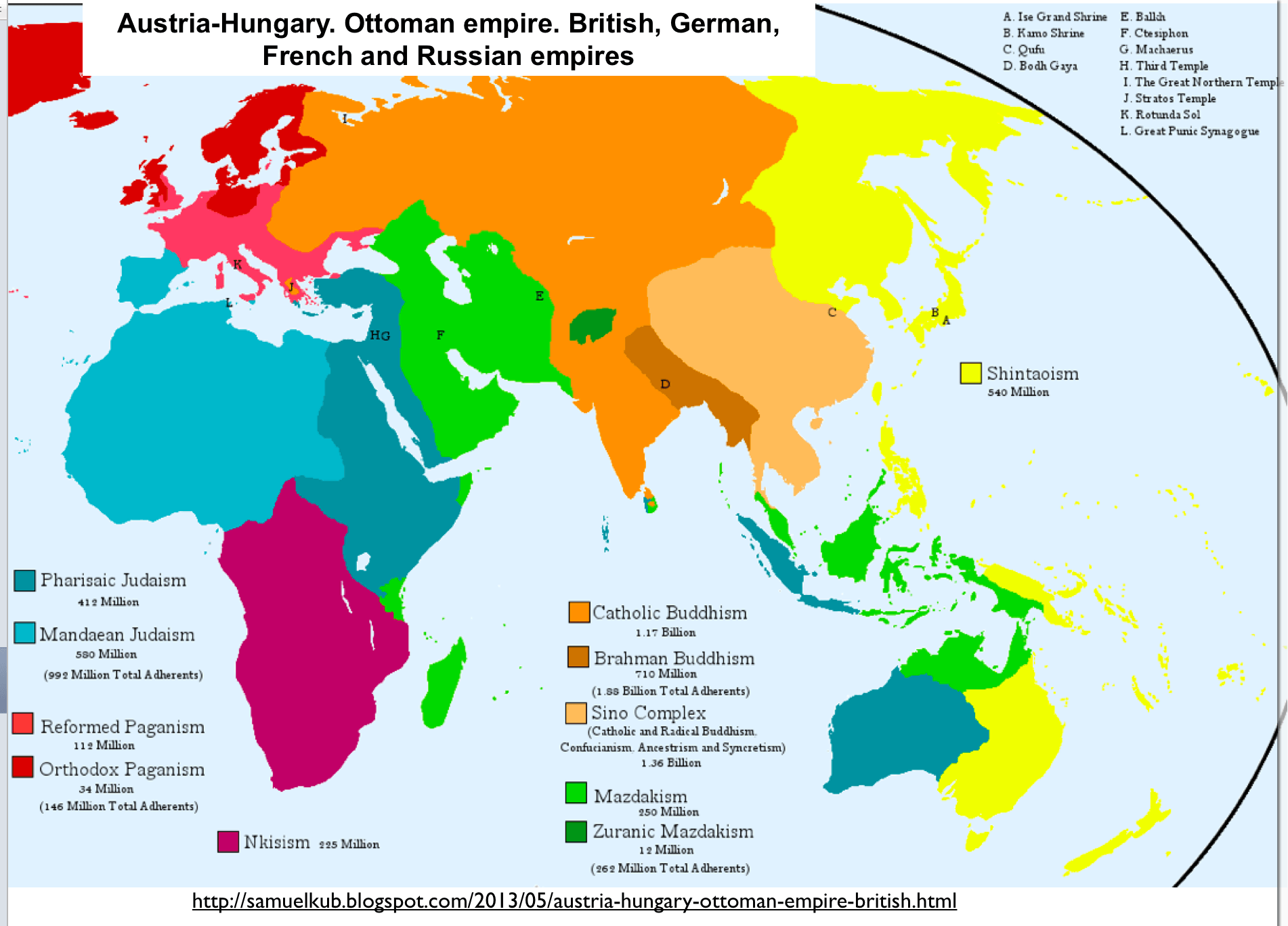
Questions 29-31 refer to this image.
Question 29
29.

The scale of analysis of this map is?

Question 30
30.

The scale of this map is?

Question 31
31.

What type of map is this?

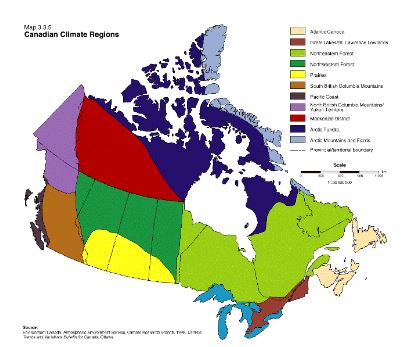
Questions 32 & 33 refer to this image.
Question 32
32.

The scale of this map is...

Question 33
33.

The scale of analysis of this map is...

Question 34
34.

The cultural landscape is defined as...

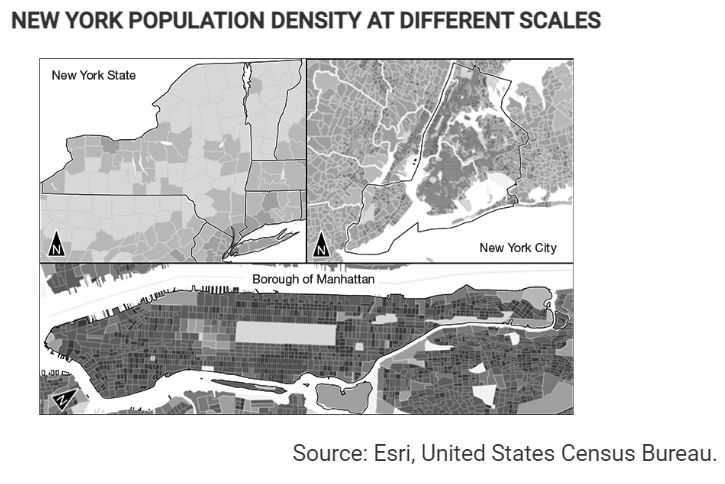
Questions 35-38 refer to this image.
Question 35
35.

What is the scale of this map?

Question 36
36.

What is the scale of analysis of this map?

Question 37
37.

What data does this map show?

Question 38
38.

What kind of data is this?

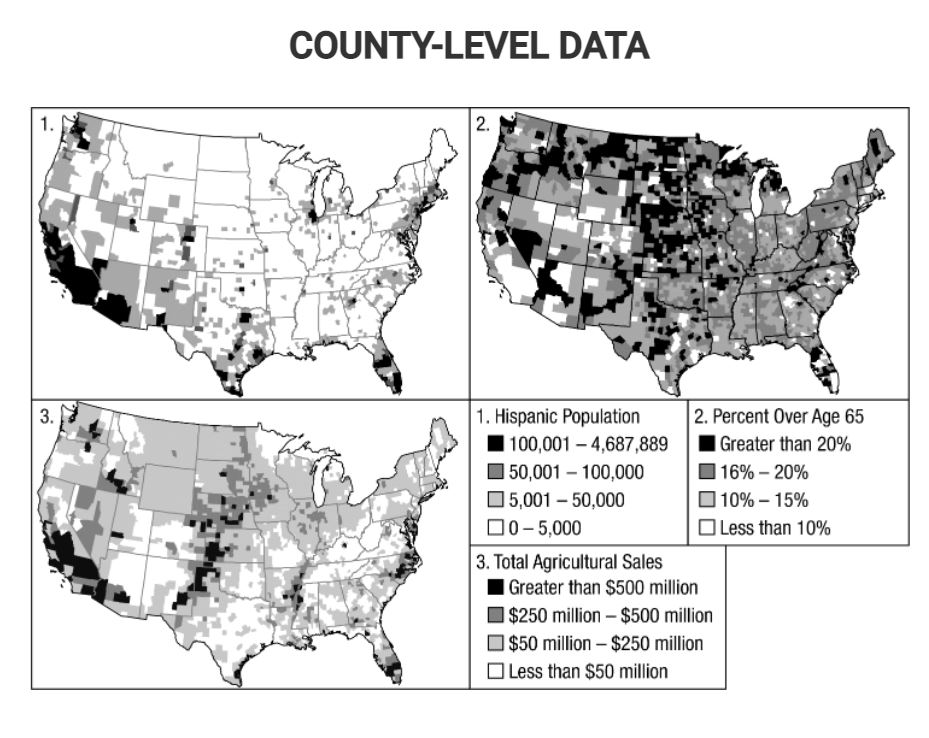
Questions 39 & 40 refer to this image.
Question 39
39.

The maps show data most likely collected through

Question 40
40.

The data in the maps is

Part B: Vocab Matching (20 points)
Matching: Identify the letter that best defines the vocabulary term. In the blank, only write the letter. For example, if A's definition in the box to the right was cultural landscape, you would type the letter A in the box below "Cultural landscape"

This is an assessment. There may not be any notes out. Put all phones away. No index cards. No outside resources.

Each vocab term is worth 1/2 point.
A - A 3D map placed onto a flat surface will always have this.
B - Numerical data, such as the Census
C - Layers of data gathered through methods like aerial photography & balloons
D - The location of a place described using other landmarks around it
E - a region that is different in everyone's mind
F - a map that shows a small amount of detail
G - how geographic data is analyzed
H - population count done every 10 years
I - the feeling of not having a place, middle of nowhere
J - the further you move from a starting place, the less connected people will be
K - the environment has no bearing on human destiny
L - place name
M - a map that uses symbols that change size based on value
N - map projection that distorts Greenland + Africa
O - the exact location of a city, able to find on a map
P - vertically-stretched map projection
Q - feeling you get when visiting your hometown/ES
R - a resource such as solar, wind and hydro
S - a resource such as gas, coal and oil
T - the environment places some restrictions but we can overcome
U - many houses placed right next to each other, type of settlement pattern
V - tech + transit are making it feel as if we are getting closer together than ever before
W - conserving resources for the next generations while making sure we have a good life
X - a map that shows a lot of detail
Y - map projection typically used in atlases
Z - Grand Central Station is an example of this region

Question 41
41.

perceptual region

Question 42
42.

relative location

Question 43
43.

distortion

Question 44
44.

quantitative

Question 45
45.

US Census

Question 46
46.

GIS

Question 47
47.

placelessness

Question 48
48.

distance decay

Question 49
49.

cultural determinism

Question 50
50.

graduated symbol map

Question 51
51.

scales of analysis

Question 52
52.

small-scale

Question 53
53.

toponym

Question 54
54.

functional region

Question 55
55.

absolute location OR site

Question 56
56.

Mercator projection

Question 57
57.

Peters projection

Question 58
58.

Robinson projection

Question 59
59.

sense of place

Question 60
60.

clustered

Question 61
61.

time-space compression

Question 62
62.

environmental possibilism

Question 63
63.

sustainability

Question 64
64.

non-renewable resource

Question 65
65.

renewable resource

Question 66
66.

large-scale map

**THE VOCAB MATCHING SECTION CONTINUES DOWN HERE**
Any definition with two letters will only go to the questions below. Do not return to the previous section to change a definition.

AA - map that uses a dot to represent a specific value
BB - the human imprint on the landscape. everything we have done.
CC - map that uses colors and shading
DD - data that uses opinions, questionnaires, survey
EE - the surrounding area of the city. not describing in relation to something else, just the characteristics of the outside of the settlement
FF - a region with a strict definition that has uniformity in one or more characteristics
GG - a system of satellites in space that receives and sends information to/from Earth
HH - connections, movement, flow, conacts of things between places
II - most weather maps are this type of map
JJ - most maps of migrations are this type of map
KK - an outdated, former scientific viewpoint that perpetuates racism
MM - houses spread out with a lot of space between them
NN - study of how humans interact with the environment
OO - map that changes the size of countries to represent increasing values
Question 67
67.

formal region

Question 68
68.

situation

Question 69
69.

qualitative data

Question 70
70.

GPS

Question 71
71.

dispersed

Question 72
72.

spatial interactions

Question 73
73.

cultural landscape

Question 74
74.

cultural ecology

Question 75
75.

environmental determinism

Question 76
76.

choropleth map

Question 77
77.

dot map

Question 78
78.

cartogram

Question 79
79.

isoline map

Question 80
80.

flowline map

Part C: Free-Response (21 points)
Free-response: Answer all seven parts of the question to the best of your ability. Remember yesterday's tutorial.

This is an assessment. There may not be any notes out. Put all phones away. No index cards. No outside resources.

This FRQ is worth 3 points per part.
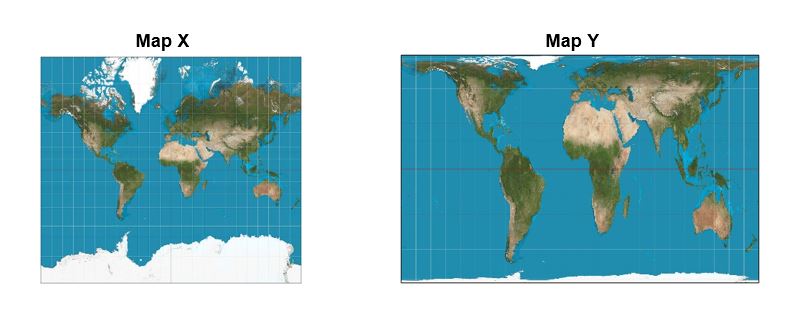
Use the maps to the left to answer the Free-Response Question below.
Question 81
81.

a) Define map projection.
b) Identify the Mercator projection and Peters projection.
c) Describe one advantage and one disadvantage of using the Mercator projection.
d) Describe one advantage and one disadvantage of using the Peters projection.
e) Explain why all map projections have some level of distortion.
f) Explain why Google Maps uses the Mercator projection.
g) Compare the Mercator projection with the Peters projection in terms of distortion.

Part D: Bonus (5 points)
Bonus: This question is optional. Answer them as best you can.

This is an assessment. There may not be any notes out. Put all phones away. No index cards. No outside resources.

This question is worth 5 points.
Question 82
82.

Explain how the theory that the environment alone controls human destiny was used to perpetuate racism in the 18th Century?