Government Final

Last updated over 3 years ago
31 questions
Note from the author:
Baltimore City College Government Final Exam
Gov. Factual Knowledge
6

Place these terms under the proper branch of government:

  • Enforces laws
  • Interprets laws
  • Makes laws
  • Congress
  • Supreme Court
  • Presidency
  • Executive
  • Legislature
  • Judiciary
6

Place these checks under the branch whose power they limit:

  • The Presidency can limit the power of this branch's power by vetoing bills it passes.
  • The Presidency can limit this branch's power by being able to nominate it's future members.
  • The Congress can limit this branch's power with impeachment.
  • The Congress can limit this branch's power by approving the members nominated by the president to this branch.
  • The Supreme Court can check this branch's power by applying judicial review to block laws they find unconstitutional.
  • The Supreme Court can check this branch's power by using judicial review to block executive orders they find unconstitutional.
  • Congress
  • Presidency
  • Supreme Court
1
In a __________, authority and rule are given to religious officials.
1
In a __________, decision-making is given to elected officials who vote in place of the public.
1
In a __________, authority is given to those who can bribe government officials; defacto governing by the rich.
1
In a __________, rich and traditionally powerful families have authority over the government.
1
In a __________, all citizens participate in decision-making via voting.
1
In a __________, a single ruling individual holds unchecked deicison-making power; they typically inherit their power and will pass it to another family member upon their death.
1
In a __________, there is a single ruler that usually has siezed political and holds ultimate decision-making in varying forms. They typically turn oppressive toward their people to maintain power.
8
In a __________, a sole ruler who inherits their power holds varying levels of decision-making that they share with other governmental insitutions that are established in a constitution.
10

Match the amendments to their meaining...

Draggable itemCorresponding Item
6th Amendment
The freedom of speech, press, religion, assembly, and petition
1st Amendment
The right to bear arms (guns)
5th Amendment
The freedom from quartering soldiers
10th Amendment
The freedom from illegal search and seizure
2nd Amendment
The freedom from being denied your life, liberty or property without due process.
7th Amendment
The right to a speedy, public trial with representation and a jury of your peers.
4th Amendment
The right to a jury trial in a civil case.
3rd Amendment
The freedom from cruel and usual punishment.
9th Amendment
The right of individuals to claim any rights that are not given to the government in the constitution.
8th Amendment
The right of states to claim any powers that are not given to the government in the constitution.
1

Match the amendments to their meaining...

Draggable itemCorresponding Item
19th Amendment
prohibited slavery
14th Amendment
defined citizenship and promised all citizens the due process under law
13th Amendment
ensured the right to vote cannot be denied based on race
15th Amendment
ensured the right to vote cannot be denied based on sex
1

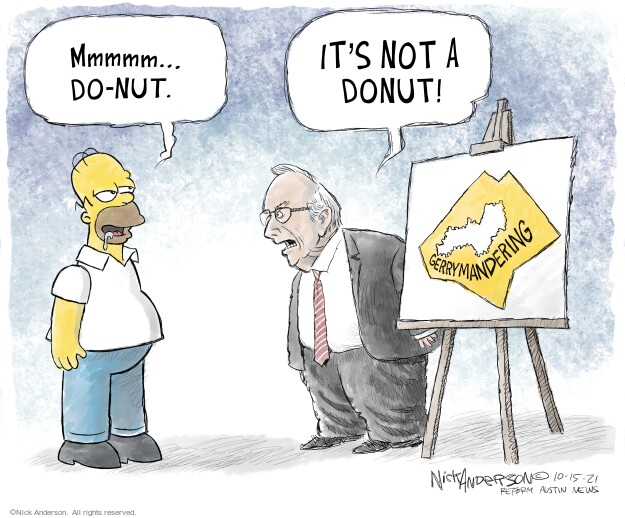
Choose the statement that best explains the Author's purpose in this cartoon.
1

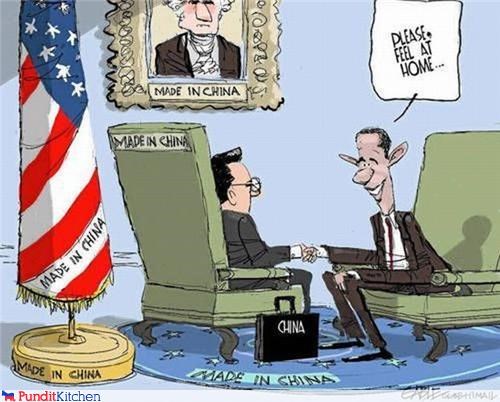
What government issue us the cartoonist trying to address in this cartoon?
1

What does it seem to be the cartoonists point of view on this issue?

1

What was the cartoonist's main point in this cartoon?
1

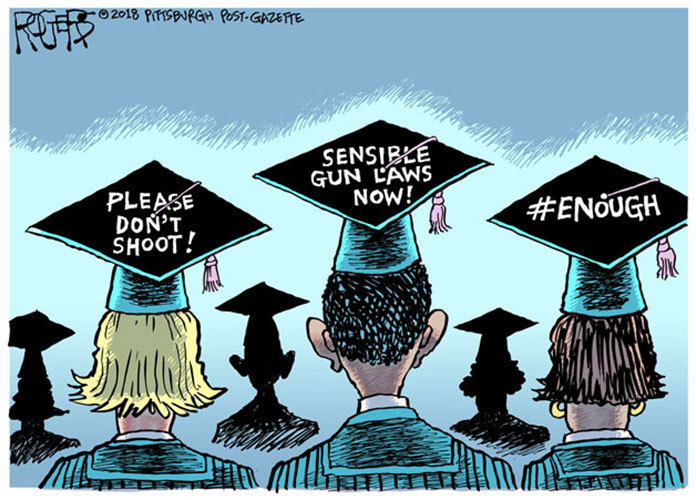
Which presidential role best describes what president Obama is doing in this cartoon?

1

What freedom do the hats in this picture best represent?

1

What freedom is represented by the fact that there are many students gathered together in this cartoon?

1

What do you think was the cartoonist's main point in this cartoon?

1

What do is the main idea of this cartoon?
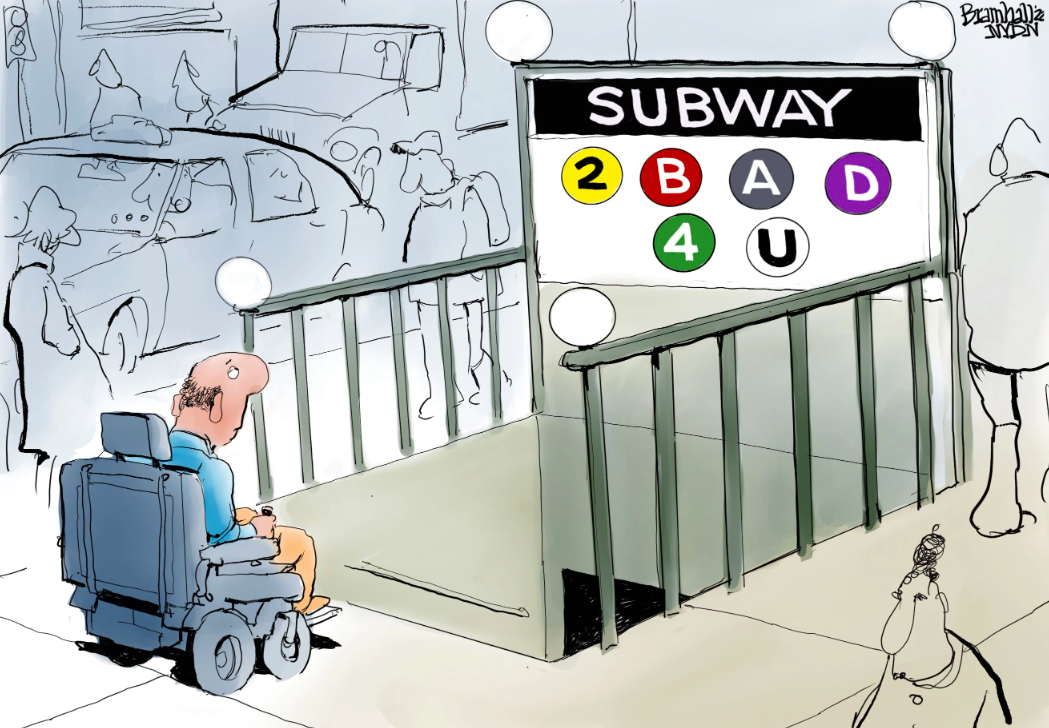
1

Which constitutional concept best describes the main issue of this cartoon

1

What do you think the author is trying to say here?

1

Organize the statements on the left under the group that supported them

  • The Articles of Confederation
  • The Constitution
  • A confederate government
  • A federal government
  • Supremacy of the central government
  • Supremacy of the states
  • Anti-federalists
  • Federalists
Applying to texts
1

Here is an excerpt against Federalist 10. Please indicate where Madison justifies that faction is a problem for the young government by showing it's bad effects.

Among the numerous advantages promised by a well constructed union, none deserves to be more accurately developed, than its tendency to break and control the violence of faction… The instability, injustice, and confusion, introduced into the public councils, have, in truth, been the mortal diseases under which popular governments have every where perished;

…Complaints are every where heard from our most considerate and virtuous citizens, …that our governments are too unstable; that the public good is disregarded in the conflicts of rival parties; and that measures are too often decided, not according to the rules of justice, and the rights of the minor party, but by the superior force of an interested and overbearing majority.…It will be found, indeed, on a candid review of our situation, that some of the distresses under which we labor, have been erroneously charged on the operation of our governments…These must be chiefly, if not wholly, effects of the unsteadiness and injustice, with which a factious spirit has tainted our public administrations.

By a faction, I understand a number of citizens, whether amounting to a majority or minority of the whole, who are united and actuated by some common impulse of passion, or of interest, adverse to the rights of other citizens, or to the permanent and aggregate interests of the community.

There are two methods of curing the mischiefs of faction: The one, by removing its causes; the other, by controlling its effects.
1

Here is an excerpt against Federalist 10. Please indicate where Madison defines what a faction is.

Among the numerous advantages promised by a well constructed union, none deserves to be more accurately developed, than its tendency to break and control the violence of faction… The instability, injustice, and confusion, introduced into the public councils, have, in truth, been the mortal diseases under which popular governments have every where perished;

…Complaints are every where heard from our most considerate and virtuous citizens, …that our governments are too unstable; that the public good is disregarded in the conflicts of rival parties; and that measures are too often decided, not according to the rules of justice, and the rights of the minor party, but by the superior force of an interested and overbearing majority.…It will be found, indeed, on a candid review of our situation, that some of the distresses under which we labor, have been erroneously charged on the operation of our governments…These must be chiefly, if not wholly, effects of the unsteadiness and injustice, with which a factious spirit has tainted our public administrations.

By a faction, I understand a number of citizens, whether amounting to a majority or minority of the whole, who are united and actuated by some common impulse of passion, or of interest, adverse to the rights of other citizens, or to the permanent and aggregate interests of the community.

There are two methods of curing the mischiefs of faction: The one, by removing its causes; the other, by controlling its effects.
1

Here is an excerpt against Federalist 10. Please indicate where Madison proposes his ideas for dealing with factions so they dont cause bad effects for the new government.

Among the numerous advantages promised by a well constructed union, none deserves to be more accurately developed, than its tendency to break and control the violence of faction… The instability, injustice, and confusion, introduced into the public councils, have, in truth, been the mortal diseases under which popular governments have every where perished;

…Complaints are every where heard from our most considerate and virtuous citizens, …that our governments are too unstable; that the public good is disregarded in the conflicts of rival parties; and that measures are too often decided, not according to the rules of justice, and the rights of the minor party, but by the superior force of an interested and overbearing majority.…It will be found, indeed, on a candid review of our situation, that some of the distresses under which we labor, have been erroneously charged on the operation of our governments…These must be chiefly, if not wholly, effects of the unsteadiness and injustice, with which a factious spirit has tainted our public administrations.

By a faction, I understand a number of citizens, whether amounting to a majority or minority of the whole, who are united and actuated by some common impulse of passion, or of interest, adverse to the rights of other citizens, or to the permanent and aggregate interests of the community.

There are two methods of curing the mischiefs of faction: The one, by removing its causes; the other, by controlling its effects.
1

Here is an excerpt from President Regan's inaugural address from 1981. President Regan ran an election campaign against democratic incumbant president, Jimmy Carter, based mostly on economic issues. Many Americans were worried about money. In his inaugural address, Regan highlighted this important issues that took him to the presidentdency. Read this excerpt from his inauguration speech and...

... identify where Regan names that biggest problem facing Americans as he takes office.

These United States are confronted with an economic affliction of great proportions. We suffer from the longest and one of the worst sustained inflations in our national history. It distorts our economic decisions, penalizes thrift, and crushes the struggling young and the fixed-income elderly alike. It threatens to shatter the lives of millions of our people.

Idle industries have cast workers into unemployment, human misery, and personal indignity. Those who do work are denied a fair return for their labor by a tax system which penalizes successful achievement and keeps us from maintaining full productivity. But great as our tax burden is, it has not kept pace with public spending. For decades we have piled deficit upon deficit, mortgaging our future and our children's future for the temporary convenience of the present. To continue this long trend is to guarantee tremendous social, cultural, political, and economic upheavals.

In this present crisis, government is not the solution to our problem; government is the problem. From time to time we've been tempted to believe that society has become too complex to be managed by self-rule, that government by an elite group is superior to government for, by, and of the people. Well, if no one among us is capable of governing himself, then who among us has the capacity to govern someone else? All of us together, in and out of government, must bear the burden. The solutions we seek must be equitable, with no one group singled out to pay a higher price.
We hear much of special interest groups. Well, our concern must be for a special interest group that has been too long neglected. It knows no sectional boundaries or ethnic and racial divisions, and it crosses political party lines. It is made up of men and women who raise our food, patrol our streets, man our mines and factories, teach our children, keep our homes, and heal us when we're sick -- professionals, industrialists, shopkeepers, clerks, cabbies, and truckdrivers. They are, in short, ''We the people,'' this breed called Americans.

Well, this administration's objective will be a healthy, vigorous, growing economy that provides equal opportunities for all Americans with no barriers born of bigotry or discrimination. Putting America back to work means putting all Americans back to work. Ending inflation means freeing all Americans from the terror of runaway living costs. All must share in the productive work of this ''new beginning,'' and all must share in the bounty of a revived economy. With the idealism and fair play which are the core of our system and our strength, we can have a strong and prosperous America, at peace with itself and the world.
1

Here is an excerpt from President Regan's inaugural address from 1981. President Regan ran an election campaign against democratic incumbant president, Jimmy Carter, based mostly on economic issues. Many Americans were worried about money. In his inaugural address, Regan highlighted this important issues that took him to the presidentdency. Read this excerpt from his inauguration speech and...

... identify where president Regan describes the causes of the main problem facing Americans at the start of his presidency.

These United States are confronted with an economic affliction of great proportions. We suffer from the longest and one of the worst sustained inflations in our national history. It distorts our economic decisions, penalizes thrift, and crushes the struggling young and the fixed-income elderly alike. It threatens to shatter the lives of millions of our people.

Idle industries have cast workers into unemployment, human misery, and personal indignity. Those who do work are denied a fair return for their labor by a tax system which penalizes successful achievement and keeps us from maintaining full productivity. But great as our tax burden is, it has not kept pace with public spending. For decades we have piled deficit upon deficit, mortgaging our future and our children's future for the temporary convenience of the present. To continue this long trend is to guarantee tremendous social, cultural, political, and economic upheavals.

In this present crisis, government is not the solution to our problem; government is the problem. From time to time we've been tempted to believe that society has become too complex to be managed by self-rule, that government by an elite group is superior to government for, by, and of the people. Well, if no one among us is capable of governing himself, then who among us has the capacity to govern someone else? All of us together, in and out of government, must bear the burden. The solutions we seek must be equitable, with no one group singled out to pay a higher price.

We hear much of special interest groups. Well, our concern must be for a special interest group that has been too long neglected. It knows no sectional boundaries or ethnic and racial divisions, and it crosses political party lines. It is made up of men and women who raise our food, patrol our streets, man our mines and factories, teach our children, keep our homes, and heal us when we're sick -- professionals, industrialists, shopkeepers, clerks, cabbies, and truckdrivers. They are, in short, ''We the people,'' this breed called Americans.

Well, this administration's objective will be a healthy, vigorous, growing economy that provides equal opportunities for all Americans with no barriers born of bigotry or discrimination. Putting America back to work means putting all Americans back to work. Ending inflation means freeing all Americans from the terror of runaway living costs. All must share in the productive work of this ''new beginning,'' and all must share in the bounty of a revived economy. With the idealism and fair play which are the core of our system and our strength, we can have a strong and prosperous America, at peace with itself and the world.
1

Here is an excerpt from President Regan's inaugural address from 1981. President Regan ran an election campaign against democratic incumbant president, Jimmy Carter, based mostly on economic issues. Many Americans were worried about money. In his inaugural address, Regan highlighted this important issues that took him to the presidentdency. Read this excerpt from his inauguration speech and...

... identify where president Regan names a solution for the major problem he names in this excerpt.

These United States are confronted with an economic affliction of great proportions. We suffer from the longest and one of the worst sustained inflations in our national history. It distorts our economic decisions, penalizes thrift, and crushes the struggling young and the fixed-income elderly alike. It threatens to shatter the lives of millions of our people.

Idle industries have cast workers into unemployment, human misery, and personal indignity. Those who do work are denied a fair return for their labor by a tax system which penalizes successful achievement and keeps us from maintaining full productivity. But great as our tax burden is, it has not kept pace with public spending. For decades we have piled deficit upon deficit, mortgaging our future and our children's future for the temporary convenience of the present. To continue this long trend is to guarantee tremendous social, cultural, political, and economic upheavals.

In this present crisis, government is not the solution to our problem; government is the problem. From time to time we've been tempted to believe that society has become too complex to be managed by self-rule, that government by an elite group is superior to government for, by, and of the people. Well, if no one among us is capable of governing himself, then who among us has the capacity to govern someone else? All of us together, in and out of government, must bear the burden. The solutions we seek must be equitable, with no one group singled out to pay a higher price.

We hear much of special interest groups. Well, our concern must be for a special interest group that has been too long neglected. It knows no sectional boundaries or ethnic and racial divisions, and it crosses political party lines. It is made up of men and women who raise our food, patrol our streets, man our mines and factories, teach our children, keep our homes, and heal us when we're sick -- professionals, industrialists, shopkeepers, clerks, cabbies, and truckdrivers. They are, in short, ''We the people,'' this breed called Americans.

Well, this administration's objective will be a healthy, vigorous, growing economy that provides equal opportunities for all Americans with no barriers born of bigotry or discrimination. Putting America back to work means putting all Americans back to work. Ending inflation means freeing all Americans from the terror of runaway living costs. All must share in the productive work of this ''new beginning,'' and all must share in the bounty of a revived economy. With the idealism and fair play which are the core of our system and our strength, we can have a strong and prosperous America, at peace with itself and the world.
Written Response
1

At the beginning of the year, we discussed Harold Laswell's Axiom, "Politics is the study of who gets what, when and how."

After all you have learned this year about government, choose of the seven principles of democracy that you think is the most important to ensuring a fair and just fulfillment of Laswell's Maxim.

To put it more simply: On which democratic principle would our leaders focus most to achieve the best results when deciding "who get's what, when and how?"

Remember, the seven principles of democracy are:
1) popular soveignty
2) republicanism
3) individual rights
4) checks and balances
5) separation of powers
6) limited government
7) federalism

A suggested structure would be to first explain why this priniciple is so important to democracy in general, provide backgroun information about what this prinicples does and how it opperates within our system. Then, focus on how it can, in the real world with examples, help us make the best decisions about "who gets what, when and how."