Ɛhia
1
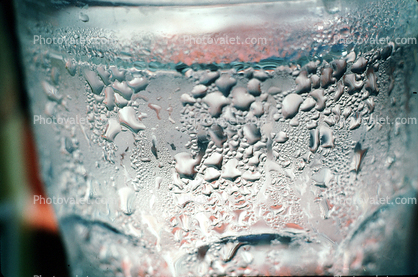
Which of the following best explains why there are water droplets on the outside of the glass?
Which of the following best explains why there are water droplets on the outside of the glass?
What are two ways that water enters the atmosphere to become water vapor?
When run-off water seeps through porous soil, it becomes ________.
In which part of the water cycle do plants release excess water vapor into the atmosphere?
Which of the following best explains why there are water droplets on the outside of the glass?
What are the two driving forces behind the water cycle?
Which force pulls precipitation back to Earth's surface and moves water back to sea level?
What is necessary for water to evaporate into the atmosphere?
What is necessary for water to condense in the atmosphere and form clouds?
Different types of precipitation (snow, sleet, and rain) are caused by changes in _______________.
All of the available fresh water on the surface of Earth is accessible to drink.
All of the following are forms of precipitation, EXCEPT
Read the following descriptions and use them to label the diagram that follows. Use these words in the correct boxes below. Make sure you spell them correctly or you will not get credit! Not all words below will be used.
Accumulation - the process in which water pools in reservoirs (like oceans, lakes, glaciers, etc.). Condensation - the process in which water vapor (a gas) in the air turns into liquid water and forms clouds in the sky. Water drops that form on the outside of a glass of icy water are condensed water. Evaporation - the process in which liquid water becomes water vapor (a gas). Water vaporizes from the surfaces of oceans and lakes, from the surface of the land, and from melts in snow fields. Precipitation - the process in which water (in the form of rain, snow, sleet, or hail) falls from clouds in the sky. Groundwater - rain, snow melt, or other water that flows in underground streams, drains, or sewers. Surface Runoff - rain, snow melt, or other water that flows in surface streams, rivers, or canals. Transpiration - the process in which some water within plants evaporates into the atmosphere. Water is first absorbed by the plant's roots, then later exits by evaporating through pores in the plant.
Use the words above to label the diagram below.

Which stage in the water cycle does water try to return to the ocean or soak into the ground?


What stage of the water cycle is #2 showing in the diagram?
#12
#13
#14
#15
#16
#17
Which stage does liquid water from the ocean turn into water vapor? See number 3 on the diagram.