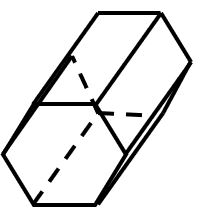
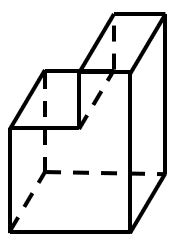
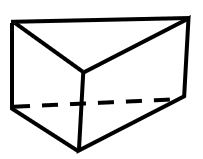
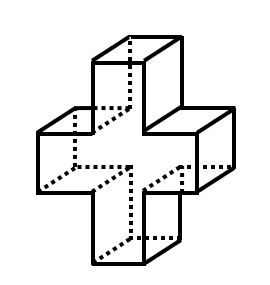
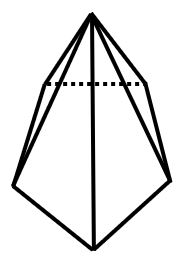
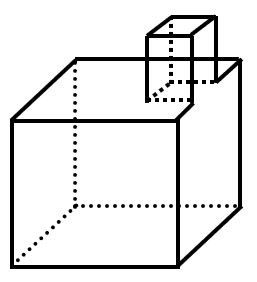
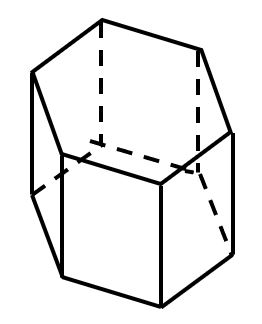
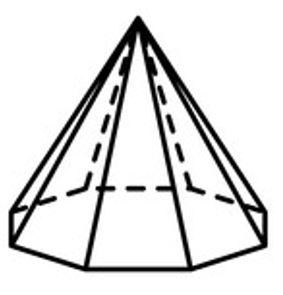
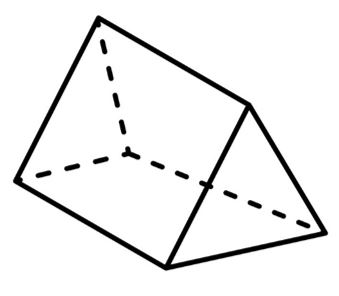
Determine if the solid below is a polyhedron, and if it is, determine if it is concave or convex.
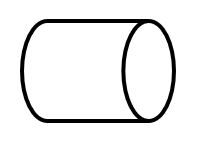
Determine if the solid below is a polyhedron, and if it is, determine if it is concave or convex.
Determine if the solid below is a polyhedron, and if it is, determine if it is concave or convex.
Determine if the solid below is a polyhedron, and if it is, determine if it is concave or convex.
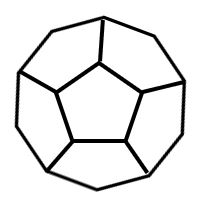
Determine if the solid below is a polyhedron, and if it is, determine if it is concave or convex.

Determine if the solid below is a polyhedron, and if it is, determine if it is concave or convex.
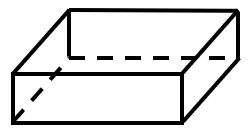
Determine if the solid below is a polyhedron, and if it is, determine if it is concave or convex.
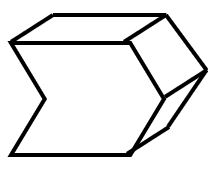
Determine if the solid below is a polyhedron, and if it is, determine if it is concave or convex.
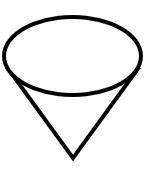
A polyhedron has 12 vertices and 18 edges. Using Euler's Theorem, determine how many faces it has.
A polyhedron has 5 faces and 8 edges. Using Euler's Theorem, determine how many vertices it has.
A polyhedron has 10 faces and 16 vertices. Using Euler's Theorem, determine how many edges it has.
A polyhedron has 6 faces and 12 vertices. Using Euler's Theorem, determine how many edges it has.
A polyhedron has 7 vertices and 12 edges. Using Euler's Theorem, determine how many faces it has.
A polyhedron has 8 faces and 20 edges. Using Euler's Theorem, determine how many vertices it has.
Use the polyhedron below for the next 4 questions.
How many faces does the polyhedron have?
How many vertices does the polyhedron have?
How many edges does the polyhedron have?
Use the polyhedron below for the next 4 questions.
How many faces does the polyhedron have?
How many vertices does the polyhedron have?
How many edges does the polyhedron have?
Use the polyhedron below for the next 4 questions.
How many faces does the polyhedron have?
How many vertices does the polyhedron have?
How many edges does the polyhedron have?
Use the polyhedron below for the next 4 questions.
How many faces does the polyhedron have?
How many vertices does the polyhedron have?
How many edges does the polyhedron have?
Use the polyhedron below for the next 4 questions.
How many faces does the polyhedron have?
How many vertices does the polyhedron have?
How many edges does the polyhedron have?
Use the polyhedron below for the next 4 questions.
How many faces does the polyhedron have?
How many vertices does the polyhedron have?
How many edges does the polyhedron have?
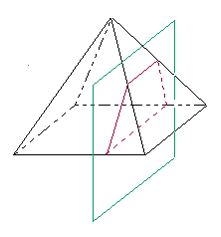
Describe the cross section formed by the intersection of the plane and the solid below.
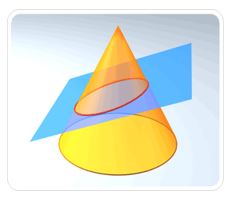
Describe the cross section formed by the intersection of the plane and the solid below.
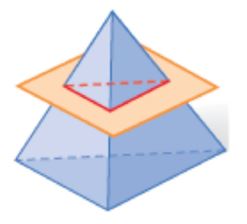
Describe the cross section formed by the intersection of the plane and the solid below.
Name the Platonic Solid below.

Name the Platonic Solid below.
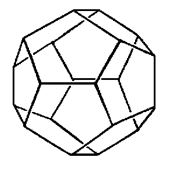
Name the Platonic Solid below.
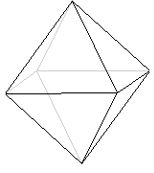
Name the Platonic Solid below.

Name the Platonic Solid below.

Use the solid below for the next 4 questions.
Give the mathematical name for the solid.
What kind of figure is each base?
What kind of figure is each lateral face?
How many lateral faces does the solid have?
Use the solid below for the next 4 questions.
Give the mathematical name for the solid.
What kind of figure is the base?
What kind of figure is each lateral face?
How many lateral faces does the solid have?
Use the solid below for the next 4 questions.
Give the mathematical name for the solid.
What kind of figure is each base?
What kind of figure is each lateral face?
How many lateral faces does the solid have?
Name the solid that can be formed by the net below.
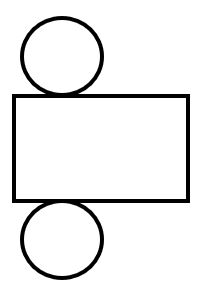
Name the solid that can be formed by the net below.

Name the solid that can be formed by the net below.
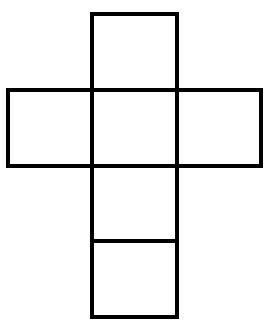
Name the solid that can be formed by the net below.
Check your answers above by plugging them into Euler's Theorem. Your answer should look like:
F+V=E+2
Check your answers above by plugging them into Euler's Theorem. Your answer should look like:
F+V=E+2
Check your answers above by plugging them into Euler's Theorem. Your answer should look like:
F+V=E+2
Check your answers above by plugging them into Euler's Theorem. Your answer should look like:
F+V=E+2
Check your answers above by plugging them into Euler's Theorem. Your answer should look like:
F+V=E+2
Check your answers above by plugging them into Euler's Theorem. Your answer should look like:
F+V=E+2