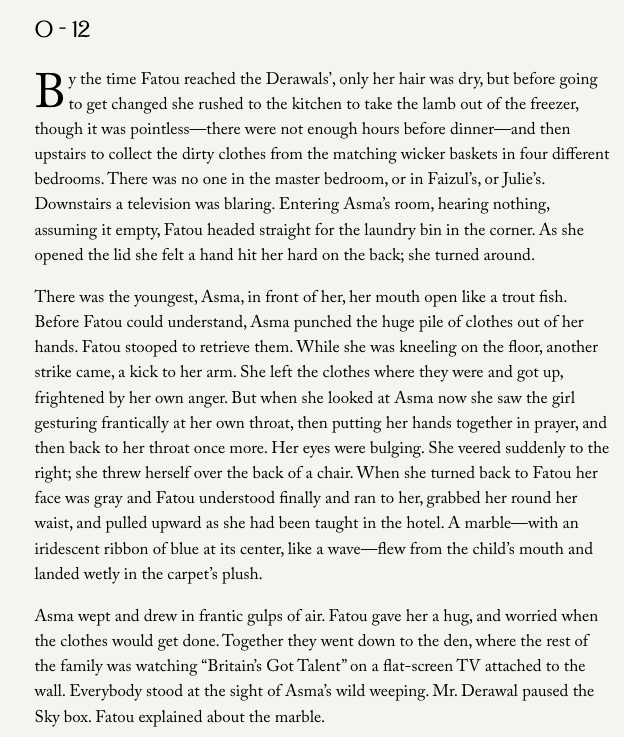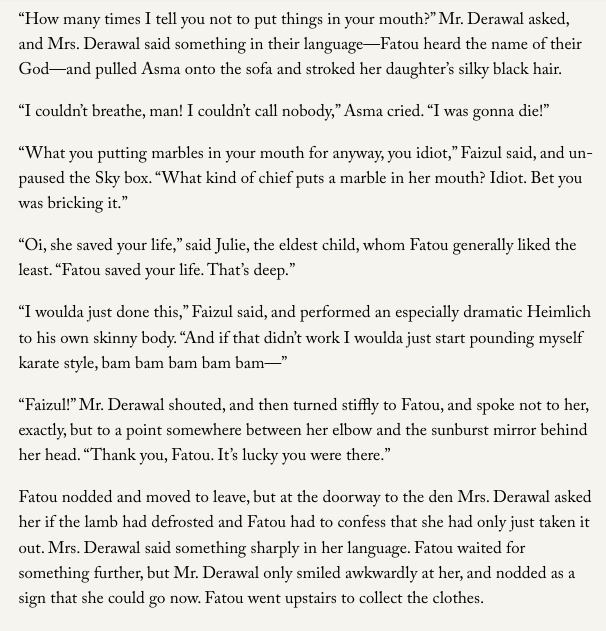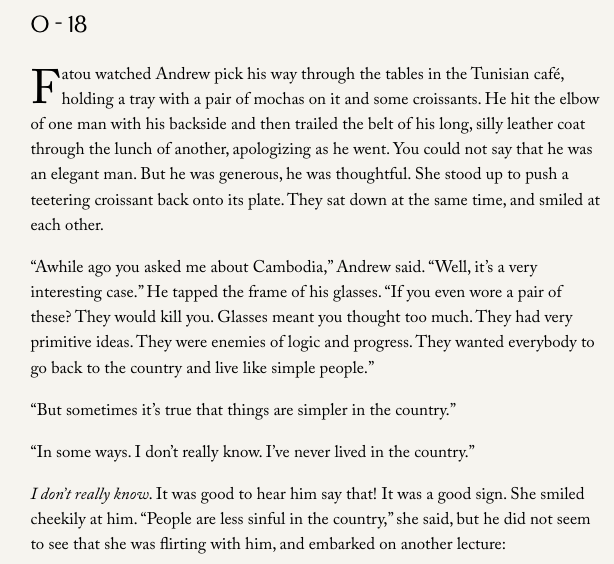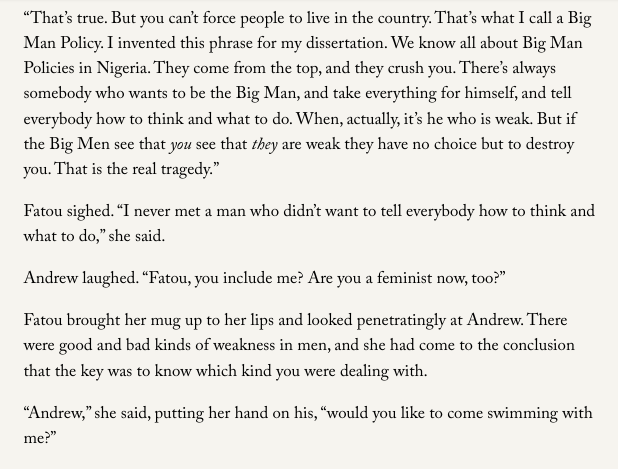
Embassy of Cambodia by Zadie Smith 2023

Last updated over 3 years ago
24 questions
Note from the author:
Guided reading for postmodern short story.
"The Embassy of Cambodia" and Postmodernism

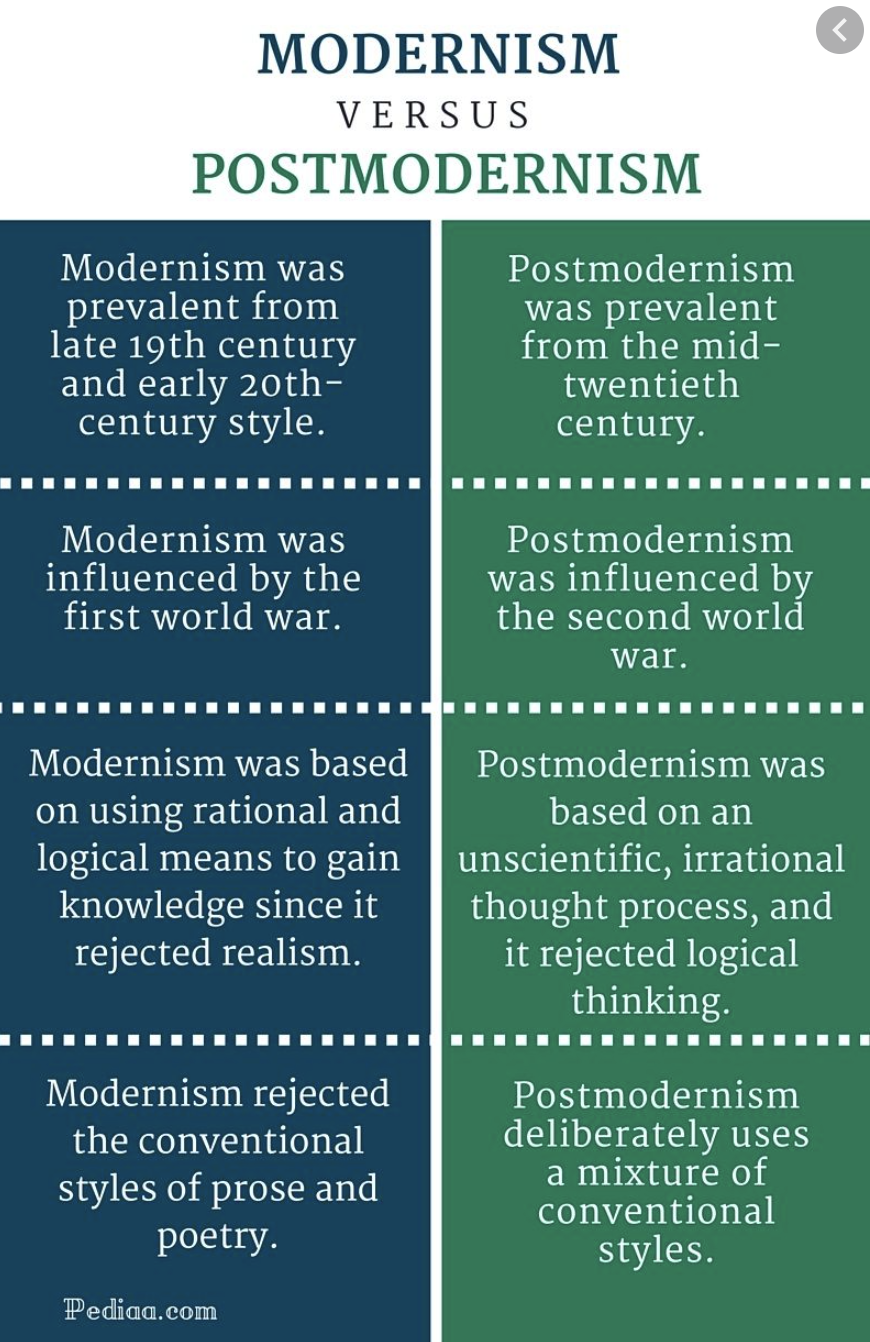
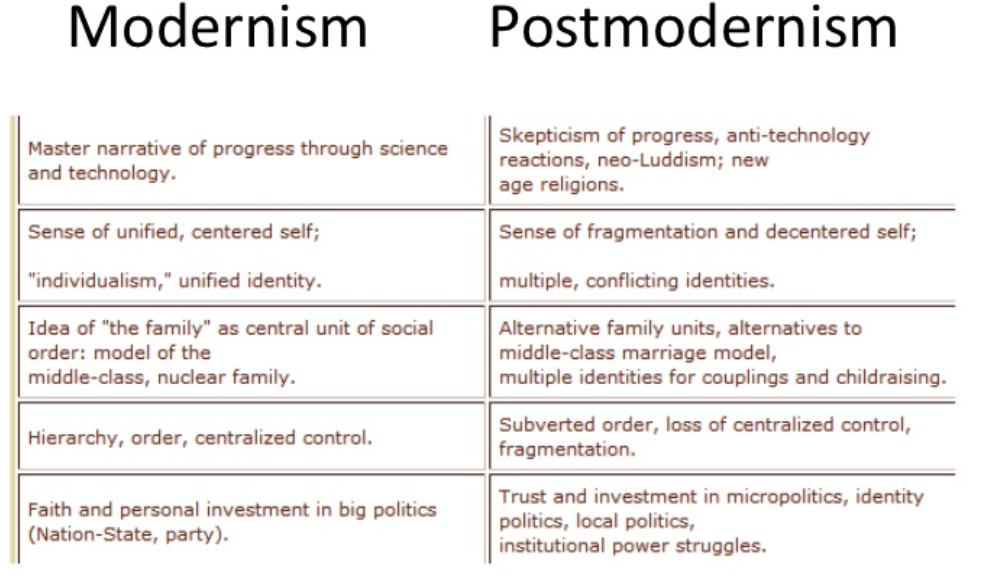
Postmodernism comes out of WWII. The Holocaust defied people's sense of reality, "how could this happen?" There didn't seem to be any logic about it so postmoderns abandoned logic and questioned EVERYTHING. Nothing deemed "true" could be taken for granted.

Watch the edpuzzle on Postmodernism:

https://edpuzzle.com/assignments/61d49075cf3cdf4307d32ca5/watch
In Modernism, authors tried to get inside the head of the individual with stream of consciousness and inner monologues to define them.

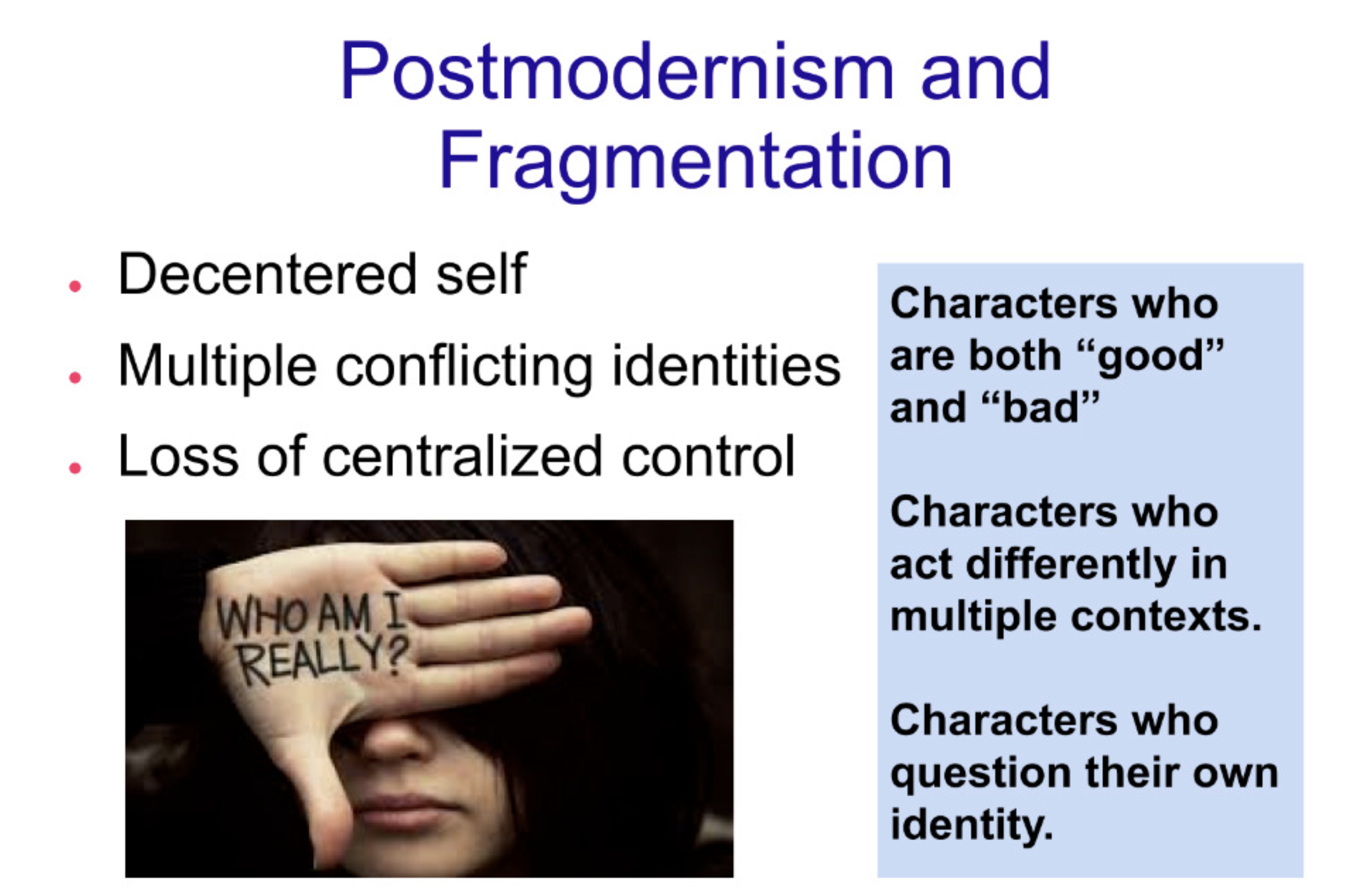
Postmodernism says we have multiple identities depending on the context, so we have to question how the context influences the identity and vice versa. This is also known as the "decentered self."

Important to Know Before You Read

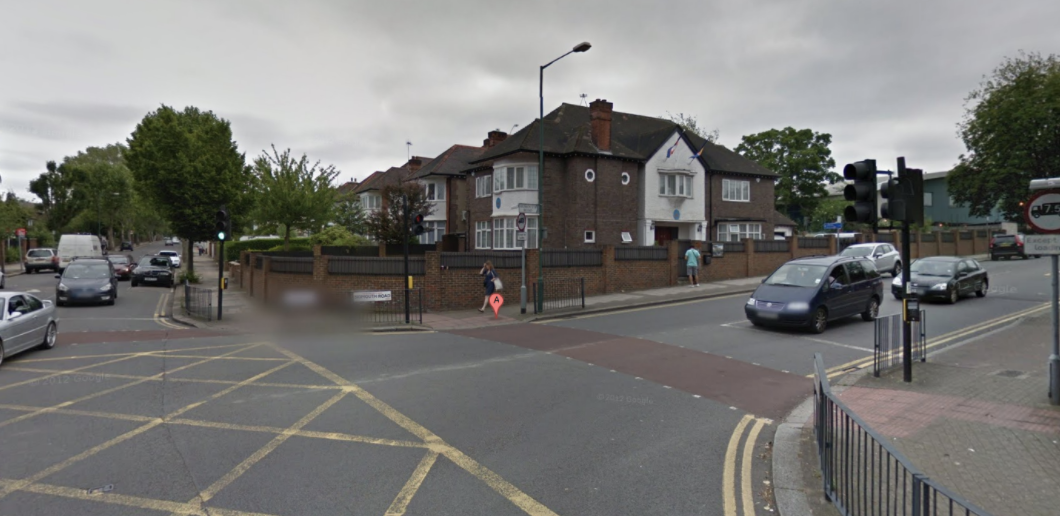
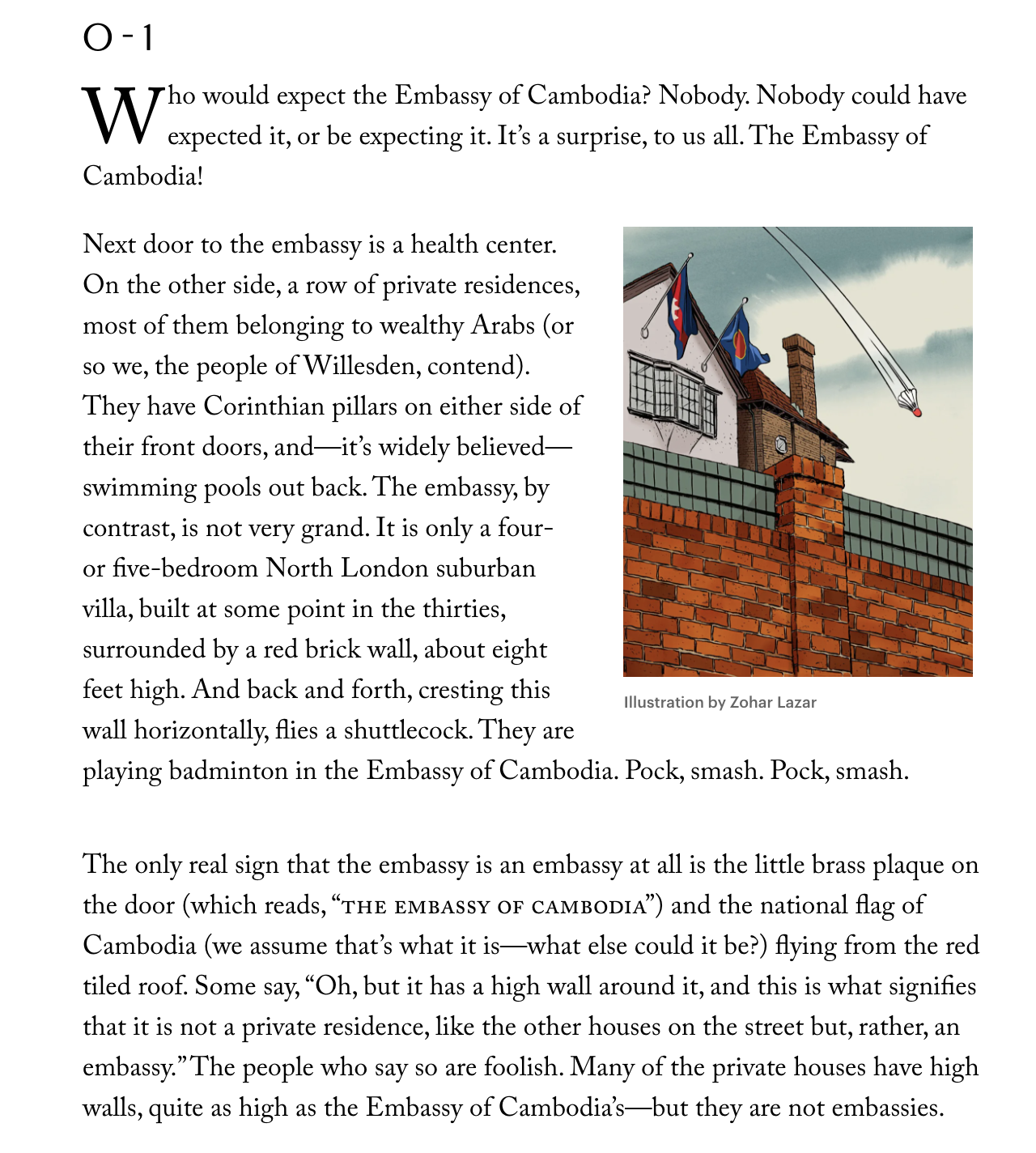
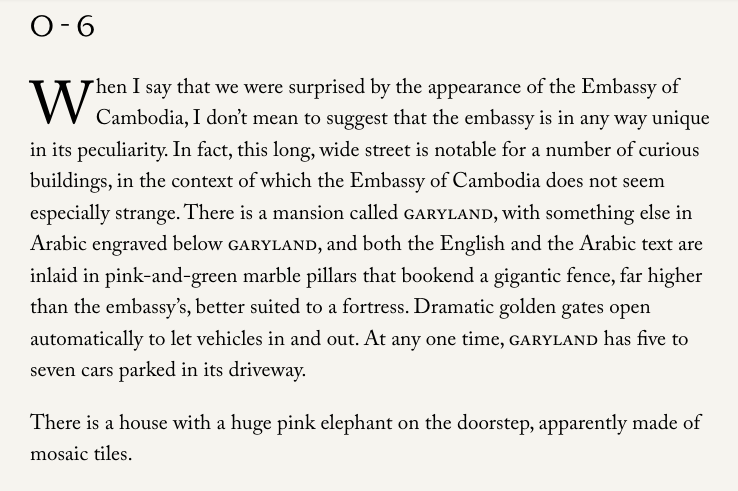
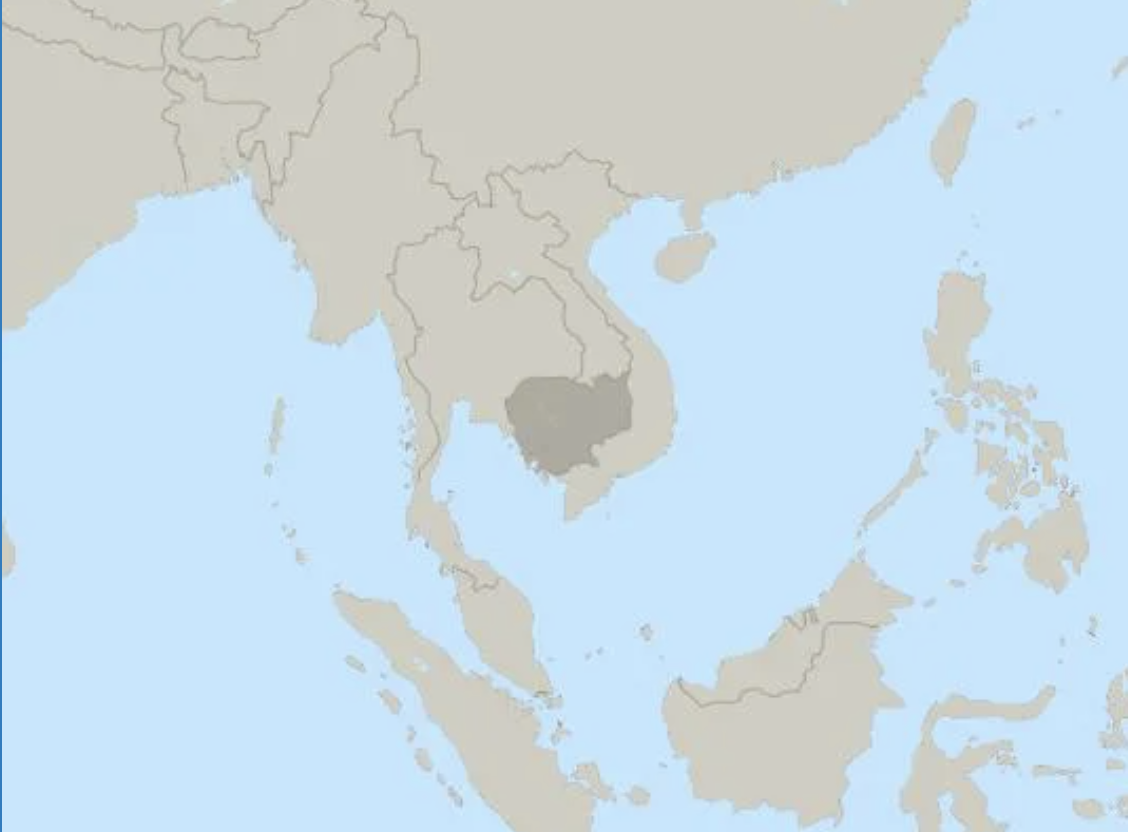
The Embassy of Cambodia is a real place (See picture to the left)


An EMBASSY is "the base for a country’s diplomatic mission abroad – meaning all of the political, cultural and social relationships between the states. There will only be one embassy for one nation in another country, as it is where the country’s ambassador works (and sometimes resides)."

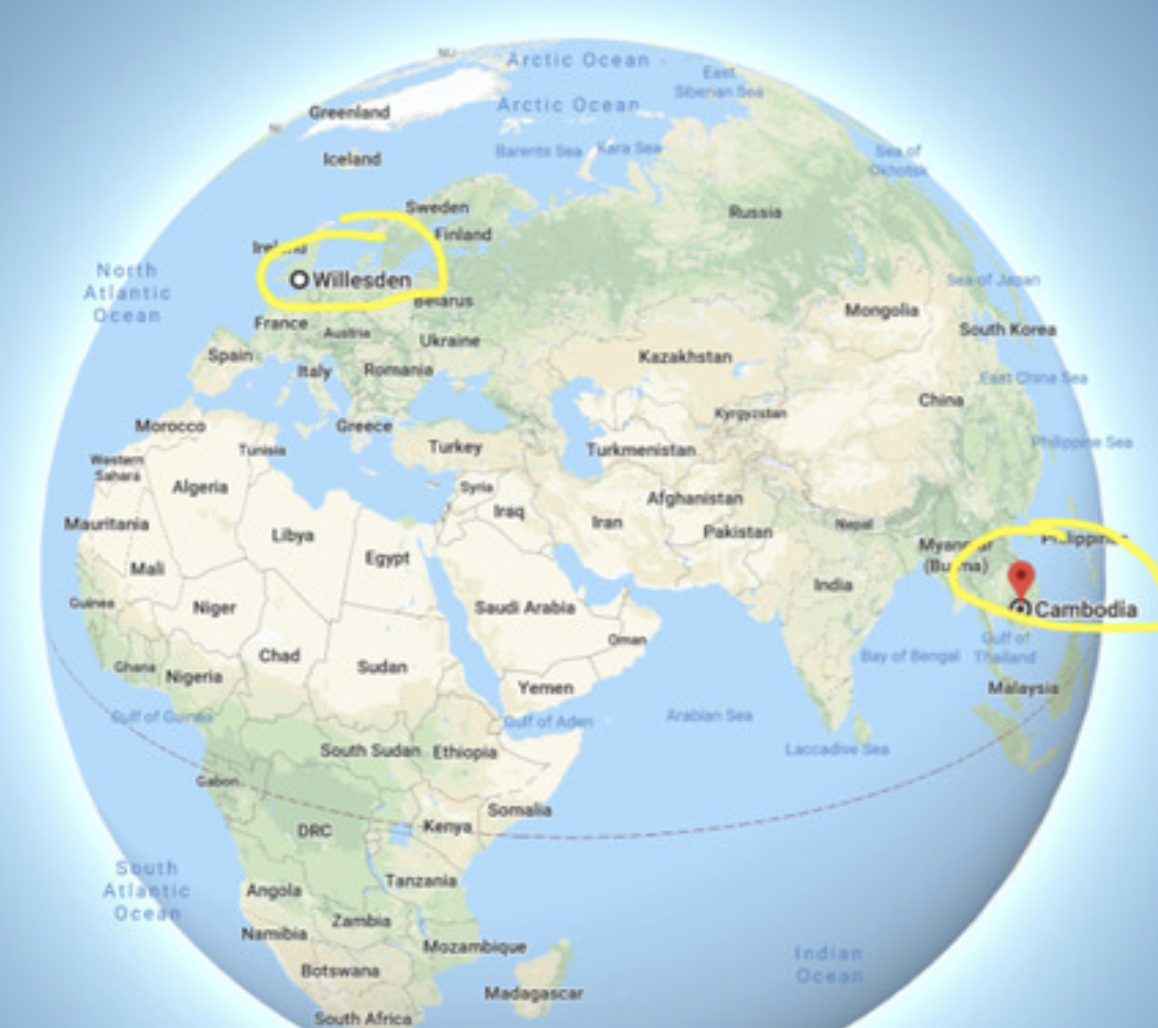
CAMBODIA - "The ruling Cambodian People’s Party (CPP) maintains power through violent attacks, politically motivated prosecutions, draconian laws, and corruption. Prime Minister Hun Sen, in power since 1985, oversees effectively one-party rule in the National Assembly since CPP-controlled courts dissolved the main opposition Cambodia National Rescue Party in 2017."


The Cambodian Genocide (1975-1979) "was an explosion of mass violence that saw between 1.5 and 3 million people killed at the hands of the Khmer Rouge, a communist political group. The Khmer Rouge had taken power in the country following the Cambodian Civil War. During their brutal four-year rule, the Khmer Rouge was responsible for the deaths of nearly a quarter of Cambodians.
The Cambodian Genocide was the result of a social engineering project by the Khmer Rouge, attempting to create a classless agrarian society. The regime would ultimately collapse when the neighboring Vietnam invaded, establishing an occupation that would last more than a decade."
Badminton- "is a racquet sport played by either two opposing players (singles) or two opposing pairs (doubles). The players or pairs take positions on opposite halves of a rectangular court that is divided by a net. Unlike many racquet sports, badminton does not use a ball: badminton uses a feathered projectile known as a shuttlecock. Since the shuttlecock is strongly affected by wind, competitive badminton is always played indoors."

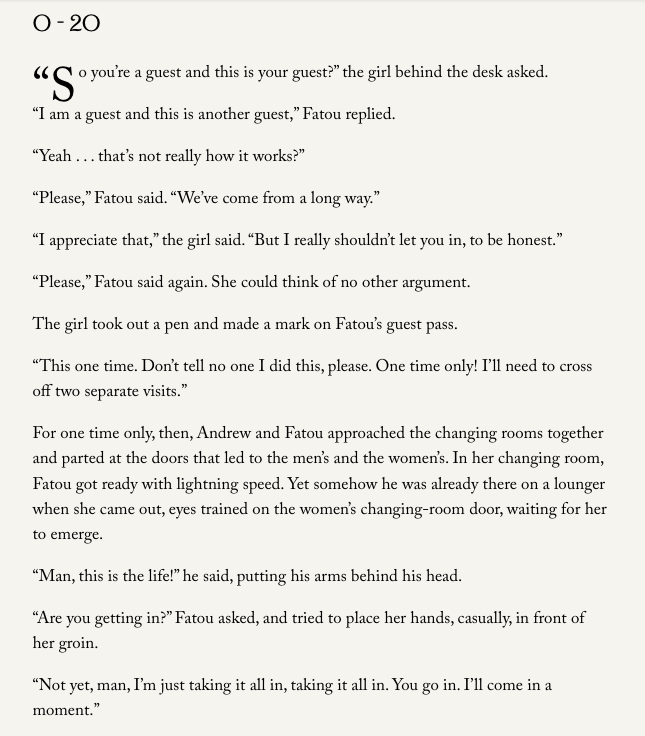
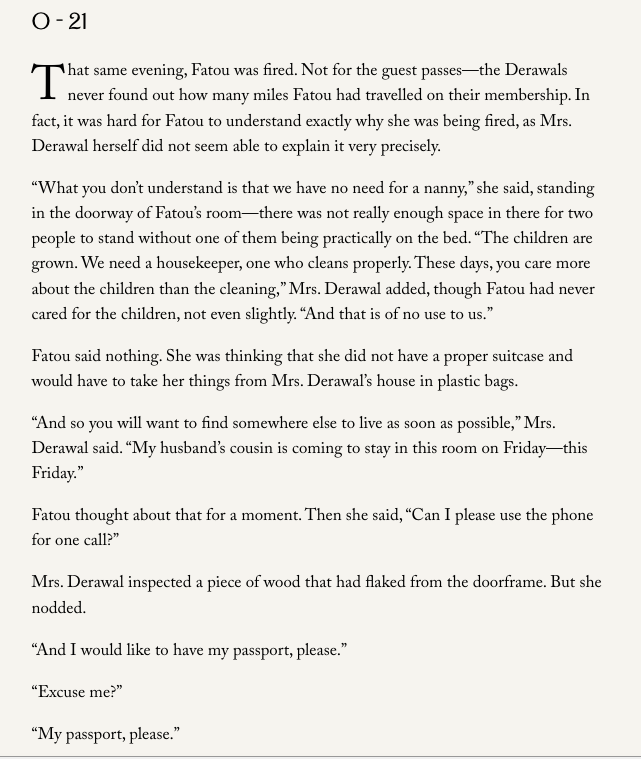
Notice that the sections of the story are labelled as a badminton score 0-1, 0-2, 0-3, etc.

To win, one must reach 21 points.

Read the short story and answer questions to identify the postmodern characteristics.

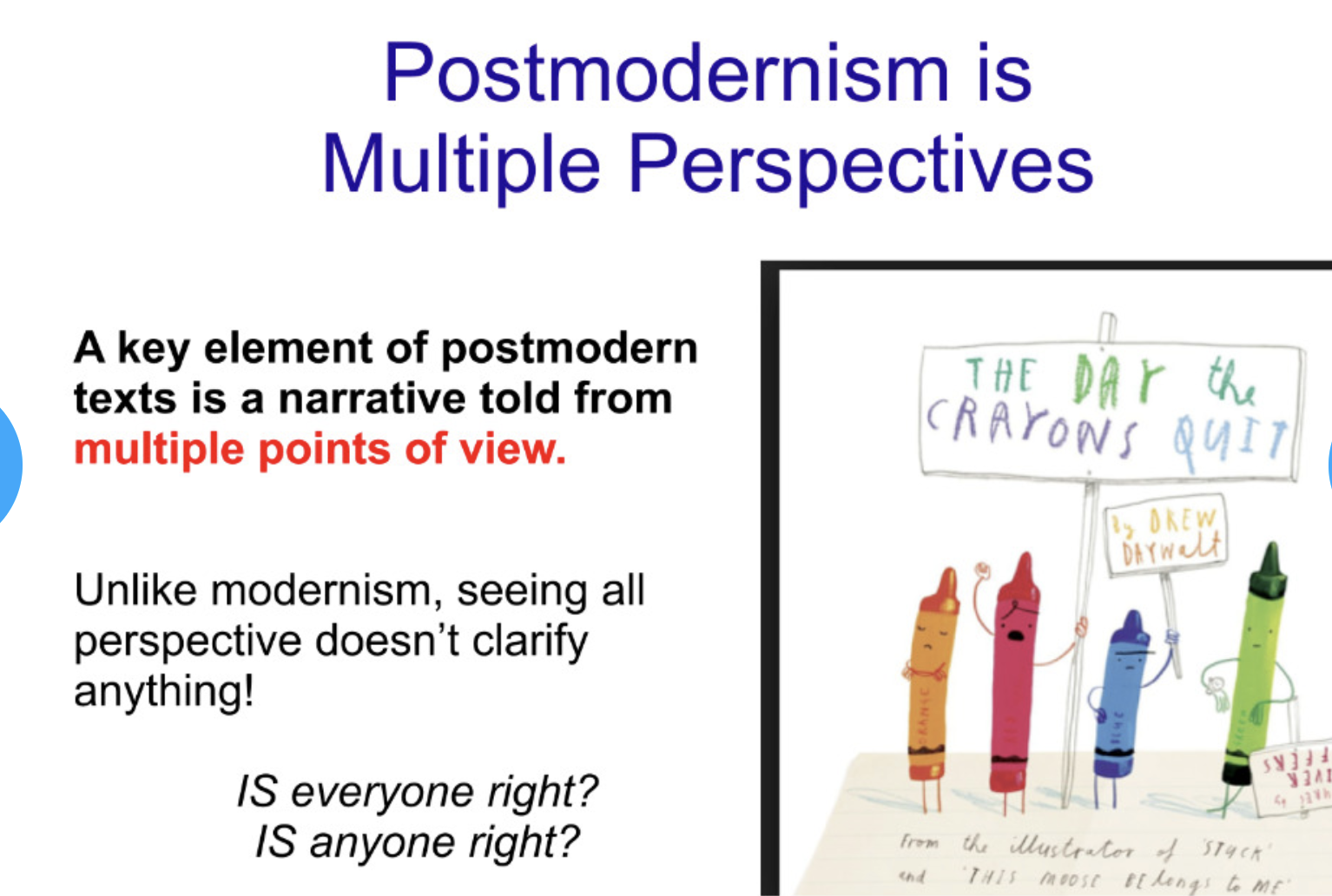
In the short story "Embassy of Cambodia," you should look for different points of view.

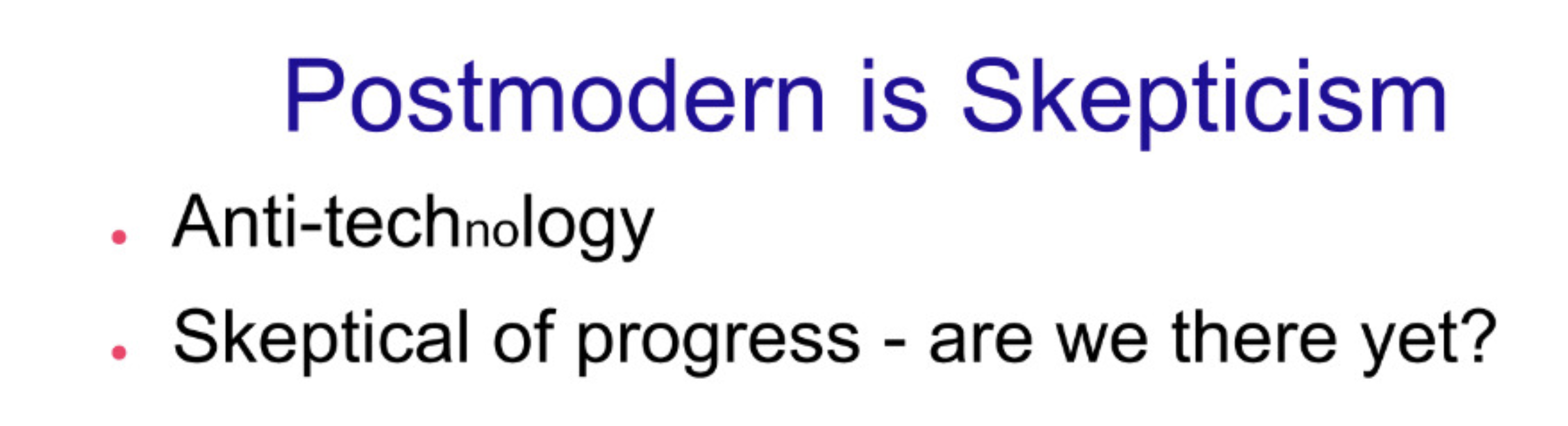
Multiple points of view in postmodern literature give you a hint about the context, but always leads to more questions.
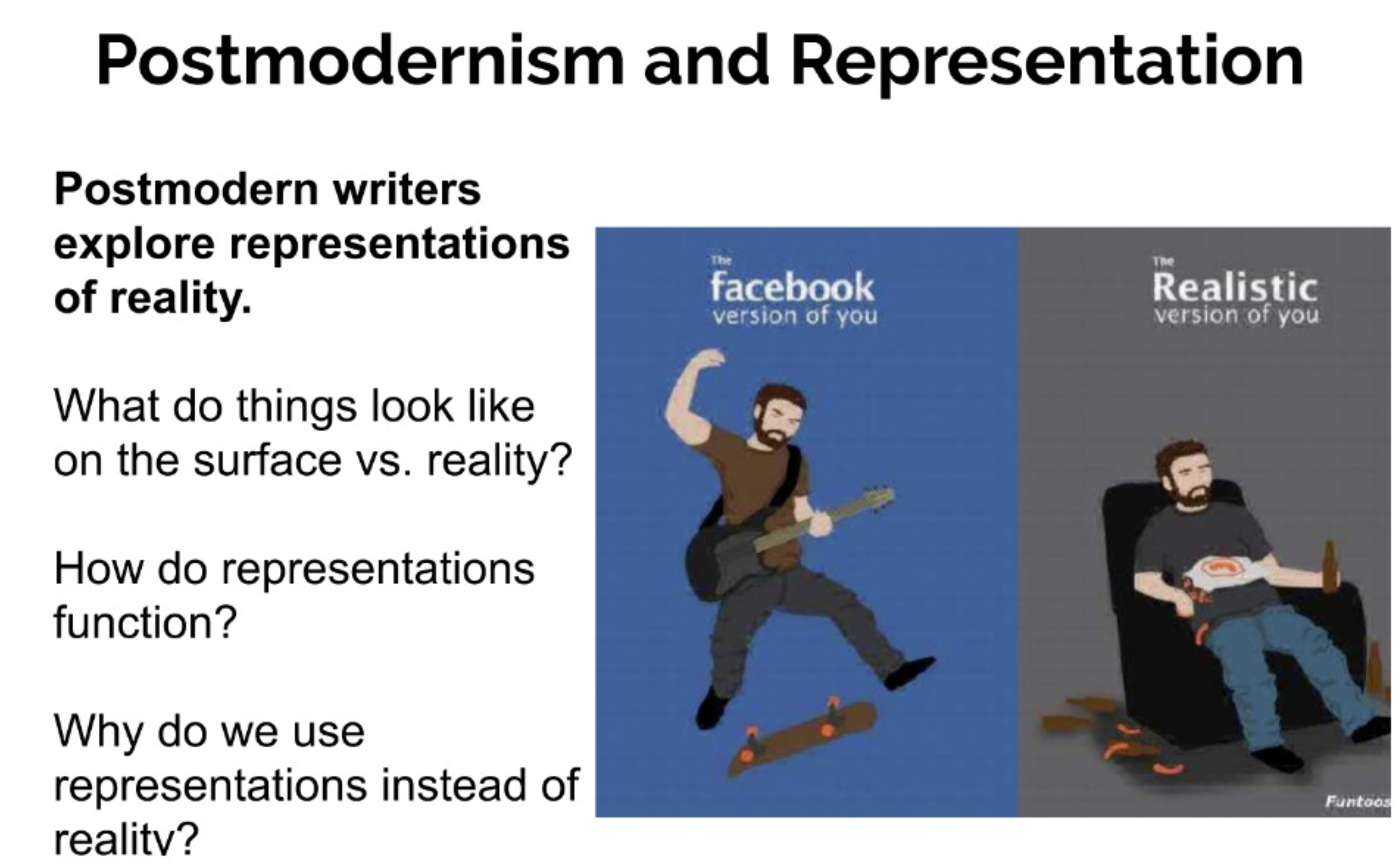
In "Embassy of Cambodia" things aren't what they seem, such as the embassy itself.
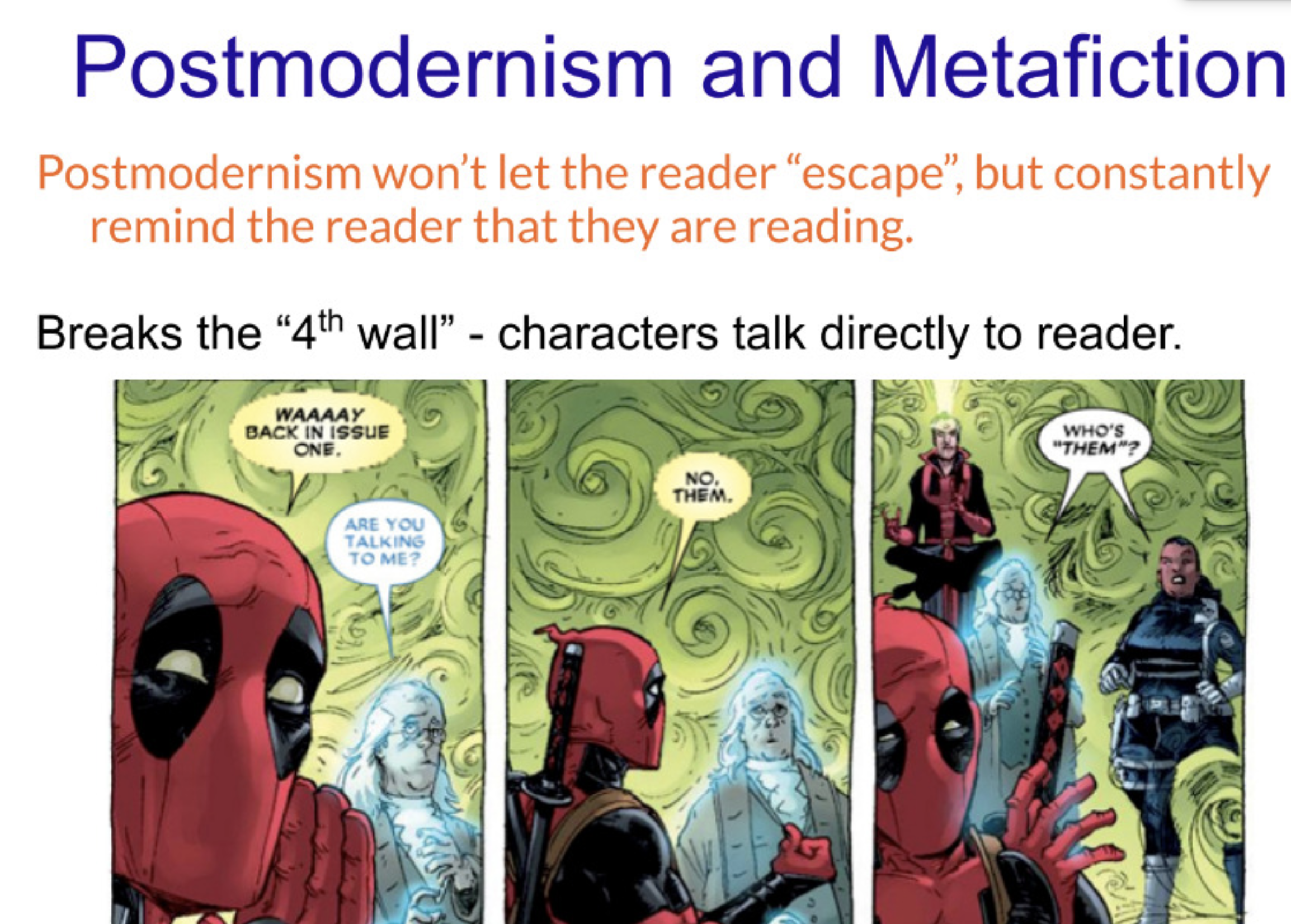
In "Embassy of Cambodia", the narrator speaks to you.
Watch for characters who question their identity.
In this text you are going to see the question "Why do people suffer?"
Is it because of a lack of human caring? An inability to relate to those who are different? Power hungry people bent on oppression of others? A divine battle between good and evil causing collateral damage? Maybe all of the above?

Smith uses fragmentation, questioning representations, and multiple POVS to "answer" the question. Your job is to figure out what the answer is or at least what the answer is not....
2

The embassy DIFFERS from more traditional representations of diplomatic buildings because ALL of the following reasons EXCEPT...
1

Who is the narrator?

2

Which of the following is UNTRUE about Fatou?
1

The change of narrative focus is an example of which postmodern technique?

1

What is the people of Willesden's reaction to the Embassy of Cambodia?
Read more about the Cambodian Genocide here:
https://www.bbc.com/news/world-asia-pacific-10684399
The setting of this story mentions the 2012 Summer Olympics in London.

Important to note that Cambodia did not win any medals in this Olympics.
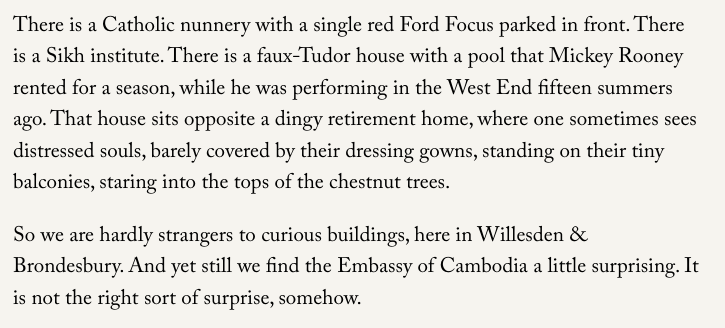
Question 7 refer to chapters 0-4 through 0-6.
2

Which of the following is UNTRUE about the Embassy of Cambodia?
This feels like an unimportant detail. However, consider that whoever is playing has no interest in anything but the game of badmitton.
2

The narrator's description of Willesden implys that the town is...
2

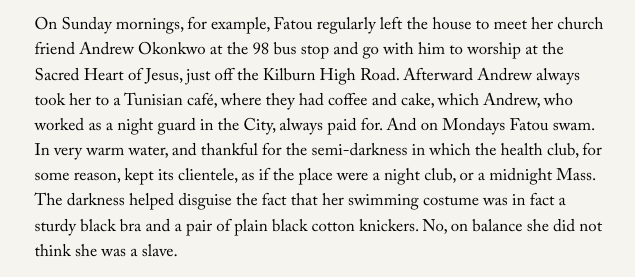
In YOUR opinion, is Fatou a slave? Why or why not? What criteria of slavery does Fatou meet or not meet in your definition?

2

In FATOU'S opinion is she a slave? Why or why not? What criteria of slavery does Fatou use in her definition?
Consider how the different definitions of slavery could create suffering.
2

What assumptions does Fatou make about the Cambodian woman? How does her expectation not match the reality?
Note the shifts back and forth in perspectives...kind of like a badmitton game???
1

For what reason do the people of Willesden say they can't follow every country in the world's history? Do you agree? Why or why not?
Remember I said to note the chapter titles mimic the score of a badmitton game?

We are now at the longest "chapter" and the midpoint of the game.
1

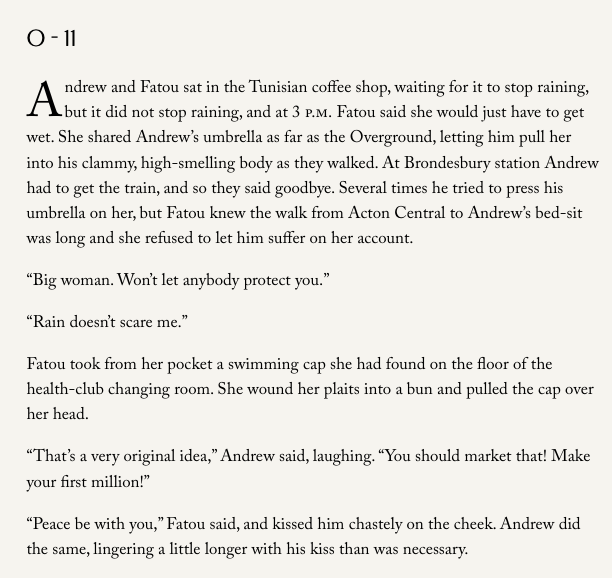
Andrew acknowledges that it is impossible for any human to care about the suffering of ALL people and only God is capable of that.

Andrew says peope only really care about the suffering of their own people. Do you agree with him? Why or why not?

This may seems incredible to you that Fatou is not familiar with WWII and the bombing of Hiroshema. However, how much did you know about Cambodia's genocide before today?

Does this ignorance of others' suffering support Andrew's point?
Now we have potential players in the badmitton game.... I wonder who's winning?
2

What is your expectation of how the Derawal family reacts versus how they actually act? Why do you think the Derawals are acting this way about Fatou saving their daughter?
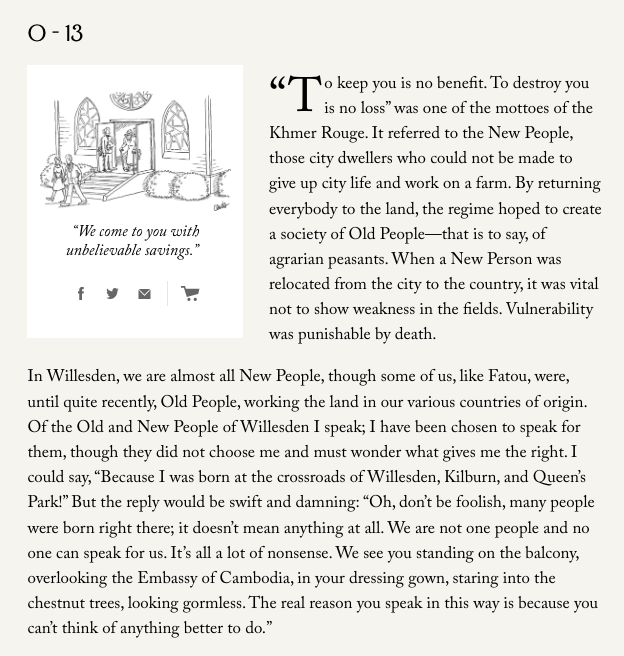
More about the Khmer Rouge: https://www.britannica.com/topic/Khmer-Rouge
1

How does the narrator compare the People of Willesden to the people in Cambodia under Khmer Rouge's rule?
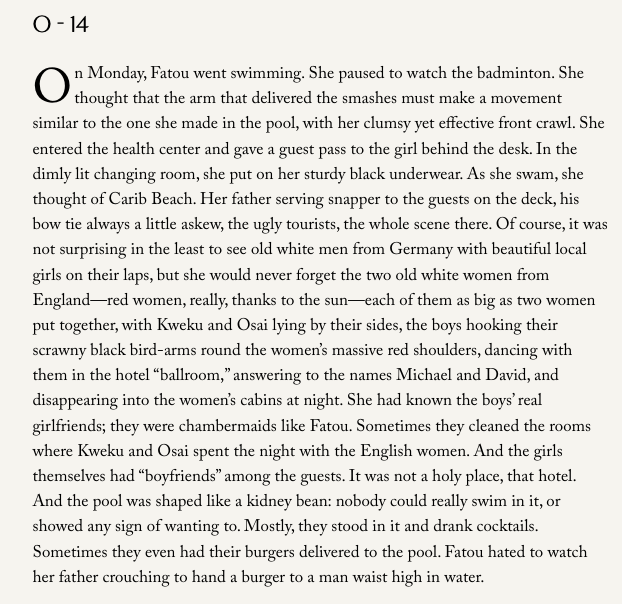
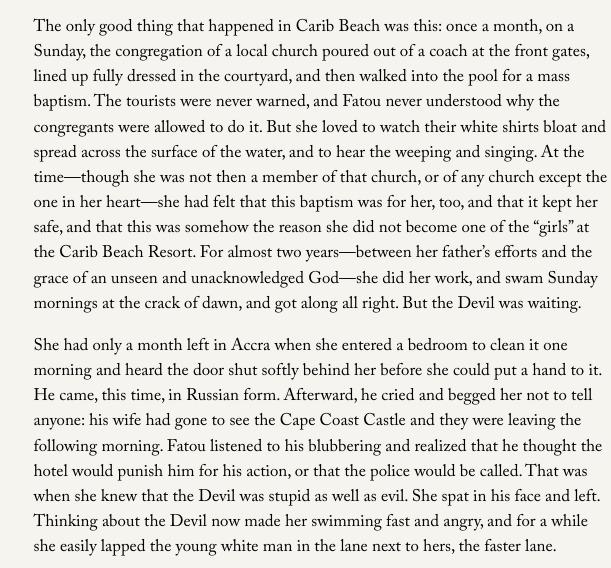
2

The juxtaposition of the pool baptisms and the Fatou's rape, calls into question "why do people suffer?" What conclusions does Fatou make about good and evil?
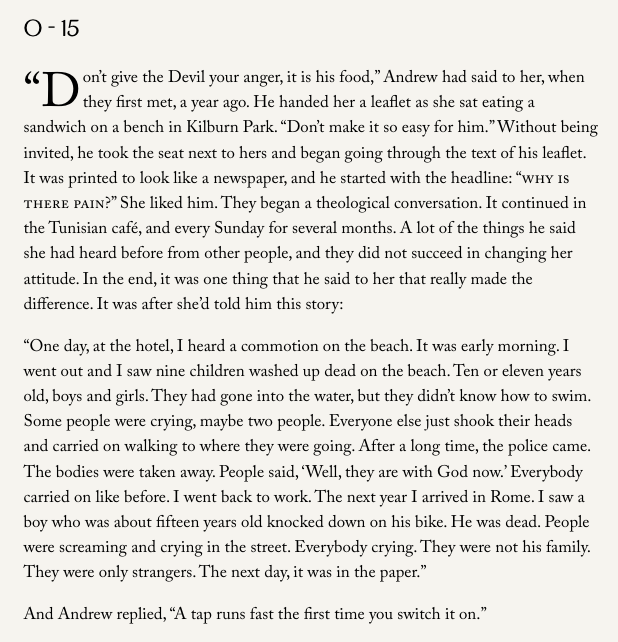
2

Explain what Andrew means by "a tap runs fast the first time you switch it on" in response to Fatou's story.
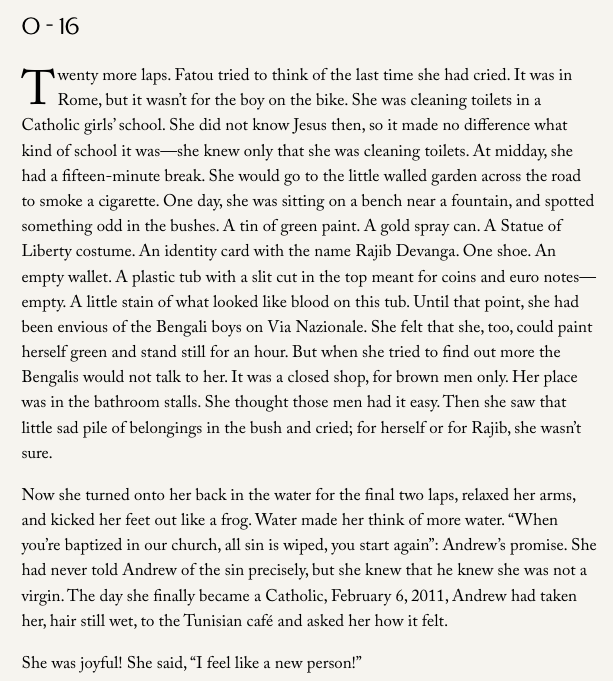
1

How does Fatou's reaction relate to Fatou and Andrew's earlier conversation about who cares about others' suffering?
1

What was Fatou's expectation for her life after baptism versus the reality?
2

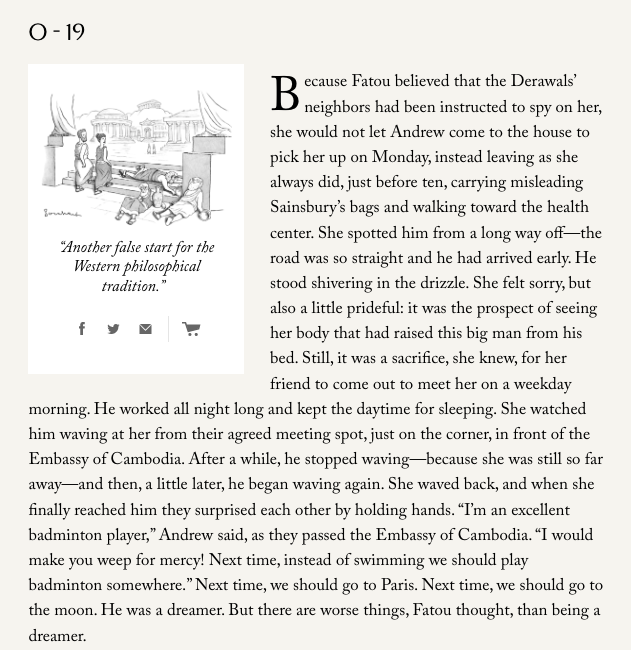
In your own words, explain Andrew's "Big Man Policy".
2

Andrew goes to the pool with Fatou despite being unable to swim and it being a sacrifice of his sleep before work. Why does he submit to suffering?
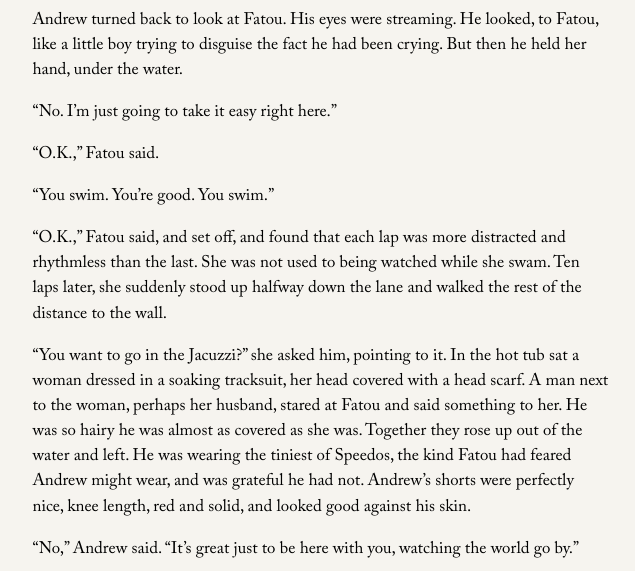
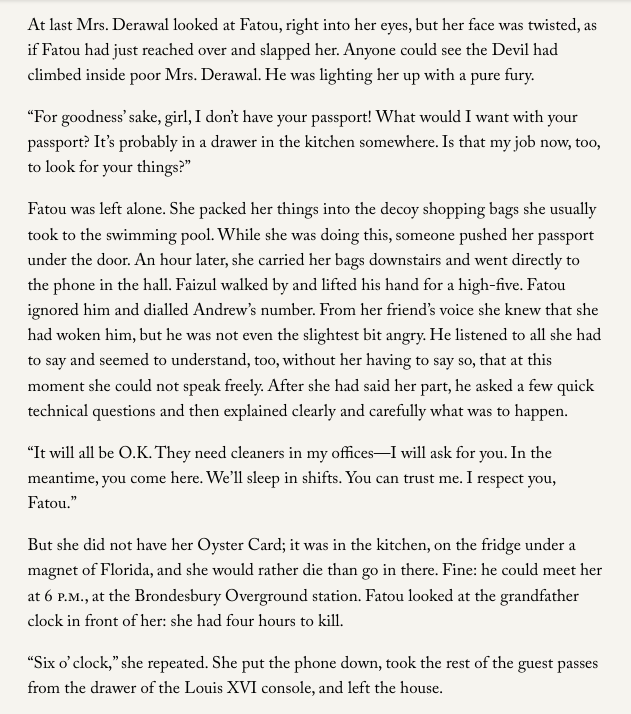
This is the winning point in an unequal match of badmitton. Consider who wins.
2

What motivates Mrs. Derawal to act this way?
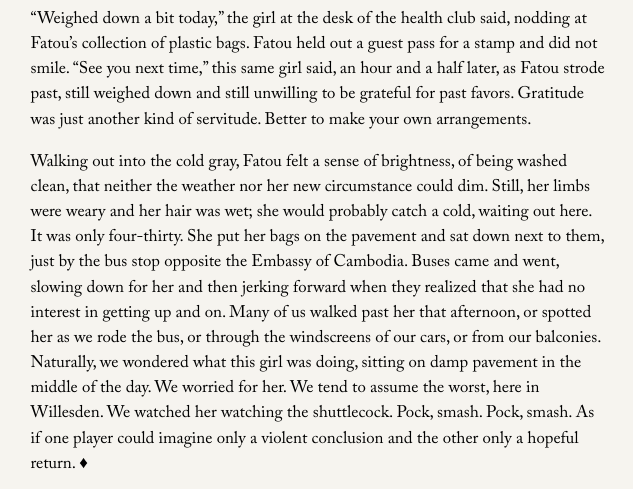
2

Should the people of Willesden help Fatou? They watched Fatou's life unfold, but have not intervened. Should they? Why/why not?

2

You've just witnessed Fatou's immigrant experience, her conversations with Andrew, and the thoughts of the People of Willesden about her. How does knowing all of these POVs answer the question of "Why do people suffer?"

2

How does the badmitton game connect to the theme about "why people suffer?" (consider the score, the relentless play, where it's played, etc.)

Submit "GOFORM" to Moodle!!!