Log in
Sign up for FREE
arrow_back
Library

Spanish I Mid-year exam: listening and reading responses

star
star
star
star
star
Last updated over 3 years ago
68 questions
1
1
1
1
1
1
1
1
1
1
1
1
1
1
1
1
1
1
1
1
1
1
1
1
1
1
1
1
1
1
1
1
1
1
1
1
Close all tabs except for this one.
Question 1
1.

Question 2
2.

Question 3
3.

Question 4
4.

Question 5
5.

Question 6
6.

Question 7
7.

Draggable itemarrow_right_altCorresponding Item
arrow_right_alt
arrow_right_alt
arrow_right_alt
arrow_right_alt
arrow_right_alt
arrow_right_alt
1
1
Question 10
10.
______________________ al fútbol americano
Other Answer Choices:
1
1
1
1
1
1
1
1
1
1
1
1
1
1
1
1
1
1
1
1
1
1
1
1
1
1
1
1
1
1
Question 41
41.

Question 42
42.

Question 43
43.

Question 44
44.

Question 45
45.

Question 46
46.

Question 47
47.

Question 48
48.

Question 49
49.

Question 50
50.

Question 51
51.

Question 52
52.

Question 53
53.

Question 54
54.

Question 55
55.

Question 56
56.

Question 57
57.

Question 58
58.

Question 59
59.

Question 60
60.

Question 61
61.

Question 62
62.

Question 63
63.

Question 64
64.

Question 65
65.

Question 66
66.

Question 67
67.

Question 68
68.

You are being introduced to Susana, a new student from Spain. What greeting is most culturally appropriate?
abrazo
saludo
besos
mano
Buenos dias, buenas tardes and buenas noches are all ways of ...
greeting people
saying goodbye
asking questions
describing things
Which phrase is used in the afternoon and evening
Buenos dias
Buenas tardes
Buenas noches
Which phrase is used in the morning and into the afternoon?
Buenos dias
Buenas tardes
Buenas noches
Which is not a way to say "goodbye" in Spanish?
Hasta Luego
Nos vemos
Hay tarea
Adios
What Spanish word means both "morning" and "tomorrow"
día
mañana
salud
tampoco
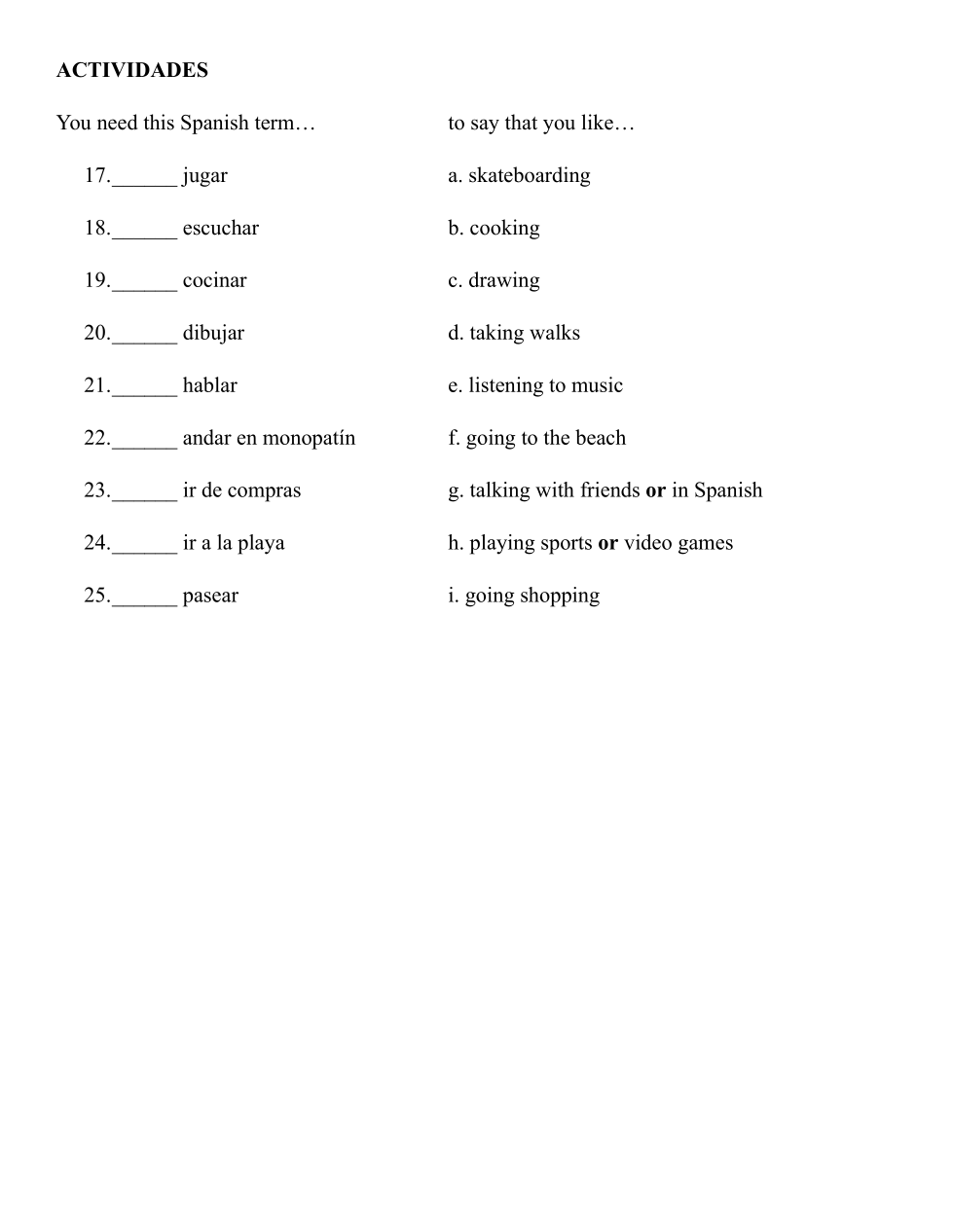
Match the Spanish phrase with itś function
Asking how someone is doing
¿Cómo te llamas?
Saying itś nice to meet someone
¿Cuántos años tienes?
Asking someone their name
¿De dónde eres?
Asking someone their age
¿Dónde vives?
Asking where someone is from
Encantado/Encantada
Asking where someone lives
¿Cómo estás?
Question 8
8.

Question 9
9.

Question 11
11.

Question 12
12.

Question 13
13.

Question 14
14.

Question 15
15.

Question 16
16.

Question 17
17.

Question 18
18.

Question 19
19.

Question 20
20.

Question 21
21.

Question 22
22.

Question 23
23.

Question 24
24.

Question 25
25.

Question 26
26.

Question 27
27.

Question 28
28.

Question 29
29.

Question 30
30.

Question 31
31.

Question 32
32.

Question 33
33.

Question 34
34.

Question 35
35.

Question 36
36.

Question 37
37.

Question 38
38.

Question 39
39.

Question 40
40.

el almuerzo
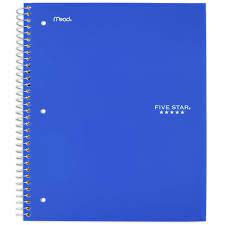
el cuaderno
el portátil
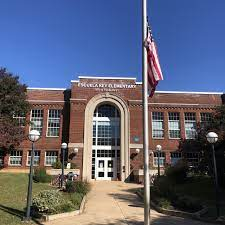
la escuela
el armario
el almuerzo
el cuaderno
los audífonos
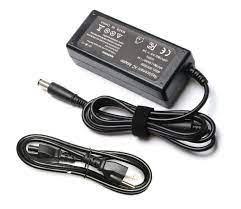
el cargador
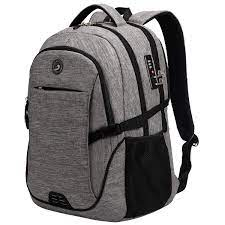
la mochila
el cuaderno
el portátil
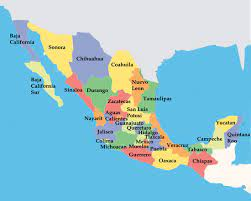
el mapa
el cargador
la mochila
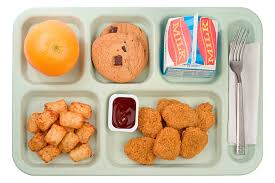
el almuerzo
el cuaderno
la escuela
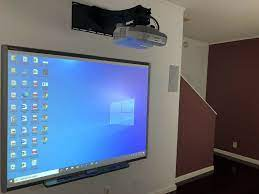
la pantalla
el cargador
el almuerzo
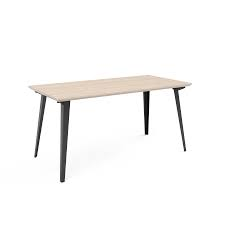
la mesa
el cargador
la mochila
el armario
el almuerzo
los audífonos
la mesa
la pantalla
el armario
el portátil
la mesa
el mapa
la escuela
el cargador
el cuaderno
los audífonos
el portátil
la mesa
el armario
el almuerzo
el cuaderno
la botella
la mesa
la escuela
los audífonos
el portátil
el cargador
la mochila
el armario
el almuerzo
el cuaderno
el portátil
el mapa
el cargador
el cuaderno
la mesa
la escuela
la pantalla
el armario
They give their name
True
False
¿De dónde es Enrique?
A
B
C
D
¿De dónde es Enrique?
A
B
C
D
María es profesora de Enrique.
True
False
La clase favorita de María es la biología
True
False
María y Enrique no son muy inteligentes.
True
False
They spell their name
True
False
They give their age
True
False
They tell what country they are from
True
False
They spell out the name of their home country
True
False
They tell where they live (now)
True
False
They describe their family.
True
False
They describe their school
True
False
They like sports.
True
False
They like the arts.
True
False
They ask what you like to do
True
False
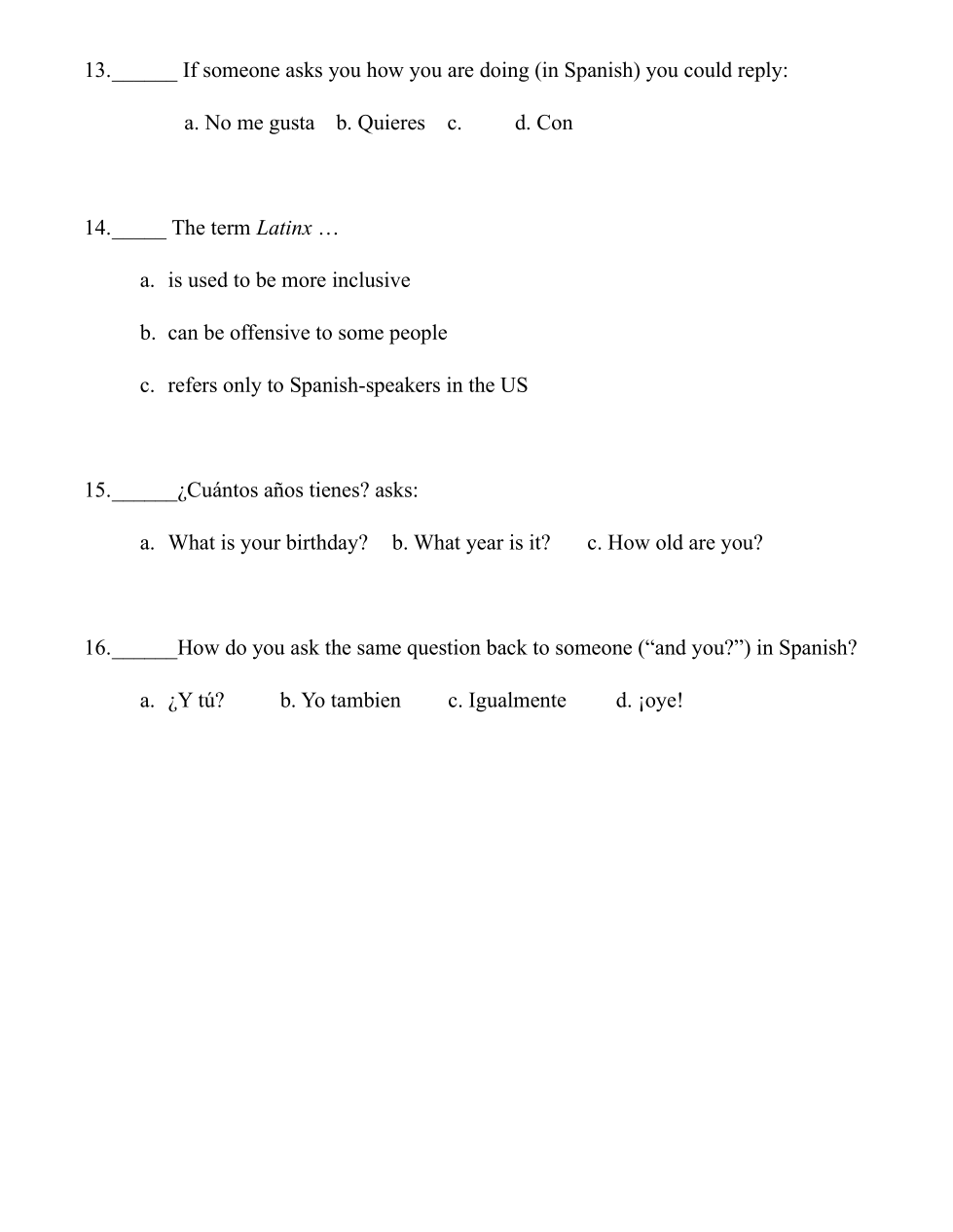
If someone asks you how you are doing (in Spanish) you could reply...
me gusta mucho
también
muy mal
copa mundial
How do you ask the same question back to someone ("and you?) ?
¿y tú?
¿dónde?
¿es importante?
¿tampoco?
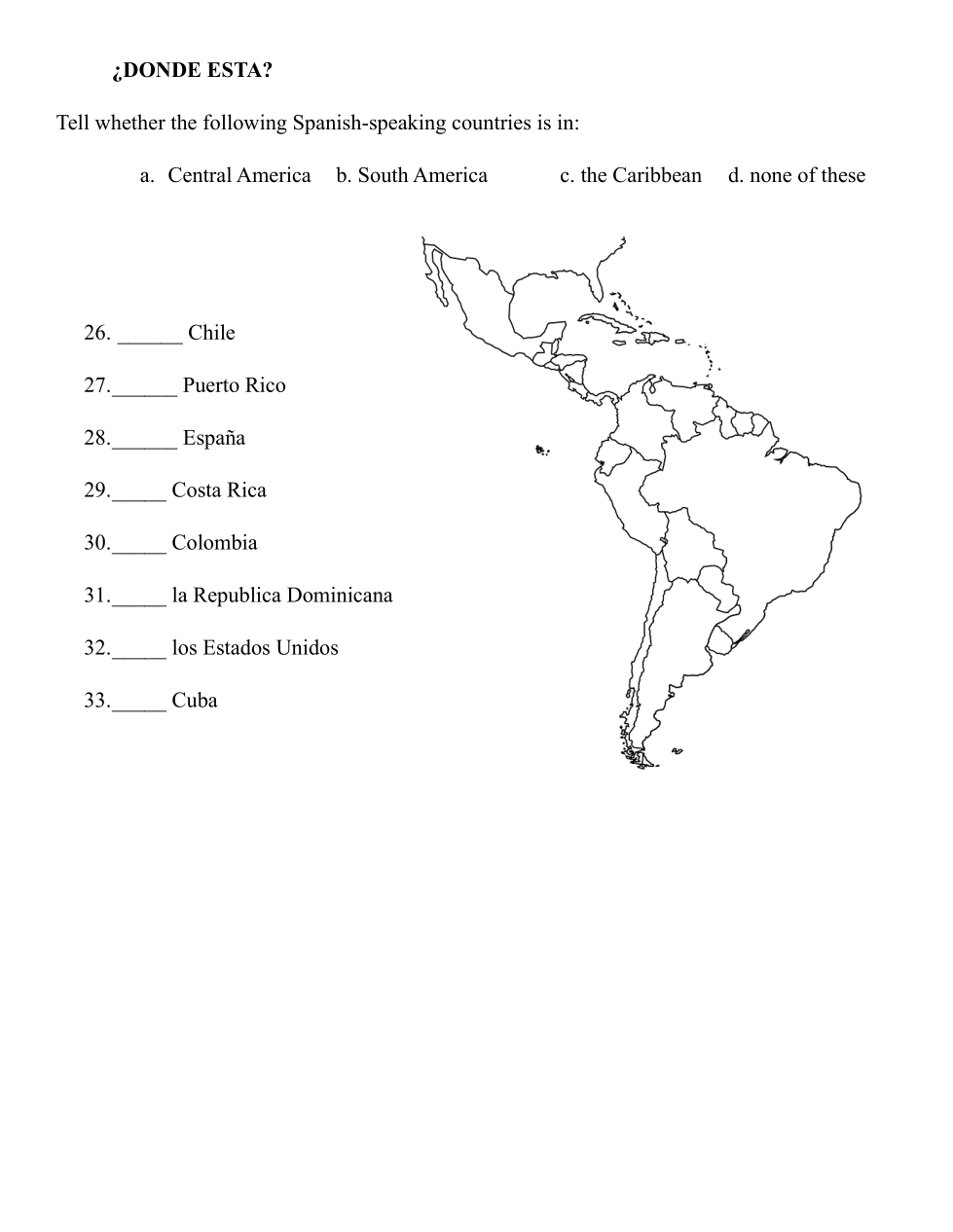
Chile está en...
América Central
América Sur
el Caribe
Europa
Puerto Rico está en...
América Central
América Sur
el Caribe
Europa
España está en...
América Central
América Sur
el Caribe
Europa
Costa Rica está en...
América Central
América Sur
el Caribe
Europa
Colombia está en...
América Central
América Sur
el Caribe
Europa
La República Dominicana está en...
América Central
América Sur
el Caribe
Europa
Cuba está en...
América Central
América Sur
el Caribe
Europa
Panamá está en...
América Central
América Sur
el Caribe
Europa
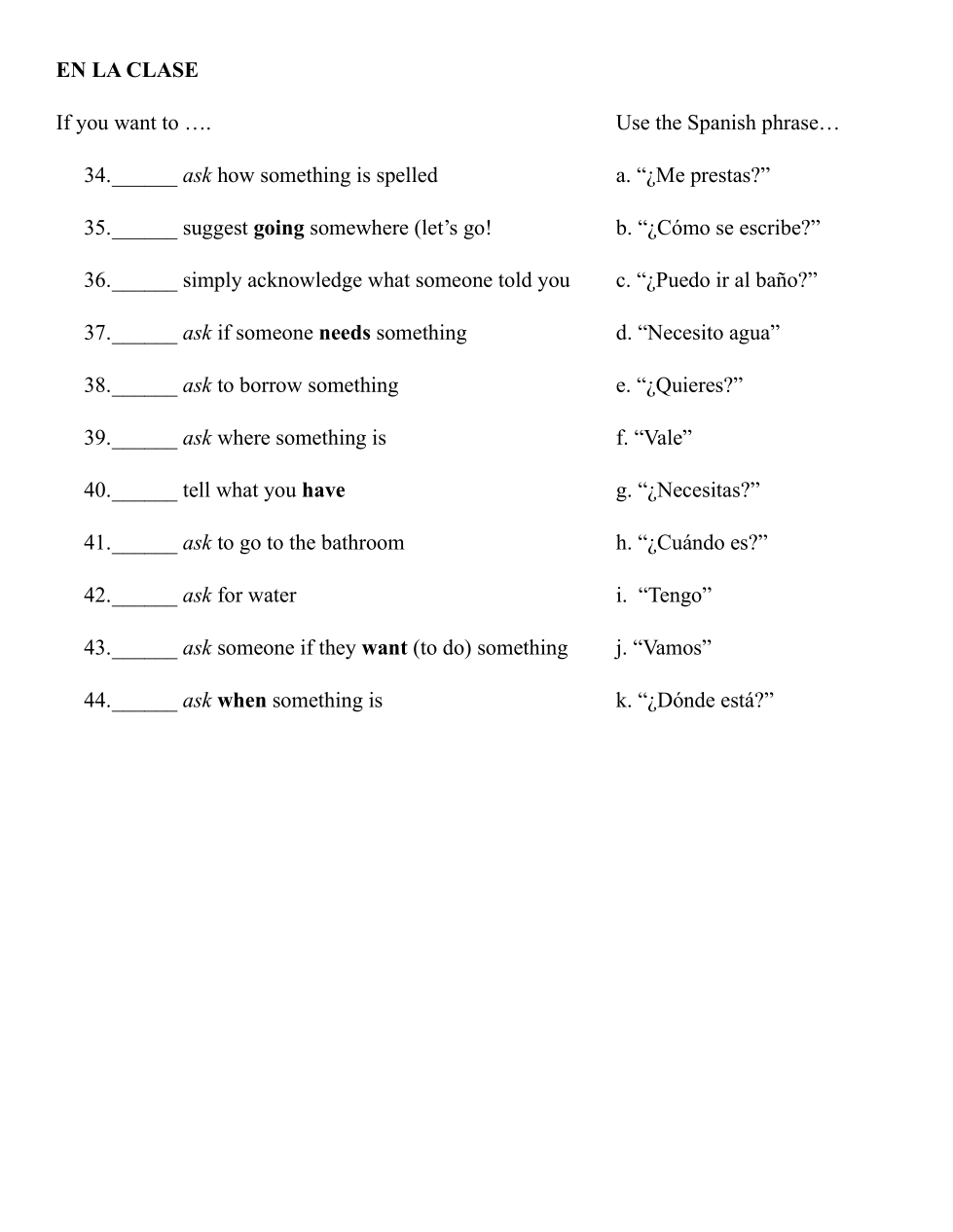
Saying that WE HAVE something
A “¿Me prestas?”
B “Tenemos un examen”
C “¿Puedo ir al baño?”
D “Necesito agua”
E “¿Quieres?”
F “Vale”
G “¿Necesitas?”
H “¿Cuándo es?”
I “Tengo”
J “Vamos”
K “¿Dónde está?”
Saying "Let's GO"
A “¿Me prestas?”
B “¿Cómo se escribe?”
C “¿Puedo ir al baño?”
D “Necesito agua”
E “¿Quieres?”
F “Vale”
G “¿Necesitas?”
H “¿Cuándo es?”
I “Tengo”
J “Vamos”
K “¿Dónde está?”
Confirming what someone says (saying "OK" or "sure")
A “¿Me prestas?”
B “¿Cómo se escribe?”
C “¿Puedo ir al baño?”
D “Necesito agua”
E “¿Quieres?”
F “Vale”
G “¿Necesitas?”
H “¿Cuándo es?”
I “Tengo”
J “Vamos”
K “¿Dónde está?”
Asking someone if they NEED something
A “¿Me prestas?”
B “¿Cómo se escribe?”
C “¿Puedo ir al baño?”
D “Necesito agua”
E “¿Quieres?”
F “Vale”
G “¿Necesitas un tenedor?”
H “¿Cuándo es?”
I “Tengo”
J “Vamos”
K “¿Dónde está?”
Asking if someone HAS something
A “¿Tienes un libro?”
B “¿Cómo se escribe?”
C “¿Puedo ir al baño?”
D “Necesito agua”
E “¿Quieres?”
F “Vale”
G “¿Necesitas?”
H “¿Cuándo es?”
I “Tengo”
J “Vamos”
K “¿Dónde está?”
Asking WHERE something is
A “¿Me prestas?”
B “¿Cómo se escribe?”
C “¿Puedo ir al baño?”
D “Necesito agua”
E “¿Quieres?”
F “Vale”
G “¿Necesitas?”
H “¿Cuándo es?”
I “Tengo”
J “Vamos”
K “¿Dónde está?”
Telling that they HAVE something
A “¿Me prestas?”
B “¿Cómo se escribe?”
C “¿Puedo ir al baño?”
D “Necesito agua”
E “¿Quieres?”
F “Vale”
G “¿Necesitas?”
H “¿Cuándo es?”
I “Tengo un boligrafo”
J “Vamos”
K “¿Dónde está?”
Asking permission to do something
A “¿Me prestas?”
B “¿Cómo se escribe?”
C “¿Puedo ir al baño?”
D “Necesito agua”
E “¿Quieres?”
F “Vale”
G “¿Necesitas?”
H “¿Cuándo es?”
I “Tengo”
J “Vamos”
K “¿Dónde está?”
Telling what they NEED
A “¿Me prestas?”
B “¿Cómo se escribe?”
C “¿Puedo ir al baño?”
D “Necesito agua”
E “¿Quieres?”
F “Vale”
G “¿Necesitas?”
H “¿Cuándo es?”
I “Tengo”
J “Vamos”
K “¿Dónde está?”
Asking if someone WANTS something
A “¿Me prestas?”
B “¿Cómo se escribe?”
C “¿Puedo ir al baño?”
D “Necesito agua”
E “¿Quieres?”
F “Vale”
G “¿Necesitas?”
H “¿Cuándo es?”
I “Tengo”
J “Vamos”
K “¿Dónde está?”
asking WHEN something is
A “¿Me prestas?”
B “¿Cómo se escribe?”
C “¿Puedo ir al baño?”
D “Necesito agua”
E “¿Quieres?”
F “Vale”
G “¿Necesitas?”
H “¿Cuándo es?”
I “Tengo”
J “Vamos”
K “¿Dónde está?”
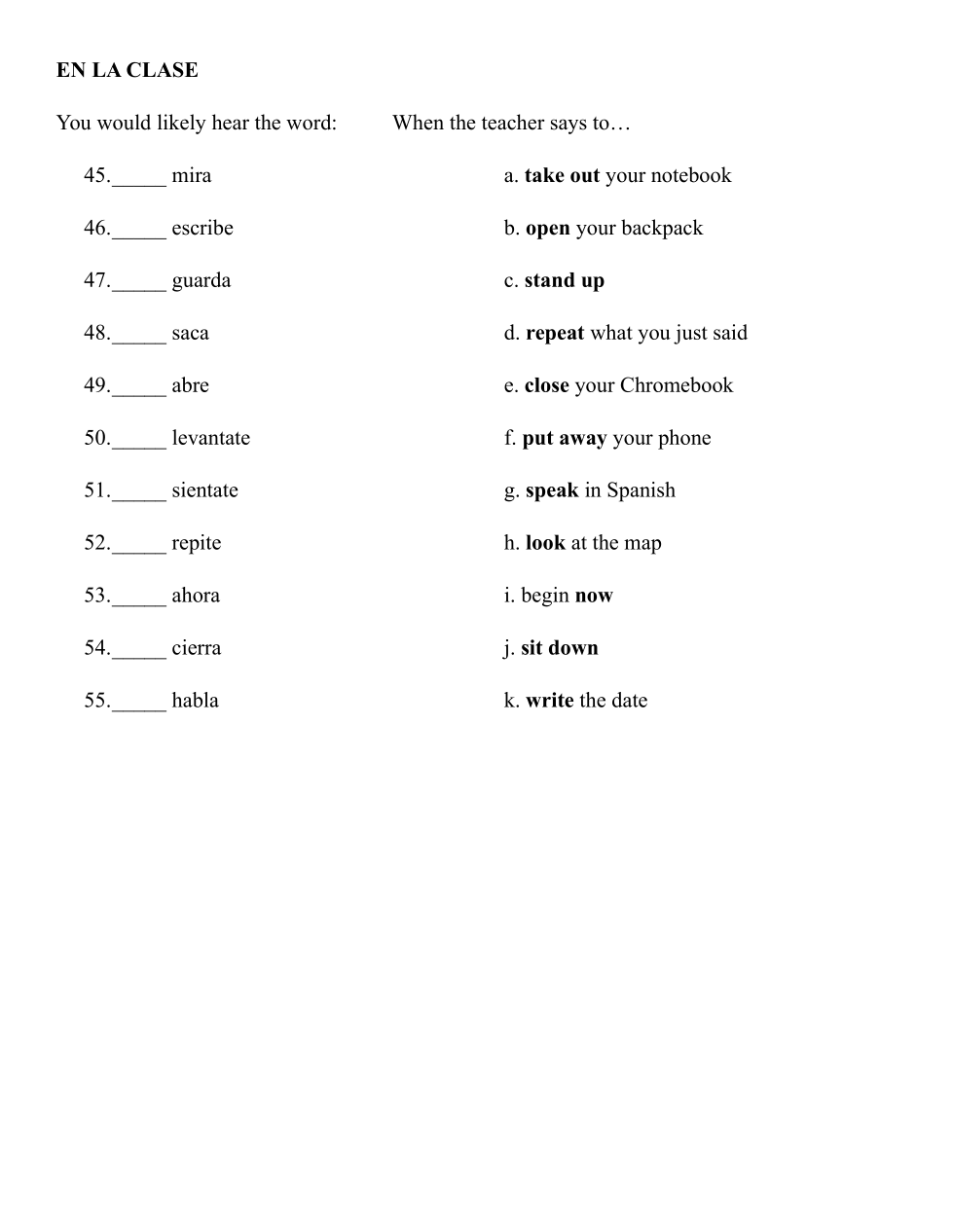
mira
A
B
C
D
E
F
G
H
I
J
K
escribe
A
B
C
D
E
F
G
H
I
J
K
guarda
A
B
C
D
E
F
G
H
I
J
K
saca
A
B
C
D
E
F
G
H
I
J
K
abre
A
B
C
D
E
F
G
H
I
J
K
levantate
A
B
C
D
E
F
G
H
I
J
K
sientate
A
B
C
D
E
F
G
H
I
J
K
repite
A
B
C
D
E
F
G
H
I
J
K
ahora
A
B
C
D
E
F
G
H
I
J
K
cierra
A
B
C
D
E
F
G
H
I
J
K
habla
A
B
C
D
E
F
G
H
I
J
K