What vocabulary word does this picture show?
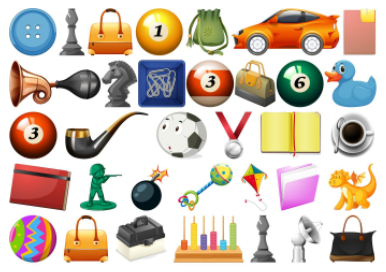
What vocabulary word does this picture show?
What vocabulary word does this picture show?
What vocabulary word does this picture show?
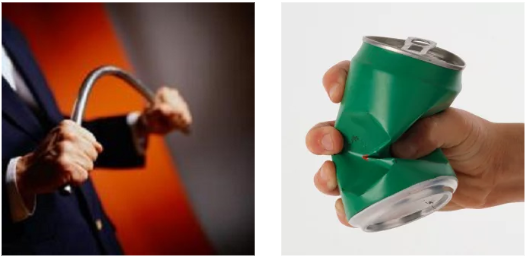
What vocabulary word does that picture show?
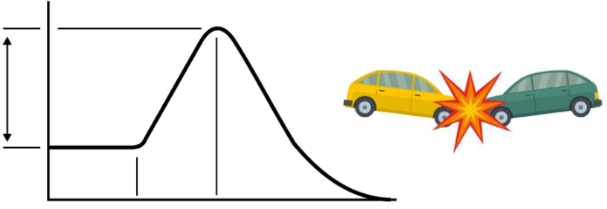
What vocabulary word does this picture show?
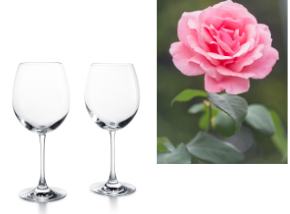
What vocabulary food does this picture show?
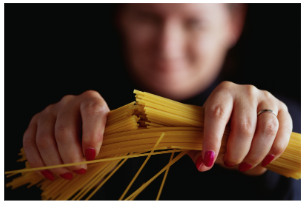
What vocabulary word does this picture show?
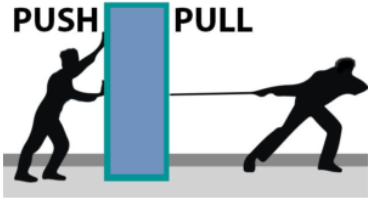
What vocabulary word does this picture show?
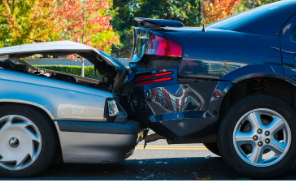
Which house has damage?
Which picture shows a contact force?
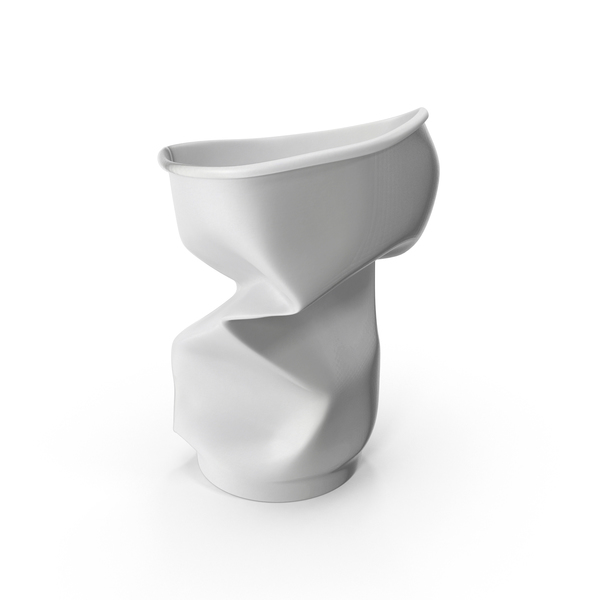
This cup has gone above its elastic limit. Why?
Look at the picture. The angry boy is applying a force to the chair.
Is the chair deforming?
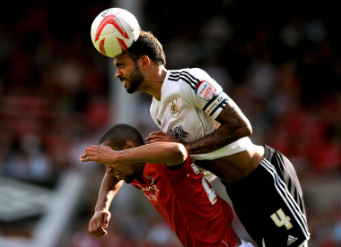
Explain your answer to number 15. Why would that happen to the forces?
The forces would ______________ because...
What is true about the forces in the collision between the soccer player's head and the ball?
What happens to the ball when the player's head applies a force to it?
If the speed of the ball increased, what would happen to the forces in the collision?
Now, the player got hit by a tennis ball, not a soccer ball. (But the speed of the tennis ball is the same as the soccer ball.) What would happen to the forces in the collision?
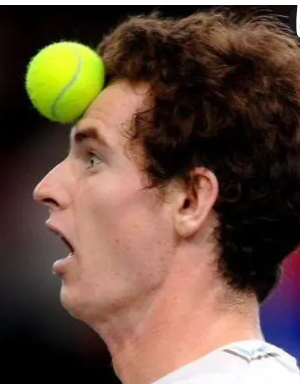
Draw a free body diagram for the ball.
-You only need to draw 1 force.
-Write where the force is coming from.
Before the collision, which objects had kinetic energy?
How could you increase the kinetic energy of the ball?
You could increase the kinetic energy of the ball by...
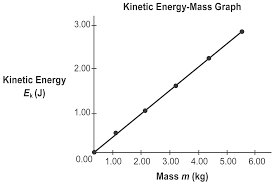
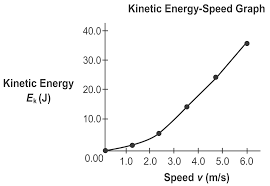
Look at the graphs. Graph 1 shows how mass affects kinetic energy. Graph 2 shows how speed affects kinetic energy.
Graph 1
Graph 2
If you wanted to increase the kinetic energy of the ball more, what should you do?