Log in
Sign up for FREE
arrow_back
Library

C10 - Circulatory System

star
star
star
star
star
Last updated about 1 year ago
18 questions
5
Question 18
18.

Question 2 | 00:32
Question 1 | 00:56
Question 10 | 01:06
Question 9 | 01:27
Question 8 | 01:58
Question 7 | 02:31
Question 6 | 03:03
Question 5 | 03:18
Question 4 | 03:49
Question 3 | 04:25
00:00/00:00
Question 2
00:32
keyboard_arrow_down
1
Question 1
00:56
keyboard_arrow_down
1
Question 10
01:06
keyboard_arrow_down
1
Question 9
01:27
keyboard_arrow_down
1
Question 8
01:58
keyboard_arrow_down
1
Question 7
02:31
keyboard_arrow_down
1
Question 6
03:03
keyboard_arrow_down
1
Question 5
03:18
keyboard_arrow_down
1
Question 4
03:49
keyboard_arrow_down
1
Question 3
04:25
keyboard_arrow_down
1
Question 11 | 00:13
Question 17 | 00:20
Question 16 | 00:28
Question 15 | 00:35
Question 14 | 00:44
Question 13 | 00:55
Question 12 | 01:02
00:00/00:00
Question 11
00:13
keyboard_arrow_down
1
Question 17
00:20
keyboard_arrow_down
1
Question 16
00:28
keyboard_arrow_down
1
Question 15
00:35
keyboard_arrow_down
1
Question 14
00:44
keyboard_arrow_down
1
Question 13
00:55
keyboard_arrow_down
1
Question 12
01:02
keyboard_arrow_down
1
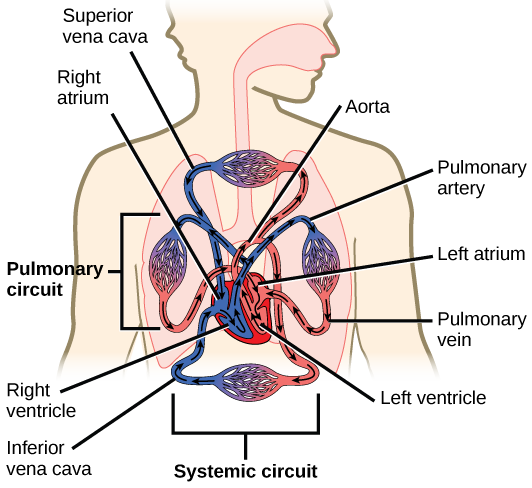
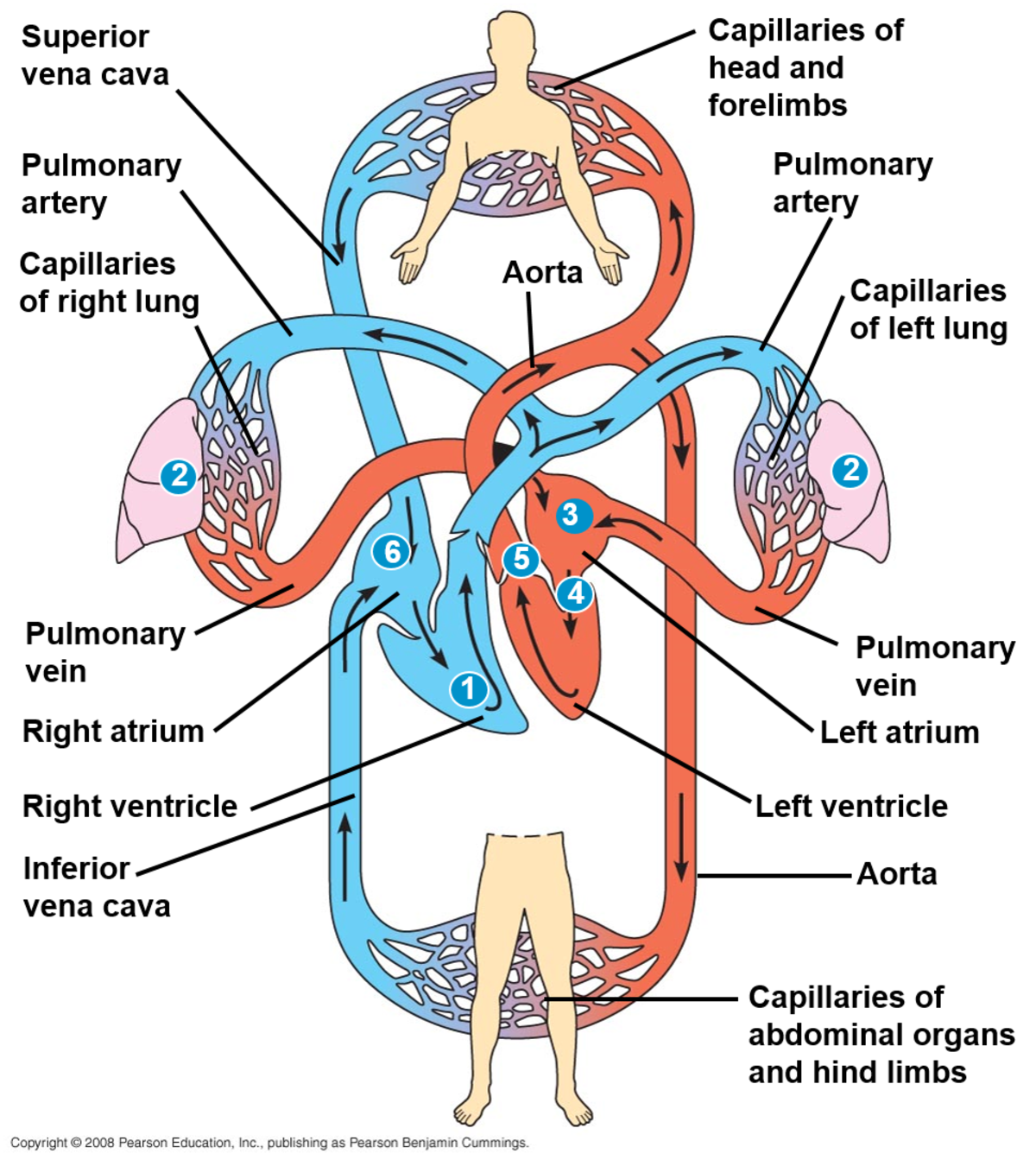
Create and label your own diagram of the circulatory system.
Here are a few examples that you can use to create your own.
For your own information,
* Ventricles and atriums are chambers in the heart that help it pump blood.
* The pulmonary circuit is the blood vessels in the lungs.
* The aorta and vena cava's are the main blood vessels that enter and leave the heart.
* Arteries carry blood away from the heart.
* Veins carry blood to the heart.
* Capillaries are where oxygen is dropped off to neighboring tissue.

Example 1:
Example 2:
Question 1
1.

Oxygen gas enters cells by...

Question 10
10.

For oxygen to reach the cells in our body what does it need?

Question 9
9.
To make red blood cells, the body uses raw _______ from the food we _______ and digest.

Word Bank:
clear
food
materials
eat
transit
Question 8
8.

Question 7
7.

The brain initiates breathing by sending a message through the

Question 6
6.
Word Bank:
loved
lungs
close
far
upside
kidney

Red Blood Cells (RBC's) traveling in vessels in the _______ can only pick up oxygen molecules that are very _______ to them.
Question 5
5.

Our lungs architecture ensure that very little oxygen is

Question 4
4.
Word Bank:
thick
thin
diffusion
oxygen
capillaries
carbon dioxide

The alveoli walls are made of _______ flat cells. The cells are surrounded by _______. Together, the capillaries and thin alveoli cells make a two-cell thick membrane that brings blood and _______ close enough for _______.
Question 3
3.

The powerhouse that pumps oxygen where it needs to go is called the "__________"

Question 11
11.
Arteries are _______ blood vessels that carry blood from the _______ to the rest of the body. This blood is rich in oxygen and _______.
Question 16
16.
Word bank:
capillary
tissues

The smallest branches of blood vessels is called the _______. At capillaries, oxygen is transferred from the blood to the _______.
Question 14
14.

Capillaries merge into larger vessels called...

Question 13
13.
Word Bank:
deoxygenated blood
organs
removed
veins

Blood is circulated back to the heart through blood vessels called _______. Veins deliver _______ back to the heart. On the way back to the heart, waste products in the blood are routed to other _______ where they are _______ for disposal.
Question 12
12.

As blood makes it's way back the heart it picks up

Red Blood cells are made in the cavities of our...
kidneys
bone marrow
lungs
intestines
pancrease
liver
James
lames
mains