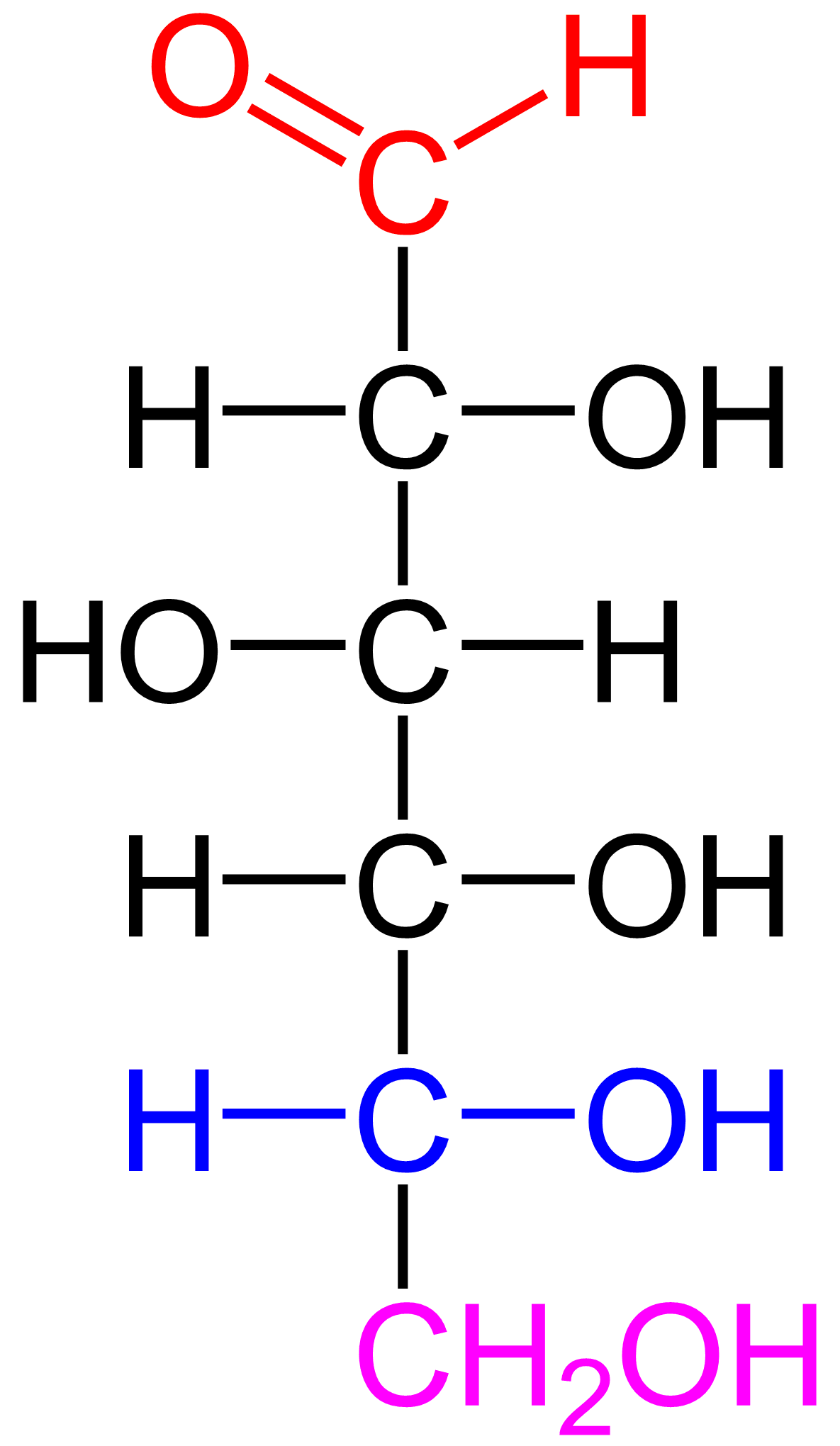
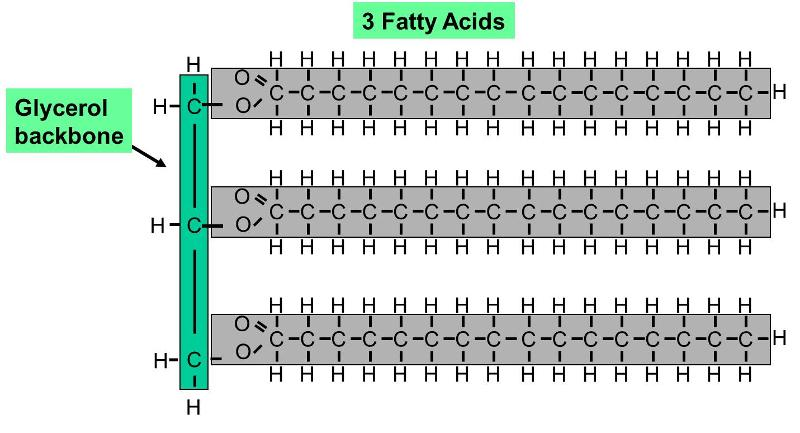
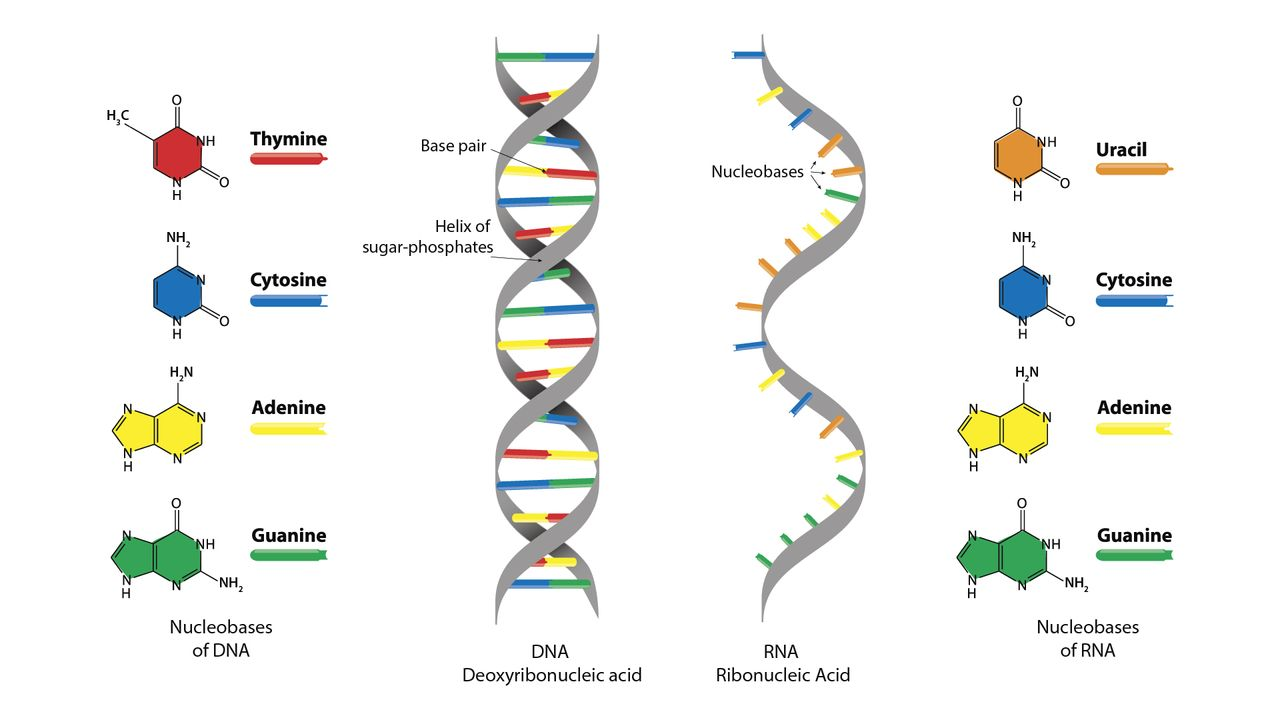
Look at the structure of the monomer of a macromolecule below; determine its functions:
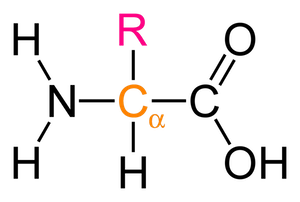
Look at the structure of the monomer of a macromolecule below; determine its functions:
Using the following data, determine the amount of calories that should be present in the food item:
Carbohydrates: 25 grams
Proteins: 0 grams
Fats: 10 grams
Using the following data, determine the amount of calories that should be present in the food item:
Carbohydrates: 15 grams
Proteins: 10 grams
Fats: 0 grams
Using the following data, determine the amount of calories that should be present in the food item:
Carbohydrates: 0 grams
Proteins: 50 grams
Fats: 20 grams
Using the following data, determine the amount of calories that should be present in the food item:
Carbohydrates: 5 grams
Proteins: 10 grams
Fats: 50 grams
Using the following data, determine the food that this information is most likely referencing:
Carbohydrates: 0 grams
Proteins: 0 grams
Fats: 0 grams
| Draggable item | arrow_right_alt | Corresponding Item |
|---|---|---|
Lipids | arrow_right_alt | Provides quick energy to the cell. |
Proteins | arrow_right_alt | Provides long term energy. |
Nucleic Acids | arrow_right_alt | Provides structure, cellular transport, aids in growth, and aids in repair. |
Carbohydrates | arrow_right_alt | Storing and transmitting genetic materials. |
Look at the structure of the monomer of a macromolecule below; determine its functions:
Look at the structure of the monomer of a macromolecule below and determine its functions:
Look at the structure of the monomer of a macromolecule below and determine its functions:
Look at the structure of the monomer of a macromolecule below and determine its functions: