Log in
Sign up for FREE
arrow_back
Library

Macromolecules - Task #3

star
star
star
star
star
Last updated over 3 years ago
11 questions
Note from the author:
What makes a meal balanced? Our meals are the source of our macromolecules. Use your notes and videos below to answer the questions about macromolecules.
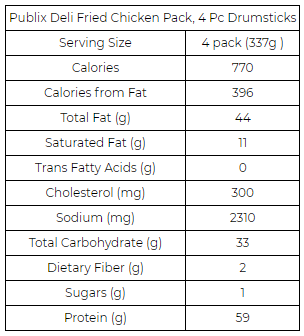
Observe the nutrition label below and determine if the calories from fat are accurate:

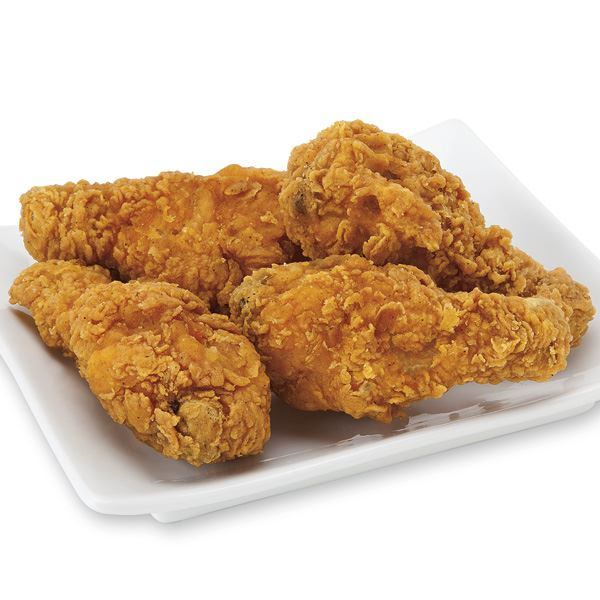
Publix Fried Chicken
Nutrition Label
Required
5
Required
5
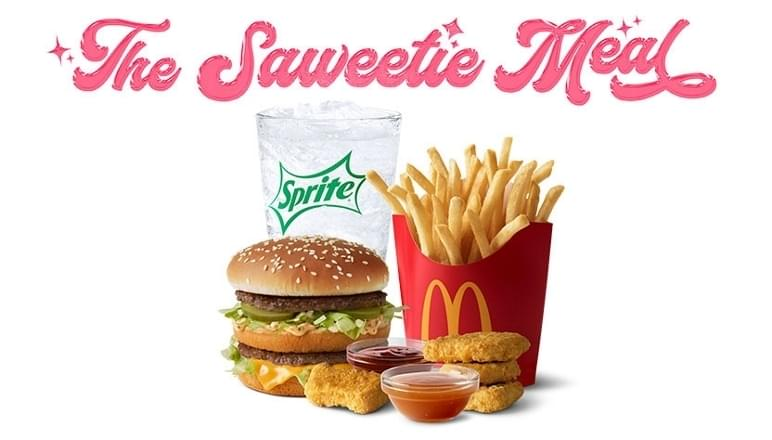
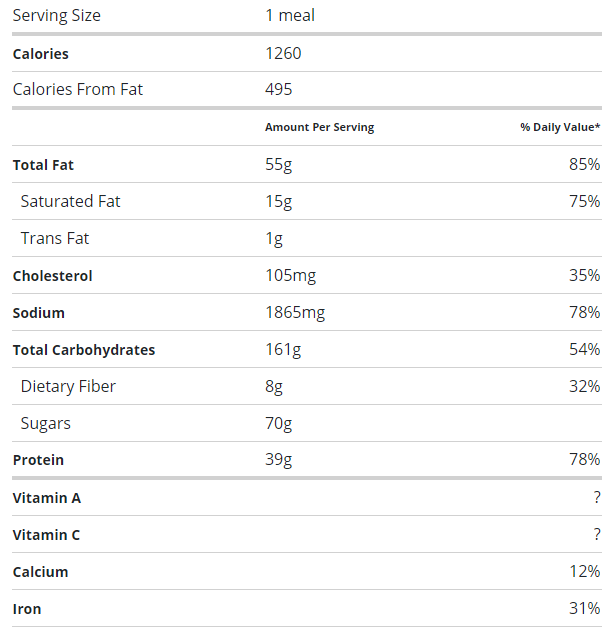
Observe the nutrition label below and record the macromolecule data per serving in grams (g).


Nutrition Label
Required
5
Required
5
Required
5
Required
5
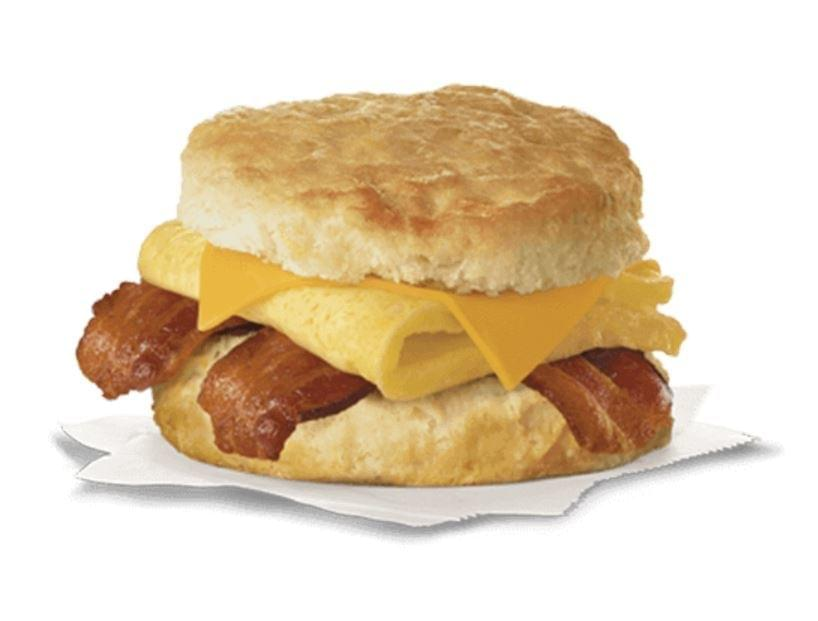
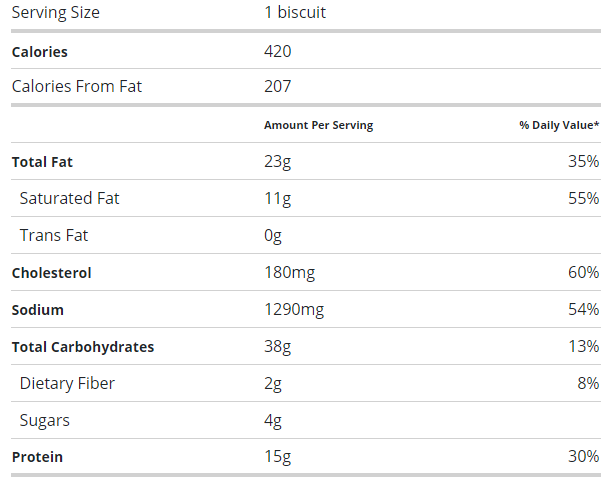
Observe the nutrition label below and record the macromolecule data per serving in grams (g).

Chick-Fil-A Bacon, Egg and Cheese Biscuit

Nutrition Label
Required
5
Required
5
When we consume different macromolecules, our bodies break them down during digestion and absorb some of them (most of what we eat is not absorbed).

When macromolecules enter our bloodstream, they become available to our body's cells to use as energy.

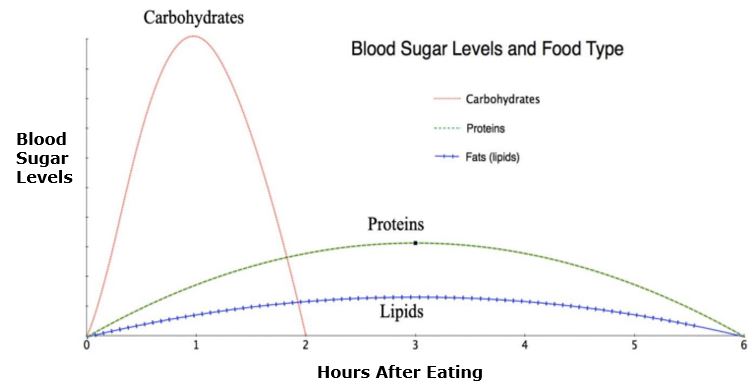
The graph below depicts the different macromolecules present in our bloodstream after eating.

Use this information to answer the questions.

Required
5
Required
5
Required
4
Question 1
1.

Is the food label calories accurate in regards to the "Calories from Fat" of 396? (Look at the total fat to help you determine your answer)

Question 2
2.

Look at the food label chart to the left, how many calories should come from the total carbohydrates?

Question 3
3.

Is the food label calories accurate in regards to the "Calories from Fat" of 495? (Look at the total fat to help you determine your answer)

Question 4
4.

Look at the food label chart to the left, how many calories should come from the total carbohydrates?

Question 5
5.

How many calories come from proteins?

Question 6
6.

How many calories should the entire meal actually contain based on the total fat, total carbohydrates, and protein?

Question 7
7.

How many calories come from proteins?

Question 8
8.

How many calories should the bacon egg and cheese have based on the total fats, total carbohydrates, and proteins?

Question 9
9.

Analyzing the image to the left, what macromolecule gets converted into blood sugar (glucose) the fastest?

Question 10
10.

Analyze the image to the left, why do proteins get broken faster than lipids even though lipids contain more energy?

Question 11
11.

Using the graph to the left, which of the following statements is true?