Information for this assignment was provided by: https://microbiologyinfo.com/different-size-shape-and-arrangement-of-bacterial-cells/
Information for this assignment was provided by: https://microbiologyinfo.com/different-size-shape-and-arrangement-of-bacterial-cells/
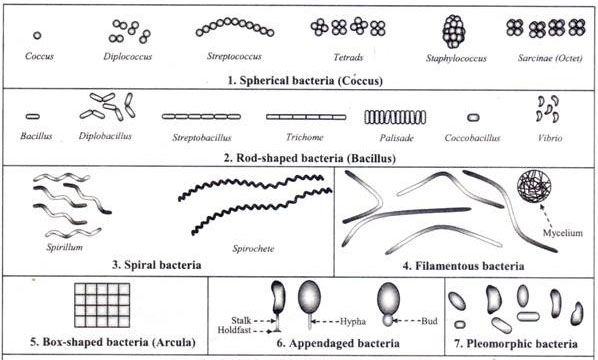
Bacteria are prokaryotic, unicellular microorganisms, which lack chlorophyll pigments. The cell structure is simpler than that of other organisms as there is no nucleus or membrane bound organelles. Due to the presence of a rigid cell wall, bacteria maintain a definite shape, though they vary as shape, size and structure.
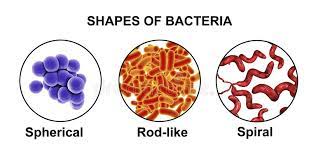
When viewed under light microscope, most bacteria appear in variations of three major shapes: the rod (bacillus), the sphere (coccus) and the spiral type (vibrio).
In fact, structure of bacteria has two aspects, arrangement and shape. So far as the arrangement is concerned, it may Paired (diplo), Grape-like clusters (staphylo) or Chains (strepto). In shape they may principally be Rods (bacilli), Spheres (cocci), and Spirals (spirillum).
Bacteria are missing these structures...
<Select all that apply>
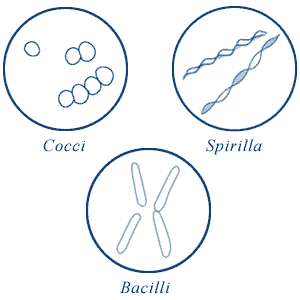
Cocci (or coccus for a single cell) are round cells, sometimes slightly flattened when they are adjacent to one another.
Bacilli (or bacillus for a single cell) are rod-shaped bacteria.
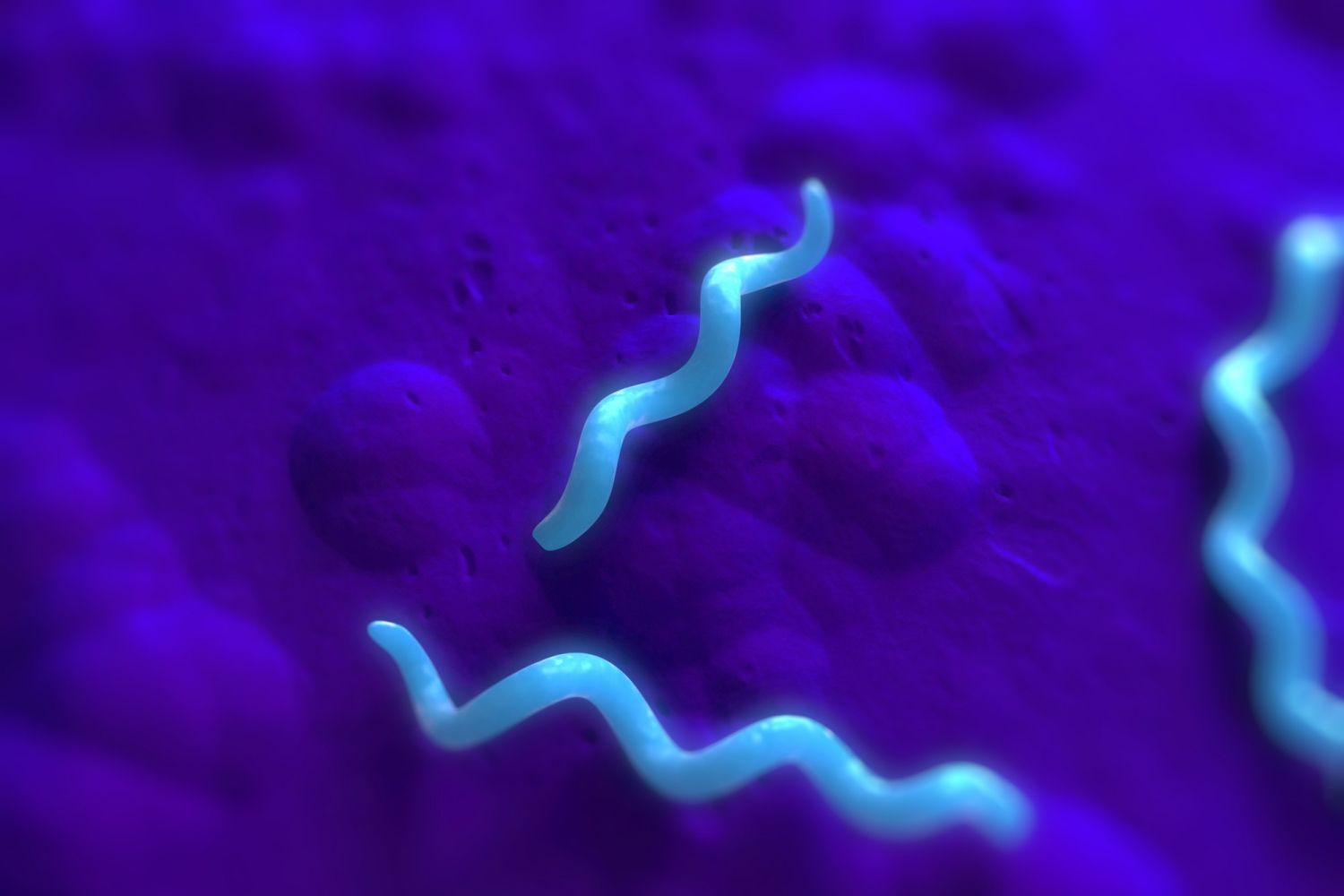
Spirilla (or spirillum for a single cell) are curved bacteria which can range from a gently curved shape to a corkscrew-like spiral. Many spirilla are rigid and capable of movement. A special group of spirilla known as spirochetes are long, slender, and flexible.
The average diameter of spherical bacteria is 0.5-2.0 µm. For rod-shaped or filamentous bacteria, length is 1-10 µm and diameter is 0.25-1 .0 µm.
Thus a few bacteria are much larger than the average eukaryotic cell (typical plant and animal cells are around 10 to 50 µm in diameter).
These bacteria are most likely...
These bacteria are most likely...
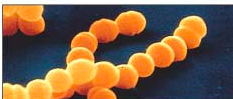
These bacteria are most likely...
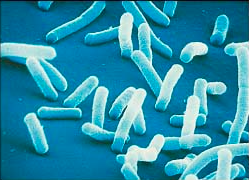
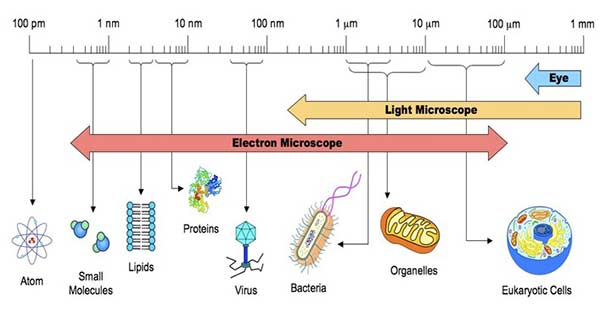
Typical intestinal bacteria are classified according to their actions into three types.
Good bacteria have health maintenance and anti-aging effects such as aiding digestion and absorption, and stimulating immunity. Representative examples are bifidobacteria and lactic acid bacteria.
In contrast, bad bacteria have adverse effects on the body. Representative examples include Clostridium perfringens, Staphylococcus, and Escherichia coli (E. coli; toxic strain). They inhibit health by triggering disease and promoting aging.
Opportunistic bacteria cause no trouble when you are healthy, but have adverse effects upon the intestines when the body is weak. Representative examples include Bacteroidetes, E. coli (nontoxic strain), and Streptococcus.
A) What are some of the effects of good bacteria? (Bullet point list).
B) What are some of the negative effects of bad bacteria? (Bullet point list).
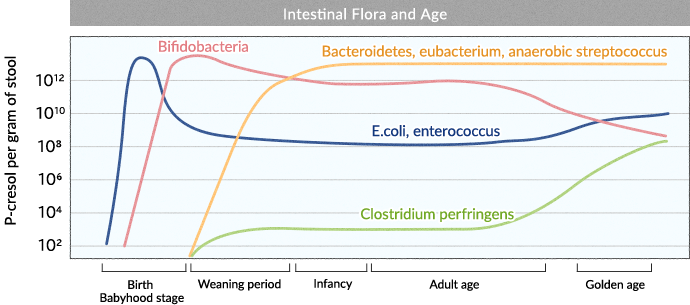
Bacterial groups in the intestines change with age-the percentage of bad bacteria increases as you grow older.
A fetus in the womb is kept in a sterile environment.
When the baby drinks breast milk, bifidobacteria start to grow, using the lactose and galactooligosaccharides in breast milk as a source of nutrition. A baby's stool is yellowish and does not smell because its intestinal environment is dominated by bifidobacteria.
The weaning period is when babies are slowly taken off of breast milk & start to eat smashed food. From the weaning period onwards, bacterial flora change (i.e. less bifidobacteria) to that of an adult as the baby starts to eat baby food. In adults, bifidobacteria account for 10-20% of intestinal bacteria.
In most elderly, bifidobacteria will have decreased in most cases and bad bacteria such as clostridium perfringens, which are not detected in youth, have a high probability of being detected.
The balance of good bacteria, bad bacteria and opportunistic bacteria changes with physical condition and age. For maintaining good health, it is necessary to create a healthy intestinal environment with good bacteria.
When babies start to drink milk from their mother what type of bacteria starts to grow in the babies stomach?
Why do baby's stool (poop) not smell when they first start drinking milk?
What happens to the bacterial flora of bifidobacterium as the baby is weaned off of milk onto normal food?
What happens to elderly bacterial amounts of bifidobacteria and clostridum perfringens? What are the effects of these changes?
Are bacteria good, harmful, or neither?
* Present your claim, your evidence, and your reasoning for why the evidence supports your claim. This should all be done in a paragraph about 5-7 sentences long
According to the text, what structure helps bacteria maintain a definite shape?
Bacteria have three main shapes. Bacillus are . Coccus bacteria are . Vibrio bacteria are .