Lesson 4.1 (Geological Timeline)
star
star
star
star
star
Last updated over 2 years ago
15 Nsɛmmisa
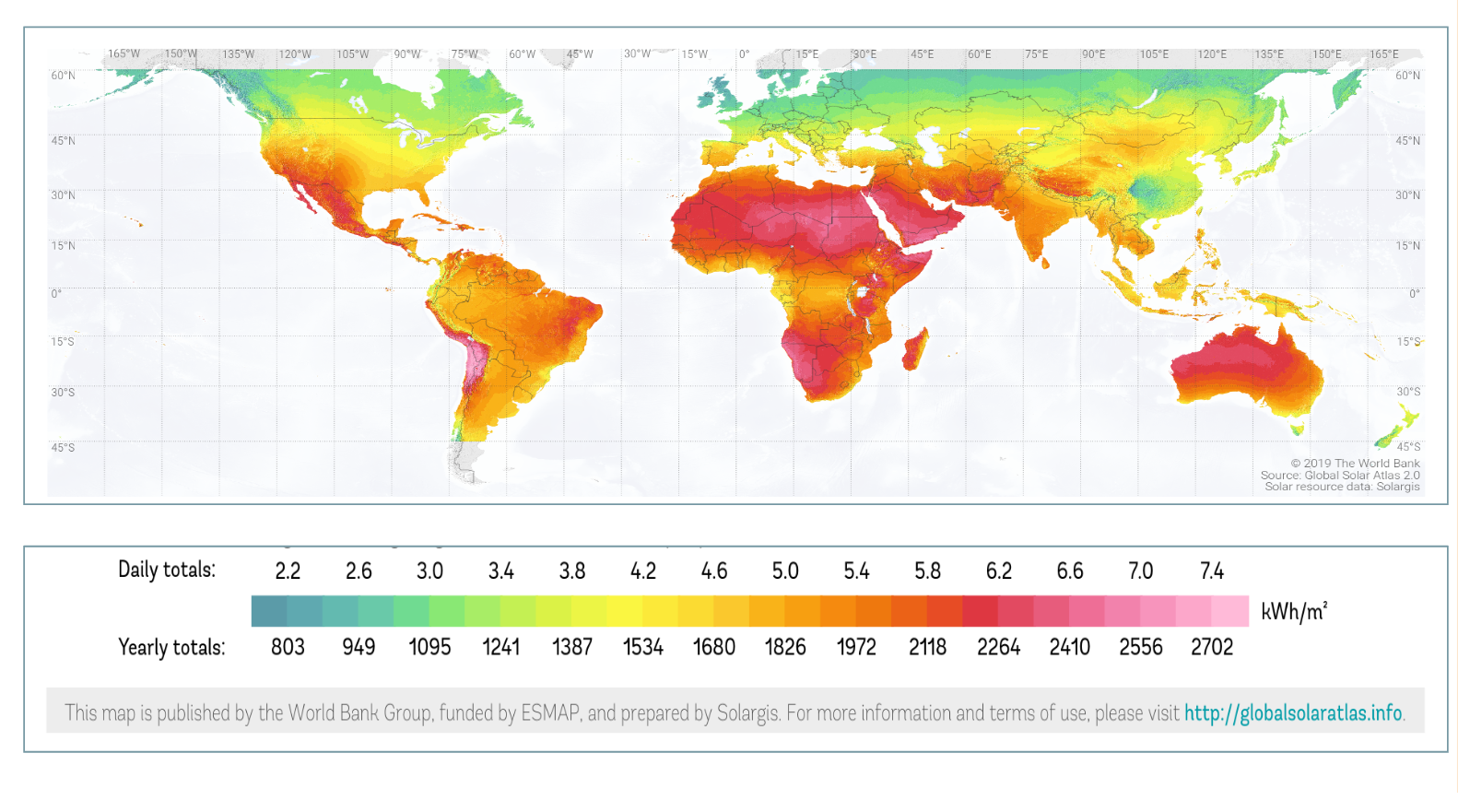
1
1
1
Write down 1 notice about the map
Write down 1 question you have.
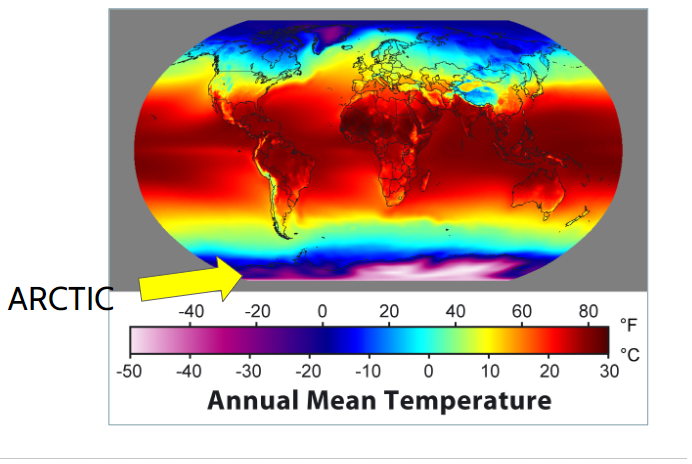
What do you notice about the annual temperature by latitude?
The average amount of light in the Arctic is
Plants use sunlight for photosynthesis. What problems might there be for plants in the Arctic?
Data from scientific studies that used fossils and ice core data indicate that the peat that is part of the peat/permafrost system found today in the Arctic formed approximately 11,000 years ago from living plants that died and have been decomposing ever since at a very slow rate.
It is estimated that there are 1.5 trillion metric tons of organic carbon in the peat/permafrost system. That is a lot of carbon! It is twice as much carbon as what is currently found in the Earth’s atmosphere.
How could enough plants to produce all the carbon found in the peat grow in the Arctic where it is so cold?
When did the peat that is part of the peat/permafrost system form in the Arctic?
Data from the Arctic suggests that 11,000 years ago when the peat formed, the Arctic was a little bit warmer than it is today. There are several factors that could contribute to a warmer Arctic including the tilt of the Earth. Over geologic time, the angle of the Earth’s tilt changes the amount of solar radiation that reaches the surface of the Earth. Currently the tilt of the Earth is 23.5 degrees (nasa.gov). When the plants that formed the peat were growing, the Earth was even more tilted. This means that the Arctic experienced more solar radiation for a longer period of the year. As the tilt of the Earth decreased, less solar radiation was available in the Arctic. The Arctic cooled at this time followed by peat formation and a layer of permafrost.
11,000 years ago when the Arctic formed, the Arctic was warmer than it is toady
When the plants that formed the peat were growing the Arctic experienced more solar radiation due to the Earth's tilt.
Today, Earth's tilt has decreased and there is solar radiation in the Arctic.
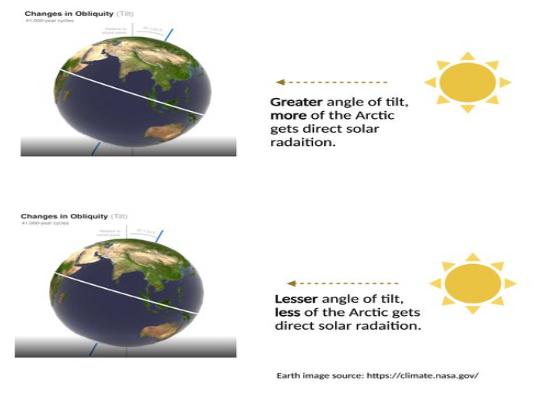
What do you notice about this picture?
angle of the tilt, the less of the Arctic gets direct solar radiation.
Which statement is correct about the peat/permafrost system.
How much carbon is estimated to be in the peat/permafrost system?
One factor that could have contributed to a warmer Arctic is
The Arctic is colder than it was 11,000 years ago because the area gets less sunlight.