Waves Practice

Last updated over 2 years ago
7 questions
1

As a wave moves through the ocean, what is moving forward?

1

Which of the following cause waves?

1

Match the letter with the correct part of the wave that it represents.
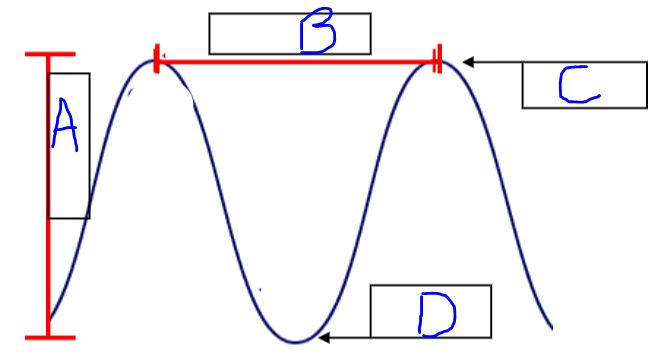
Draggable itemCorresponding Item
A
Wave Height
B
Wavelength
C
Crest
D
Trough
1

Match each of the terms to the correct defintion.

Draggable itemCorresponding Item
Frequency
Time it takes for the same spot on two waves to pass a single point
Height
The number of waves that pass a fixed point in one second
Wavelength
The horizontal distance between the identical point on two waves, such as crest to crest
Trough
The highest point above the average water level
Period
The lowest point below the average water level
Crest
Vertical distance from the trough to the crest
1

Categorize the following as disturbing forces and restoring forces

  • Surface tension
  • Coriolis effect
  • Makes waves
  • Gravity
  • Gravitational force of the Moon and Sun.
  • Earthquakes
  • Destroys waves
  • Wind
  • Disturbing Forces
  • Restoring Forces
1

Match each of the terms to the correct defintion.

Draggable itemCorresponding Item
Constructive waves
Surface area over which the wind blows
Destructive waves
Is formed when the wind blows sufficiently long from the same direction, creating waves with a maximum size, speed and period.
Fetch
Relatively large and spontaneous ocean surface waves that is formed from the joining of two closely related wave trains.
Fully developed sea
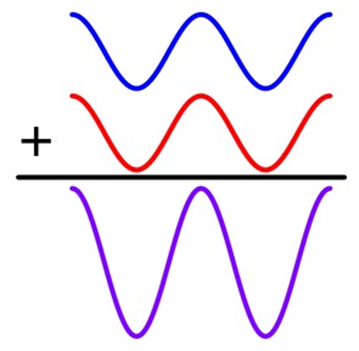
Larger waves created by adding two crests and troughs together
Rogue Waves
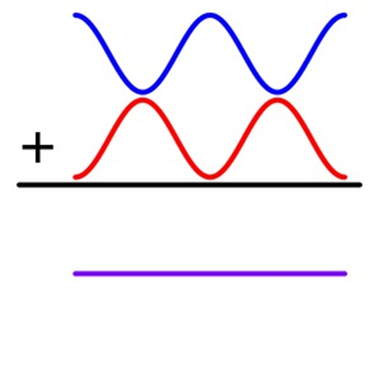
crests and troughs cancel each other out destroying the waves
1

Match each of the terms to the correct defintion.

Draggable itemCorresponding Item
Gravity Waves
The slightest of breezes will cause small ‘rippling’ of the water surface, producing waves which can be flattened by surface tension.
Swells
The winds push against the surface of the water, creating large waves which may flattened by gravity.
Capillary Waves
Waves caused by earthquakes and volcanic eruptions.This often results in Tsunamis.
Seismic Waves
These are waves of similar characteristics (length and speed) traveling together.
Wave trains
Formation of organized, long-wavelength surface waves that surfers love.