Cyanobacteria are organisms that produce ______________. This helped many other organisms on earth survive and thrive.
Cyanobacteria are organisms that produce ______________. This helped many other organisms on earth survive and thrive.
Which of the following are marine plants that can grow totally submerged in saline (saltwater) environments.
Algae and cyanobacteria are types of marine plants.
Which of the following are adaptations of Mangroves? Choose 2.
Which of the following is more closely related to bacteria?
Which of the following is NOT an adaptation of a marine plant?
Cyanobacteria are organisms that produce ______________. This helped many other organisms on earth survive and thrive.
Cyanobacteria are __________________ because they DO NOT a nucleus.
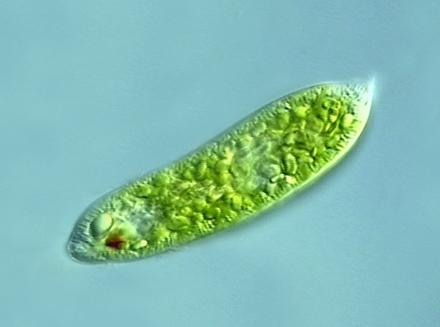
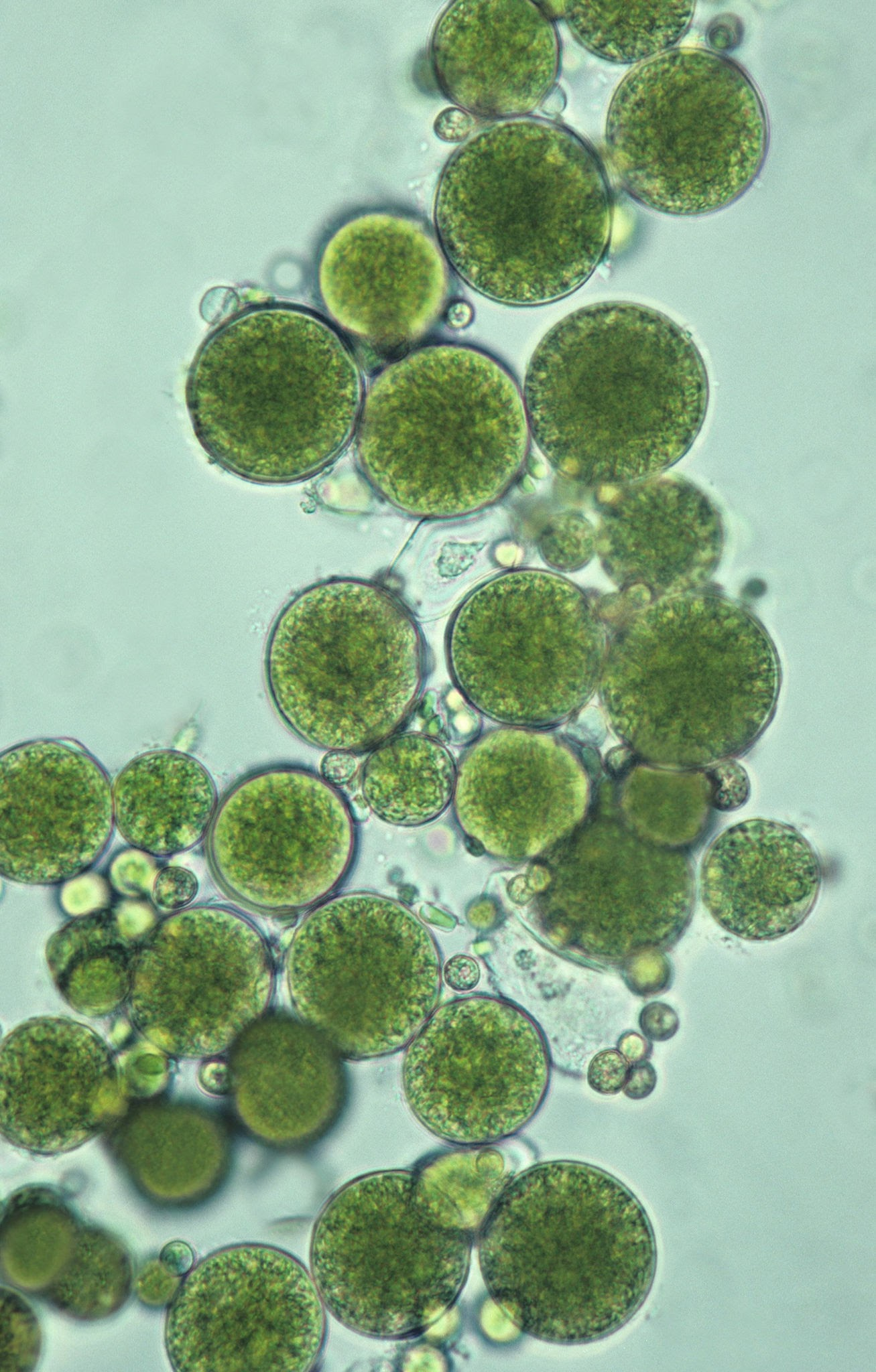
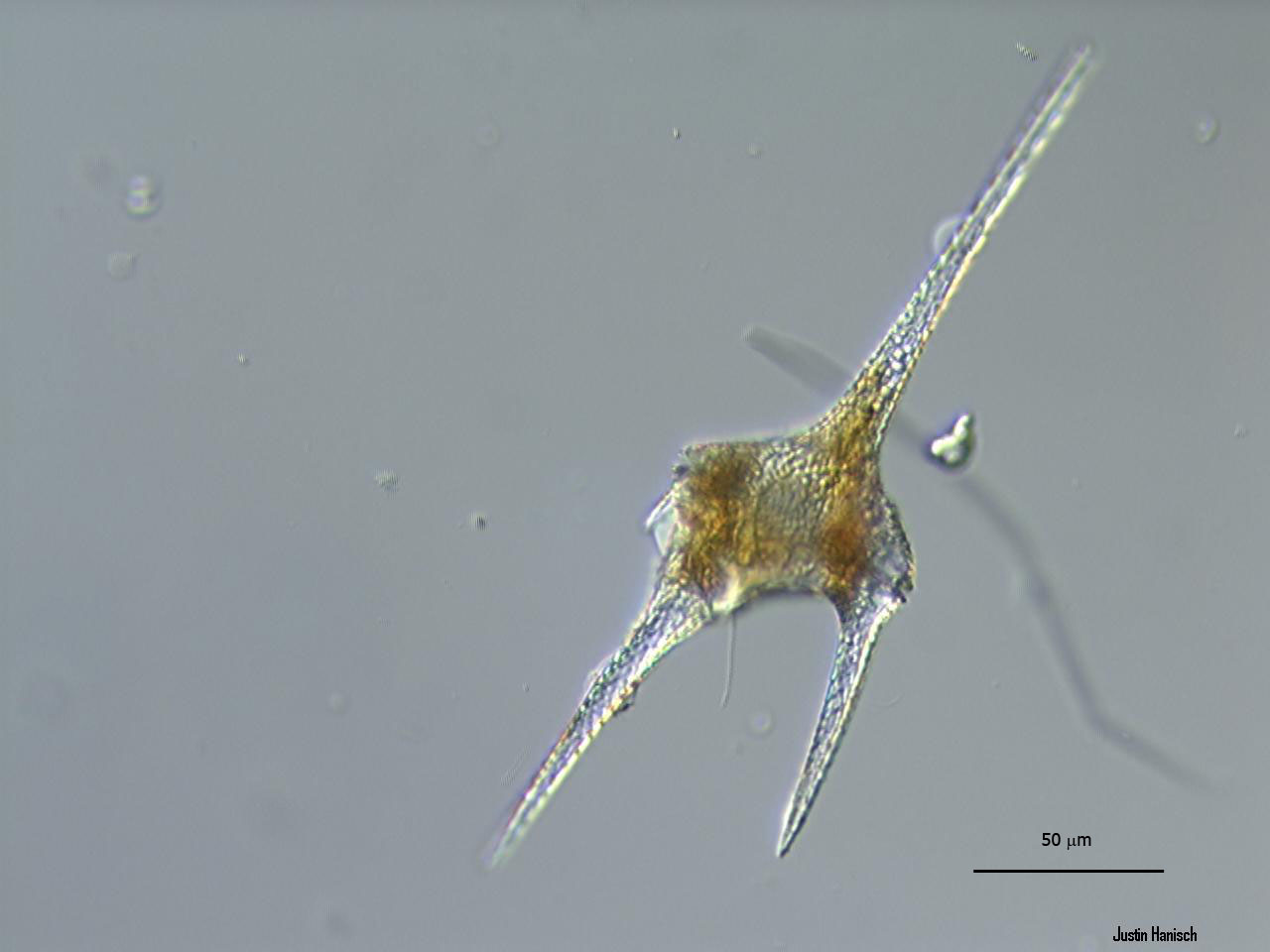
Match each algae to its phylum
| Draggable item | arrow_right_alt | Corresponding Item |
|---|---|---|
Chrysophyta | arrow_right_alt | Brown algae |
Baccilariophyta | arrow_right_alt | Golden algae |
Rhodophyta | arrow_right_alt | Diatoms |
Phaeophyta | arrow_right_alt | Red Algae |
Match each algae to its phylum
| Draggable item | arrow_right_alt | Corresponding Item |
|---|---|---|
Euglenophyta | arrow_right_alt | Green algae |
Chlorophyta | arrow_right_alt | Dinoflagellates |
Dinophyta | arrow_right_alt | Euglena |
A vertebrate is an organism that...
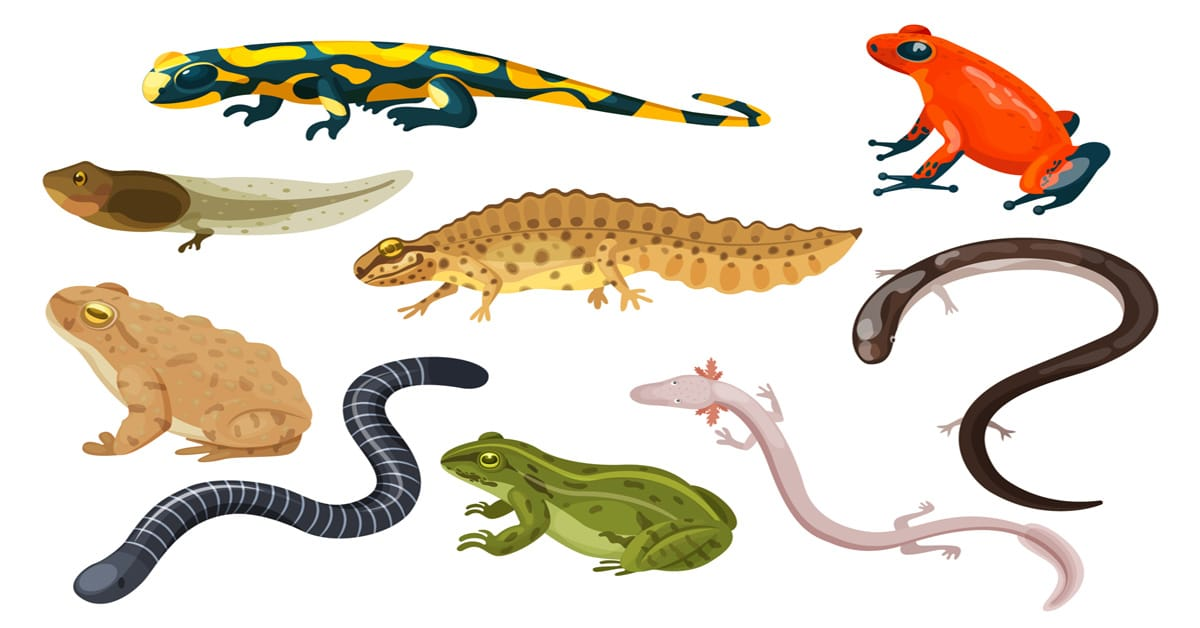
True or False. Amphibians such as frogs can be well adapted to marine (Saltwater) environments.
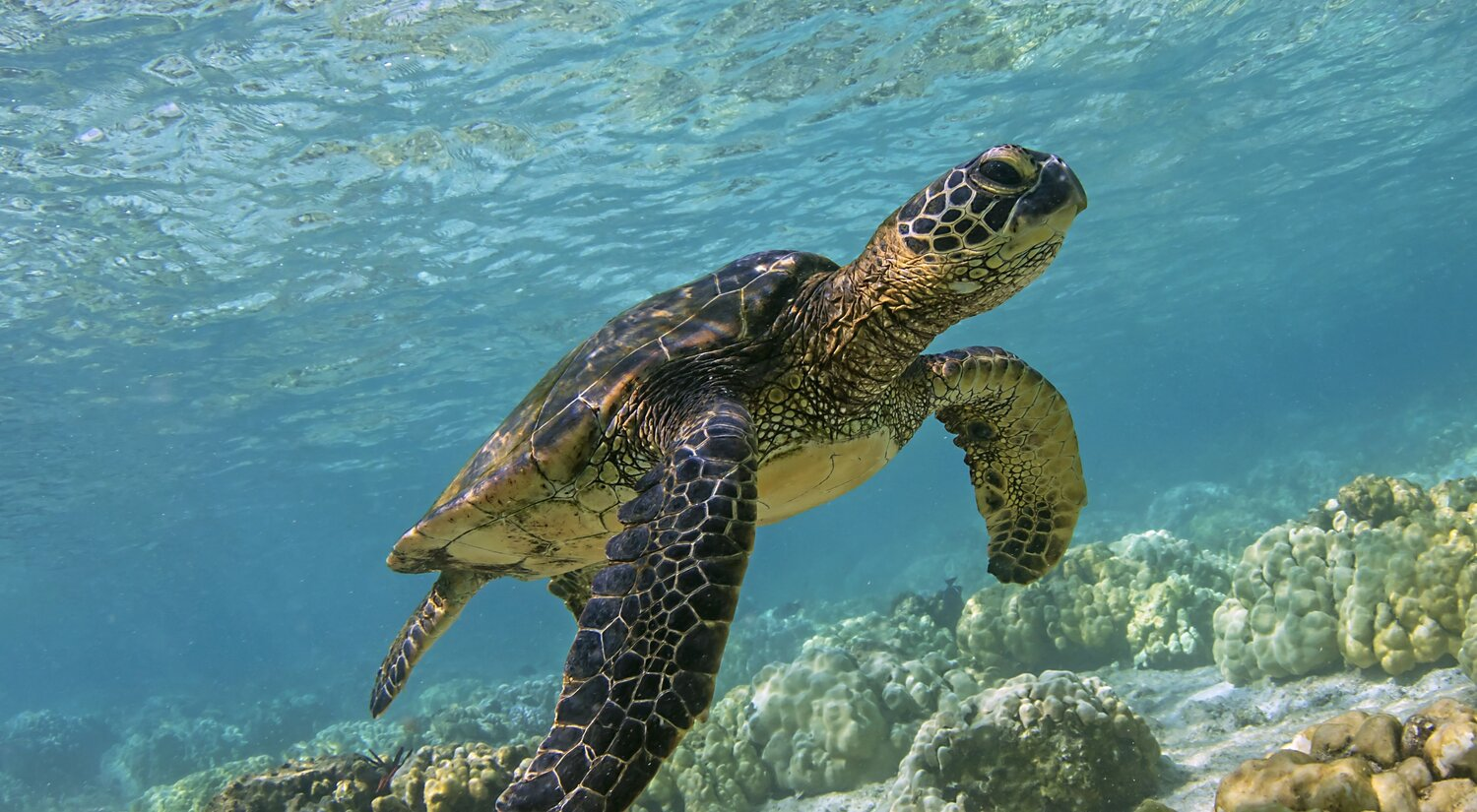
Which marine vertebrates use lungs to breathe? Select all that apply.
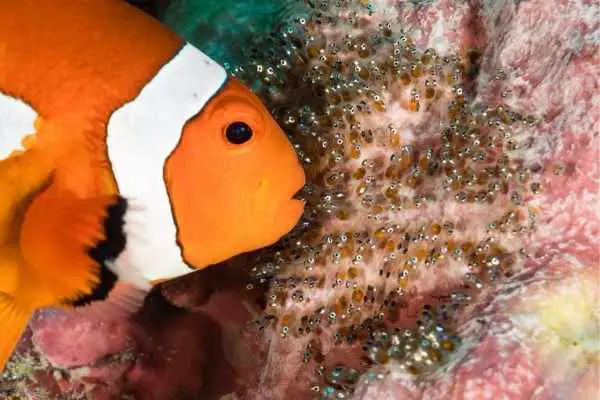
How do they reproduce?
| Draggable item | arrow_right_alt | Corresponding Item |
|---|---|---|
Fish | arrow_right_alt | Live birth |
Mammal | arrow_right_alt | Hard shelled Eggs |
Reptile | arrow_right_alt | Soft shell-less eggs |
Bird | arrow_right_alt | Soft shelled eggs |
Which one is not a cetacean?
Which marine vertebrates are protected by scales? Select all that apply.
Match the Phylum to its meaning.
| Draggable item | arrow_right_alt | Corresponding Item |
|---|---|---|
Mollusca | arrow_right_alt | Pore bearing |
Porifera | arrow_right_alt | Flat worms |
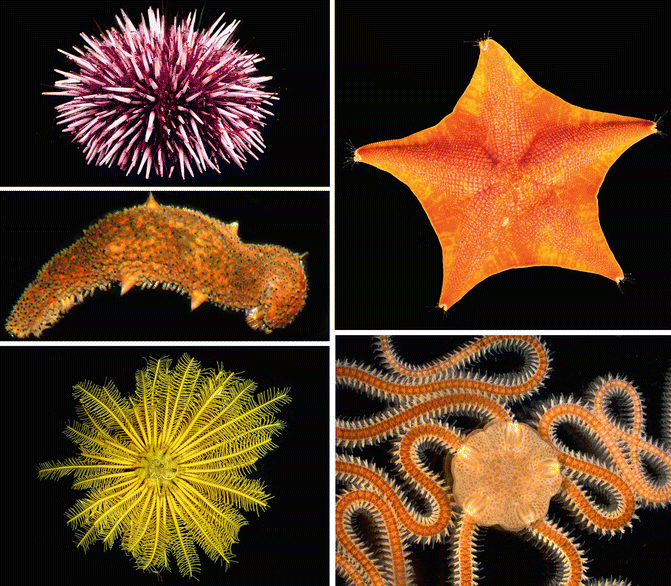
Echinodermata | arrow_right_alt | Soft Body |
Platyhelminthes | arrow_right_alt | Spiny Skin |
Match the Phylum to its meaning.
| Draggable item | arrow_right_alt | Corresponding Item |
|---|---|---|
Nematoda | arrow_right_alt | Stinging |
Annelida | arrow_right_alt | Round Worms |
Arthropoda | arrow_right_alt | Segmented Worms |
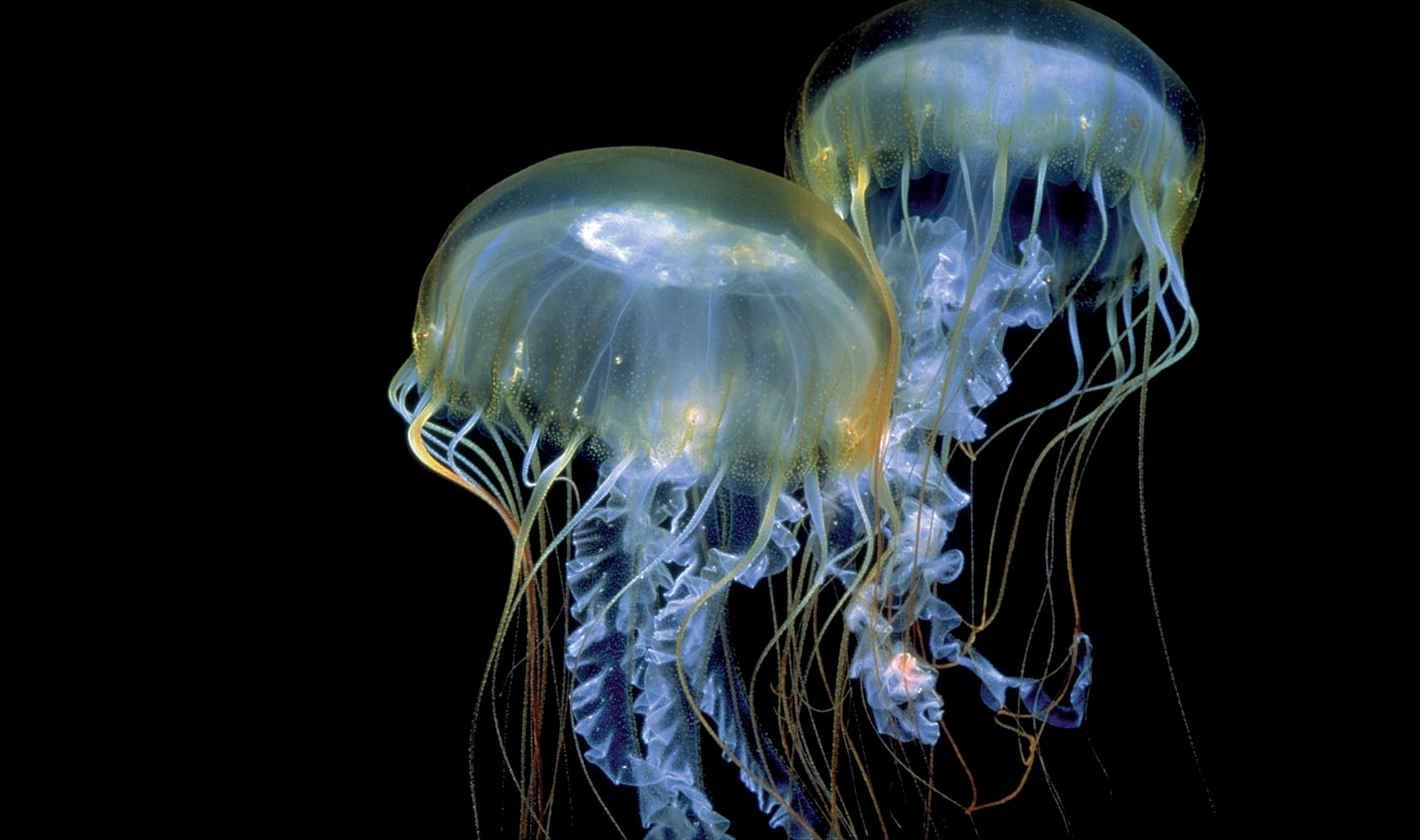
Cnidaria | arrow_right_alt | Jointed Feet |
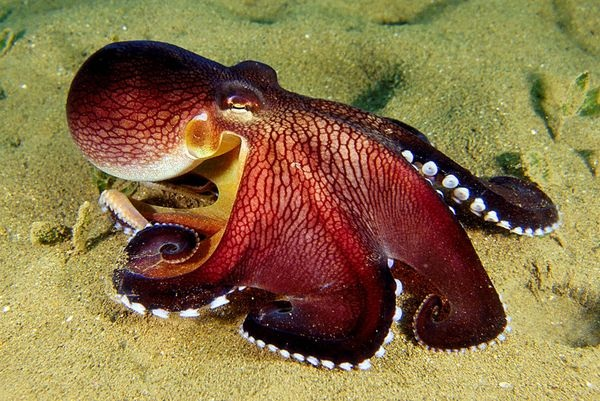
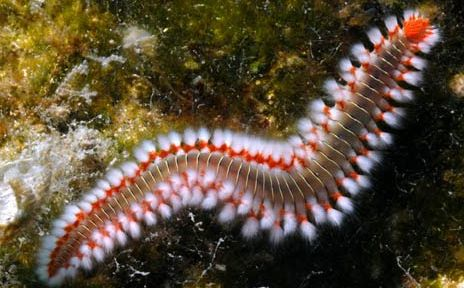
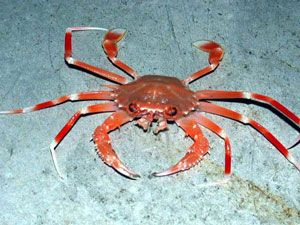
Which of the following is a marine invertebrate?
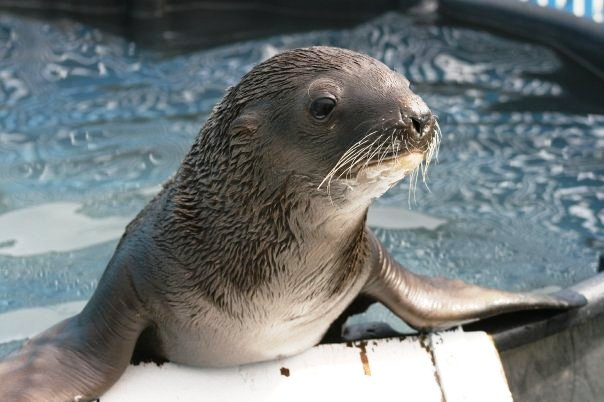
Which of the following is NOT a characteristic of Marine Mammals?
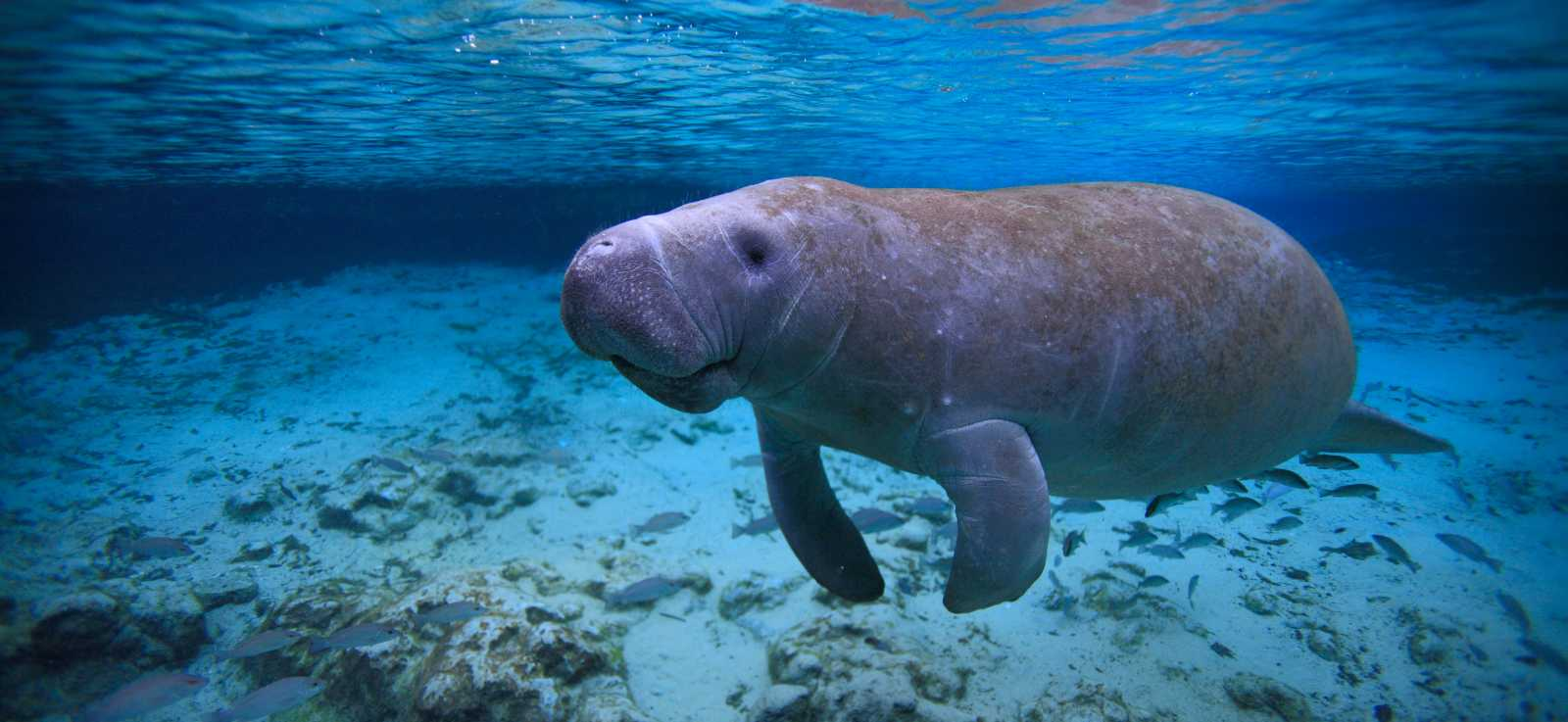
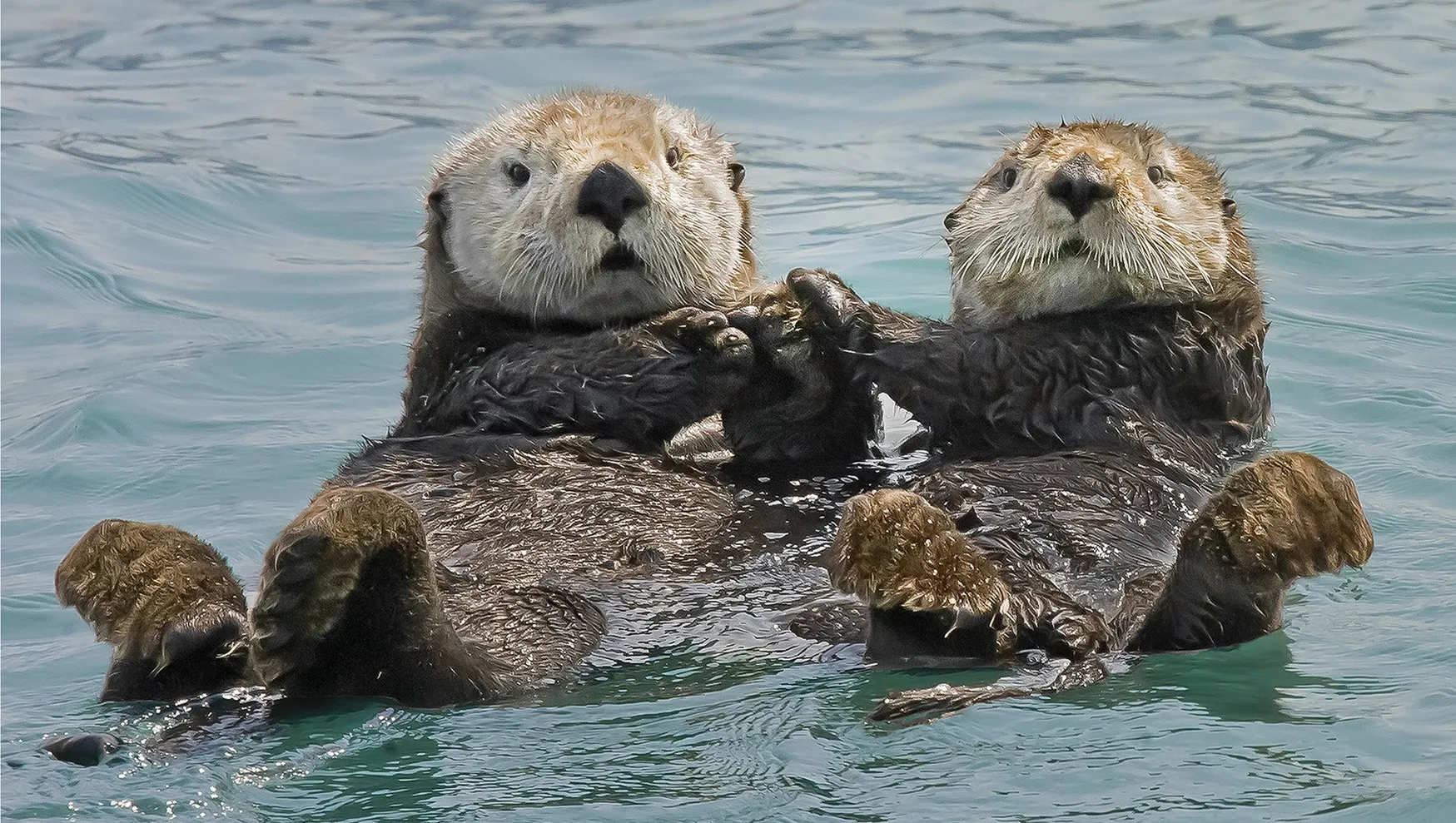
Match each marine mammal to its class.
| Draggable item | arrow_right_alt | Corresponding Item |
|---|---|---|
Manatee | arrow_right_alt | Pinniped |
Sea Otter | arrow_right_alt | Sirenian |
Whale | arrow_right_alt | Carnivora |
Seal | arrow_right_alt | Cetacean |
Place each characteristic in the correct category.
Paddle like large forelimbs and no hind limbs
Blowhole present on the top of the head
Flattened fin like tail
Fin or flapper footed
Rooted and two sets of teeth with blade-like molars
Pinniped (1)
Carnivora (1)
Sirenians (2)
Cetaceans (1)
There are MORE different species of vertebrates than there are of invertebrates.
Which of the following marine mammal adaptations helps them regulate their temperature?
What is an example of a Marine Mammal Swimming Adaptation?
How does a tubenose help seabirds survive at sea?
Which of the following is NOT a marine bird adaptation?