Currents practice
star
star
star
star
star
Last updated about 3 years ago
31 Nsɛmmisa
1
1
1
1
1
1
1
1
1
1
1
1
1
1
1
1
1
1
1
1
1
1
1
1
1
1
1
1
1
1
1
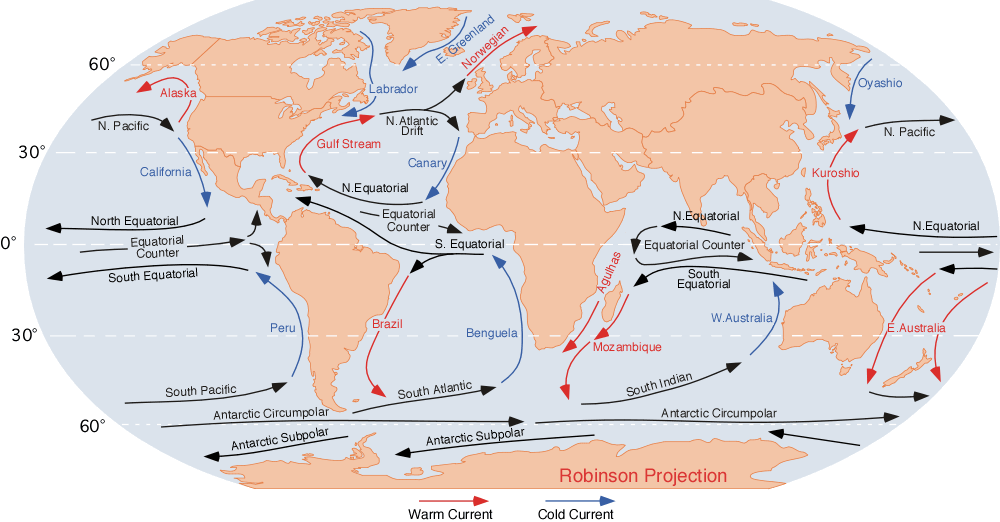
The red arrows represent
The blue arrows represent
The red arrows are found on which side of the ocean basin?
The blue arrows are found on which side of the ocean basin?
Western boundary currents are found on the western side of a land mass
Eastern boundary currents are found on the Easter side of an ocean basin.
Eastern boundary currents are
Western boundary currents are
Warm western boundary currents come from
Cold eastern boundary currents come from
Downwelling often occures at
Fisheries are often set up in areas where there is
Upwelling
Warm surface waters are
Areas where downwelling occurs are
Upwelling occurs often in
It would be better to set up a fishing industry on the
Downwelling
Which of the folowing leads to upwelling
Which of the folowing leads to downwelling
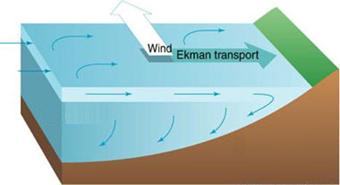
Look at the picture below
What is shown in the picture? Upwelling or Downwellling
Where is this taking place? Northern or Southeren Hemisphere
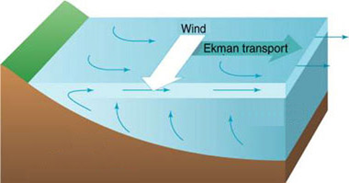
Look at the picture below
What is shown in the picture? Upwelling or Downwellling
Where is this taking place? Northern or Southeren Hemisphere
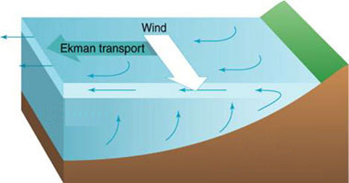
Look at the picture below
What is shown in the picture? Upwelling or Downwellling
Where is this taking place? Northern or Southeren Hemisphere
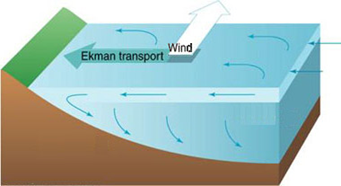
Look at the picture below
What is shown in the picture? Upwelling or Downwellling
Where is this taking place? Northern or Southeren Hemisphere
Which of the following best describes how temperature affects the water density ?
Which of the following best describes how salinity affects the water density ?
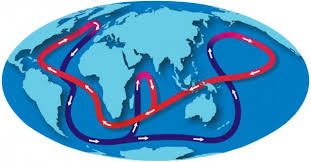
The Global conveyor belt
The cold salty water at the poles will ____________________
The warm water at the equator moves towards poles and the cold water at the poles moves toward the equator. Why is this important
As the cold salty water sinks at the pole the warm oxygen rich water from the equator replaces the displacing water. This warm water cools down and sinks to the bottom. Why is this important?
The cold salty nutrient rich water water sinks at the pole and moves toward the equator. As it reaches the equator the cold water warms up and rise to the surface. Why is this important?
What will happen if the temperature differences between the poles and the equator decrease?