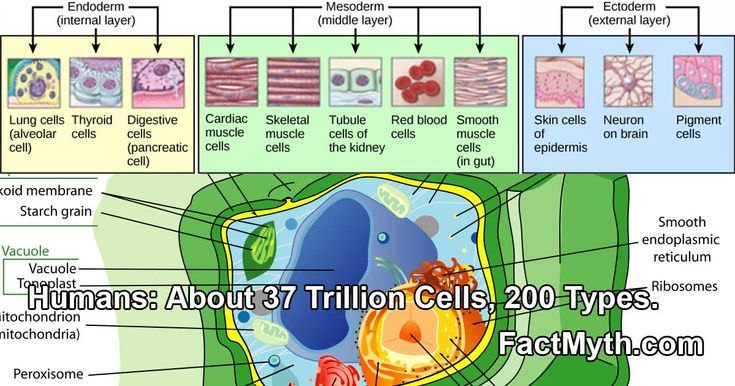
There are over 200 different cell types in the human body. Each type of cells is specialised to carry out a particular function, either solely, but usually by forming a particular tissue.
Different tissues then combine and form specific organs, where the organ is like a factory where every type of cell has its own job. Since every tissue has its own function that contributes to the multifunctionality of an organ, every type of cell is equally important.
How many different types of cells are there in the body?
The word "specialised" from the text means that a cell can...
Cells can group together to form and tissues can combine to form . The organ is like a and every type of cell has its own in that factory.
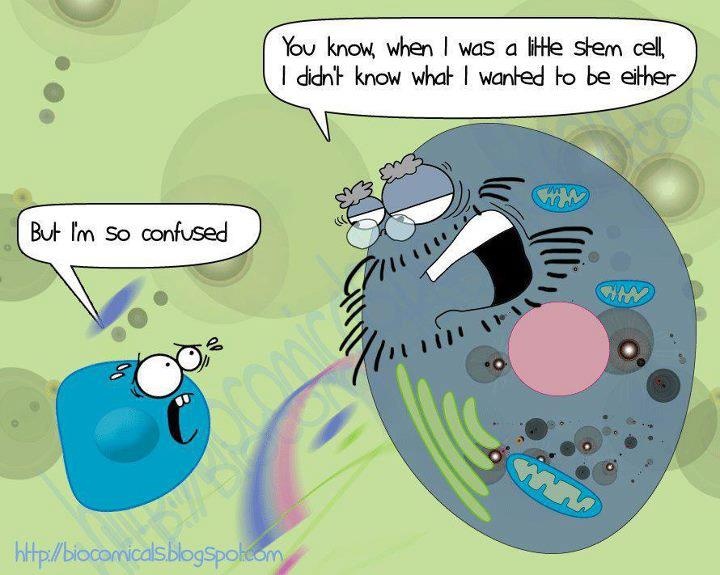
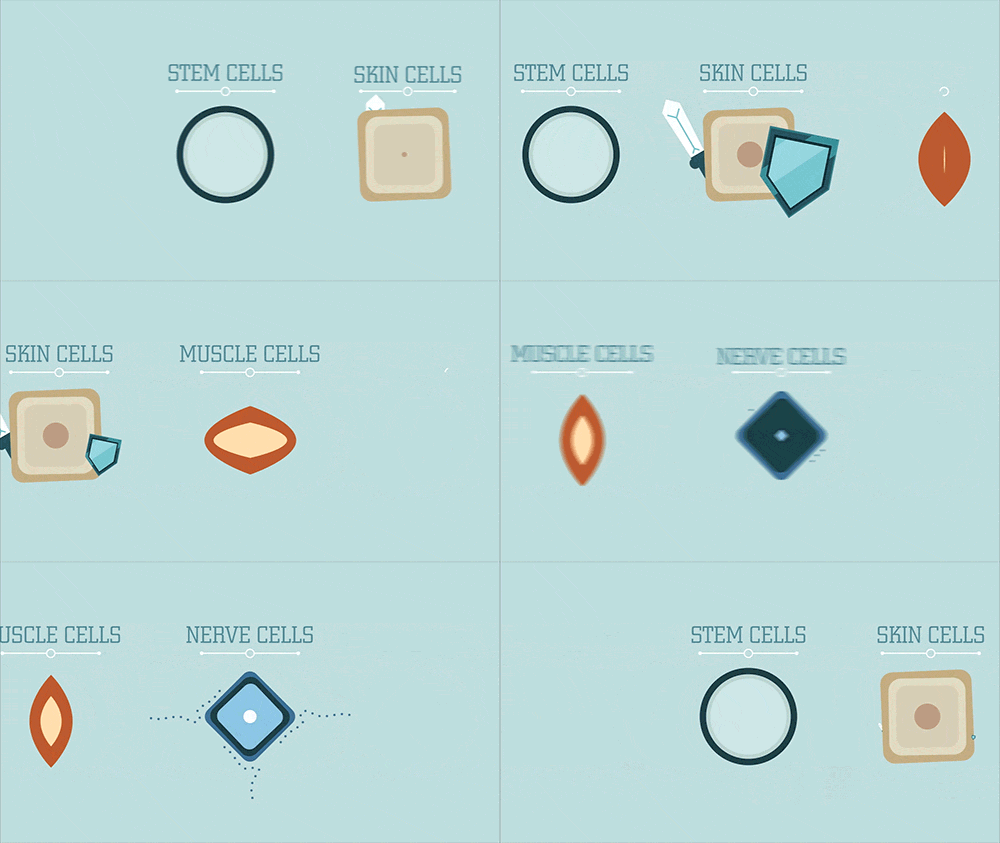
Before a cell becomes specialised, or gain its own job, it first starts out as a stem cell. The unique feature of stem cells is that they are pluripotent - they have the potential to become any type of cell in the body. These incredible cells are the ancestors of all cells in the body, from simple skin cells to complex neurons. Without these cells, we wouldn't be as complex or functional as human beings.
Not only this, these cells even have the power to replicate into healthy cells in order to speed up regeneration/recovery after certain pathological conditions. The process that allows stem cells to transform into any kind of cell is known as cell differentiation and is controlled by a combination of internal genetics and external factors such as chemicals and physical contact with other cells. Stem cells have the ability to divide and replicate themselves for long periods of time.
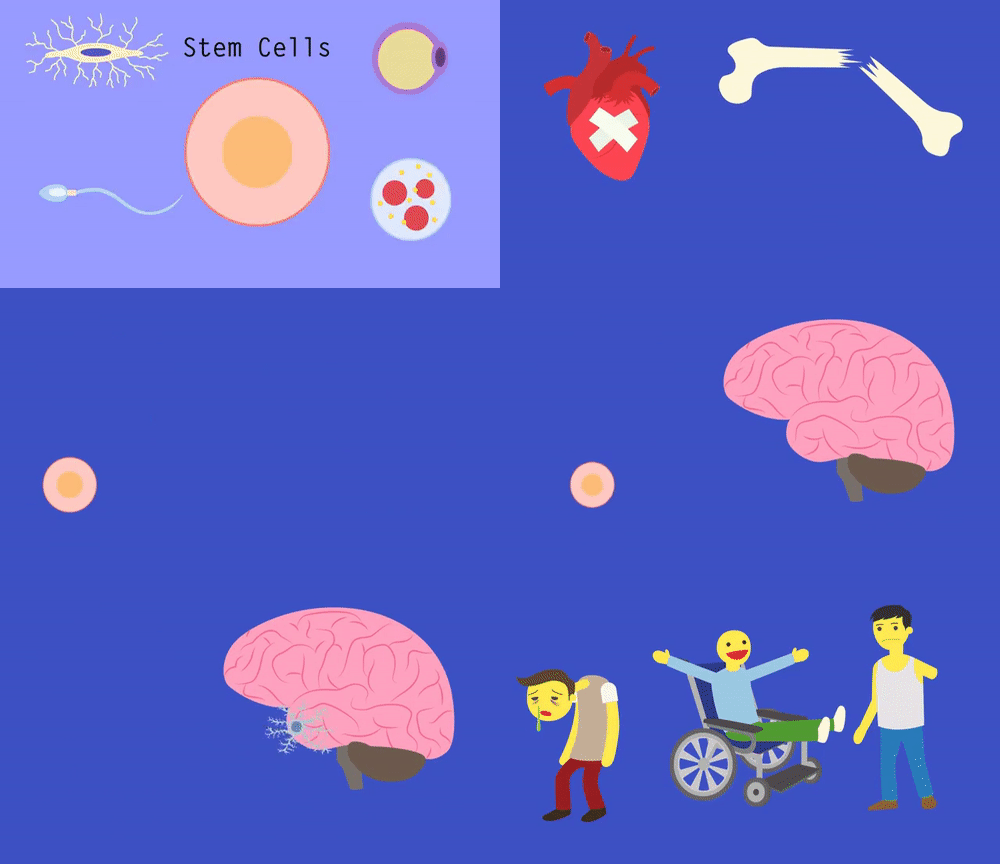
Before a cell can become specialized in its own job it starts at as a.
The ancestors of skin cells, nerve cells, bone cells, muscle cells, etc... all cells might be the
When you get sick, stem cells help because...
The process that allows stem cells to transform into any kind of cell is known as cell and is controlled by a combination of internal and external factors such as chemicals and physical contact with other cells.
Stem cells can divide and replicate for periods of time.
There are two types of stem cells, embryonic stem cells and adult stem cells. Embryonic stem cells are from embryos. Generally used in a research setting, embryonic stem cells are harvested from fertilized eggs. Adult (or somatic) stem cells are present throughout the human body [amongst other specialised tissue cells]. They exist in order to repair and maintain surrounding specialised tissues.
As these cells are unspecialised, which means they have no specific job yet, stem cell anatomy is that of a simple cell. Stem cells have a cell membrane, surrounding the cytoplasm. The cytoplasm contains a nucleus, mitochondria, ribosomes, endoplasmic reticulum, golgi apparatus, lysosomes and centrioles. The nucleus contains DNA and RNA, which are expressed when differentiation occurs in the cell.
Red blood cells/Erythrocytes
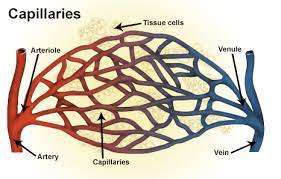
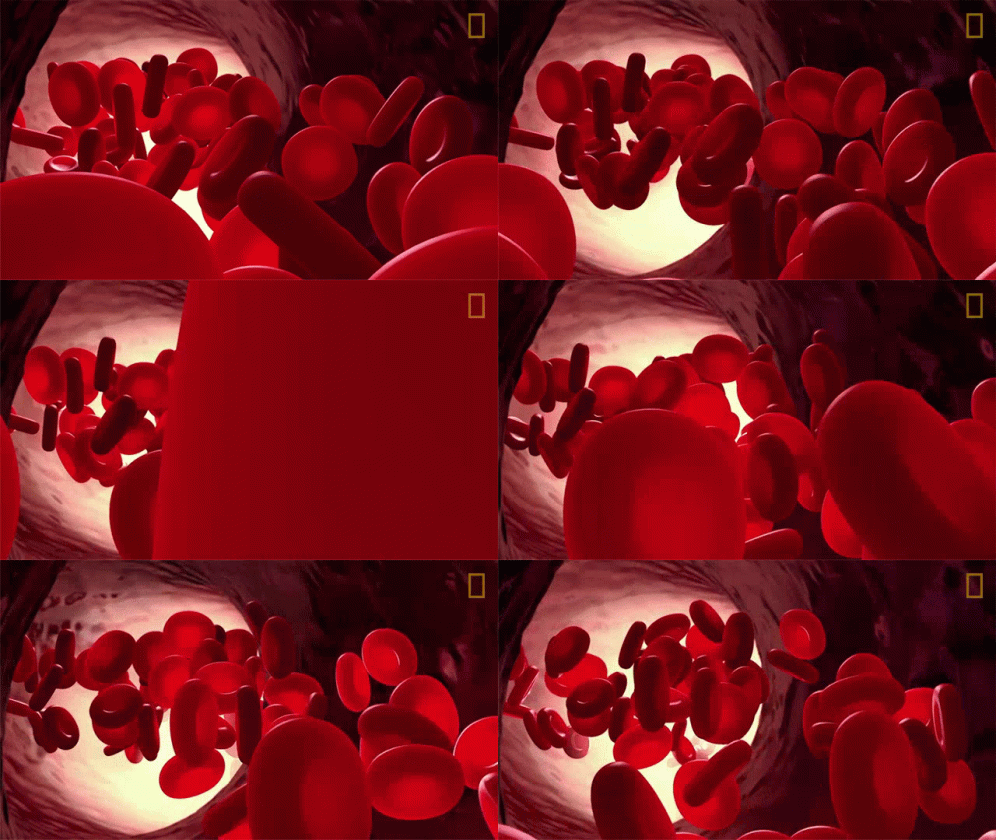
Red blood cells are known as erythrocytes, and are the most common type of blood cell. They are shaped like a biconcave disc (I.e. donut shaped). Red blood cells are fairly flexible, allowing them to squeeze through thin blood capillaries.
The main role of red blood cells is to transport oxygen around the body using hemoglobin. However, they also help to control pH of the blood by forming an acid-base buffer maintaining the blood at a neutral pH of 7.35 to 7.45. They also release an enzyme called carbonic anhydrase, which causes water in the blood to carry carbon dioxide to the lungs, so that it can be expelled from the body.
The main role of red blood cells is to use hemoglobin to around the body.
Red blood cells also release an enzyme called , which causes in the blood to carry carbon dioxide to the so it can be expelled from the .

White blood cells, also known as leukocytes, are a vital component of the immune system. There are five different types, which fall under two main categories; granulocytes and agranulocytes. As suggested by their names, granulocytes contain granules in the cytoplasm as agranulocytes do not. Granulocytes include neutrophils, eosinophils and basophils. Agranulocytes include lymphocytes and monocytes.
White blood cells - Neutrophils
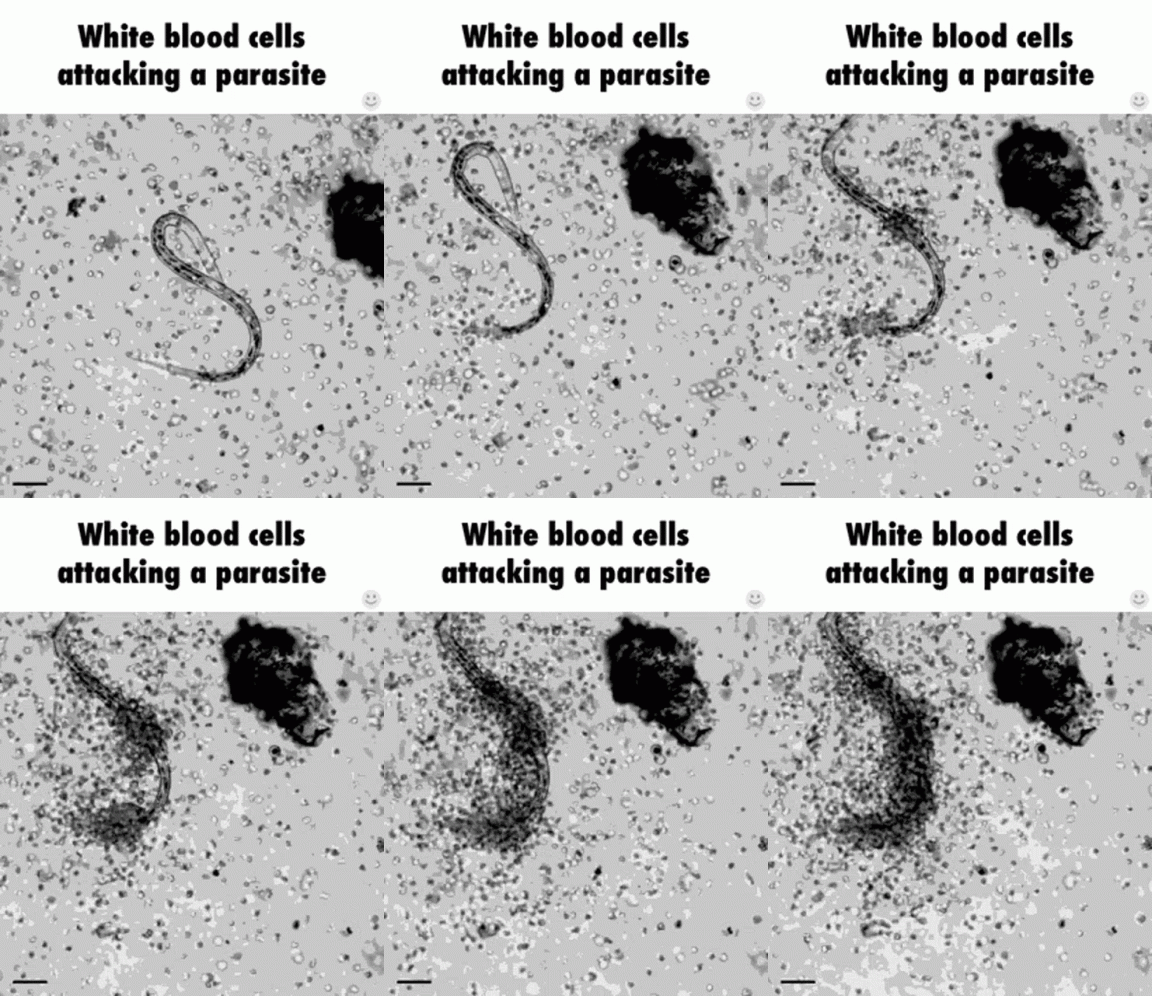
Neutrophils are the most common type of leukocyte, making up around 65% of all white blood cells. They are 12 to 14 µm in diameter, and contain a single nucleus. They contain few cell organelles and protein synthesis does not take place within them. Neutrophils originate in the bone marrow and circulate in the bloodstream for 6 to 10 hours, before entering the surrounding tissues. Once in the tissues, they destroy damaged cells and bacteria through phagocytosis, before self-destructing.
White blood cells are important for the .
Neutrophils originate in the and circulate in the . Once in the tissue, neutrophils can destroy by a process called "".
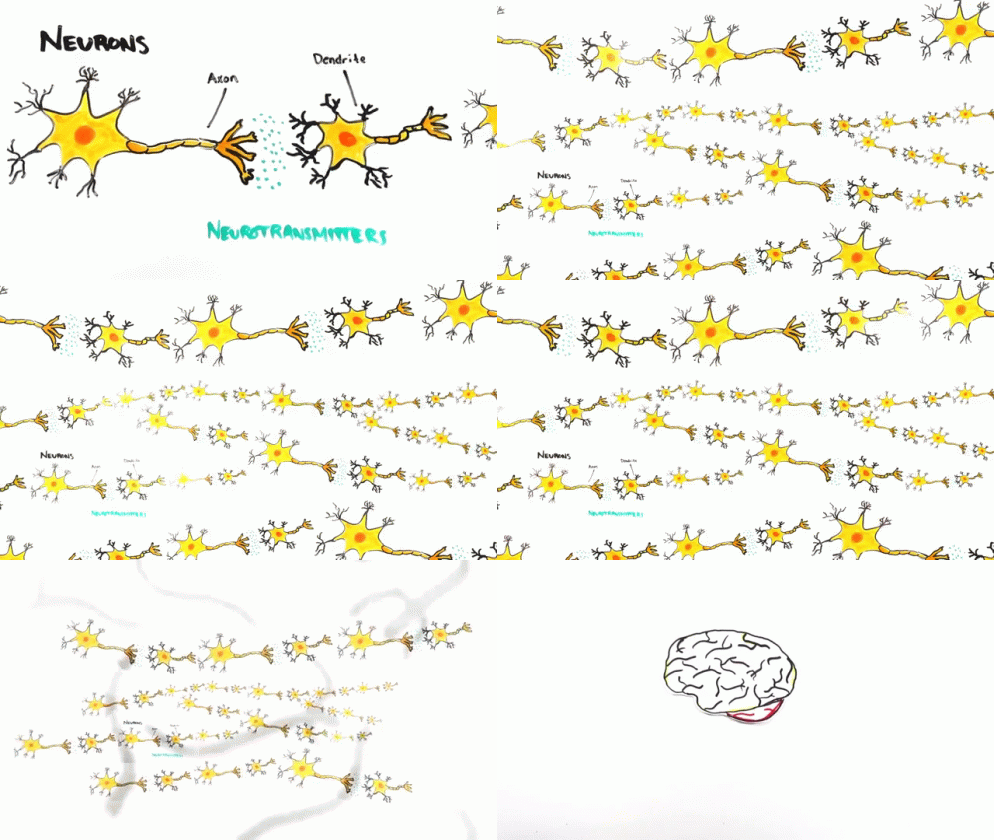
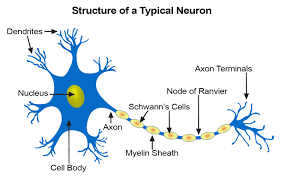
Nerve cells, commonly known as neurons, transmit information throughout the body in the form of electrical signals or nerve impulses. Structurally, neurons have four specific regions; the cell body, dendrites, the axon and axon terminals. The cell body contains a nucleus and is responsible for synthesising neural proteins. The axon is long and thin, and protrudes from the cell body like a tail and can be myelinated or unmyelinated. Axons are responsible for conducting electrical impulses in the form of action potentials, away from the cell body.
Another name for a nerve cell is a
Word Bank:
electrical
moron
neuron
protein

Cardiac muscle cells are also called cardiomyocytes which together make up the most important muscular tissue in the entire body, the tissue of the heart. Individually, they are about 0.02 mm wide and 0.1 mm long and linked together via gap junctions. The cells contract in unison creating the contractions of the heart. This is coordinated by nervous impulses which depolarises the cell membrane, spreading from cell to cell relatively quickly as the cells are very closely anchored via intercalated discs. Cardiomyocytes contain many sarcosomes to provide sufficient energy for contraction.
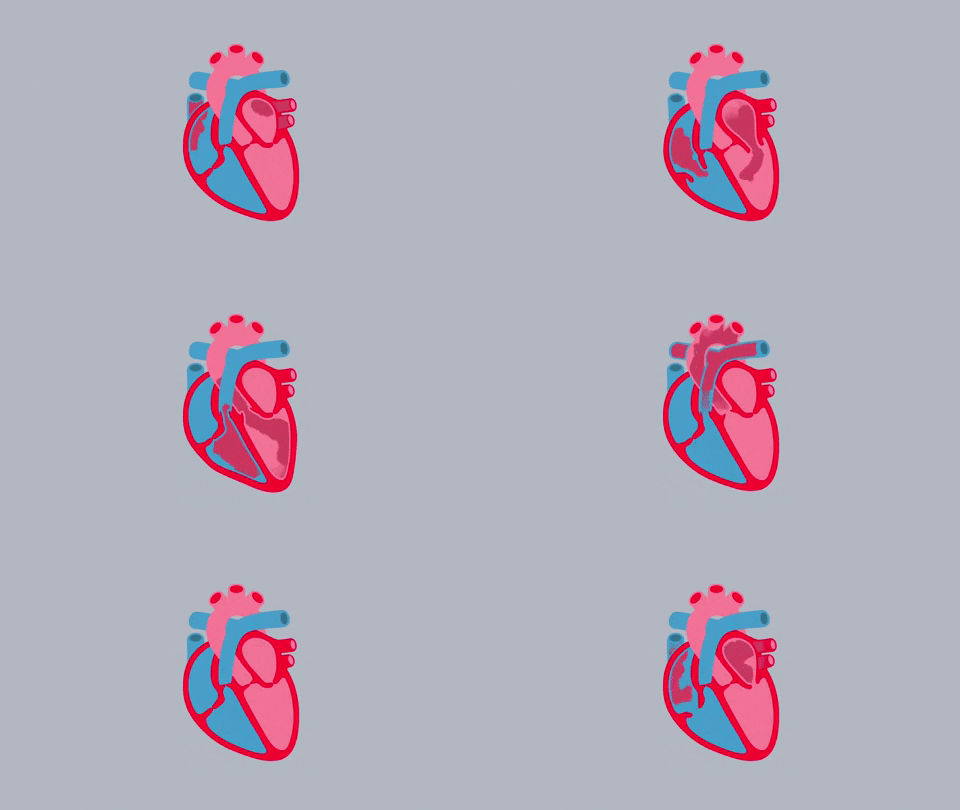
Cardiac muscle cells contract in "unison" creating the contractions of the heart.
What does the word unison mean?

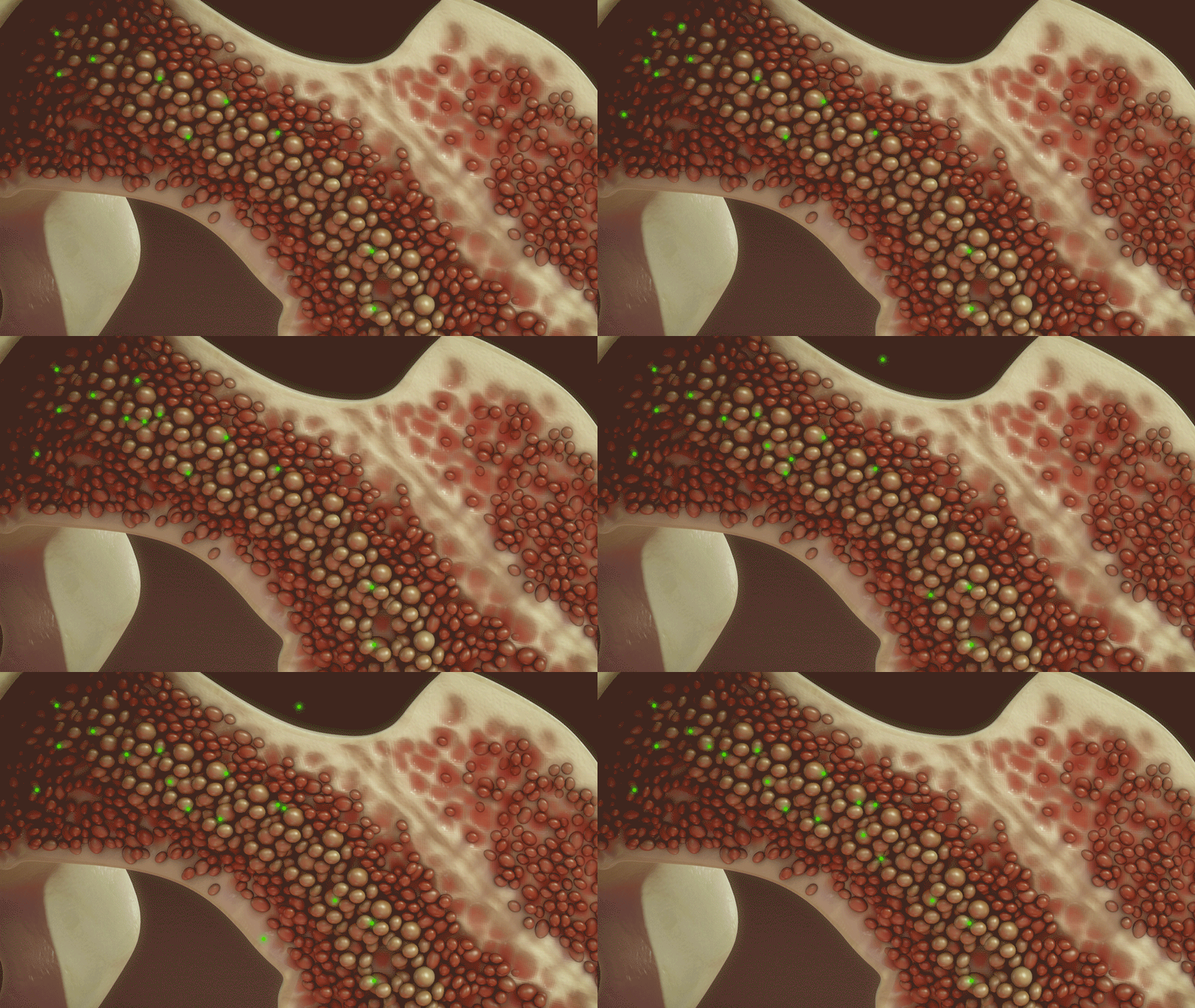
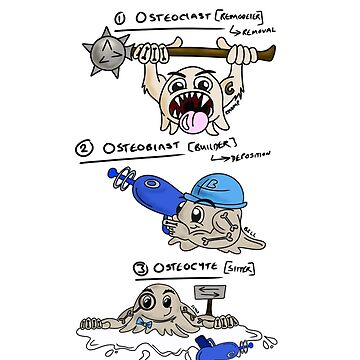
There are four types of bone cells in the body; osteoblasts, osteoclasts, osteocytes and lining cells.
Osteoclasts
This is where the bone is broken down during the process of renewal. Osteoclasts break down bone by forming sealed compartments on its surface, and releasing enzymes and acids. After they complete the pocess, they die by apoptosis (programmed cell death).
Osteoblasts Osteoblasts have the opposite function, they are involved in the generation of new bone. They are cuboidal in shape and have one central nucleus. They work by synthesising protein which forms the organic matrix of the bone. They are triggered to create new bone by hormones such as vitamin D and estrogen, and have specialised receptors on their surfaces which detect them.
After learning about the different types of cells the body has, which type of cell is your favorite so far and why?
Sentence Starter: The cell type that I like the most is
Used in most research, embryonic stem cells come from...
Adult stem cells are present . They exist in order to and maintain surrounding tissues.
What does the nucleus contain?