Log in
Sign up for FREE
arrow_back
Library

8.5 A-B Quiz #1

star
star
star
star
star
Last updated almost 4 years ago
10 questions
Required
1
SCI.8.5b
Required
1
SCI.8.5a
Required
1
SCI.8.5a
Required
1
SCI.8.5b
Required
1
SCI.8.5a
SCI.8.5b
Required
1
SCI.8.5a
Required
1
SCI.8.5a
Required
1
SCI.8.5a
Required
1
SCI.8.5a
Required
1
SCI.8.5a
SCI.8.5b
Question 1
1.

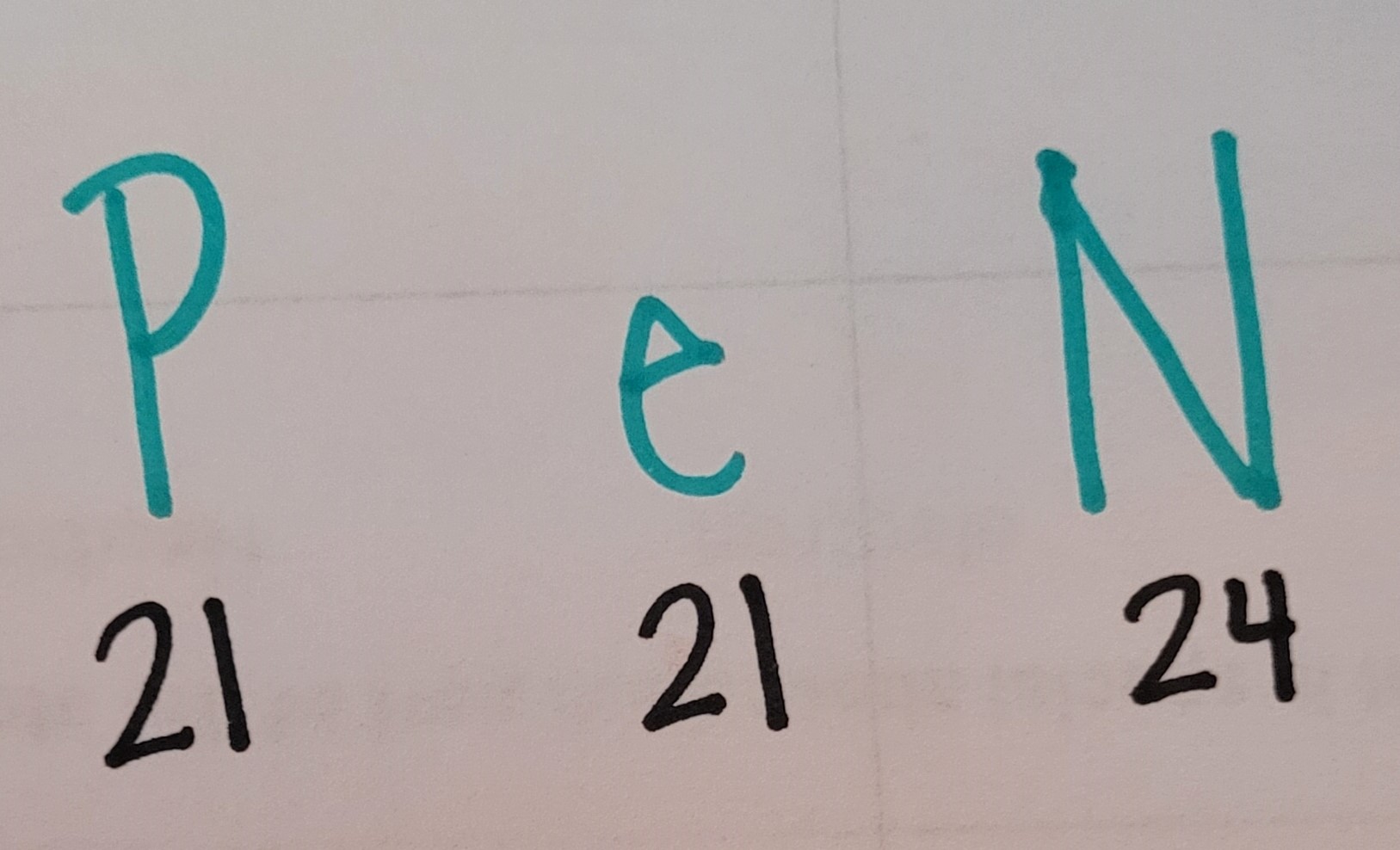
Which of these subatomic particles is responsible for identifying the atom?
Question 2
2.
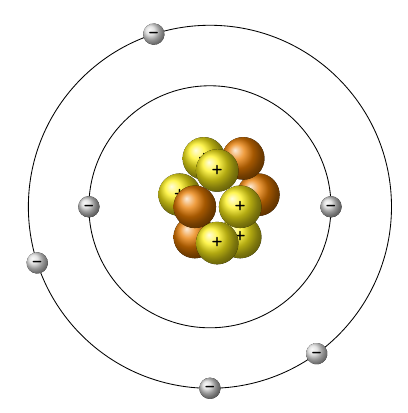
Drag the X to the positively charged particle, drag the Y to the neutrally charged particle, and drag the Z to the negatively charged particle
Other Answer Choices:
Y
Z
X
Question 3
3.

If an Argon atom has a mass number of 40, how many neutrons are in the atom?

Question 4
4.

Question 5
5.

Question 6
6.

Question 7
7.

Question 8
8.

Question 9
9.

Using the information given, what is the mass number of this atom of scandium?

Question 10
10.

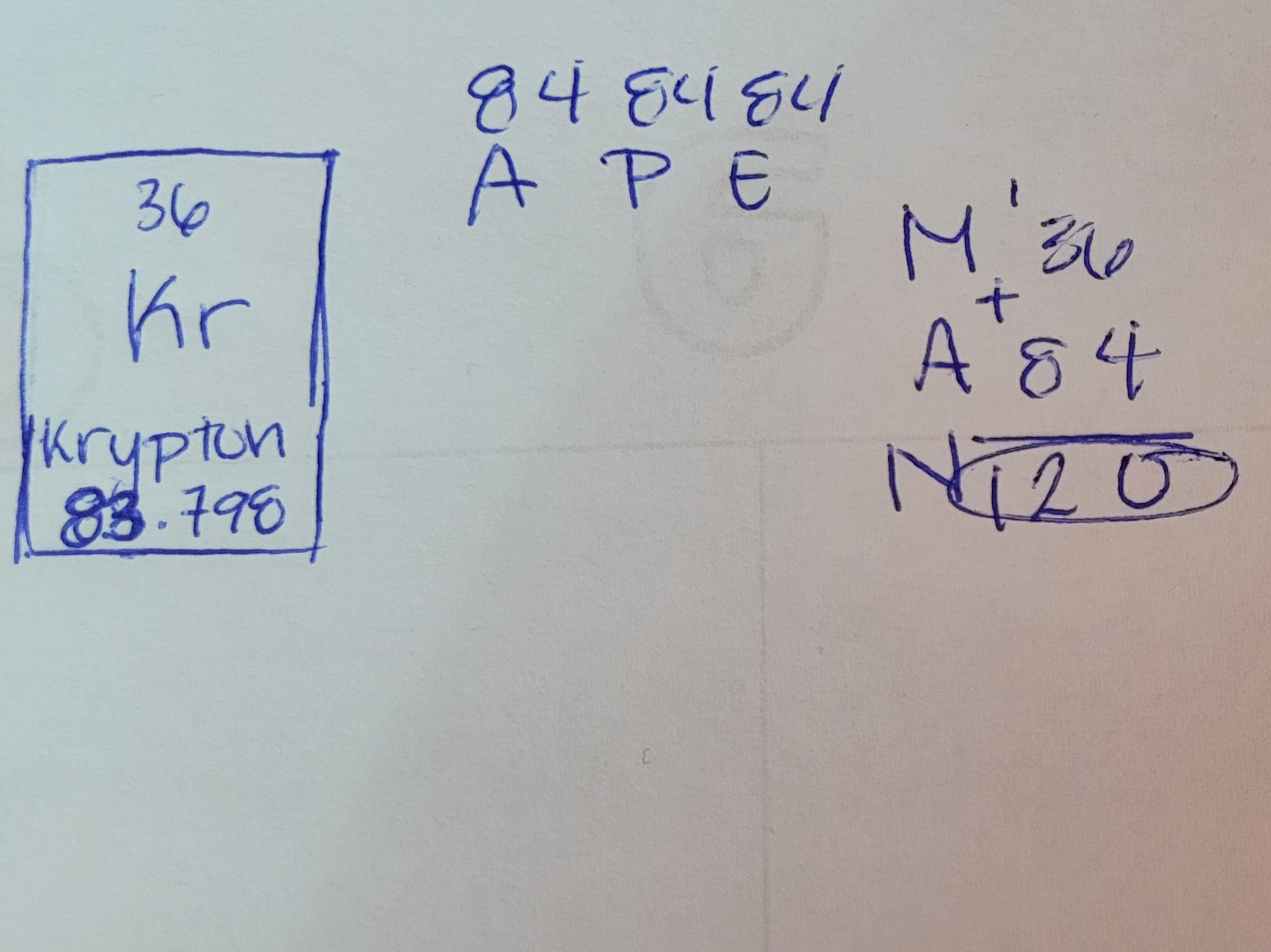
Consider the student work below.
Did this student correctly interpret the periodic table square? Explain your reasoning in a complete sentence.

A student prepared the diagram below to model atoms of two elements
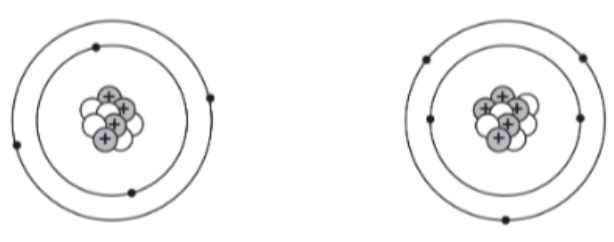
Atoms of which two elements are represented by these models?
Oxygen, O, and Neon, Ne
Fluorine, F, and Neon, Ne
Silicon, Si, and Phosphorus, P
Beryllium, Be and Boron, B
Which statement accurately describes the atoms of a specific element?
An indium, In, atom contains 115 protons inside the nucleus and 49 neutrons outside the nucleus.
A scandium, Sc, atom contains 45 electrons outside the nucleus and 21 neutrons inside the nucleus
An aluminum, Al, atom contains 27 electrons and 27 protons inside the nucleus.
A zinc, Zn, atom contains 30 protons inside the nucleus and 30 electrons outside the nucleus
Which statement correctly describes the location and charge of the electrons in an atom?
The electrons are inside the nucleus and have no charge
The electrons are outside the nucleus and have a negative charge
The electrons are outside the nucleus and have no charge
The electrons are inside the nucleus and have a negative charge
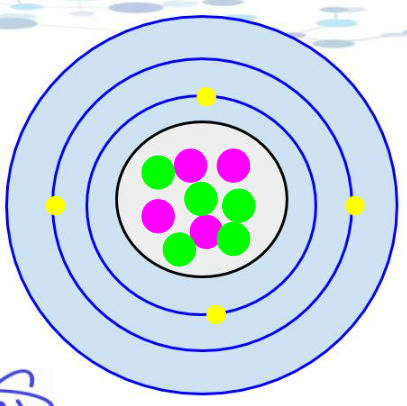
Using the model of an atom below, what is the charge of the nucleus?
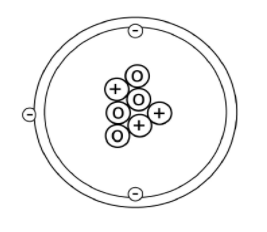
Neutral, there is no charge because the particles cancel each other out
+1
+3
+7
In the early 1900s many scientists thought that an atom consisted of a positive substance with negative charges scattered throughout the substance. Then Ernest Rutherford made a discovery that led to the understanding that an atom consists mostly of empty space with-
Protons orbiting a dense nucleus made of electrons and neutron
Neutrons and protons orbiting a cloud of electrons
Electrons and protons orbiting a cloud of neutrons
Electrons orbiting a dense nucleus made of protons and neutrons