9-12 Unit 2 Mixed Practice
star
star
star
star
star
Last updated 3 months ago
21 Nsɛmmisa
1
1
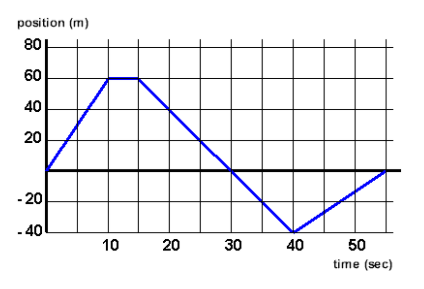
Calculate the velocity of the object from 0 to 10 seconds?
Calculate the velocity of the object from 10 to 15 seconds?
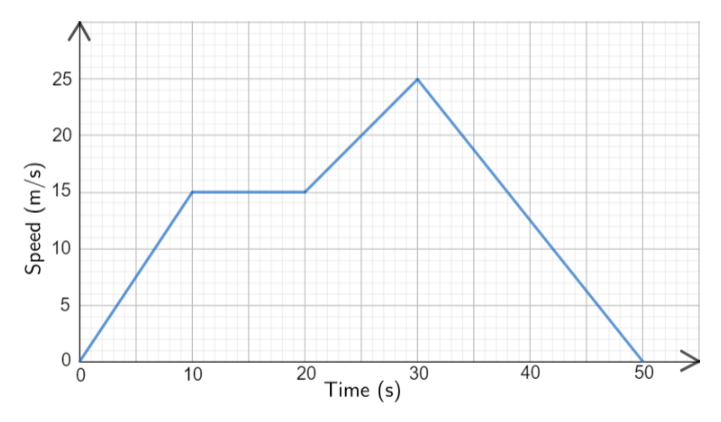
Calculate the acceleration of the object from 5 to 10 seconds?
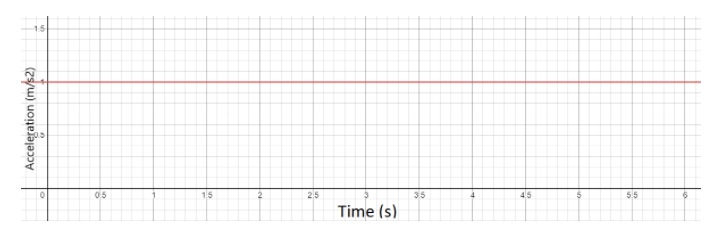
Using the AT Graph, Calculate the speed of the object at t = 2.5 s if the object was initially at rest?
Using the AT Graph, Calculate the speed of the object at t = 5 s if the object was started with a speed of 10 m/s?
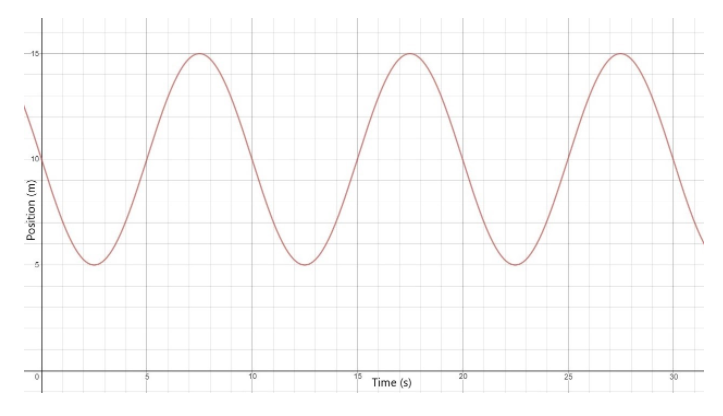
Use this Motion Detecto PT graph to answer the following questions. NOTICE: the motion detector will always be located where the position is 0 meters.
What is the velocity of an object at the moment it changes directions? Think about the slope of the line right at the moment it's changing directions.
During which intervals did the object travel in a positive direction?
During which intervals did the object travel in a negative direction?
During which intervals did the object not move?
Calculate the velocity of the object from 25 to 35 seconds?
During which intervals is the object moving with a constant velocity?
During which intervals is the object moving with a positive acceleration?
During which intervals is the object moving with a negative acceleration?
Calculate the acceleration of the object from 12 to 18 seconds?
Calculate the acceleration of the object from 34 to 42 seconds?
Draw the corresponding PT graph
At what times is the object moving away from the motion detector?
At what times is the object moving toward the motion detector?
At what time is the object the slowest? Remember the slope of the line is the velocity on a PT graph.
At what time is the object the fastest? Remember the slope of the line is the velocity on a PT graph.
At what time is the object changing direction?