Unit 5 Performance Assessment: PRO Atomic Bomb (SY23)
star
star
star
star
star
Last updated over 1 year ago
0 questions
Directions: Below are various primary and secondary sources surrounding the decision to drop the atomic bomb. As you analyze each source, think about how you could use it as evidence to support your argument FOR dropping the atomic bomb on Hiroshima and Nagasaki.
As you learn from these sources, complete the paper graphic organizer for the sources you will use in our fishbowl discussion.
President Harry S. Truman’s Press Release Announcing the Atomic Bombing of Hiroshima on August 6, 1945 and Statement Defending the Use of Atomic Weapons
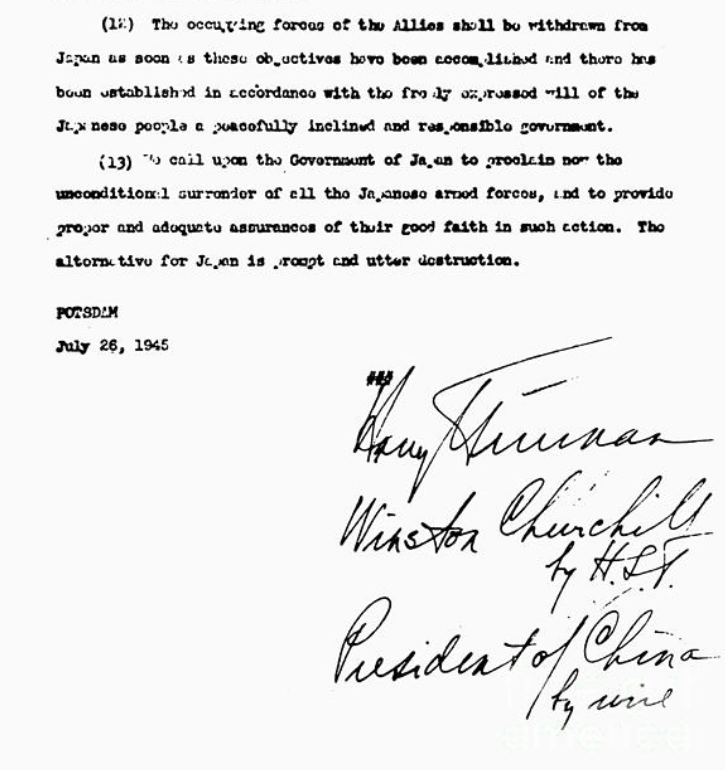
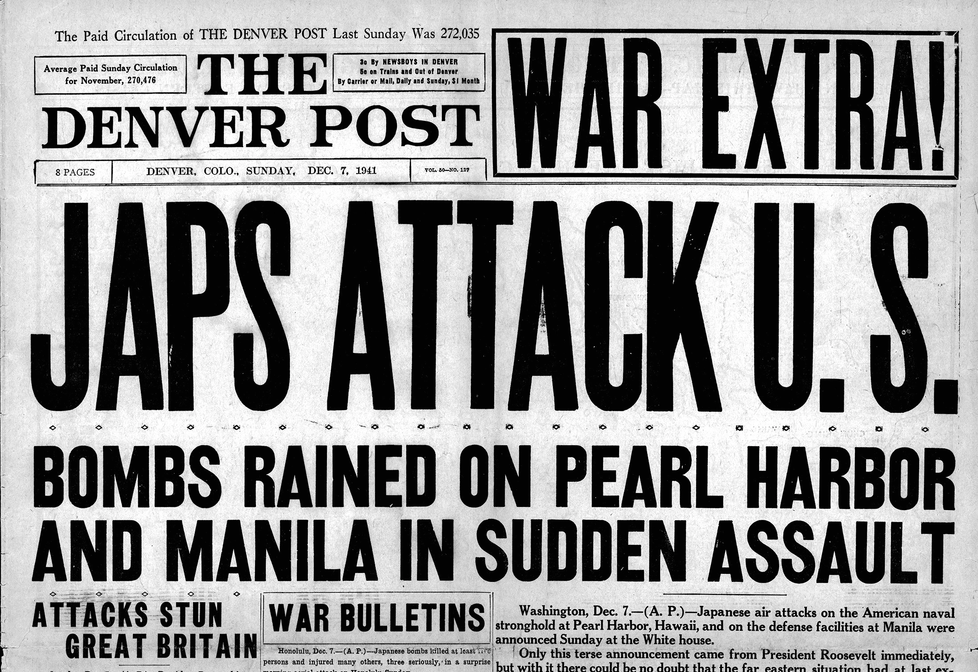
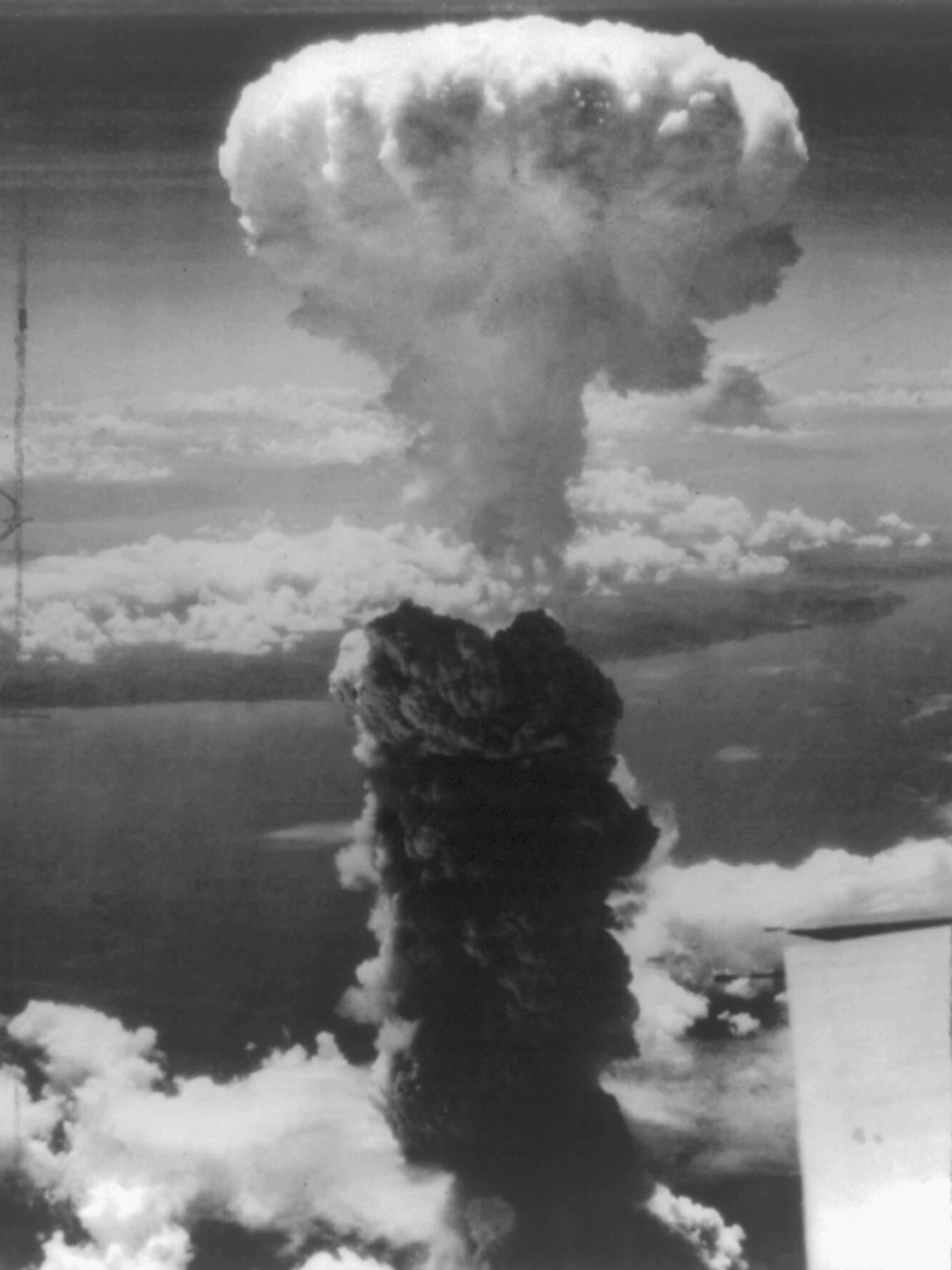
“…The Japanese began the war from the air at Pearl Harbor. They have been repaid many fold. And the end is not yet. With this bomb we have now added a new and revolutionary increase in destruction to supplement the growing power of our armed forces. In their present form these bombs are now in production and even more powerful forms are in development… We are now prepared to obliterate more rapidly and completely every productive enterprise the Japanese have above ground in any city. We shall destroy their docks, their factories, and their communications. Let there be no mistake; we shall completely destroy Japan's power to make war… It was to spare the Japanese people from utter destruction that the ultimatum of July 26 was issued at Potsdam. Their leaders promptly rejected that ultimatum. If they do not now accept our terms they may expect a rain of ruin from the air, the like of which has never been seen on this earth. We have used it against those who attacked without warning at Pearl Harbor, against those who have abandoned the pretense of obeying international laws of warfare. We have used it to shorten the agony of war, in order to save the lives of thousands and thousands of young Americans.”
Kamikaze strikes against Allied warships were prevalent throughout World War II. The Japanese had demonstrated near-fanatical resistance, fighting to almost the last man on Pacific islands, committing mass suicide and unleashing kamikaze attacks. Kamikaze pilots deliberately crashed specially made planes directly into enemy warships, which resulted in suicide. In these kamikaze attacks, more than 3,000 Japanese pilots committed suicide, and it resulted in the deaths of more than 7,000 casualties among American, Australian, and British personnel.
Dropping the Atomic Bomb was the only thing that would have persuaded the Japanese government to surrender.
Even the prospect of an American invasion of their homeland had not tempted the Japanese government into surrendering. The odds were heavily stacked against the Japanese defeating any invasion, yet surrendering was unheard of in their culture. Had the Americans landed, then the defenders would have fought to the death and taken as many of the invaders with them as they could.
The dropping of the atomic bombs gave the Japanese government no realistic alternative to surrendering. They had no way of stopping the United States from dropping more atomic bombs on any of their cities. They were not aware that there had only been two bombs available, and rightfully took the decision to surrender instead of risking the destruction of another city.
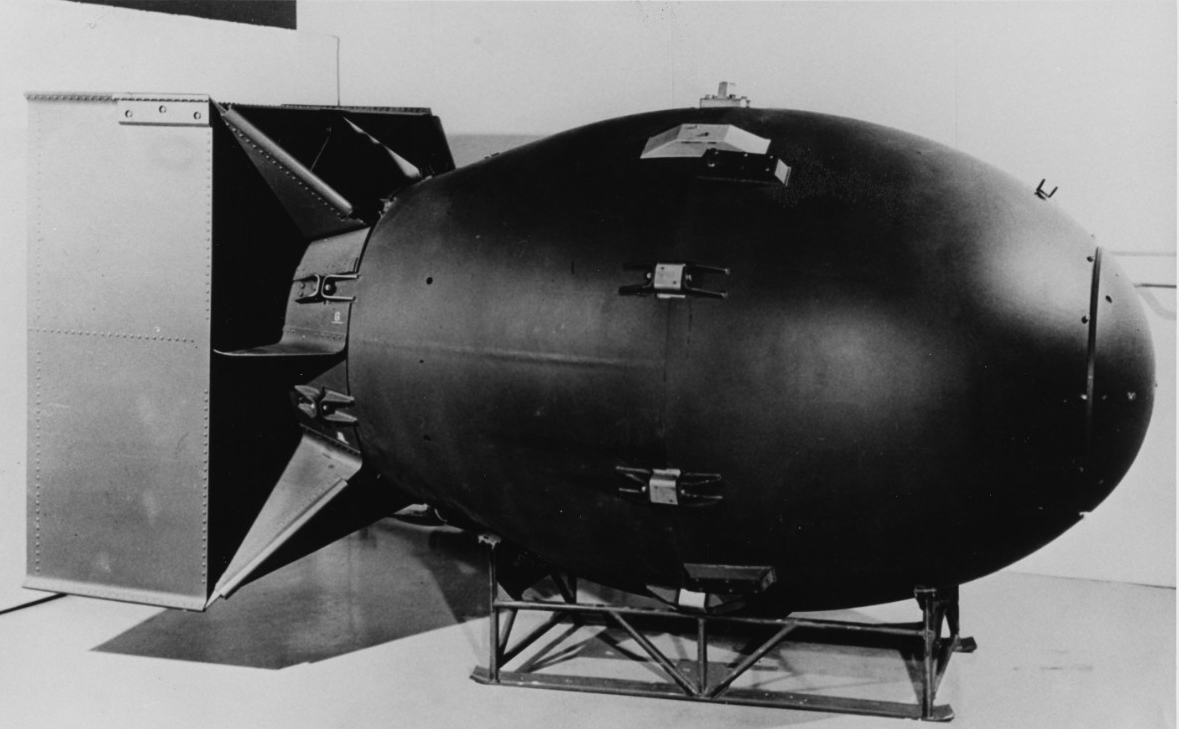
Colonel Paul Tibbets, Jr., and His Thoughts on the Use of Atomic Weapons on Japan
Colonel Tibbets was the pilot of the Enola Gay, the bomber plane that dropped the world’s first atomic weapon on Hiroshima. In 1995, on the 50th anniversary of the Hiroshima bombing, Tibbets was asked how he felt about his role in the world-altering events of August 1945:
“I was anxious to do it… I wanted to do everything that I could to subdue Japan. I wanted to kill the bastards. That was the attitude of the United States in those years…I have been convinced that we saved more lives than we took. It would have been morally wrong if we’d have had that weapon and not used it and let a million more people die.”
Dropping the Atomic Bomb made a Third World War highly unlikely. MAD- Mutually Assured Destruction
The atomic bomb and later the more powerful H bomb decreased the risk of a Third World War taking place, as it would certainly bring about the world’s destruction.
Immediate use of the bomb convinced the world of its horror and prevented future use when nuclear stockpiles were far larger, as seen on the chart to the right. The two atomic bombs, which were dropped on Japan, had only a fraction of the power of H bombs, and they destroyed a city each.
The atomic bomb changed the consequences of any potential wars between superpowers. It led to the concept known as Mutually Assured Destruction (MAD) which was that none of the nuclear superpowers, especially Russia and the United States, would fight directly against each other out of fear of nuclear fallout. This reality meant that world superpowers could not risk directly fighting each other and begin a nuclear war that would wipe out humanity within minutes once ballistic missile strikes were launched. The possibility of a nuclear-induced doomsday scenario goes a long way in explaining why the Cold War between the superpowers never led to a Third World War.
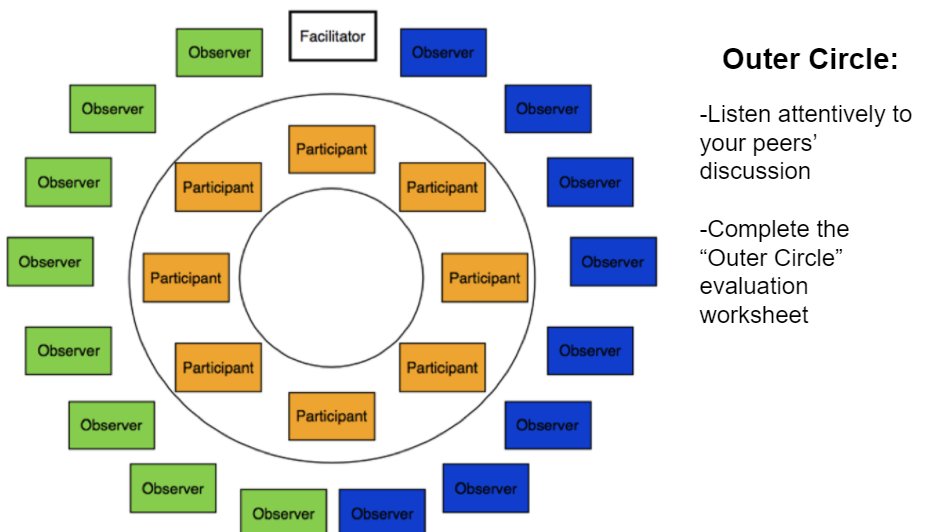
We will divide our class into two circles --- a smaller, inner circle and a larger, outer circle. The inner circle will be provided with an opportunity to talk while the outer circle listens.
It's important that you have your sources graphic organizer completly filled out so that you can refer to it during discussion.
During the discussion, share your ideas on the sources you read and why the bomb should have been dropped. Remember the opposing side has not seen your sources, so you should describe what the source is AND why it supports the idea that the bomb should have been dropped.