Native American History: Diversity among the tribes
star
star
star
star
star
Last updated almost 4 years ago
4 Nsɛmmisa
In Renaissance times, Europeans were not the only ones accomplishing great things. No one can deny the beauty of Michelangelo's brushwork or the brilliance of Shakespeare's verse. But societies elsewhere also flourished. As the modern world turned 1600, it seems as though each corner of the globe had its own "renaissance." The Native American societies of North America were no different. They had diverse cultures and languages, much like Europe.
When the British staked their claim to the eastern coast of the modern United States, they could not have dreamed of the complexity of the peoples they were soon to encounter.
There are 574 different Native American tribes, or "nations", recognized by the U.S. government today. There is no single Native American language. It would be as difficult for the Mohawk natives of the East to converse with Zuni tribe members of the West as it would be for Germans to converse with Turks.
Since 1492, European explorers and settlers have tended to ignore the vast diversity of the people who had previously lived here. It soon became common to lump all such groups under the term "Indian." In the modern American world, some still do. There are certain experiences common to the survivors of these tribes. They all have had their lands compromised in some way or suffered the horrors of reservation life.
Language Lessons
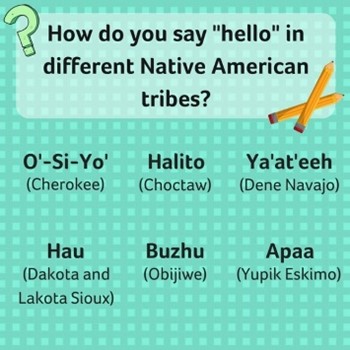
However, stereotyping Native Americans in this way denies the vast cultural differences between tribes. First, there is the issue of language. The Navajo people of the Southwest and the Cherokees of the Southeast have totally unrelated languages.
There were over 200 North American tribes speaking over 200 different languages. The United States used the uniqueness of the Navajo language to its advantage in World War II. Rather than encrypting radio messages, it proved simpler to use Navajos to speak to each other in their everyday language to convey high-security messages. It worked.
Different Strokes For Different Folks
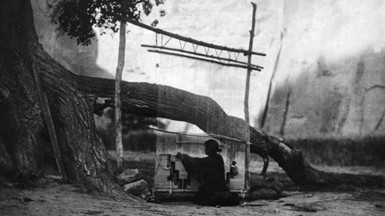
Lifestyles varied greatly. Most tribes were domestic, but the Lakota followed the buffalo as nomads. Most engaged in war, but the Apache were particularly feared, while the Hopis were pacifistic. Most societies were ruled by men, but the Iroquois women chose the leaders.
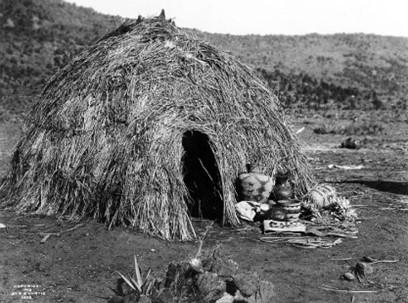
Native Americans lived in wigwams, hogans, igloos, tepees and longhouses. Some relied chiefly on hunting and fishing, while others domesticated crops. The Algonkian chiefs tried to achieve consensus, but the Natchez "Sun" was an absolute monarch. The totem pole was not a universal Native American symbol. It was used by tribes such as the Chinook in the Pacific Northwest to ward off evil spirits and represent family history.
It is important that students of history explore tribal nuances. Within every continent, there is tremendous diversity. The tribal differences that caused the Apache and Navajo peoples to fight each other are not so different from the reasons European countries went to war hundreds of years later. Recognizing tribal diversity is an important step in understanding the history of America.
Define “renaissance”
How many tribes are recognized by the U.S. government today?
How was the Navajo language used to help the Allied cause during World War II?
Why do you think it’s important to recognize the diversity of North American Native American tribes?