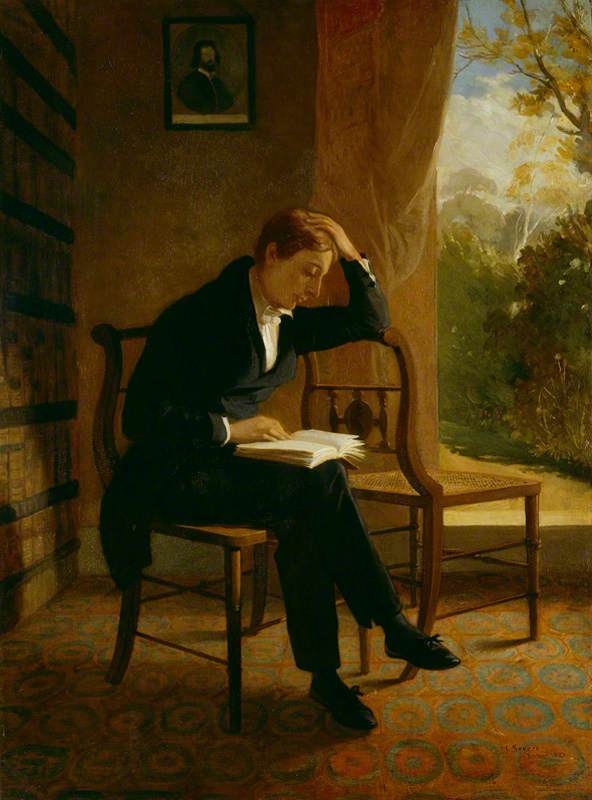
Painting of poet John Keats, by Joseph Severn (1821)
Painting of poet John Keats, by Joseph Severn (1821)
Painting of poet John Keats, by Joseph Severn (1821)
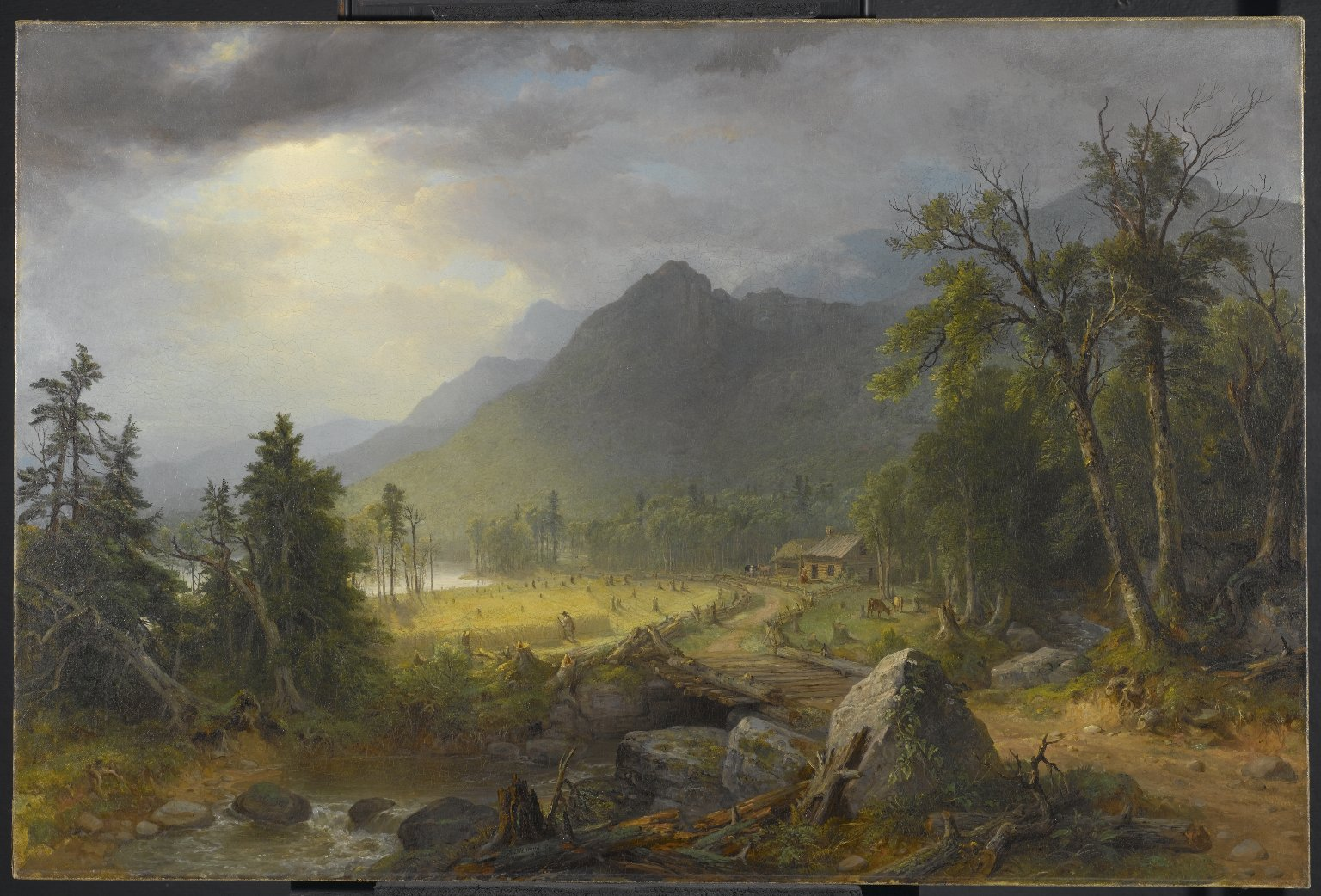
The First Harvest in the Wilderness, by Asher B. Durand (1885)
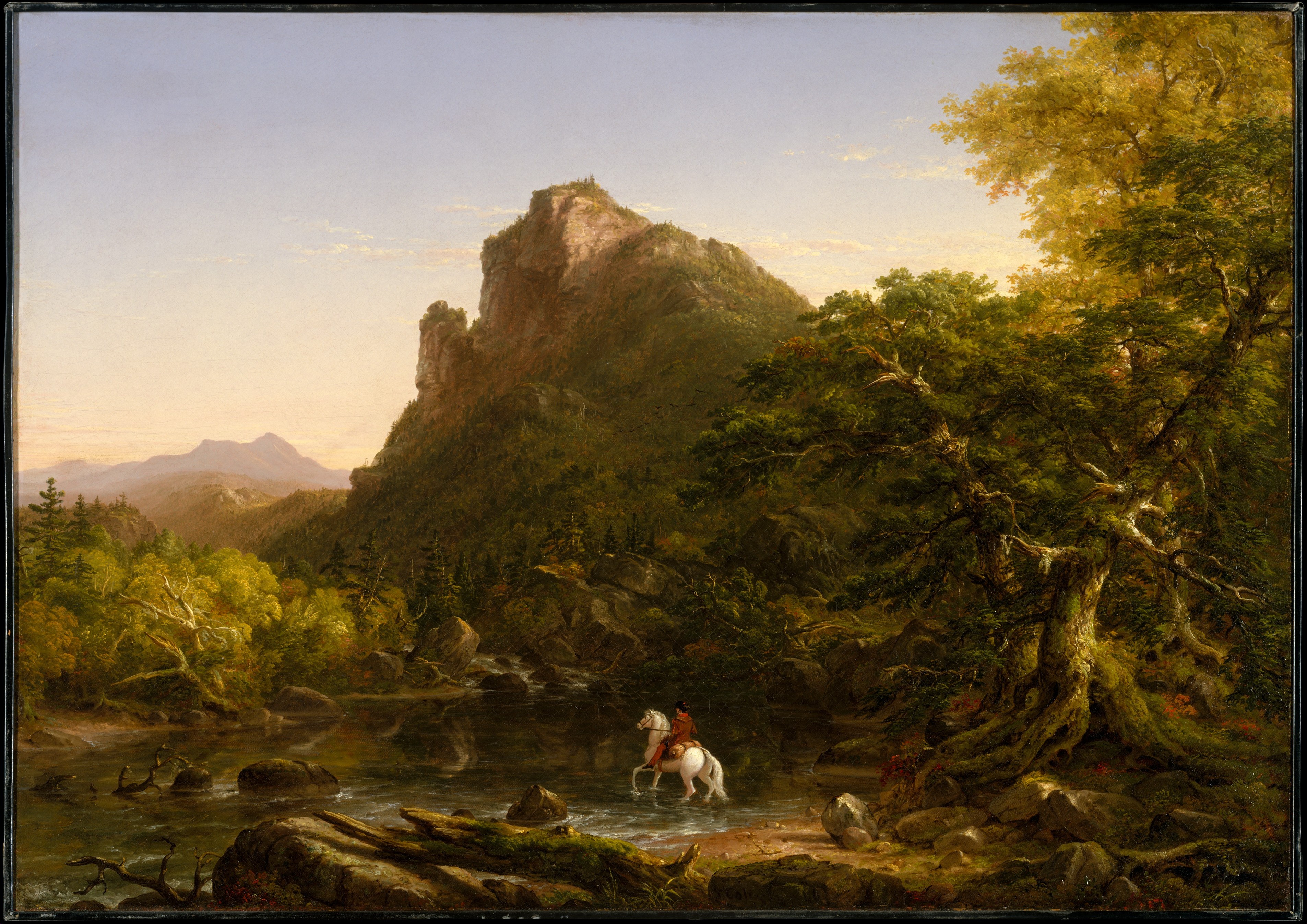
Thomas Cole, 'The Mountain Ford'
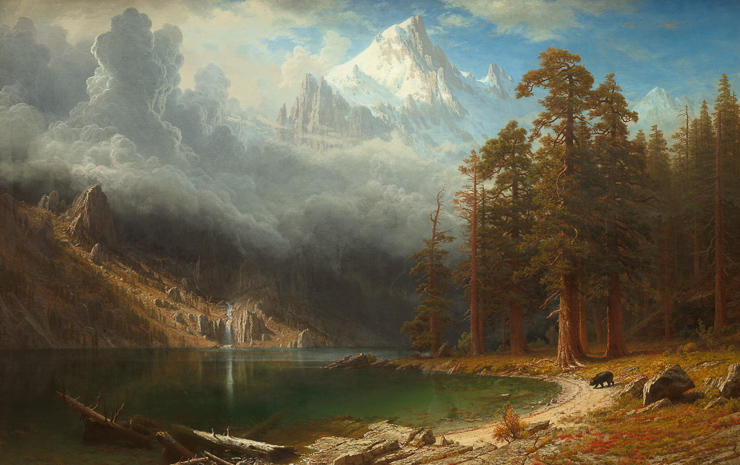
Albert Bierstadt, Mount Corcoran (1876)
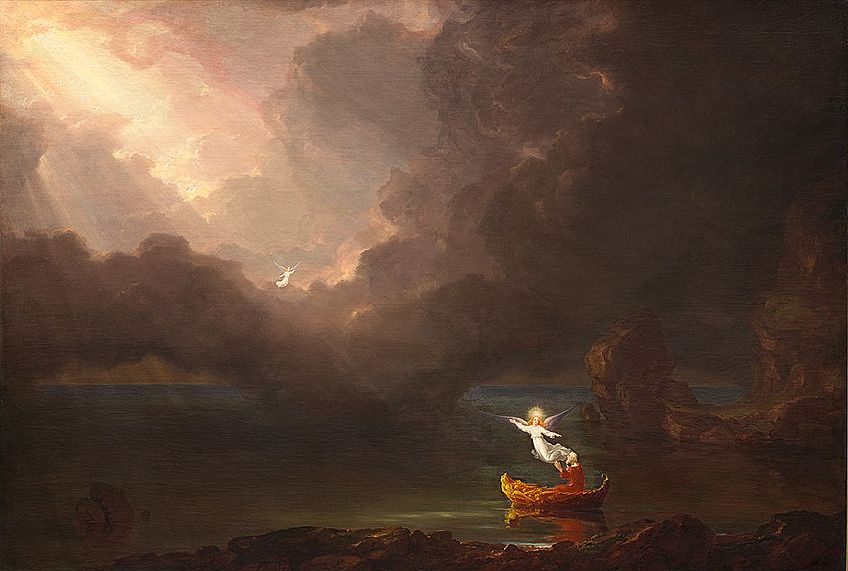
The Voyage of Life: Old Age (1842) by Thomas Cole
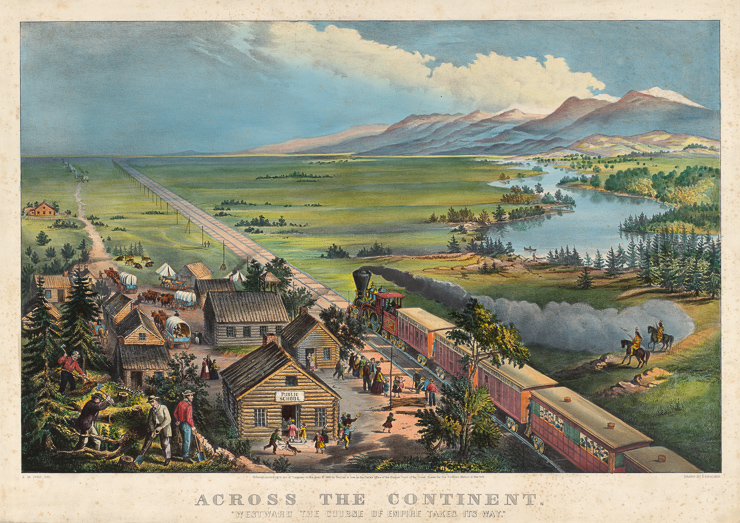
Currier and Ives, Across the Continent: "Westward the Course of Empire Takes its Way", 1868
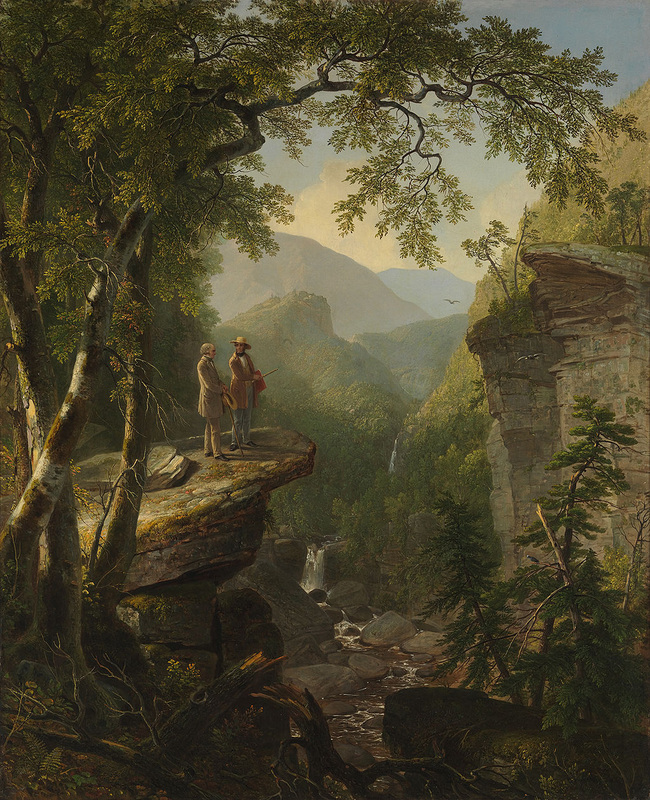
Kindred Spirits (depicting the painter Thomas Cole, who had died in 1848, and his friend, the poet William Cullen Bryant, in the Catskill Mountains) by Asher Brown Durand
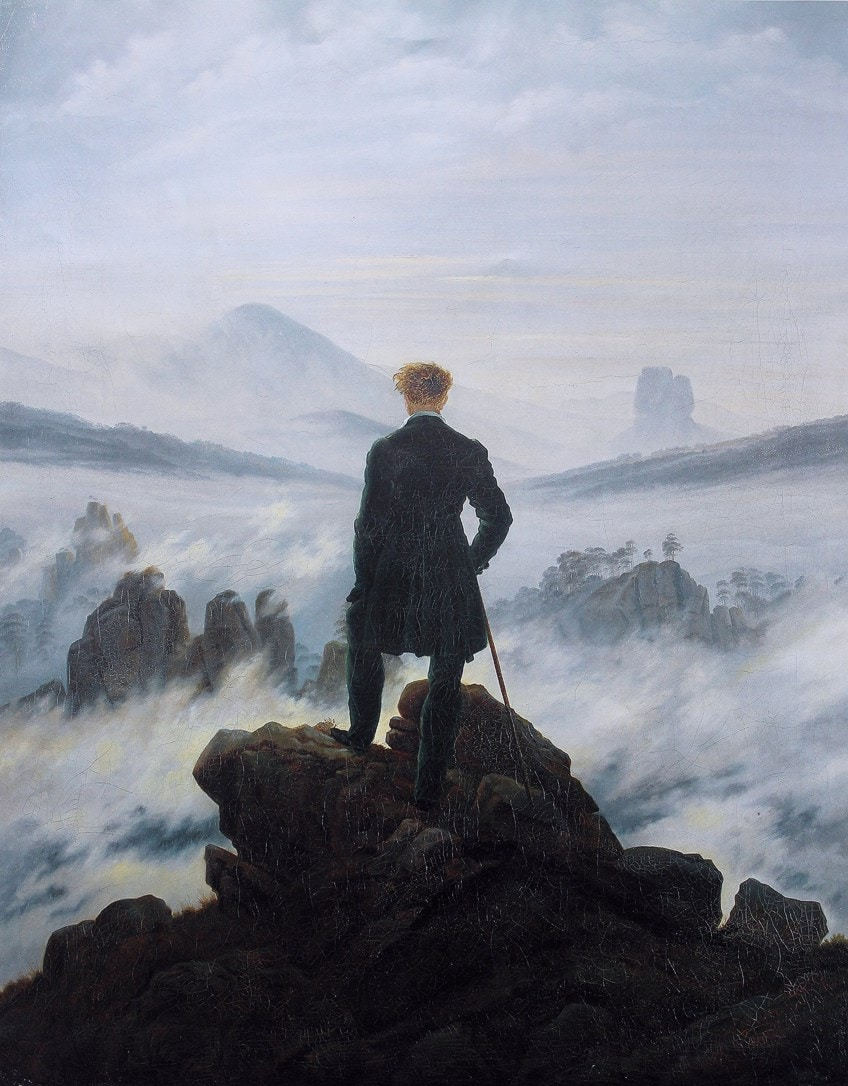
Wanderer above the Sea of Fog (c. 1818) by Caspar David Friedrich
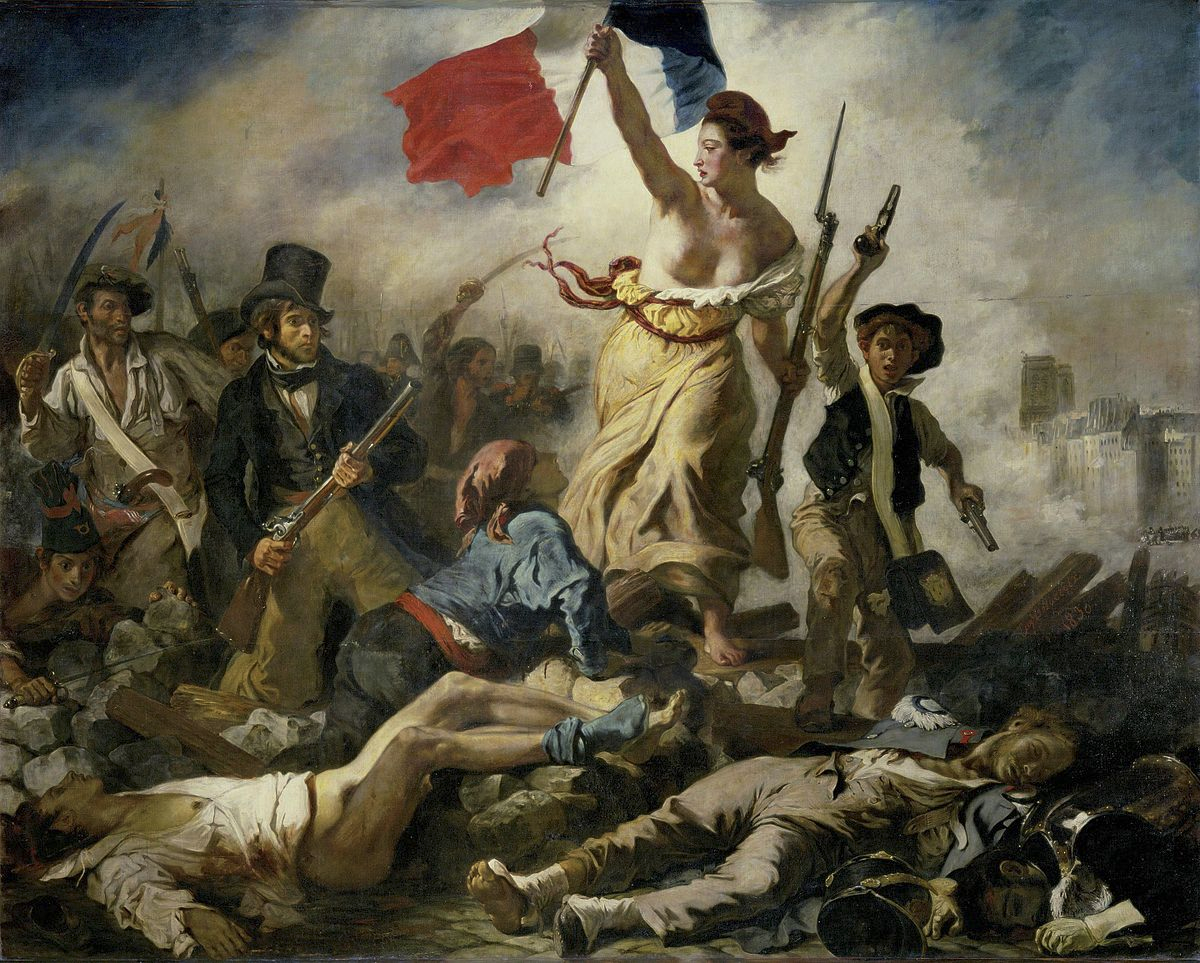
Liberty Leading the People, by Eugène Delacroix (1830)
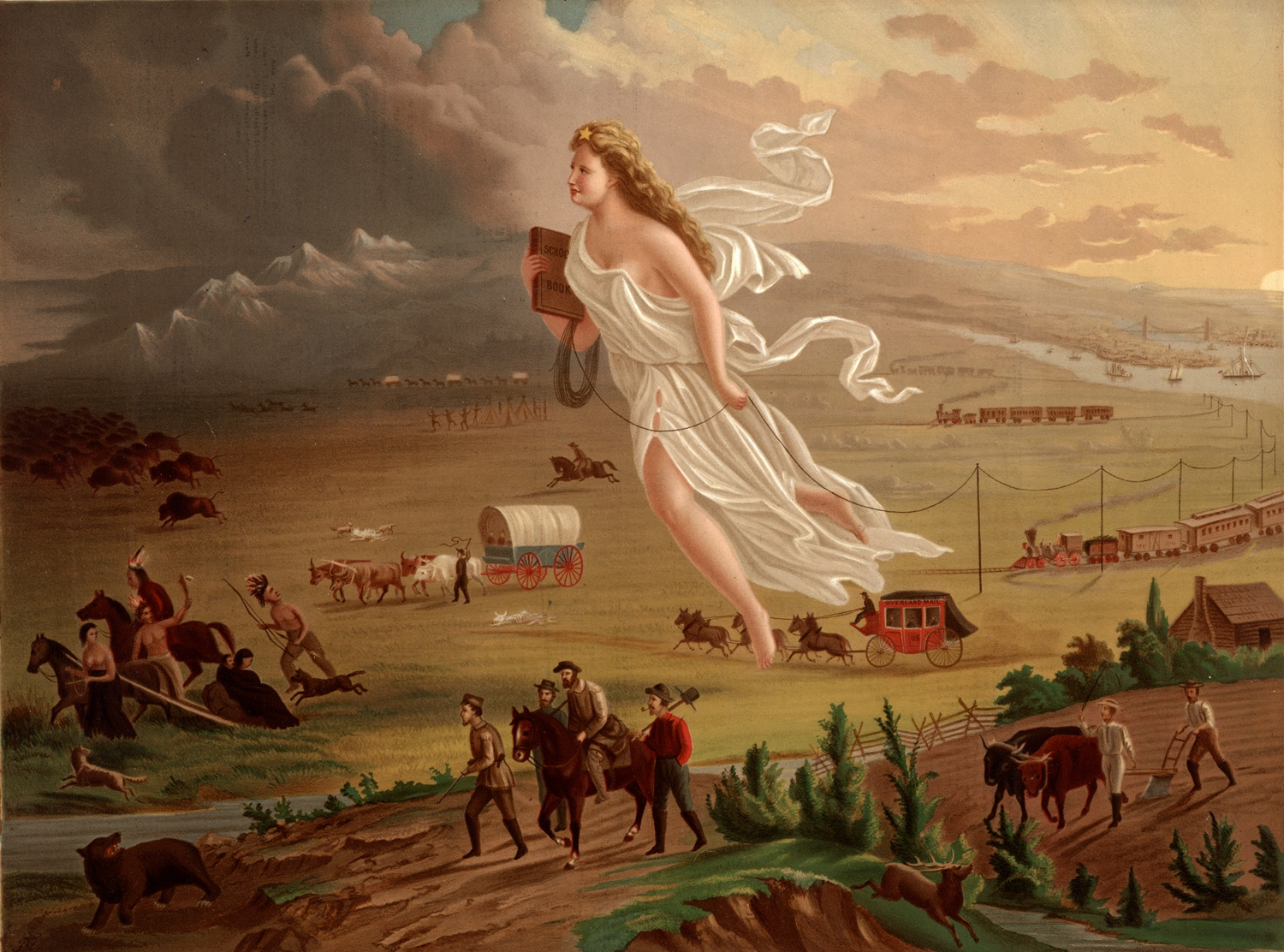
American Progress by John Gast (1872)
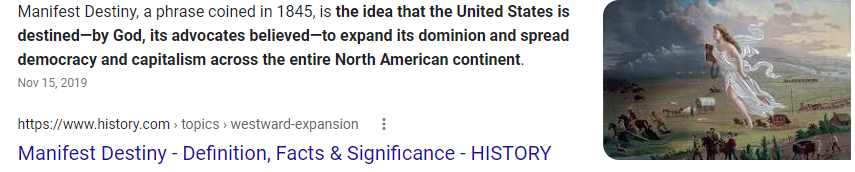
Carefully "read" the painting above. This is the classic “manifest destiny” painting in most history textbooks. If you google manifest destiny it even pops up:
Answer both parts of this question in an open response below:
9a.) Is this concept of manifest destiny a romantic or transcendentalist ideology? How can you tell? Analyze the painting and/or the definition in your response
9b.) In your opinion, is manifest destiny a positive or negative interpretation of this ideology?