Unit 0.1 Reading: Starving Time in Jamestown
star
star
star
star
star
Last updated over 1 year ago
8 questions
Note from the author:
Directions: Please actively read and respond to the comprehension questions in order to best work on two years of reading growth.
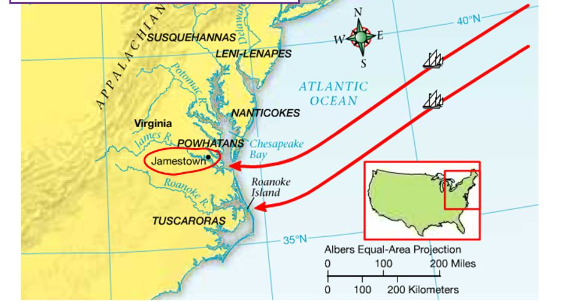
The Starving Time at Jamestown in the Colony of Virginia was a period of starvation during the winter of 1609–1610. There were about 600 Jamestown residents at the beginning of the winter. However, there were only 61 people still alive when the spring arrived.
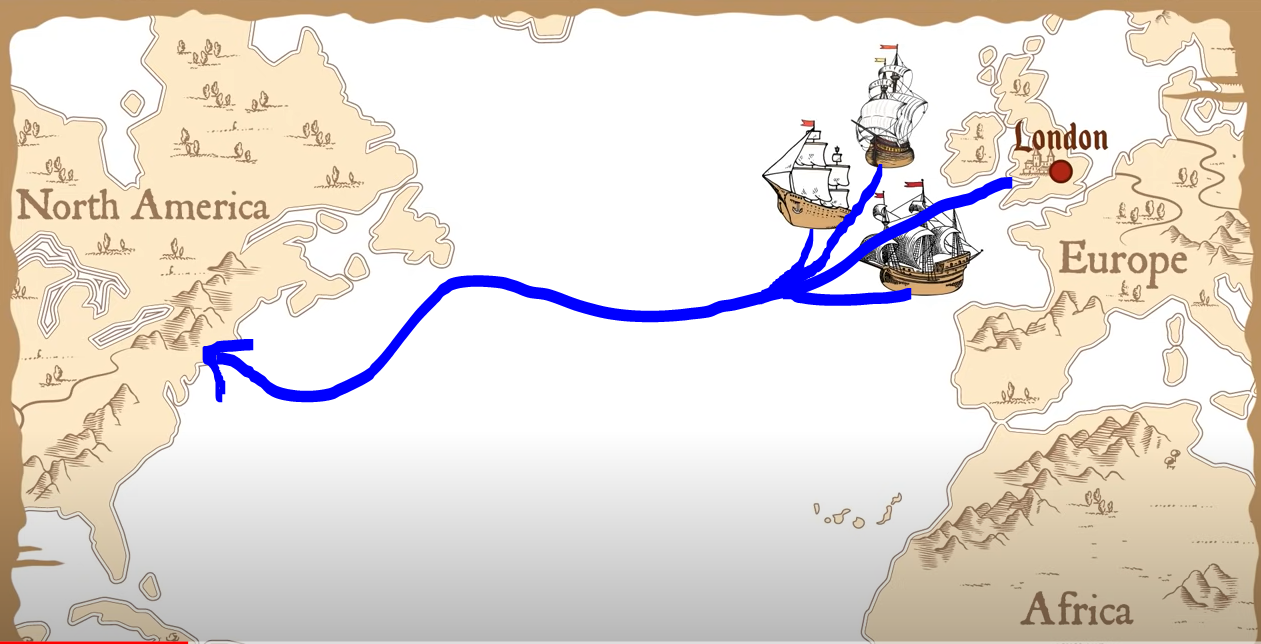
The colonists, the first group of whom had originally arrived on May 13, 1607, had never planned to grow their own food. Their plans depended upon trade with the local Powhatan Native American tribe to supply them with food between the arrivals of scarce supply ships from England. Lack of access to water and a relatively dry rain season destroyed the agricultural production of the colonists. Also, the water that the colonists drank was brackish and potable for only half of the year.
Required
1
What was the Jamestown colonists' plan to secure food?
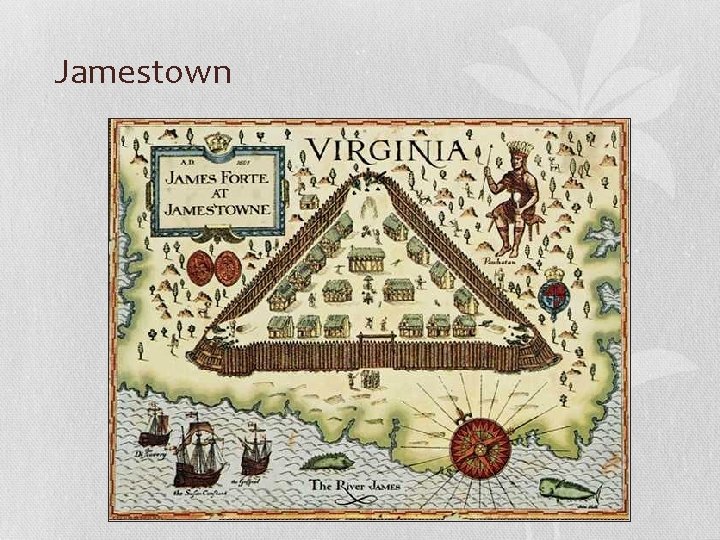
The English settlement at Jamestown had been established on May 24, 1607. The initial small group of 104 men and boys chose the location because it was favorable for defensive purposes, but it offered poor hunting prospects and a shortage of drinking water. Although they did some farming, few of the original settlers were accustomed to manual labor or familiar with farming. The colonists were largely dependent upon trade with the Native Americans and periodic supply ships from England for their food.
Required
1
What was one pro of Jamestown's location?
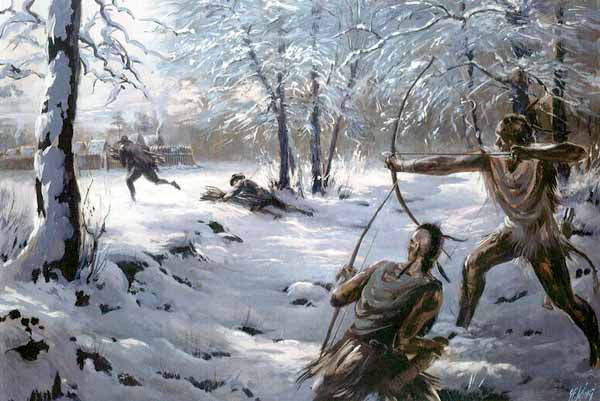
A series of incidents with the Native Americans soon developed into serious conflicts, ending any hope of an alliance with them. This forced the settlers into close living spaces, behind fortified walls, severely limiting their ability to farm the area and trade with other Indian tribes. Various attempts at farming led to continued conflicts with the natives. The combination of disease and conflict almost obliterated the initial English population.
Required
1
Why were the colonists unable to trade with different native tribes?
From there, things only seemed to get worse. The colony was perpetually short on food. The malnutrition made the settlers vulnerable to disease, which quickly set in and began killing off the colonists. The colony began to stave.
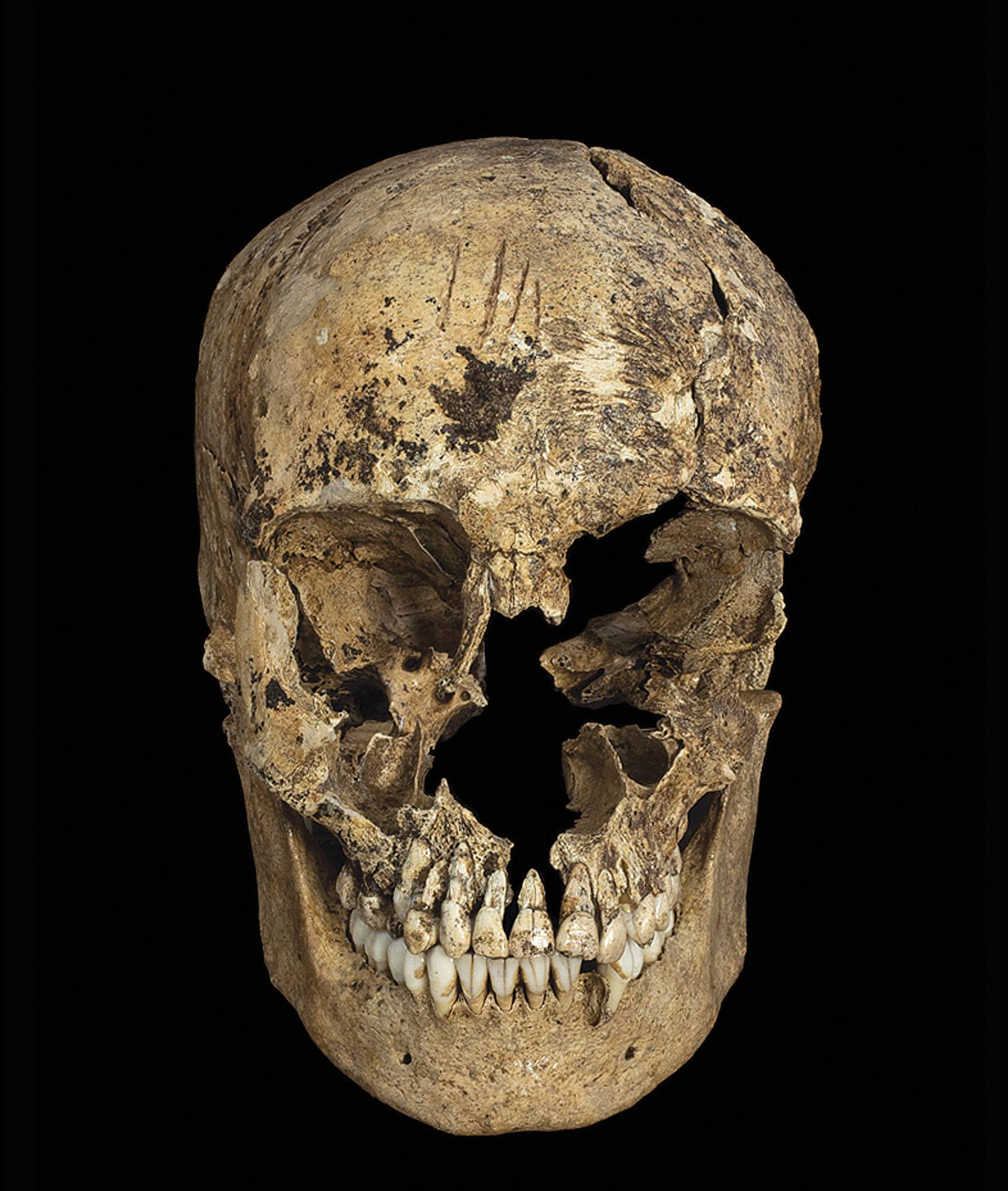
Several primary accounts of the period reference acts of cannibalism. For many years, they were dismissed as myths. But in 2013, archeologists made a gruesome discovery that proved the accounts were true. In a trash heap dating from the period at the site, researchers found the remains of a 14-year-old girl. From cut marks along the bones, it was obvious that she had been butchered.
Required
1
As used in the text, "perpetually" most nearly means
Required
1
In your own words, what is cannibalism? Use your research skills (ie:Google) if you are unsure!
Doug Owsley, head of physical anthropology at the Smithsonian, examined the remains and concluded that
the cuts were made by desperate people, driven to eat their dead by Starving Time. “They were clearly interested in cheek meat, muscles of the face, tongue, and brain,” Owsley continued.
Starving Time turned out to be the worst period in Jamestown’s history. Over the next few decades, the colony began to thrive. It proved to be an important element in England’s eventual colonization of North America.
Required
1
Why does Owsley believe the 14 year old girl was butchered?
Required
1
The skull of the young girl from Jamestown would be considered a
Required
1
Please explain why you believe the skull from Jamestown is a primary or secondary source. Your answer should be at least one complete sentence.