Unit 0.5 Classwork: The Legend of Pocahontas
star
star
star
star
star
Last updated about 2 years ago
8 Nsɛmmisa
Hyɛ no nsow a efi ɔkyerɛwfo no hɔ:
0
0
0
2
1
0
Content Objective: I will be able to explore historical misconceptions on the legend of Pocahontas.
Standard Objective: I will be able to cite the textual evidence that best supports a given claim or point.
Absent? Just want to review the notes? Click here for the slides.
Content Objective: I will be able to explore historical misconceptions on the legend of Pocahontas.
Standard Objective: I will be able to cite the textual evidence that best supports a given claim or point.
Absent? Just want to review the notes? Click here for the slides.
Have you ever seen the Disney movie “Pocahontas”?
There are many challenges to studying the history of Native Americans! Discuss and rank which ones might make it most difficult to understand what truly happened.
*Note: There are no right or wrong answers here! The purpose of this question is to discuss.
Lack of Native American Perspectives
Bias in Secondary Sources
Bias in Primary Sources
Lack of Written Records
Please rate how well you understood the Unit 0.4 Homework: True Story of Pocahontas reading on a scale from 1 to 4. If you have any questions, drop them in the "Show Your Work" area.
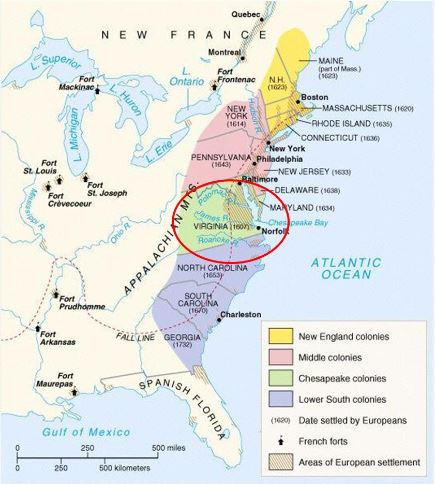
Let's Start with Just the Facts: Jamestown was England's first permanent settlement in the “New” World. The settlement was founded in 1607 in the same region where Pocahontas by a
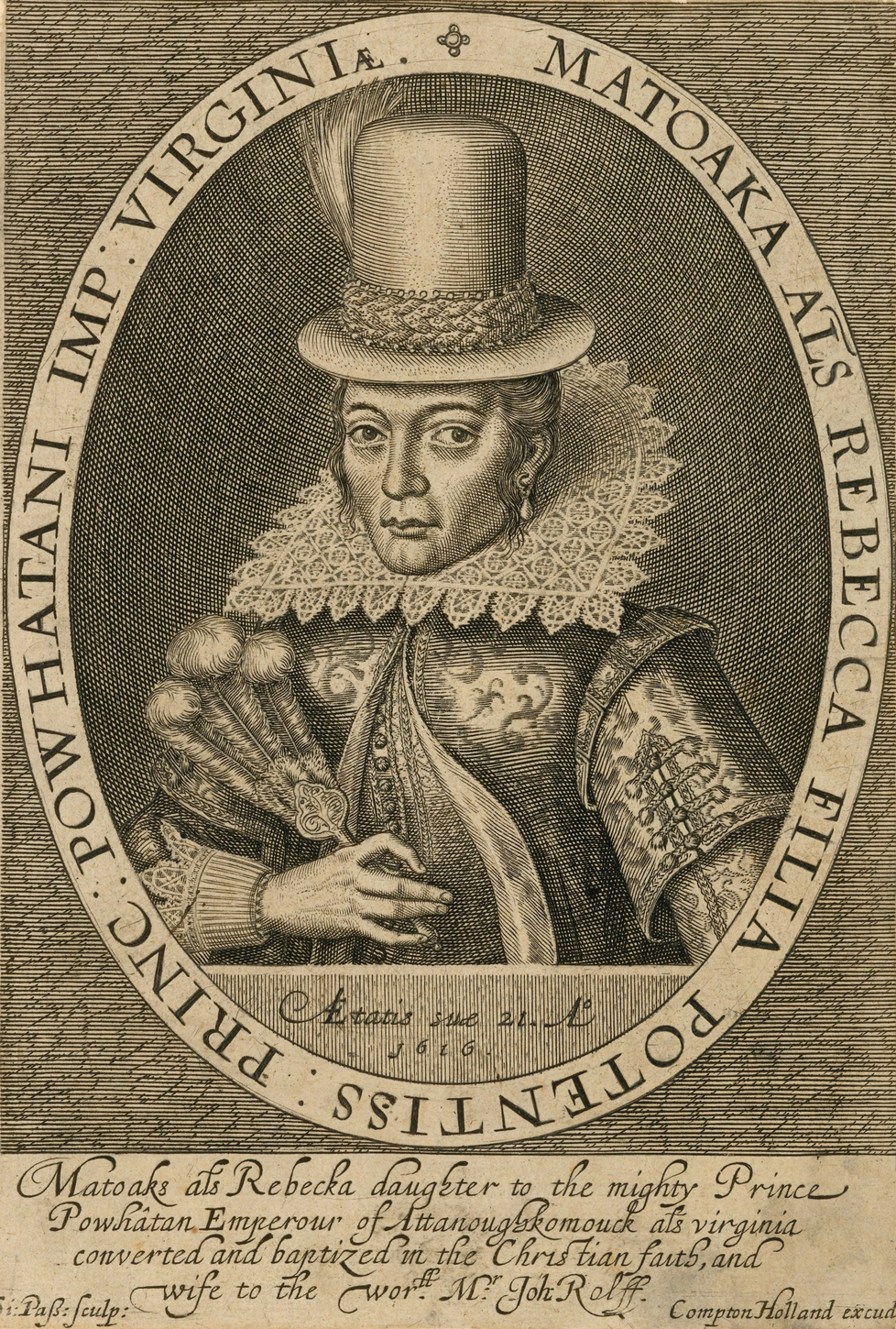
Today we will learn about a young woman known as Pocahontas. Her formal name was Amonute, and “Pocahontas” is actually a childhood nickname meaning “
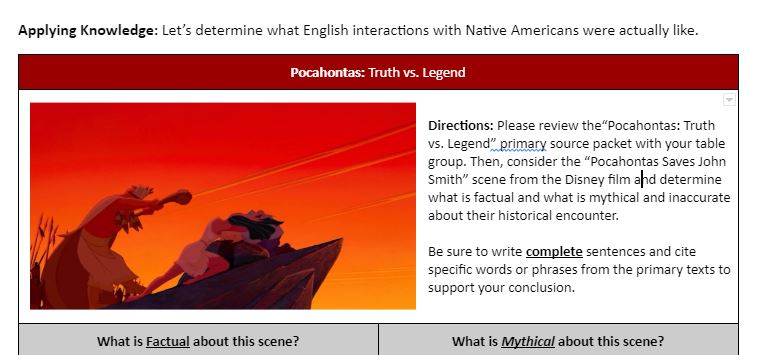
What is actually true about the scene from Disney's 1995 movie, Pocahontas? Use last night's reading to determine in your groups!
The Powhatan people were trying to destroy the English settlers.
The Powhatan people were trying to create an alliance with English settlers like John Smith.
Pocahontas and her father had a special love and respect for one another.
Captain John Smith was an Englishman of high social status.
John Smith's life was not in danger so he did not need saving.
Pocahontas and John Smith had a special love and respect for one another.
Chief Powhatan tried to kill the love of his daughter's life: John Smith.
Pocahontas was only 10 when John Smith arrived in Jamestown.
Captain John Smith was an adventurer who likely was looking to make a name for himself.
Factual
Mythical
Exit Ticket: Given the differences between the 1995 Disney version of Pocahontas and they primary source from Unit 0.4 Homework, how can we determine what actually happened?
In other words, how do historians validate primary sources and determine historical truth?
Exit Ticket: Please rate how well you understood today's lesson on a scale from 1 to 4: