Log in
Sign up for FREE
arrow_back
Library

APUSH Chapter 1: New World Beginnings - SY23

star
star
star
star
star
Last updated over 1 year ago
15 questions
Note from the author:
1
IIRC.01
Directions: Please read through this chapter to the best of your ability and answer the comprehension questions. Each portion of the reading corresponds with the next day's lesson. While readings are merely completion grades (Follow-Through, 20%), you must do your readings regularly if you are serious about passing the AP exam.
1
Question 1
1.

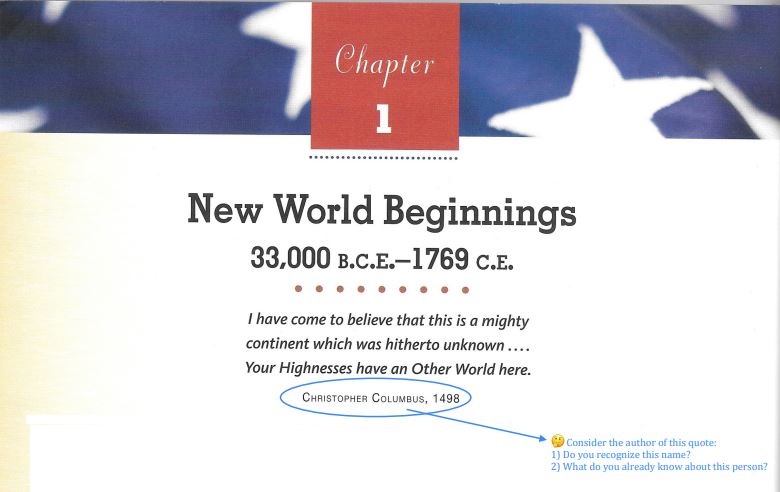
What do you already know about Christopher Columbus?
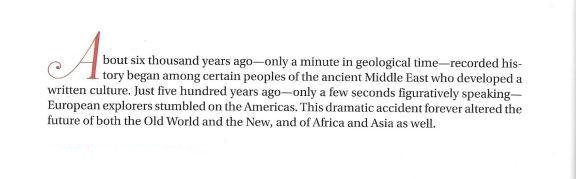
This section of your reading will give you a brief overview of the content covered in each chapter.
Before you proceed, did you watch the "Crash Course U.S. History #1: Natives & Spaniards" EdPuzzle video first?

If no, please read: The reason why you want to watch the video first is because it provides an overview of the corresponding chapter. Our AP textbook is challenging! You will understand more of the reading if you complete the EdPuzzle first, so do that and then come back! Click here to find it in the APUSH Summer HW Google Classroom.

If yes, please read: Way to follow directions! Did you take the time to read through the answer explanations of missed questions? EdPuzzle videos are completion grades because they are your first attempt at learning the historical material, so learn from your mistakes!
1
Question 2
2.

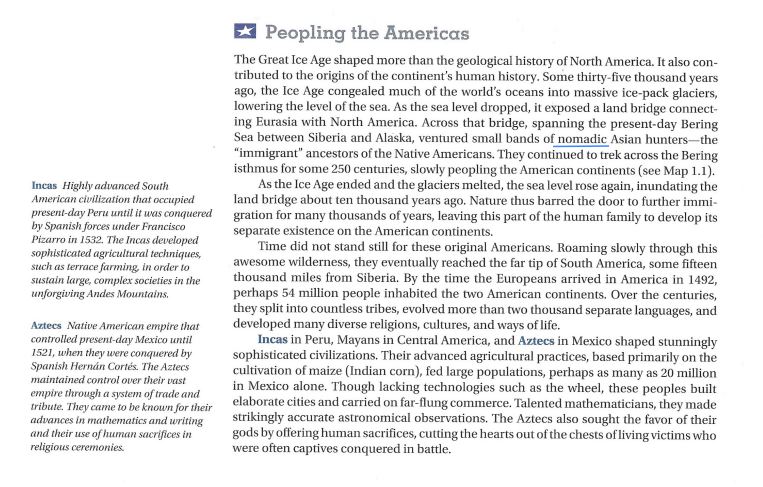
How did the Great Ice Age facilitate the beginnings of North America's human history?

IIRC.01
Question 3
3.

The size and sophistication of Native American civilizations in Mexico and South America can be attributed to
1
Question 4
4.

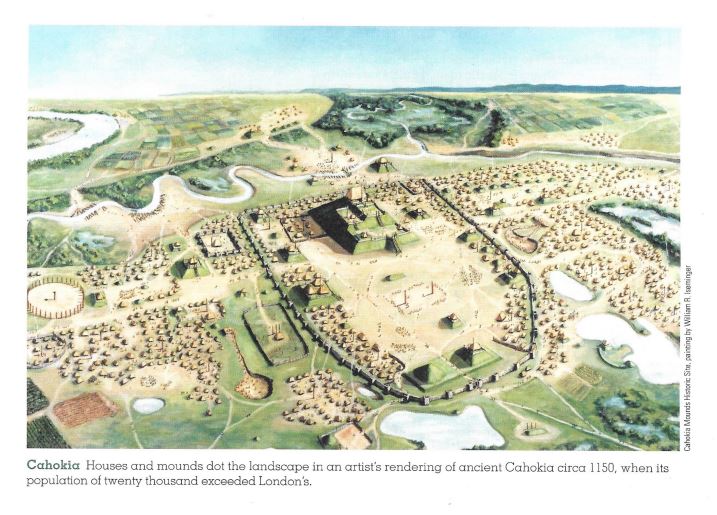
Unlike the Native American societies of Central and South America, the indigenous peoples of North America

IIRC.01
0
Question 5
5.

That's all that's due for Wednesday, 8/31/2022! Do you have any questions about the first reading assignment of the year?
1
Question 6
6.

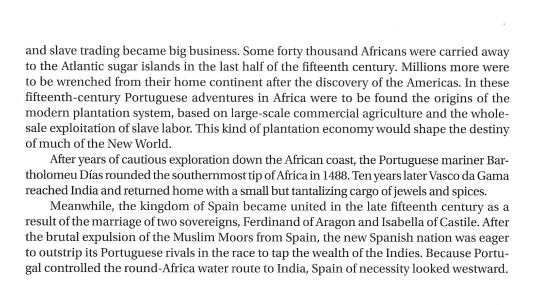
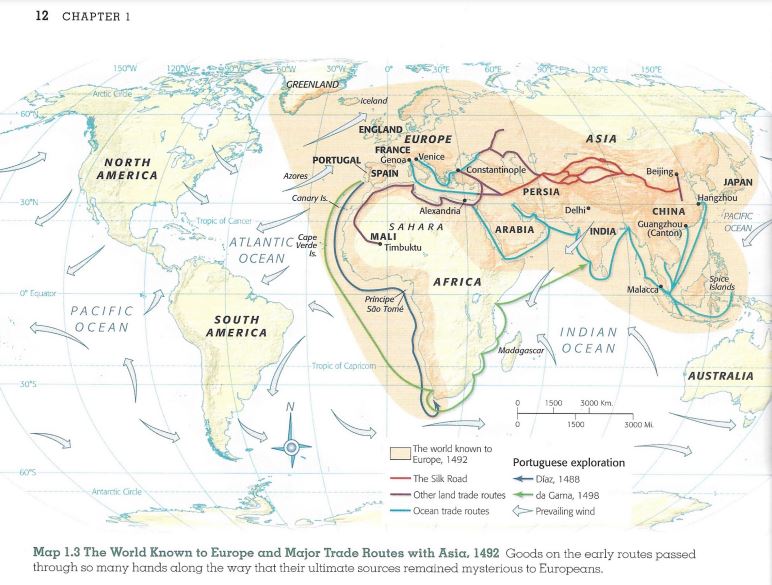
Western Europeans wanted to discover a new, shorter route to eastern Asia in order to
IIRC.02
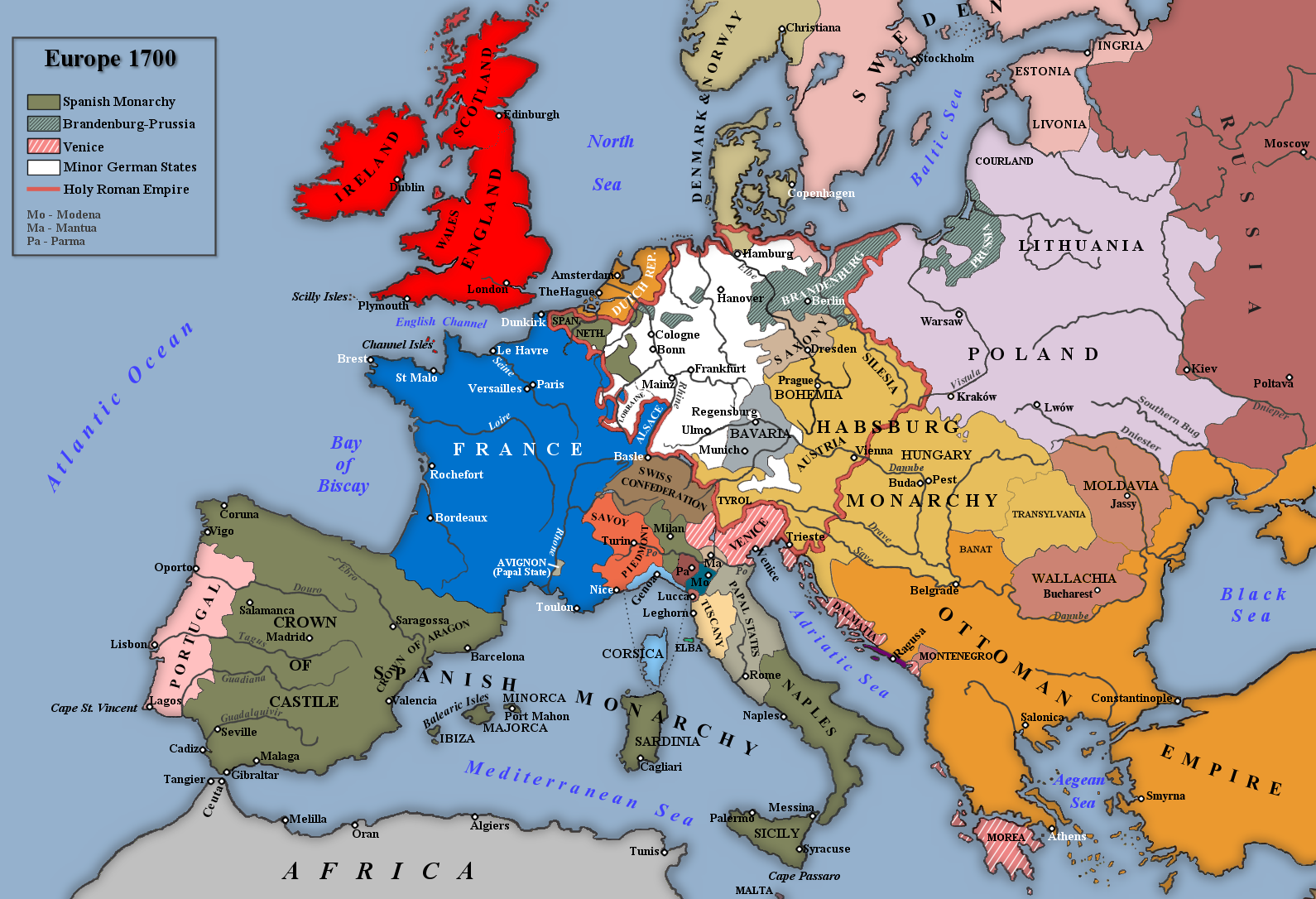
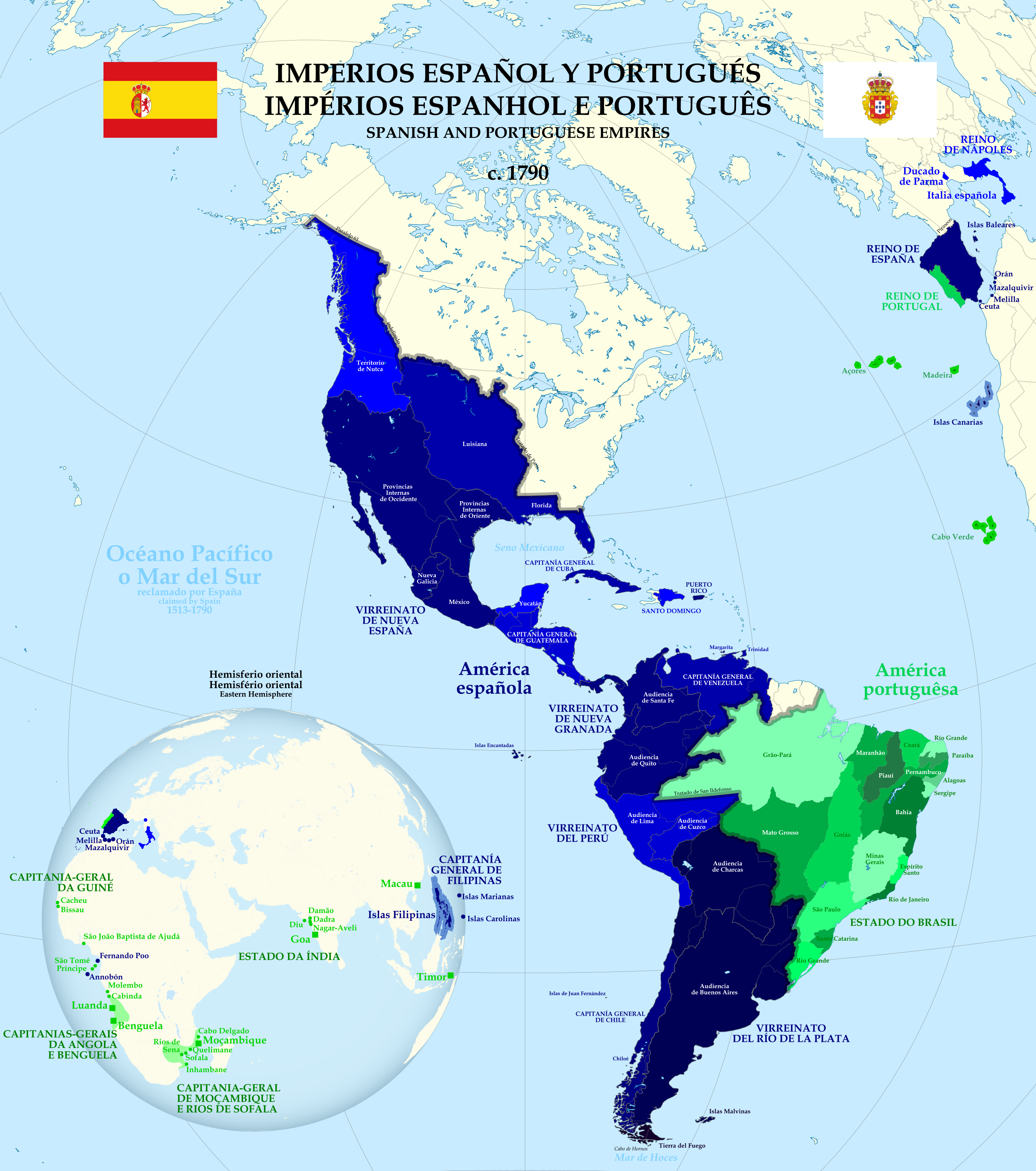
Note: Portugal [pink-ish gray] is a country in Europe right next to Spain [green], which explains a bit why they were rivals.

1
Question 7
7.

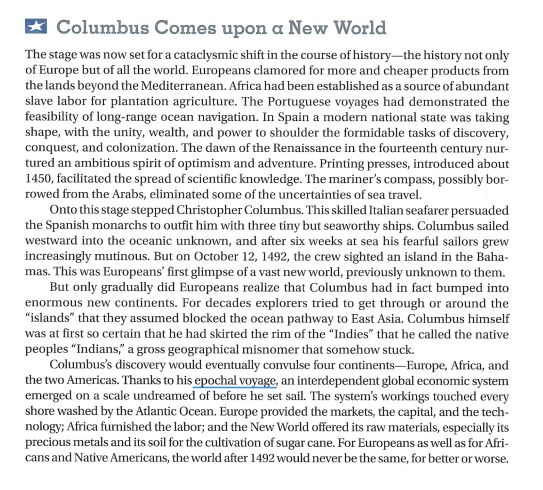
Which of these was NOT an important factor in setting the stage for Columbus’s exploration of the New World?
IIRC.01
1
Question 8
8.

The term Columbian Exchange describes:
IIRC.01
1
Question 9
9.

European contact with Native Americans led to
IIRC.02
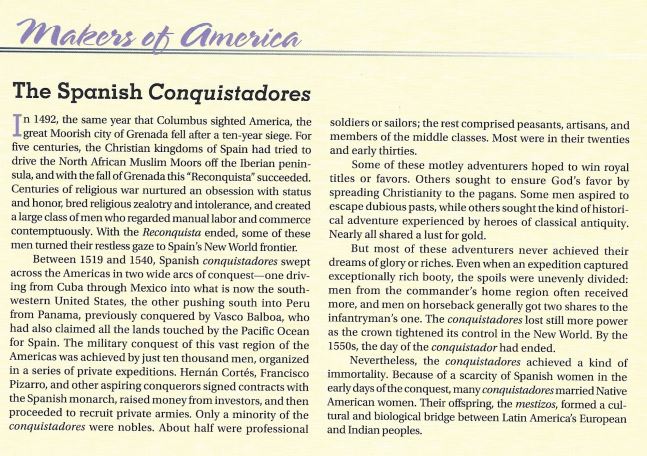
Notice similarities between the word "conquer" and "conquistadores," which is the Spanish word for "conqueror."

What does it mean to conquer?
0
Question 10
10.

That's all that's due for Thursday, 9/1/2022! Do you have any questions?
1
Question 11
11.

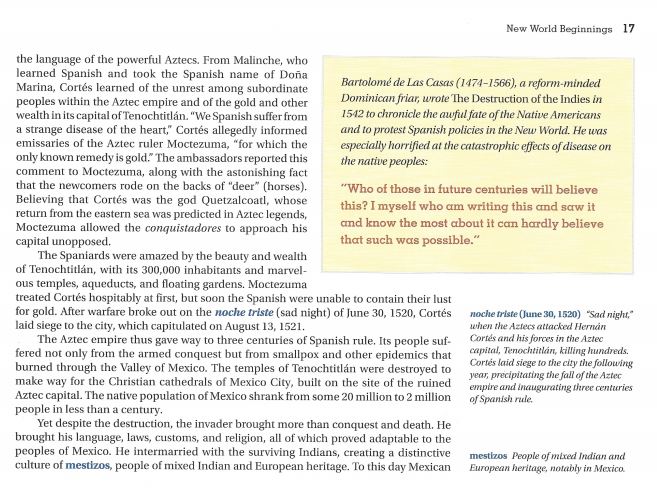
The institution of encomienda allowed the
IIRC.02
1
Question 12
12.

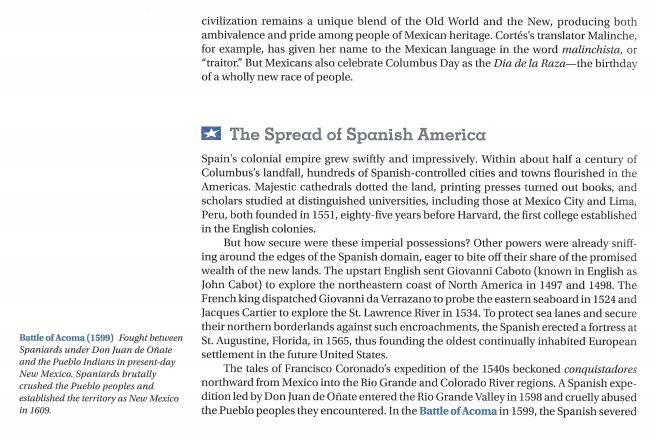
As used in the first line of the second full paragraph, "gave way to" most nearly means
IIWD.01
1
Question 13
13.

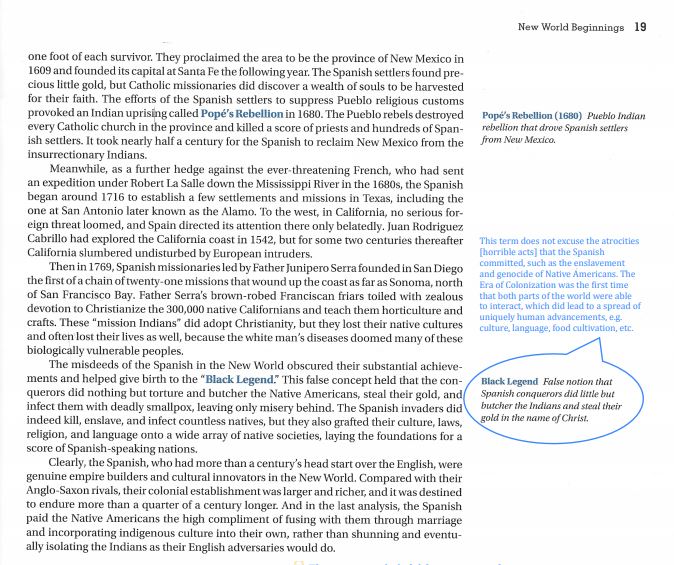
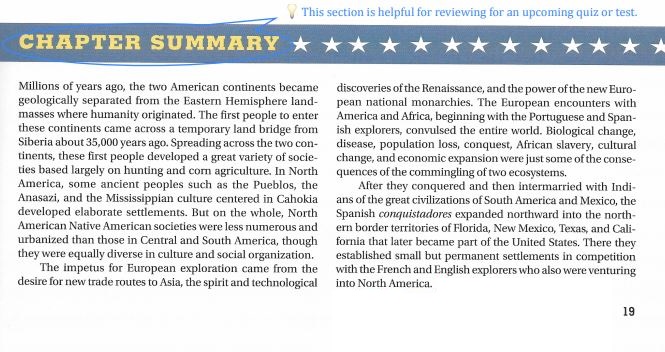
During the Pope's Rebellion in 1680, Pueblo Indians resisted against
IIRC.01
0
Question 14
14.

Okay -- now answer this question. Based on key ideas empasized in class, which 5 key terms or people are most important to recall from Chapter 1?

0
Question 15
15.

Congrats on finishing your first APUSH textbook chapter, which is due Friday, 9/2/2022! Do you have any questions?

Don't forget to click "Turn It In" in Google Classroom!
It exposed a land bridge connecting Eurasia with North America.
The glacial withdrawal formed freshwater lakes that supported life.
Rising ocean levels from melted glaciers made it possible to cross the Atlantic.
were pacifists who opposed all warfare.
lived in relatively scattered settlements rather than dense urban populations.
practiced a universal system of patriarchal authority.
test and develop new seafaring technologies.
break the hold that Muslim and Italian merchants had on trade with Asia.
discover cheaper ways to manufacture various products.
European demand had increased for more and cheaper products from Asia.
The Portuguese had demonstrated the feasibility of long-range ocean navigation.
Africa was established as a source of slave labor.
There was explosive population growth in Europe.
The trade in Native American furs for European horses and other goods.
The exporting of precious metals from the New World and the importing of African slaves to the New World.
The gifts Columbus brought to and received from the Native Americans.
The transfer of plants, animals, and diseases between the Old and New Worlds.
an increase in the Native American population in both North and South America.
the deaths of millions of Native Americans, who had little resistance to European diseases.
the introduction into the New World of such plants as potatoes, tomatoes, and beans.
Spanish colonizers to enslave Indians in exchange for Christianizing them.
Native Americans to enslave members of other tribes.
Europeans to establish an economy based on capitalism.
Europeans to marry Native Americans.
sought after
invited the
surrendered to
the violent Spanish military regime.
Spanish efforts to suppress their native religious customs.
French settlers who sought to undermine the Spanish community there.