Topic: Civil War
star
star
star
star
star
Last updated over 3 years ago
7 questions
Learning Intention: Students will examine the effects of the Civil War by analyzing various sources.
Success Criteria

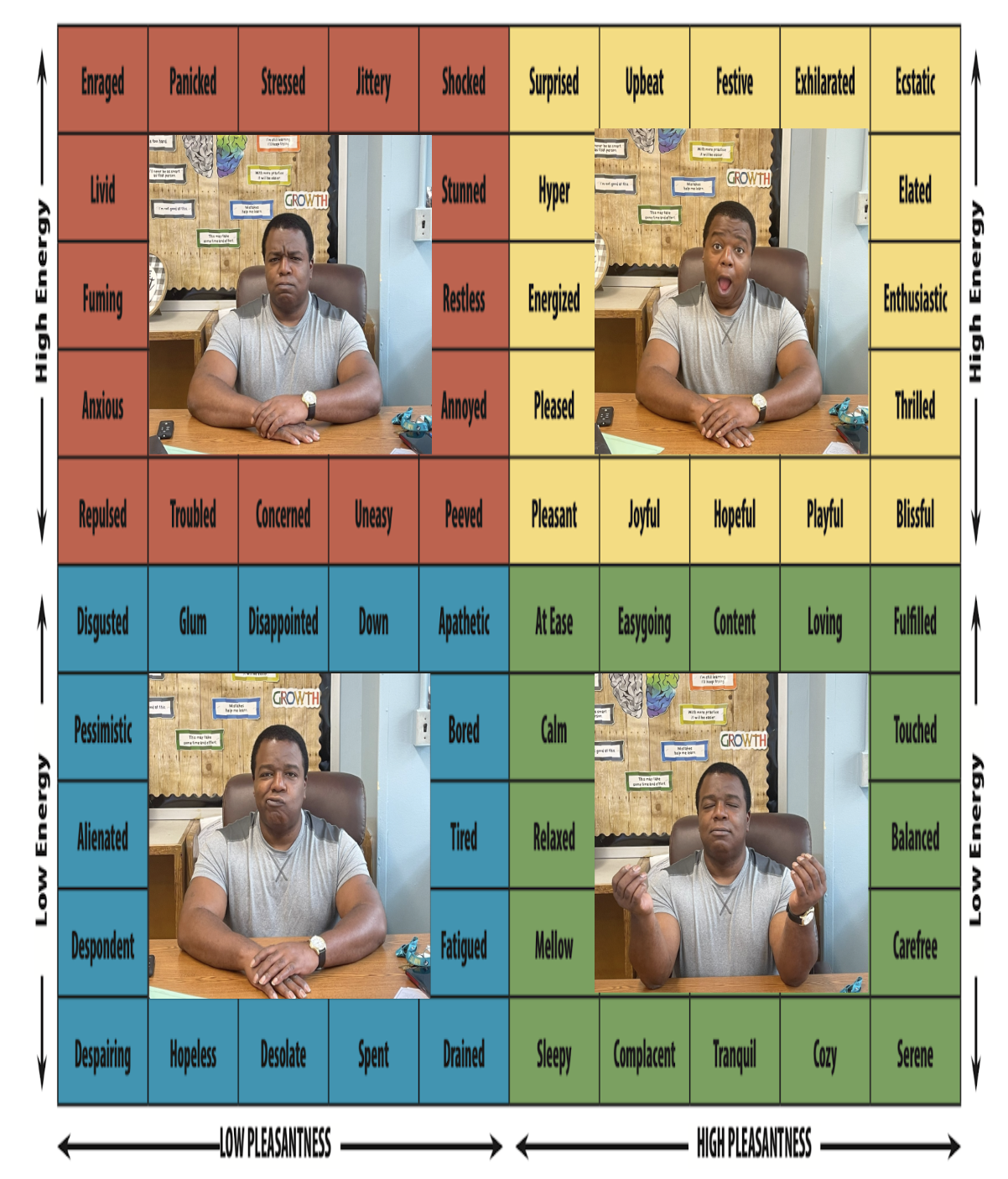
Mood Check-In

Required
0
Mood Check In: Where are you currently?
Warm Up
Informational Text: Model
A Broad Streak of Ruin
At the end of the Civil War, the South was a
devastated land. Travelers to the region were shocked by what they saw. Wherever General Sherman’s
army had marched in Georgia and South Carolina, wrote one traveler, the countryside “looked for many miles like a broad black streak of ruin.”
In other words, so much had been burned. In Tennessee, one visitor stated, “The trail of war is visible . . . in burnt-up (cotton) gin houses, ruined bridges, mills, and factories.” And in Virginia, wrote yet another, “The barns are all burned, chimneys standing without houses and houses standing without roofs, or doors or windows.”
Fields that once produced fine harvests of cotton, tobacco, and grain were covered with weeds. Small farms were destroyed. Nearly half the South’s farm animals were gone. Railroad tracks were torn up. Whatever factories the South had before the war were now mostly destroyed. Many Southerners, both white and African American, were without food, clothing, or any way to make a living.
The human losses were even worse. Close to one-third of the men and boys who put on the gray uniform of the Confederacy had died during the war. Even more were wounded, some so badly they would never be the same again. In 1866, the year after the war ended, the state of Mississippi spent one out of every five tax dollars it collected to buy artificial arms and legs for its veterans.
As for the former slaves, the war brought them freedom. In the first months after the war, a good many African Americans left their old plantations just so they could experience their newfound freedom. They wanted to know what it was like to go wherever they wanted without having to get permission from an owner. One former slave told her former owner that she just could
not stay and continue to cook for her. “If I stay here,” she said, “I’ll never know I am free.”
Required
1
How did the Civil War affect the former slaves?
Required
1
Cite two explict pieces of evidence to support the claim.
Required
1
How did the war affect society?
Required
1
Cite two explicit pieces of evidence to support your response.
Cooperative Learning: Discussion
Required
1
How did the Civil War affect individuals in the Union and the Confederacy?
The war saved the Union but left the South devastated. Cities and plantations were in ruin, and roads, bridges and railroads were destroyed. More than 258,000 Confederate soldiers had died in the war, and illness and injuries weakened thousands more. Americans everywhere agreed that the South needed to be rebuilt, but they disagreed bitterly over how to accomplish it. This period of rebuilding is called Reconstruction (REE • kuhn• STRUHK•shuhn).
This term also refers to the various plans for carrying out the rebuilding. Lincoln’s Plan President Lincoln offered the first plan for accepting the South back into the Union. In December 1863, during the Civil War, the president announced the Ten Percent Plan. When 10 percent of the voters of a state took an oath of loyalty to the Union, the State could form a government and adopt a new constitution that banned slavery. Lincoln wanted to encourage pro-Union Southerners to run the state governments.
He believed that punishing the South would only delay healing the torn nation. The president offered amnesty (AM• nuh •stee)—immunity from prosecution—to all white Southerners, except Confederate leaders, who gave loyalty to the Union. In 1864 three states under Union occupation—Louisiana, Arkansas, and Tennessee— set up governments under Lincoln’s plan. Some Republicans considered Lincoln’s plan too mild. Favoring a more radical, or extreme, approach, they were called Radical Republicans.
Required
1
How will the plan for reconstruction help unify the nation? Provide two details to support your response.