Classify which microscope took the micrograph below.
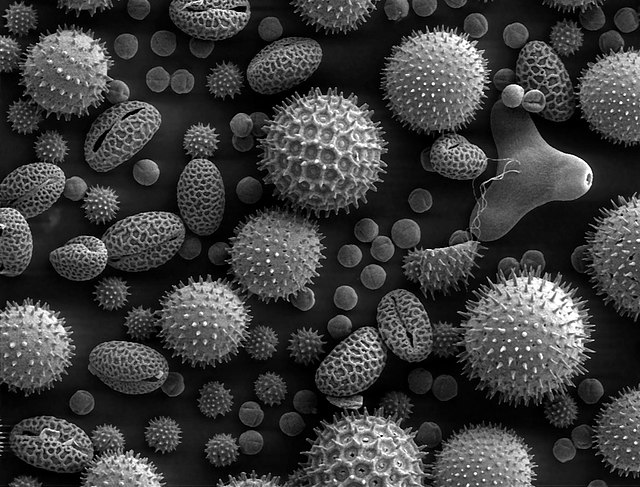
Classify which microscope took the micrograph below.
You may use your Life is Cellular Notes, Life is Cellular Review, and Life is Cellular Lesson Summary to complete the quiz.
Select the 3 principles of cell theory.
The invention of microscopes allowed scientists to observe cells for the first time and form the principles of cell theory.
Select what is true about a light microscope.
What is the difference between the images produced by a transmission electron microscope and a scanning electron microscope?
If you want to see something small like DNA, you need a-
Classify which microscope took the micrograph below.
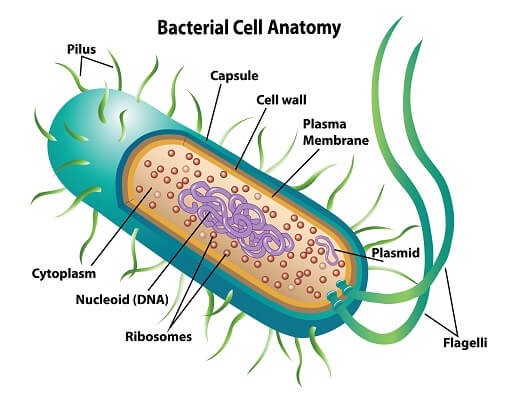
Classify the cell below as a eukaryote or prokaryote.
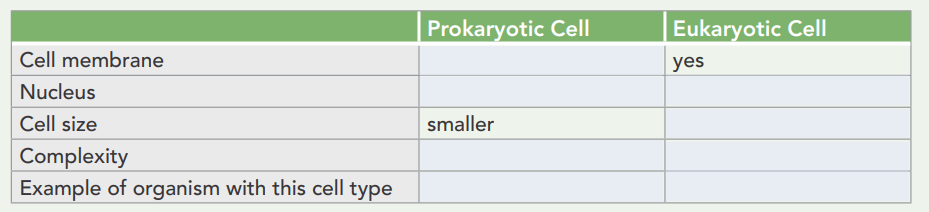
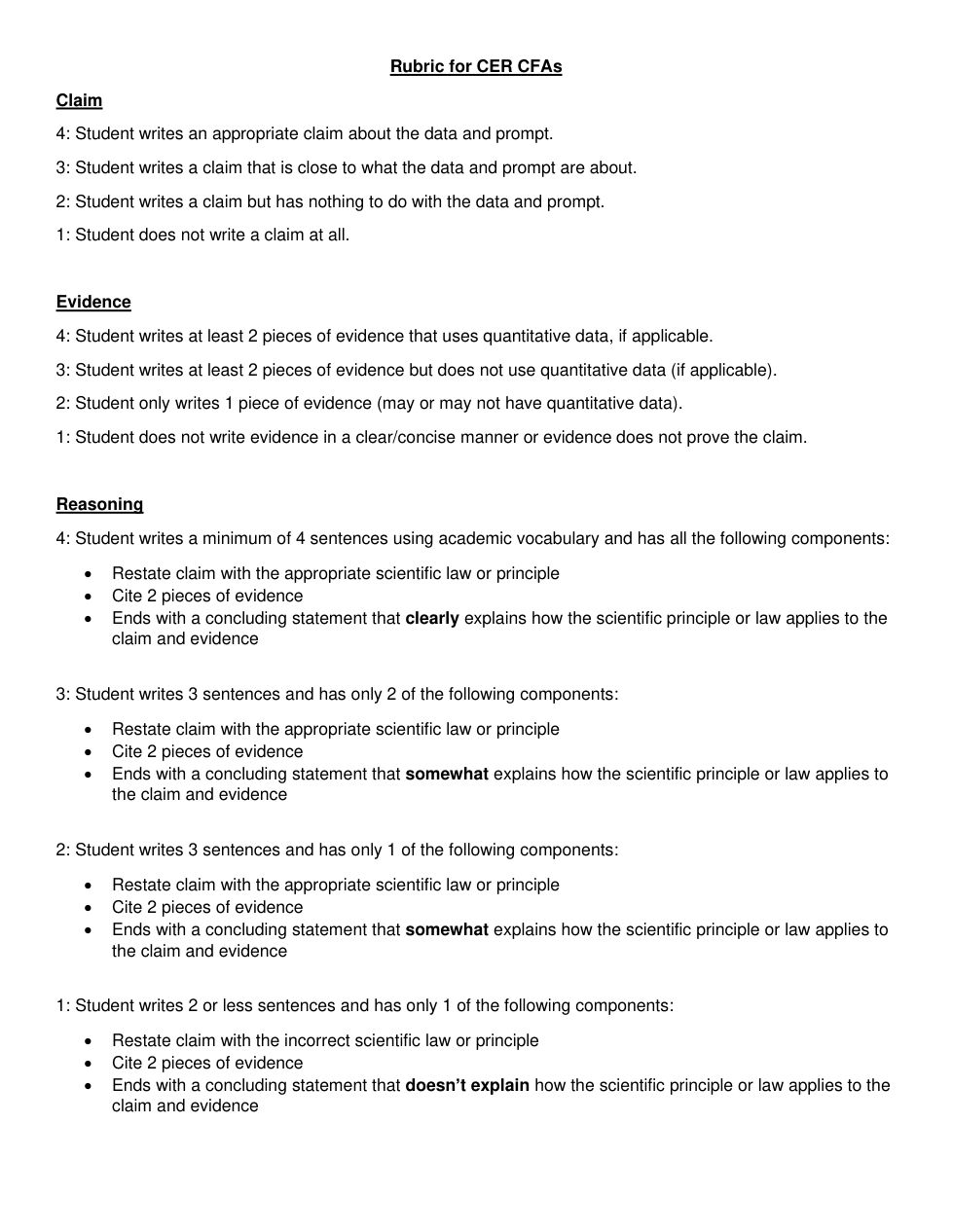
Use the rubric above to help you in writing your CER.
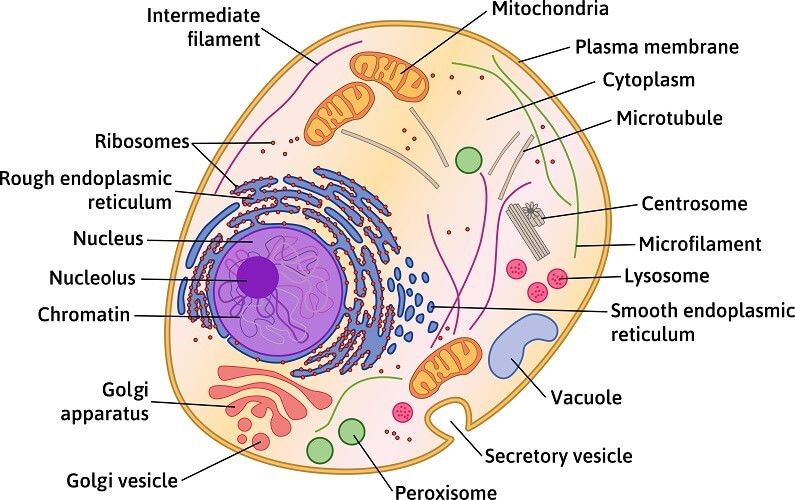
CER Prompt: examine the diagram of the cell above. Write a CER explaining whether the cell is a prokaryotic or eukaryotic. Make sure to cite specific evidence and to use the principles of eukaryotes and prokaryotes in your reasoning.
Write your 1 sentence claim.
Cite your evidence - remember to refer to the rubric.
Write your reasoning - refer to the rubric for help on what should go in your reasoning.
Check all that apply.
Check all that apply.