Ɛhia
1
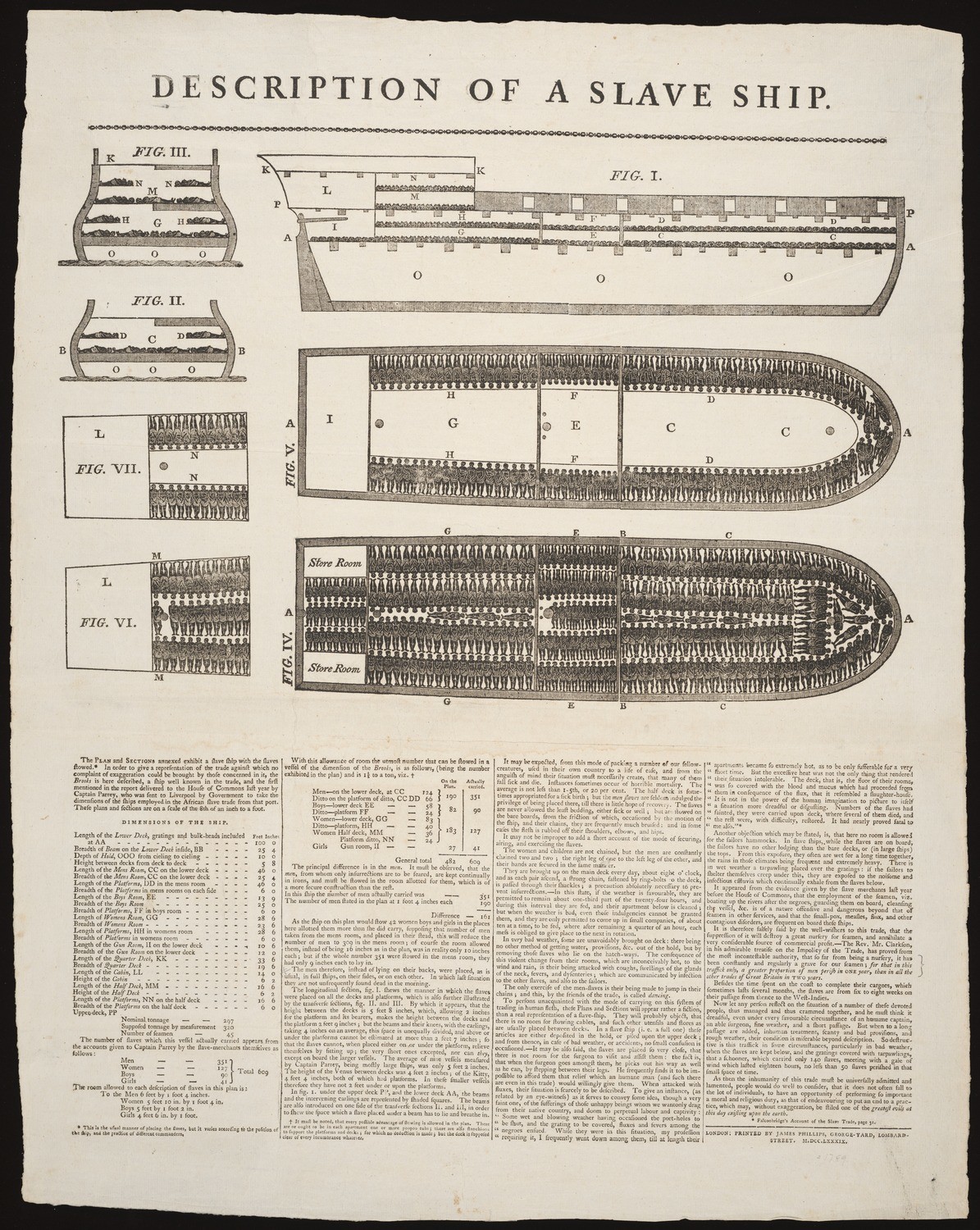
What do you notice in this diagram? What inferences can you make about the journey to the Americas for enslaved people?
What do you notice in this diagram? What inferences can you make about the journey to the Americas for enslaved people?
Content Objective: I will be able to compare the use of African slaves in the American colonies with colonies in Central America, South America, and the West Indies.
Standard Objective: I will be able to identify explicitly stated central ideas or themes in text and determine implicit central ideas or themes from text.
Absent? Just want to review the notes? Click here for the slides.
Content Objective: I will be able to compare the use of African slaves in the American colonies with colonies in Central America, South America, and the West Indies.
Standard Objective: I will be able to identify explicitly stated central ideas or themes in text and determine implicit central ideas or themes from text.
Absent? Just want to review the notes? Click here for the slides.
What do you notice in this diagram? What inferences can you make about the journey to the Americas for enslaved people?
One interesting historical fact I learned is…
If you didn't do the Chapter 2 reading, come back to this question by the end of the lesson.
If you have any questions from the reading, drop them under "Show Your Work."
Please rate how well you understood the reading on a scale from 1 to 4. If you have any questions, ask them in the "Show Your Work" area.
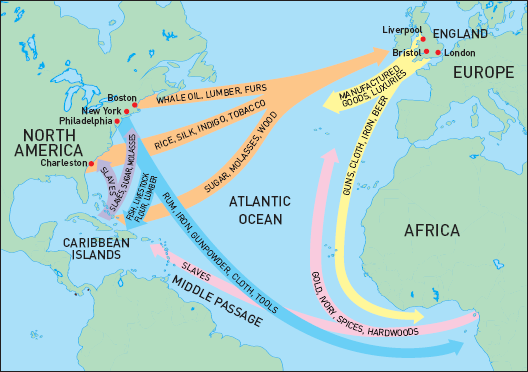
The
For over 300 years, the “
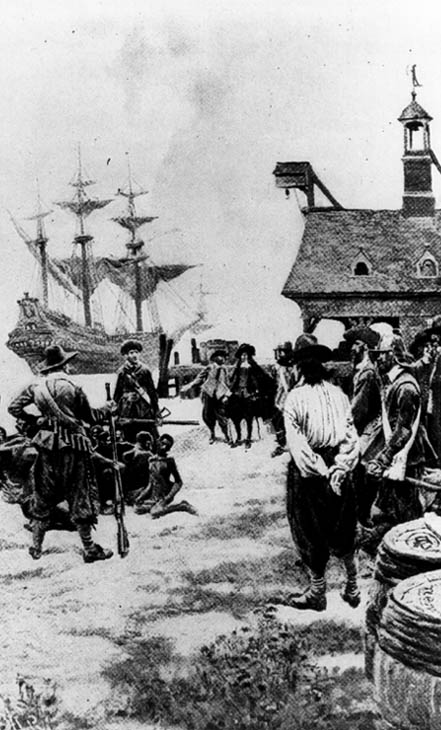
What year did the first Africans arrive in Jamestown?
What is the difference between an indentured servant and a slave?
Why did the English use Africans rather than Native Americans for slave labor?
Exit Ticket: Did anyone in the class or your table group help you understand a question on the reading that you missed? Explain how they were able to improve your understanding of history.
OR
Did you help anyone in the class or your table group? Explain how!
Exit Ticket: Please rate how well you understood the lesson on a scale from 1 to 4: