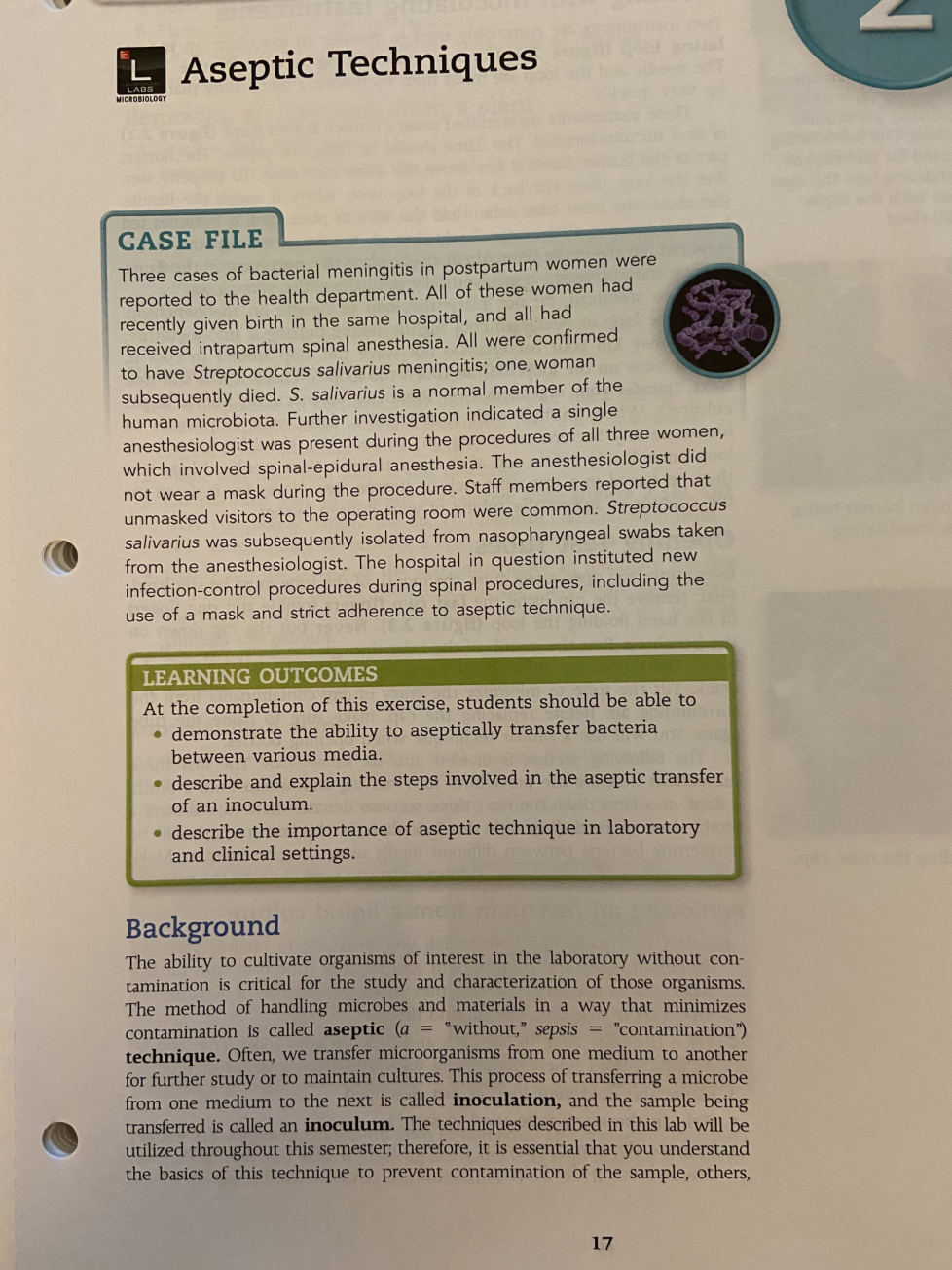
NGSS LS1-2 CCC Systems and Structure/Function DCI LS1.A
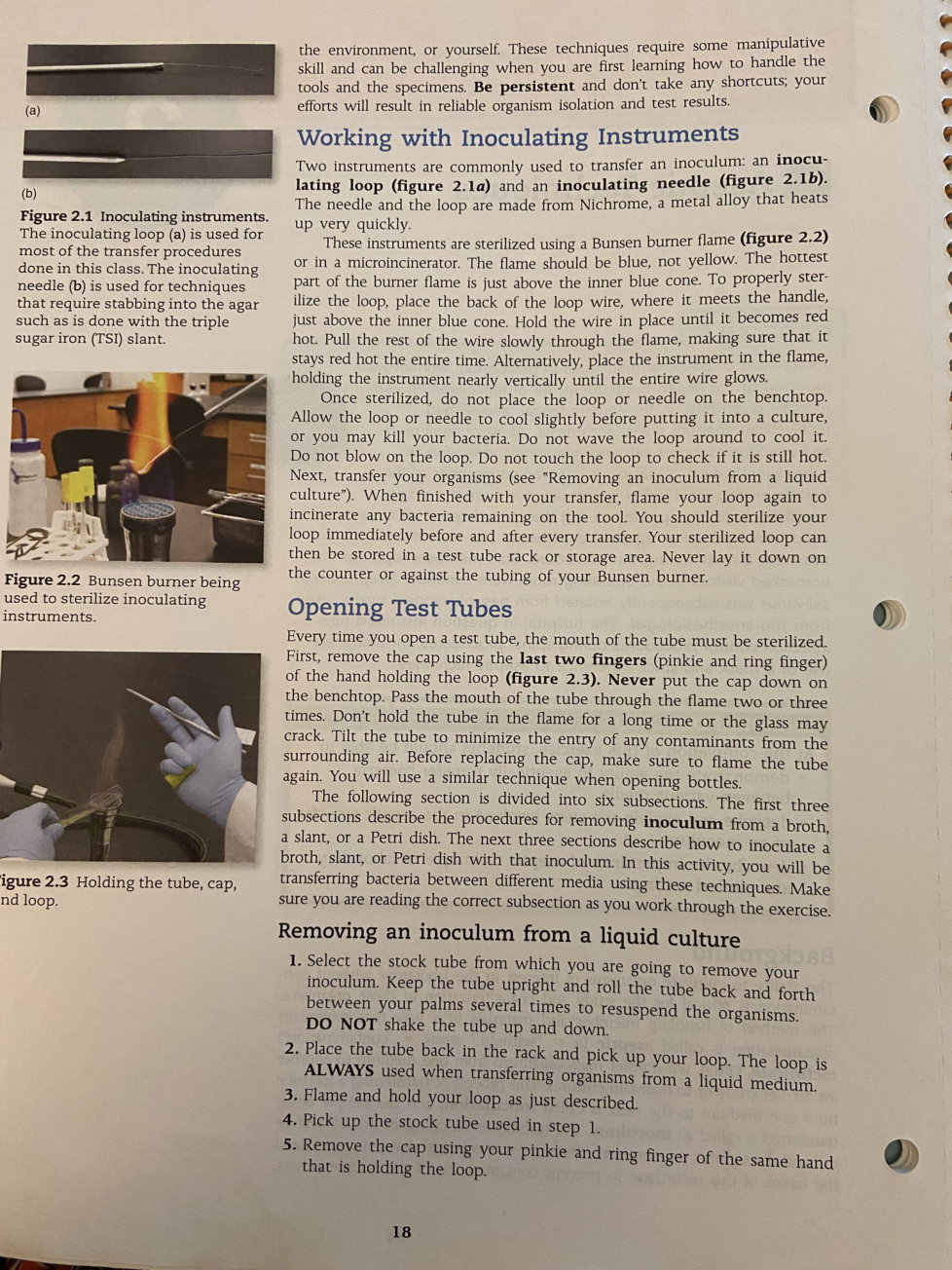
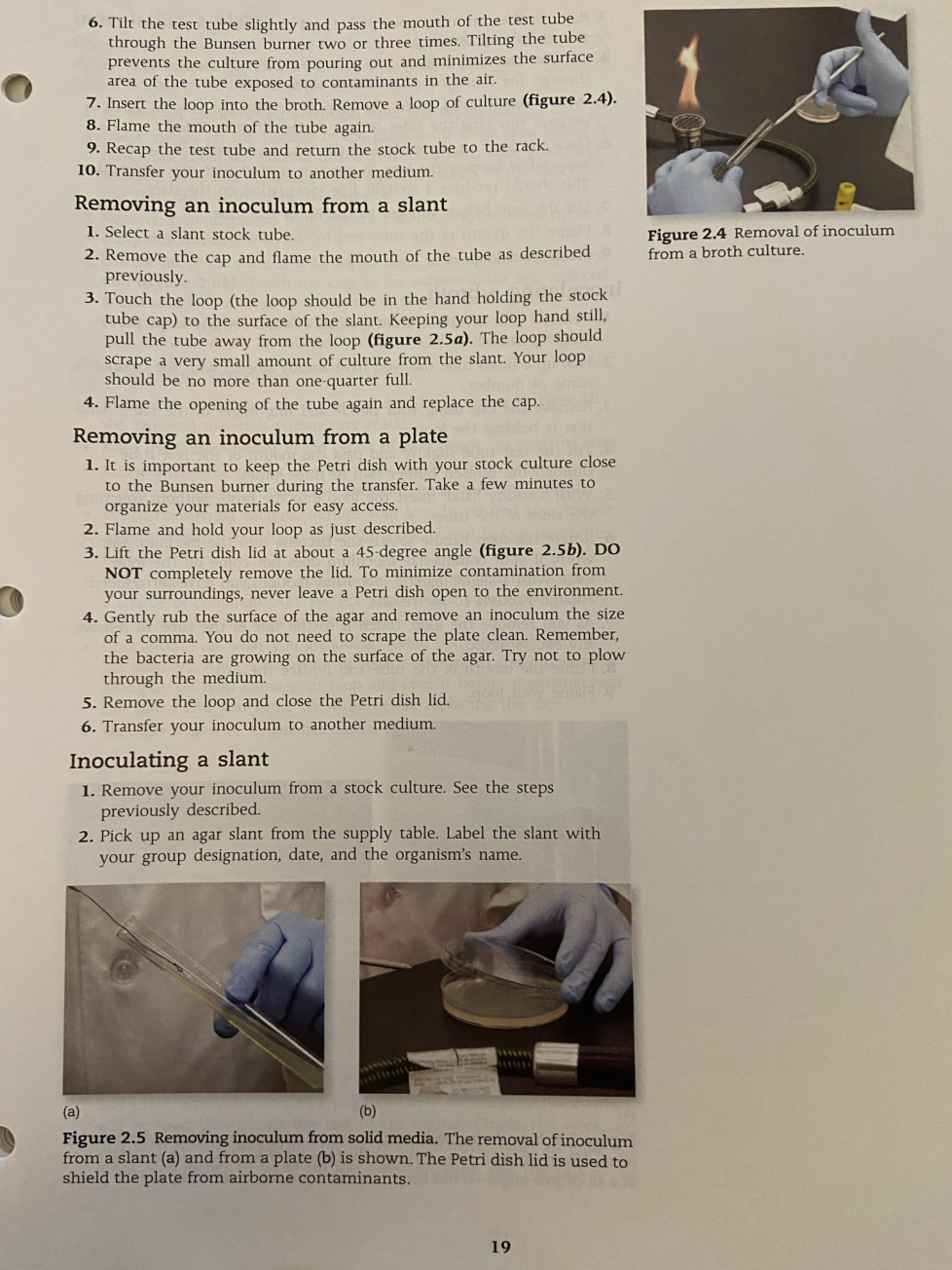
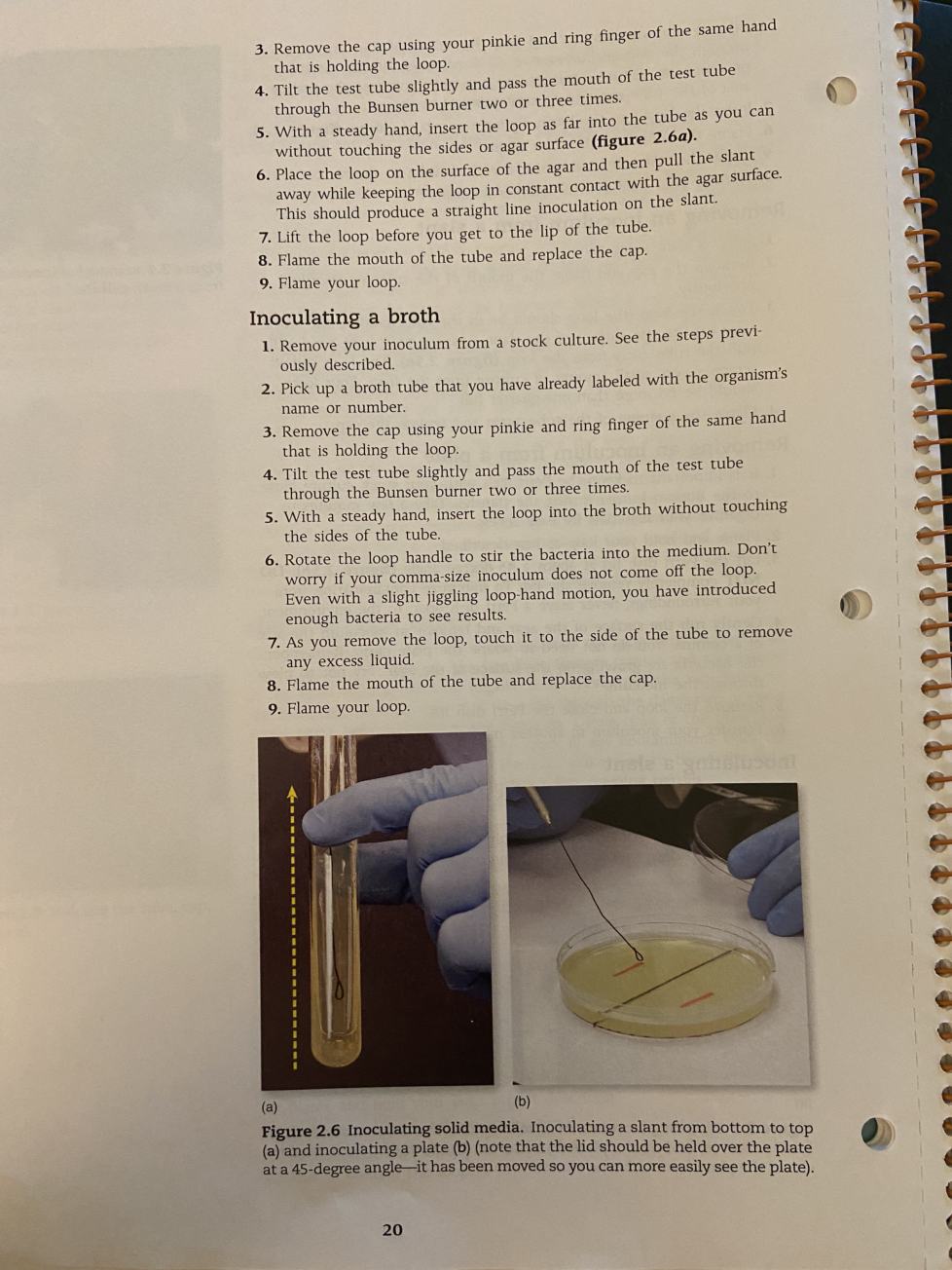
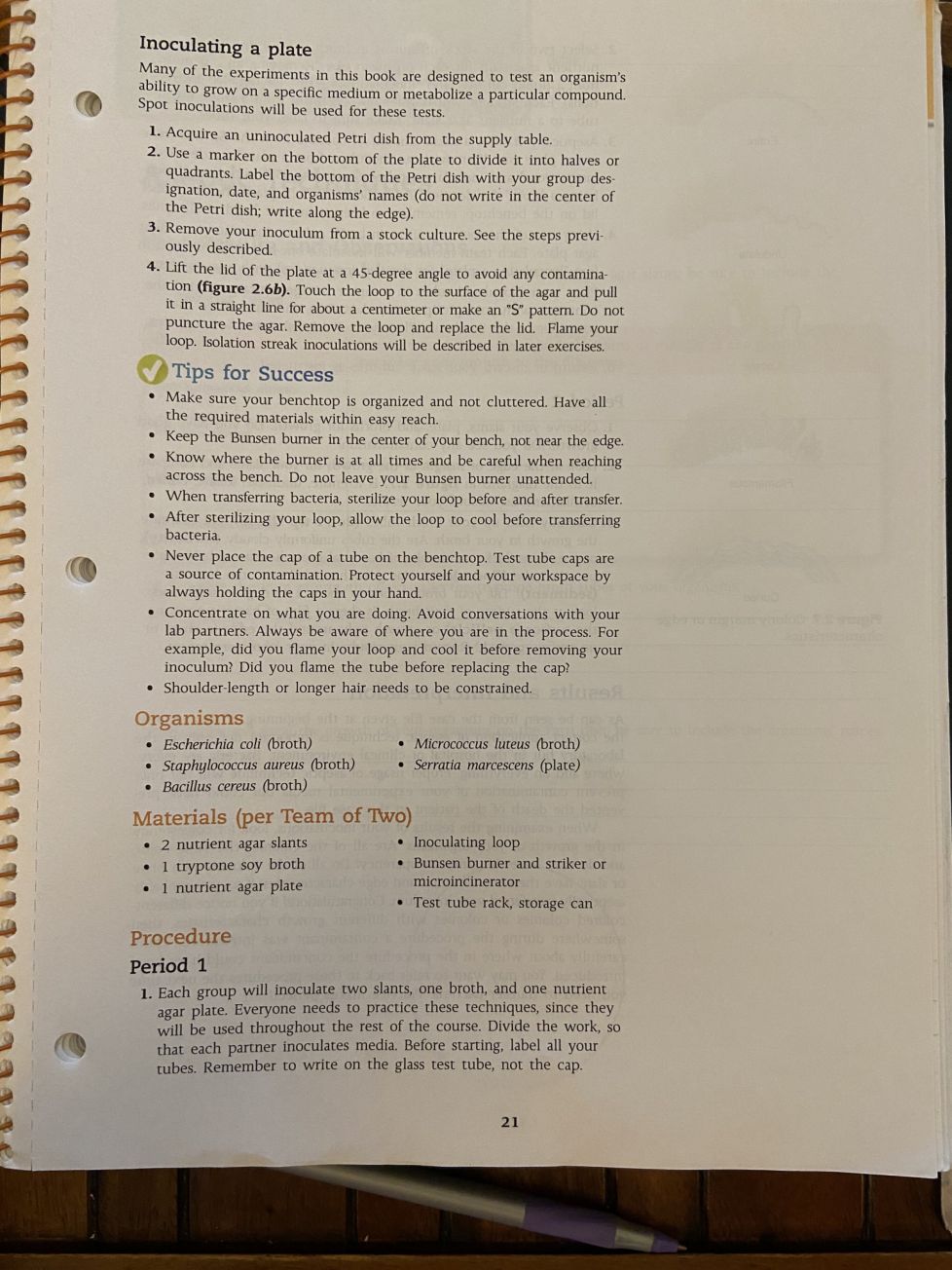
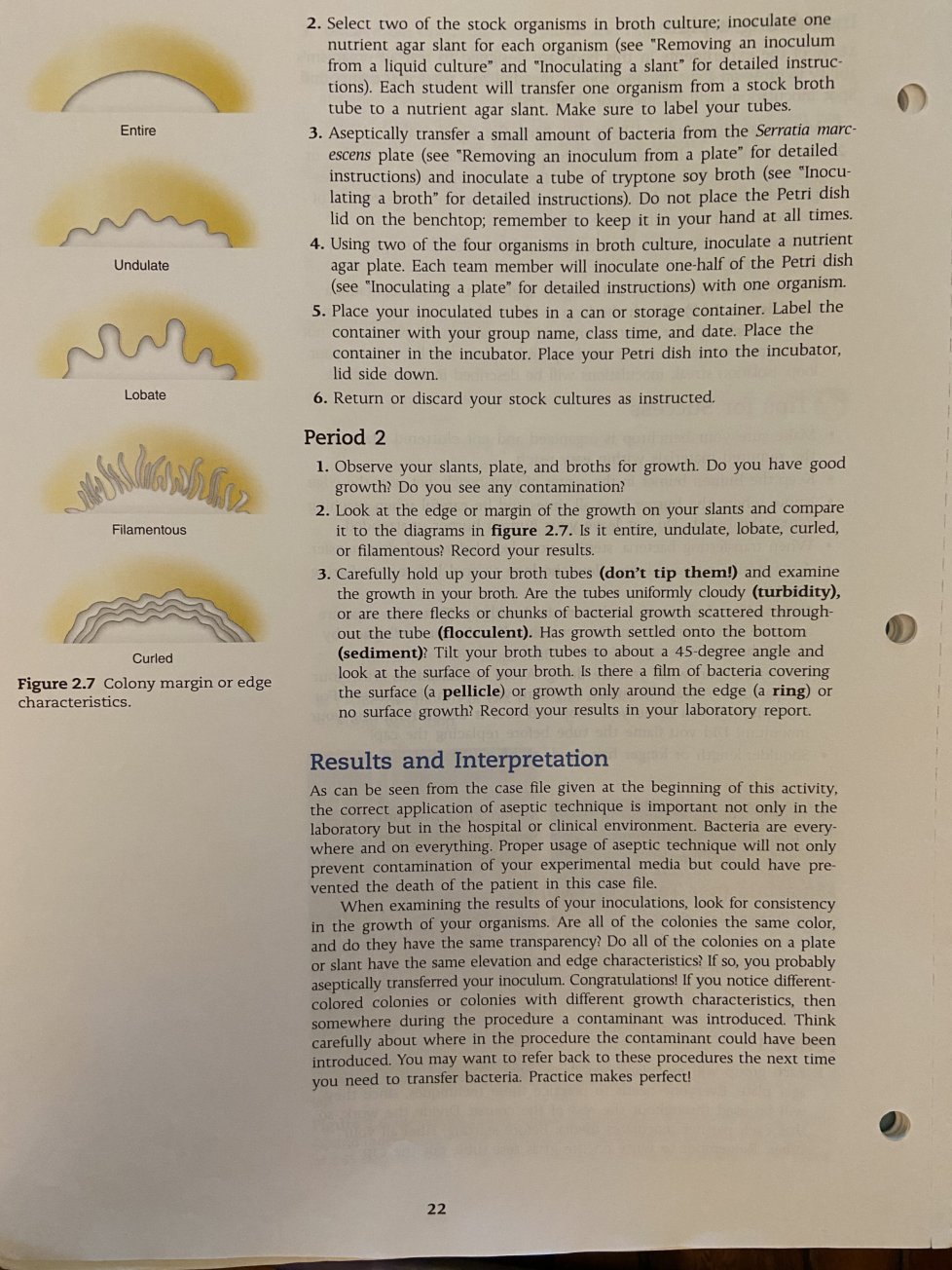
In your broth culture tubes, you have inoculated different microorganisms. Describe the specific patterns of growth you observe in each tube. Use clear and precise terms to describe what you see, such as:
Uniform turbidity: The entire broth is cloudy.
Pellicle: A thick film or membrane is growing on the surface.
Flocculent growth: Small clumps or flakes are suspended throughout the broth.
Sediment: The growth has settled in a clump at the bottom of the tube.
Based on your observations of the organisms on the provided petri dishes, provide a detailed and comprehensive description of the colonial morphology for each organism. Be sure to name each organism and use precise microbiological terminology to describe the following characteristics of their colonies:
Size (e.g., punctiform, small, medium, large)
Color (e.g., opaque, translucent, pigmented)
Shape (e.g., circular, irregular, filamentous)
Margin/Edge (e.g., entire, undulate, filamentous)
Elevation (e.g., flat, raised, convex)
Surface Texture (e.g., smooth, rough, mucoid)
After your written description, create a labeled drawing of a representative colony for each organism, clearly indicating the observed characteristics.
Would cultural characteristics, such as the appearance of a colony, be useful to a clinical microbiologist? Explain how these visual clues could be used to help identify a pathogen in a patient sample.
Casefile Question:
Given that cerebrospinal fluid (CSF) is inherently sterile, and the isolated pathogen is a constituent of the human microbiota, how do you reconcile its presence in the CSF with the patient's fatal outcome?
How do the events in the case file connect to the aseptic techniques we use in the lab today? Explain how the problems from the casefile should led to the careful procedures we follow prevent contamination.
Data Question:
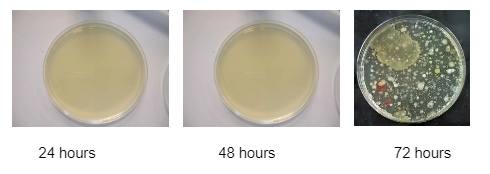
A medical laboratory technician receives a specimen from a patient and performs a streak plate isolation on a nutrient agar plate. The images below show the results of the same plate observed at 24-hour intervals. .
a. Based on these results, what is a likely conclusion about the specimen, and what specific growth characteristic of microorganisms does this observation demonstrate?
b. What is the most important information the laboratory should report to the attending physician based on this observation, and why is this information crucial for patient care?
CER: Claim, Evidence, and Reasoning (15 pts)
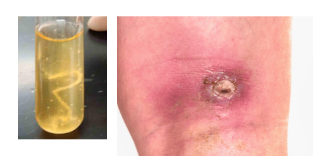
A patient is admitted to the emergency room with a severe infection on the back of their leg. A nurse takes a specimen from the infected area, which is then sent to the microbiology lab in a test tube containing a cloudy broth. The image below shows the specimen and the visible infection.
Two days later, the microbiology lab reports to the doctor that no infectious organisms were found in the culture plates.
Could a laboratory technician receive a specimen like the one shown and, after processing, report a "no growth" result to the doctor?
In this section, you need to answer the question directly and concisely. It should be a single sentence that states your position. Avoid using phrases like "I think" or "My opinion is."
This is where you will provide factual information from the provided background text and the image to support your claim. Think of this as the "what I see" part of your answer. You should not explain why the evidence supports your claim in this section—just present the facts.
This is the most crucial part of your response. Here you will explain the scientific principles that connect your evidence to your claim. You must explain the "why" and use appropriate microbiology terminology.
Connect the evidence to the claim For instance, if you claimed "yes," you would explain how the cloudy broth and the visible infection are not necessarily proof of viable bacteria that can grow on a standard agar plate.You could also claim "no" then explain what went wrong.
Ideas: contamination? , conditions?, or proecedural error?
See the rubric to ensure you get the greatest amount of points for your answer.