Weathering, Erosion, and Deposition

Last updated about 2 years ago
20 questions
Note from the author:
Assessment for middle school (7th Grade) on weathering, erosion, and deposition.
You can use your notes to answer the questions below.
0.5

A marble statue is placed in a city park. After several years, the residents notice that the statue has developed small holes. This could be due to ...

0.5

Imagine you are a nature explorer and you notice bees burrowing through sandstone rock to create their nests. This phenomenon is an example of...

0.5

During a geography class, students were asked to identify a mass of ice that covers a large area and moves slowly. What is it called?

1

Weathering and erosion. Explain how weathering and erosion are different.

5

Sort ALL of the cards into weathering, erosion and deposition.

  • A river poilishing rocks smooth without removing them.
  • Lichen dissolving holes in rock.
  • Water freezing in the cracks in rock and splitting them open.
  • Muddy deltas forming at the mouths of rivers.
  • Glacier moving rocks down mountainside.
  • A hurricance washing sand off of a beach.
  • The iron in a rock oxidizing
  • Rapid temperature changes making a rock crack apart.
  • A mudslide flowing down a hill.
  • Rain washing soil away from the P.E. field
  • Tree roots growing around rocks and breaking them.
  • Strong winds blowing sand across a beach.
  • Layers of sediment at the bottom of a lake.
  • Acid Rain dissolving away rock statues
  • Exfoliation
  • Weathering
  • Erosion
  • Deposition
0.5

During a harsh winter, a mountain climber in Yosemite National Park noticed that the rocks on the mountain were breaking apart due to the continuous freeze/thaw of water in the cracks of the rocks. This phenomenon is an example of:

1

What is weathering?

0.5

The movement of sediment from one place to another is the process of...

0.5

What are the FOUR main causes of weathering? (PICK ALL 4 that apply)

0.5

The dropping of sediment by wind, water, ice or gravity is known as...

0.5

What are sediments?

0.5

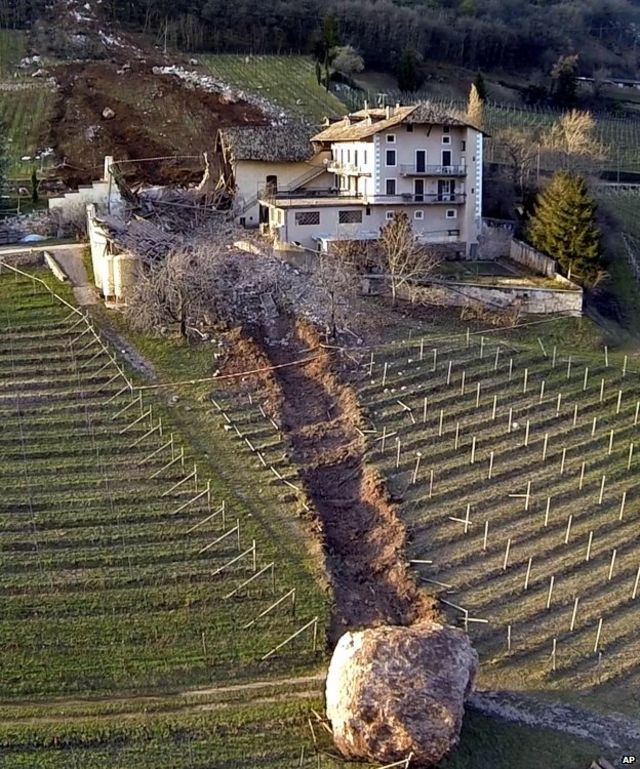
On March 22, 2017, in Paso Robles, a large garage-sized boulder broke free from a hillside and fell to the base of the hill, crushing two vehicles and crashing into a house. This is an example of?

0.5

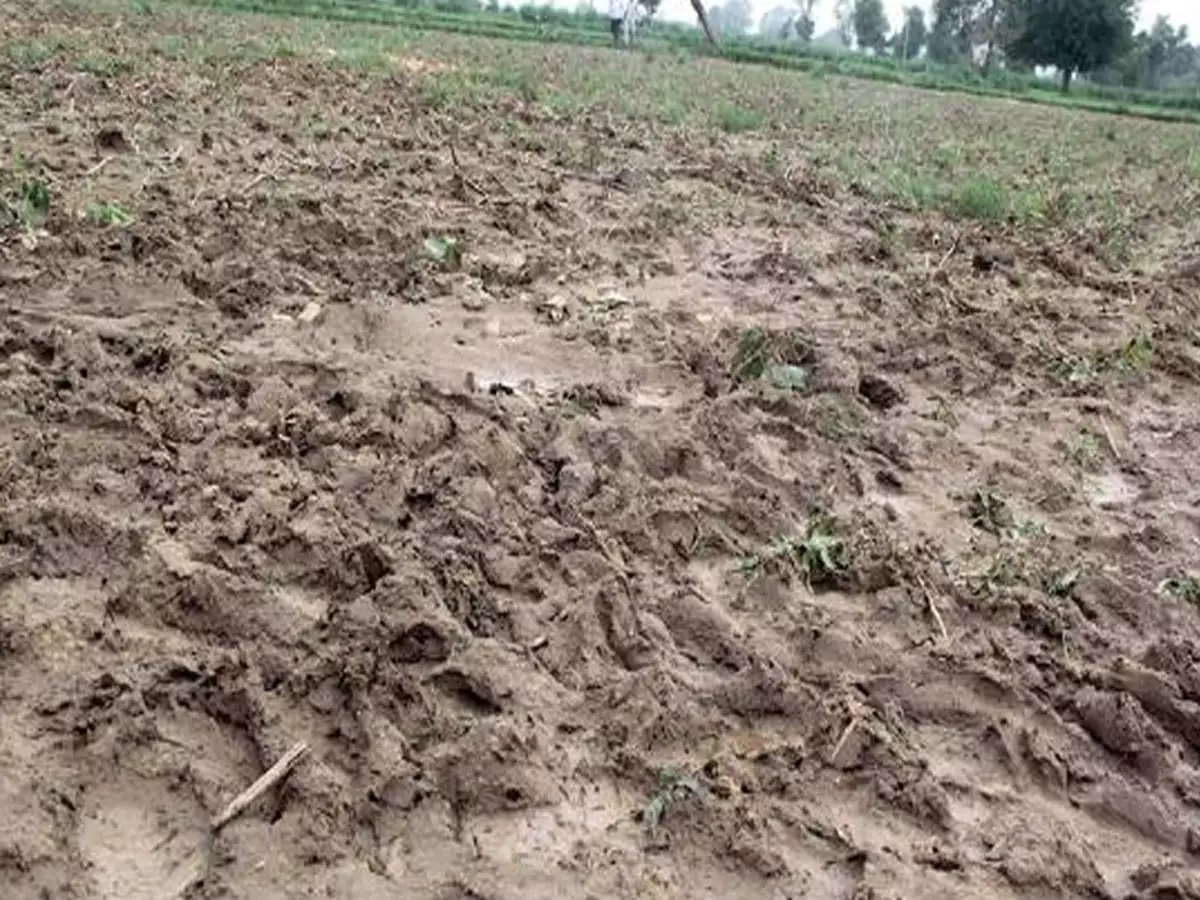
You have to take a detour in your walk along the river because there is a thick, sticky layer of mud and debris covering part of the field near the river. How did the mud and debris get there?

0.5

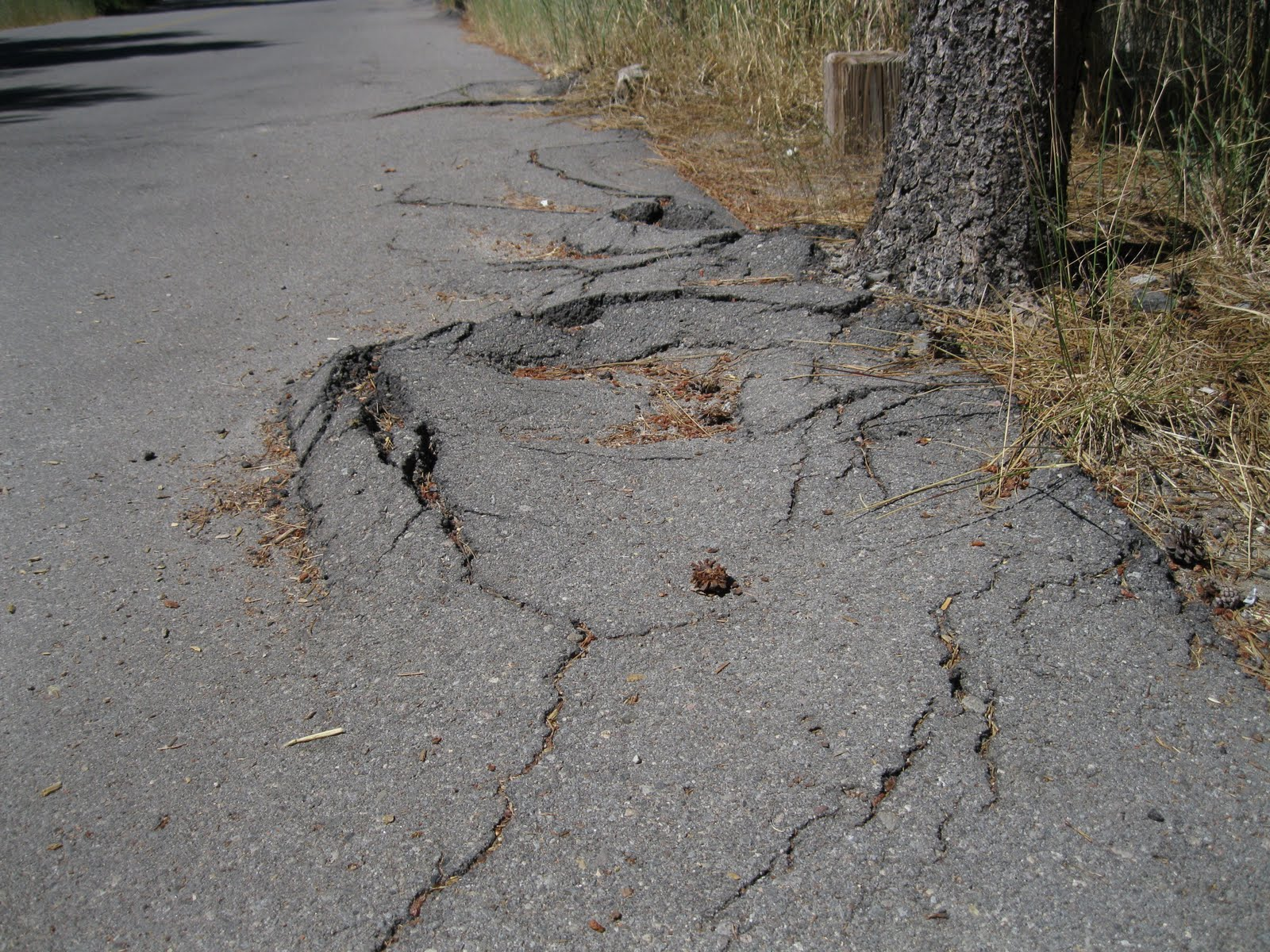
The driveway is long and winding because it bends around a huge old oak tree. The pavement near the tree bulges upward and has many more cracks than the other sections of the driveway. What process is happening to the driveway?

0.5

Imagine you are a geologist studying the Half Dome in Yosemite National Park. You are trying to determine which type of erosion primarily shaped this valley. What would be your conclusion?

0.5

Imagine you are a hydrologist studying the river in Kings Canyon National Park. You notice that a valley has been formed due to a certain type of erosion. What type of erosion could this be?

0.5

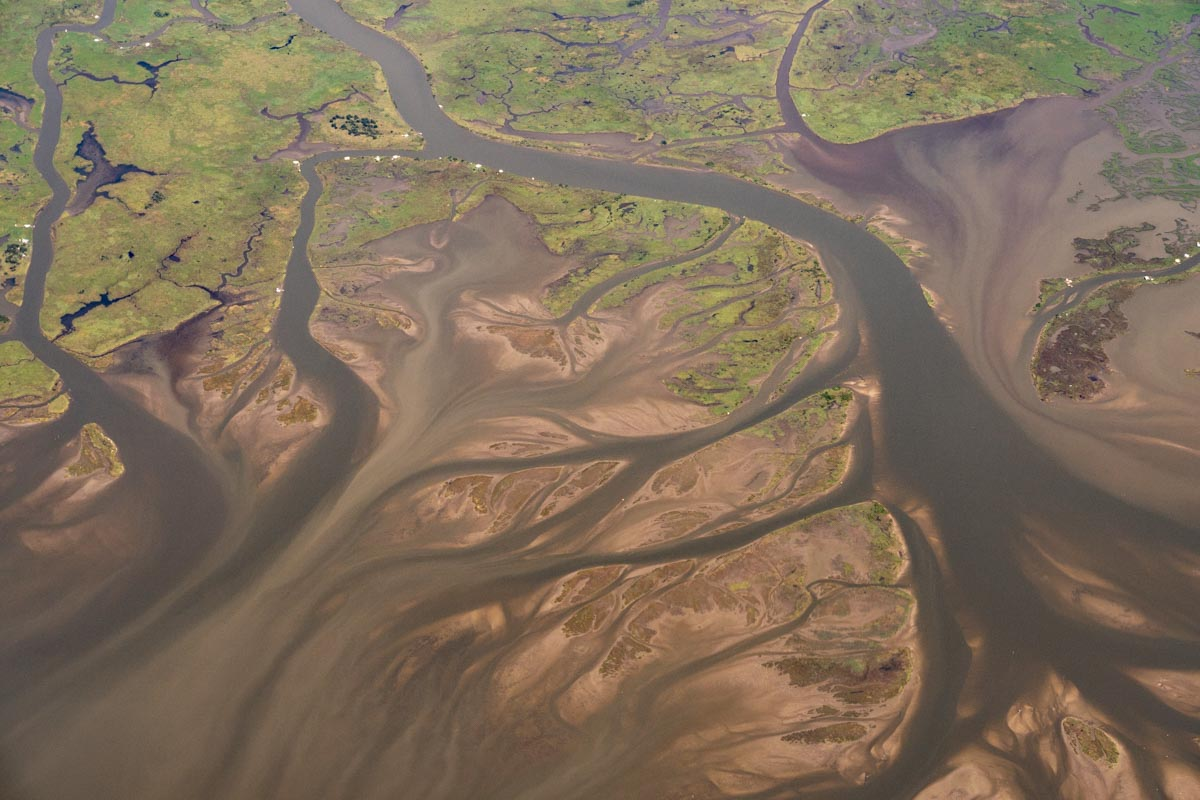
While observing a river flowing into an ocean, you notice a landform being formed at the mouth of the river. This landform is an example of

5

Categorize a slow, gradual change to a landscape versus a rapid change to a landscape.

  • Wind Erosion
  • Ocean waves
  • Acid Rain
  • Glacier
  • Earthquake
  • River Erosion
  • Tsunami
  • Volcanic Erupition
  • Landslide
  • Slow / Gradual
  • Rapid
0.5

Imagine you are an astronaut exploring Mars and you notice the surface has a rust (orangish-red) color to it. This is an example of what type of chemical weathering?

0.5

What is the force that causes the movement of rocks and soil from a high elevation to a lower elevation?