Log in
Sign up for FREE
arrow_back
Library

Period 3, Day 3 Classwork: Boston - The Heart of the Revolution

star
star
star
star
star
Last updated over 1 year ago
15 questions
Note from the author:
0
1
0
Required
1
0
Content Objective: I will be able to explain at least one cause of the Boston Tea Party.
Standard Objective: I will be able to identify the best evidence that supports claims against the Tea Act .

Absent? Just want to review the guided notes? Slides are linked here.
Content Objective: I will be able to explain at least one cause of the Boston Tea Party.
Standard Objective: I will be able to identify the best evidence that supports claims against the Tea Act .

Absent? Just want to review the guided notes? Slides are linked here.

Warm Up: Please answer the following questions based on your understanding of last night’s pre-work:

Question 1
1.

Please rate how well you understood last night's EdPuzzle on the Boston Tea Party on a scale from 1 to 4. If you have any questions, drop them in the "Show Your Work" area.

Question 2
2.

Have you ever participated in a protest? Explain.

If you have never participated in a protest, describe one protest you have heard about in the present day.

Question 3
3.

Warm Up: One interesting historical fact I learned from the pre-work is…

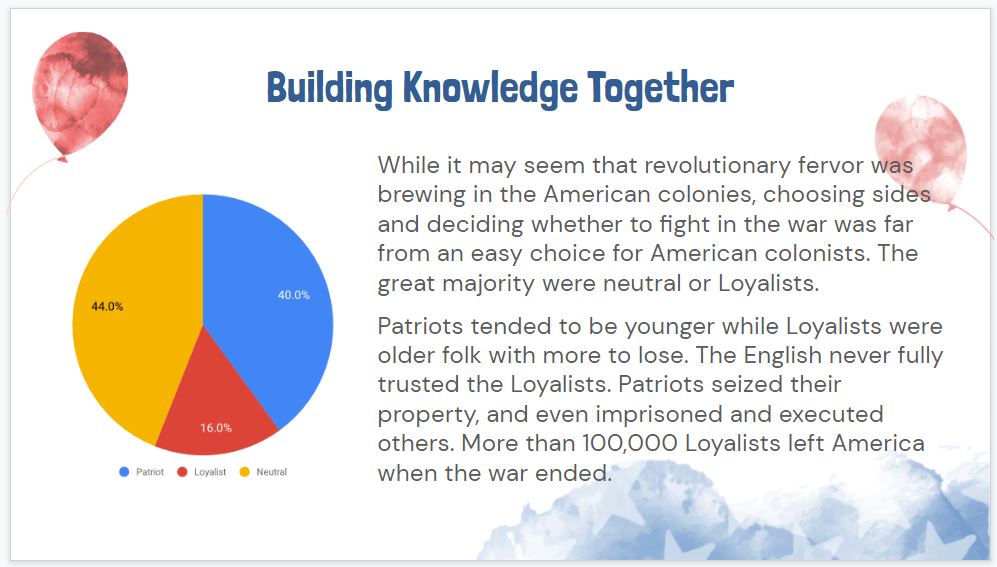
Building Knowledge Together: Let's make sure we're all on the same page about the causes of the American Revolution!

1
Question 4
4.

What percentage of American colonists actively supported the cause of American independence (i.e. considered themselves to be Patriots)?

1
Question 5
5.
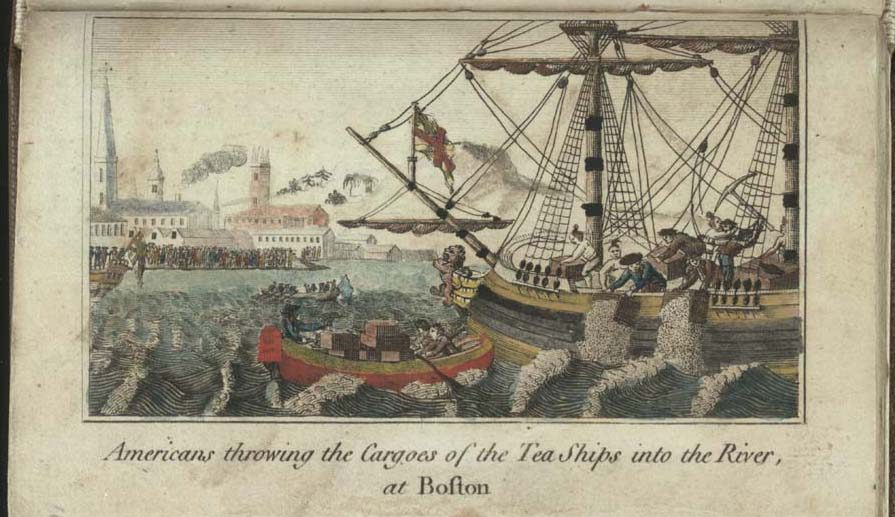
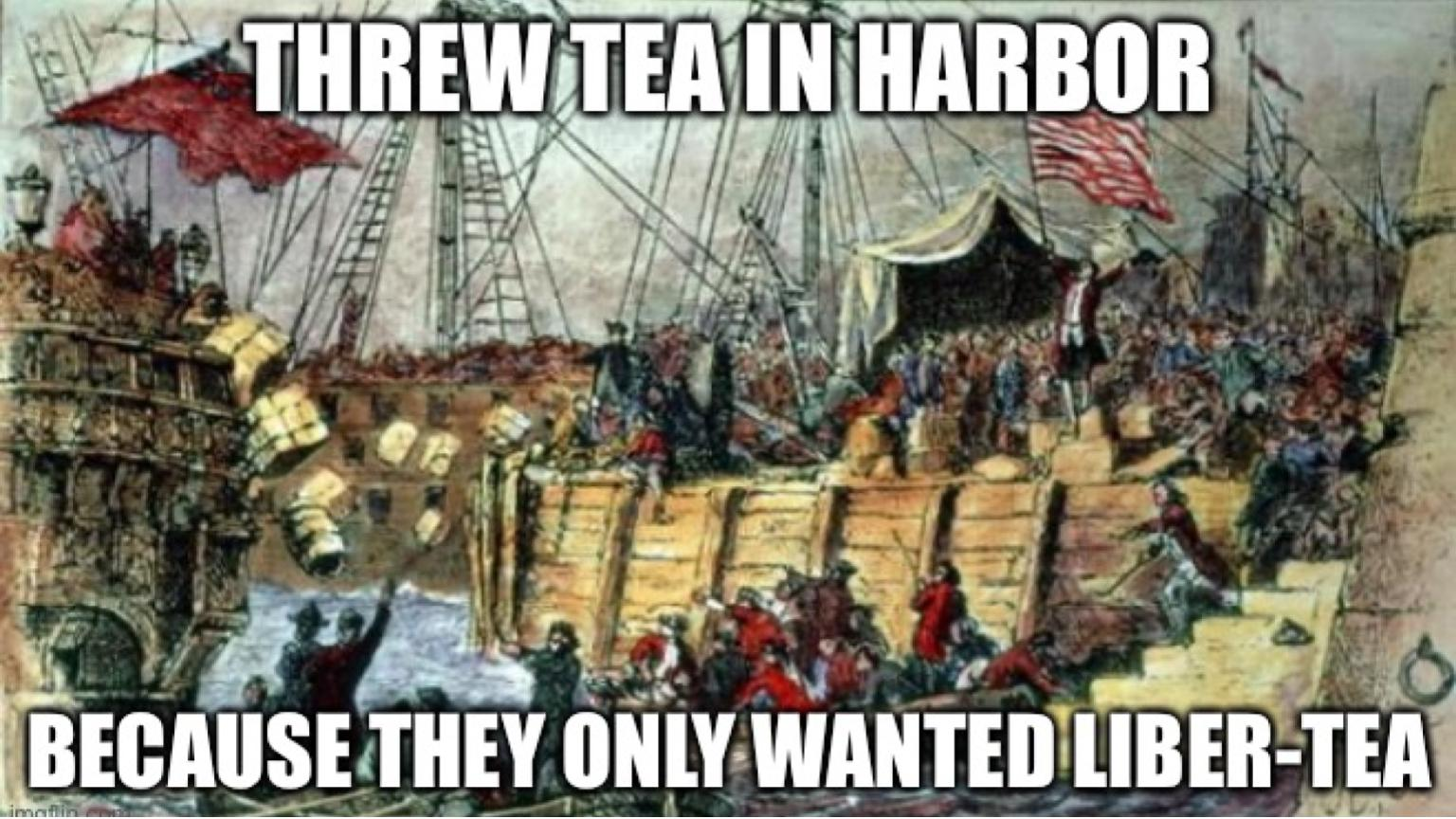
On December 16, 1773, a band of Bostonians protested the Stamp, Sugar, and _______ Acts and the concept of “no taxation without _______ ” by dressing up as Native Americans from the _______ tribe, boarding British ships, and dumping 342 chests of tea into _______ Harbor, which would cost nearly _______ today.

Applying Knowledge: Before we move forward, let's make sure we are all on the same page about key questions from the prework. Please review the following questions from the Chapter 7 reading: #18, 19, & 20.

0
Question 6
6.

1
Question 7
7.

Exit Ticket: Who is someone you helped or someone who helped you in class today?

Thursday, 10/13/2022 Classwork: The Boston Massacre


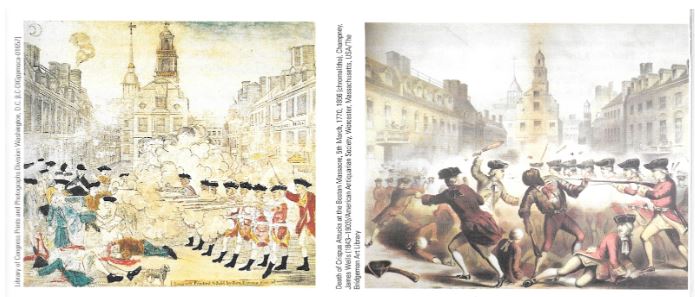
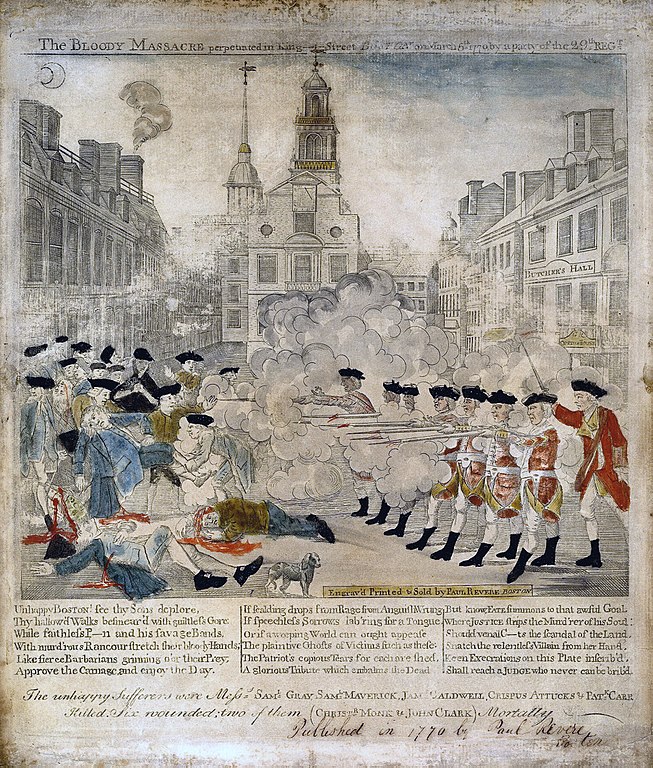
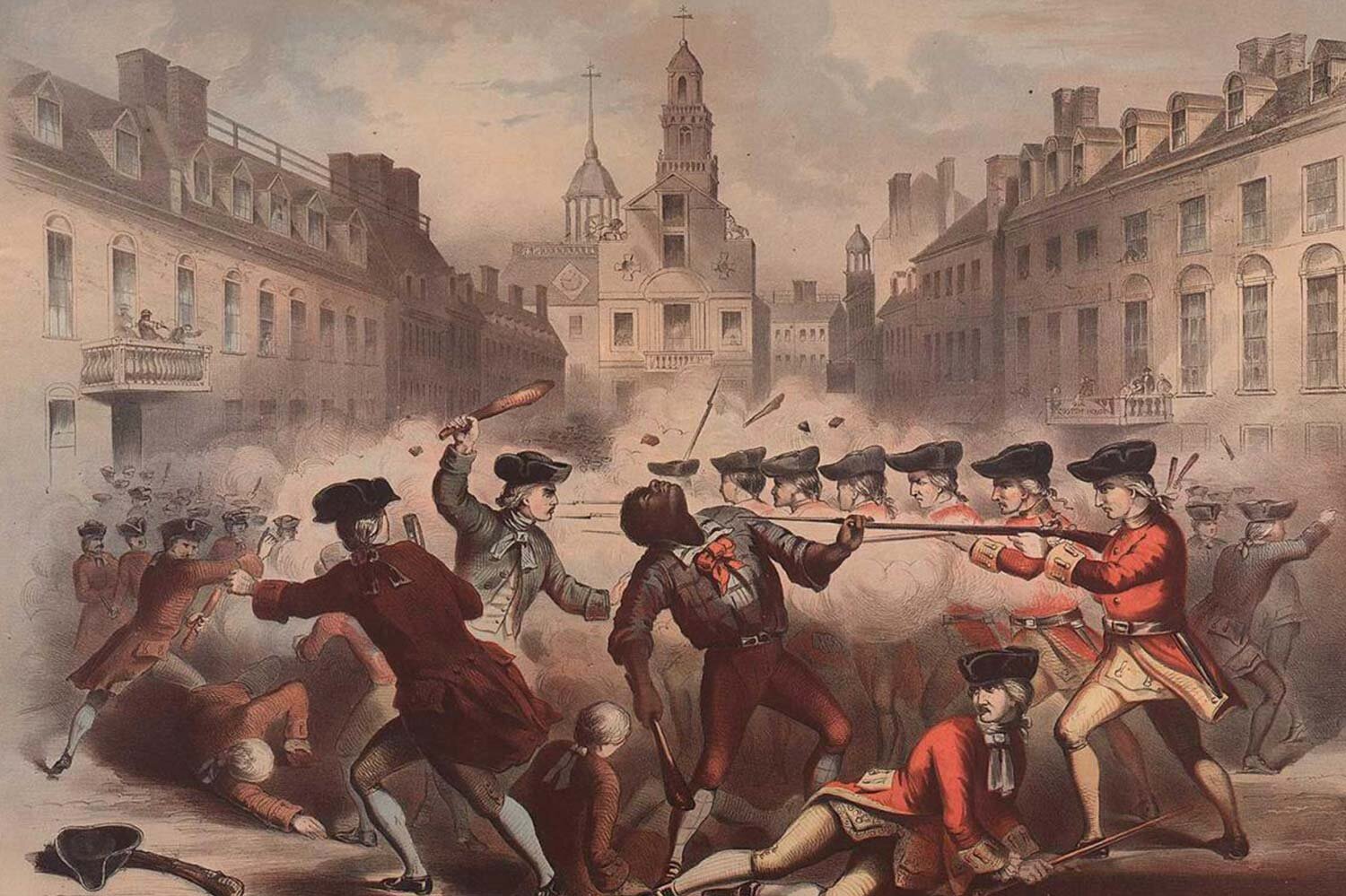
Content Objective: I will be able to compare the perspective of two different portrayals of the Boston Massacre.
Standard Objective: I will be able to determine the point of view or perspective from which an image is related.

Absent? Just want to review the guided notes? Slides are linked here.
1
Question 8
8.

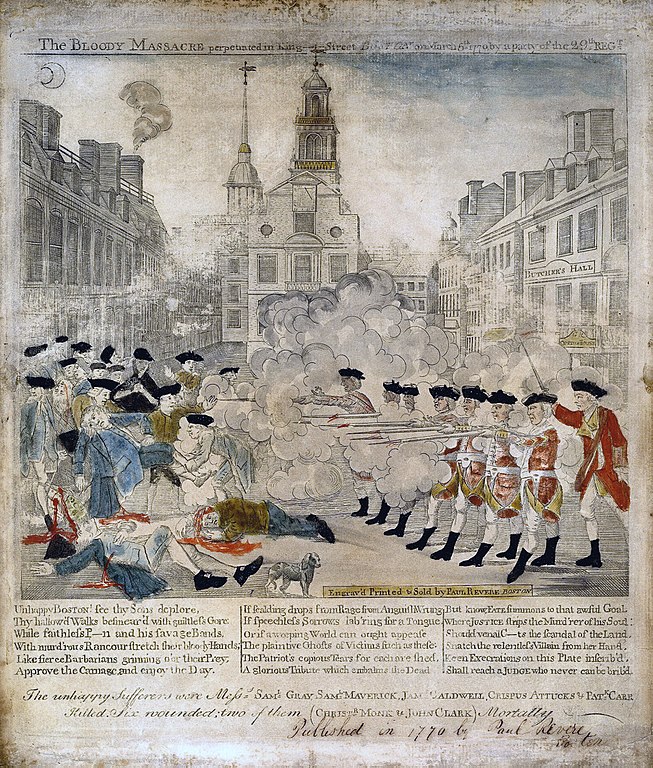
Which side is winning? How can you tell?

Under "Show Your Work," explain how you know in a complete sentence that identifies a specific element of the image as evidence.

1
Question 10
10.
Historical Context: The Boston Massacre was a deadly _______ on March 5, 1770, in which British soldiers shot and killed five people while being harassed by a group of Bostonians led by Crispus Attucks, a “_______ ” or mixed race man who was credited as the leader or_______ of the event, depending on which way you look at the incident. Both of these prints can be considered art as well as _______ , which spread ideas or statements that are often false or _______ in order to help a cause, a political leader, a government. Known for his midnight ride to warn the colonists about a British attack, Paul _______ created the print on the left within three weeks of the event. The print on the right, however, was created right before the Civil War by a lesser known American _______, James Wells Champney, in the mid-1850s.
0
Question 11
11.

Why do you think that Champney chose to include Crispus Attucks [image on right] whereas Revere completely leaves him out of his portrayal of the Boston Massacre [image on left]?

1
Question 12
12.

Paul Revere’s engraving of the Boston Massacre (above) was an effective piece of propaganda because it

CCSS.ELA-LITERACY.RH.11-12.6
RPV.01
Required
1
Question 13
13.

Which choice best reflects the perspective of James Wells Champney regarding the Boston Massacre?

CCSS.ELA-LITERACY.RH.11-12.6
RPV.01
1
Question 14
14.

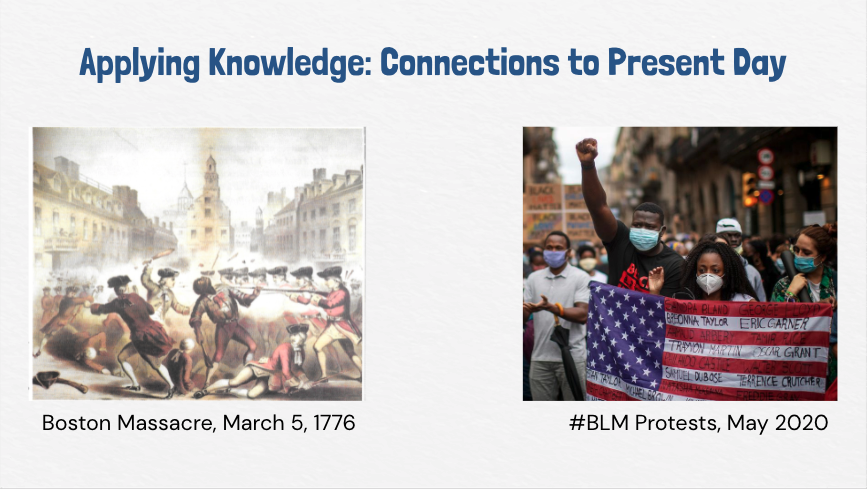
Exit Ticket: The spirit of resistance is reflected in our lives today because both American colonists and present day Americans

Question 15
15.

Please evaluate how well you understood today’s lesson on a scale from 1 to 4:

1 - I do not understand the EdPuzzle yet.
2 - I need to review the Boston Tea Party.
3 - I can understand the EdPuzzle on my own.
4 - I can explain the EdPuzzle to someone else.
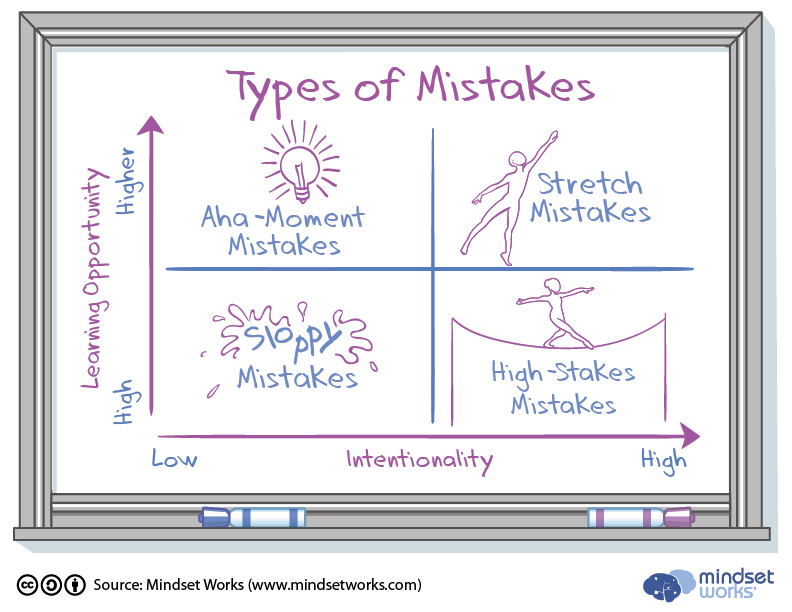
What kind of mistakes did your group make on #18-20 from the homework? (Select any that apply)

Explain under "Show Your Work."
Stretch Mistakes: This part of the reading was very challenging for us, but we figured it out as a team. Thanks for giving us time to work on it together!
Aha-Moment Mistakes: We had narrowed our answer choices to 2 fair conclusions, and have a better understanding of the Boston Tea Party as a result of the group review.
High-Stakes Mistakes: We are going to do terribly as a result of missing #18, 19, and/or #20! HELP! 😱
Question 9
9.

Which group do you think the artist views as the “bad guys?” How can you tell?

Under "Show Your Work," explain how you know in a complete sentence that identifies a specific element of the image as evidence.

highlighted the heroic efforts of Crispus Attucks, and his willingness to die for the revolutionary cause.
made colonists believe that they were being unjustly and violently attacked by the British.
painted the Boston Massacre as a fair and even fight, which the colonists won.
encouraged colonists to sympathize with the British, who were vastly outnumbered in Boston.
Crispus Attucks played a significant role in the Boston Massacre, and should be considered a martyr.
Crispus Attucks’ role in the Boston Massacre should be minimized in the best interest of the cause for independence.
The British redcoats were simply doing their job in managing an increasingly unruly and unlawful crowd.
The British redcoats started the fight with the American colonists and acted in a disproportionate and brutal manner.
can easily access factual and objective information in order to arrive at an unbiased conclusion.
are susceptible to propaganda and unwilling to consider mutiple interpretations of a particular event.
lack the ability to make thoughtful decisions and will act against their best interests for short-term financial gain.