Log in
Sign up for FREE
arrow_back
Library
APUSH Period 3.1 Quiz (Ch. 6-7)
By Haiyen Truong
star
star
star
star
star
Share
share
Last updated over 1 year ago
11 questions
Add this activity
1
IIWD.01
KC 2.2.II
WXT 1.0
1
IIUR.01
KC 3.1.II
NAT 2.0
1
IICI.01
KC 3.1.I
WXT 1.0
1
KC 3.1.II
NAT 1.0
RAG.01
1
KC 3.2.I
NAT 1.0
0
Question 1
1.
Review:
Poor Englishmen who agreed to exchange their labor temporarily in return for their passage to an American colony were called
burgesses.
slaves.
indentured servants.
headrights
2
3
zoom_in
(Abridged) Chapter 6:
The Duel for North America (1608-1763)
1
IIWD.01
1
IIRC.01
KC 2.1.III
WOR 1.0
1
IIUR.01
KC 3.1.II
MIG 2.0
Chapter 7:
The Road to Revolution (1763-1775)
Question 5
5.
Which new British policy sparked the earliest forms of colonial resistance that would ultimately lead to the American Revolution?
Drafting the Americans colonists into the British army
Cutting off subsidies to American products like tobacco
Compelling the colonists to shoulder some of the costs of the Seven Years War
Removing British troops from American soil
Question 6
6.
Despite some economic benefits, the American colonists generally disliked the mercantile system because it
required economic initiative and self-sufficiency that American colonists were unwilling to show.
favored the northern over the southern colonies.
forced the South into a one-crop economy.
reinforced dependence on the mother country and stifled economic initiative.
Question 7
7.
Colonists objected to the enactment of the Stamp Act in 1765 because they
objected to the Stamp Act’s violation of the principle of “no taxation without representation.”
believed it could never be repealed.
opposed the financial burden of all taxes.
desired immediate political independence from Great Britain.
Question 8
8.
As the War for Independence began, the colonies had the advantage of
many outstanding civilian and military leaders.
highly reliable and well-supplied troops.
a well-organized, strongly committed, and united population.
potential aid from the Armed Neutrality League.
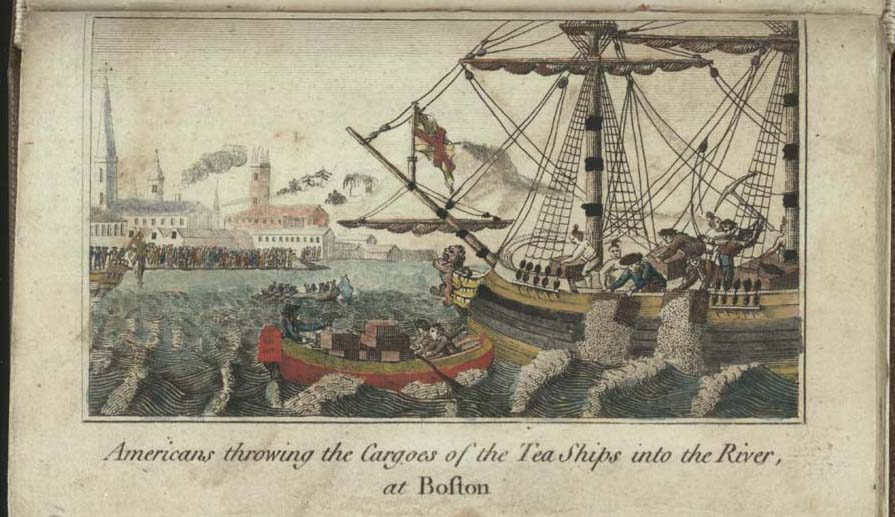
Questions 9-10 refer to the following image.
zoom_in
1
KC 3.1.II
POL 1.0
1
CUL 1.0
KC 3.1.II
Question 11
11.
Fourth Mastery assessment in the books! We are halfway through Period 3 (1754-1800). Draw a picture about how you are feeling.
visibility
View drawing
Question 2
2.
As used in line 7, “strictly” most nearly means
severely.
harshly.
clearly.
hardly.
Question 3
3.
As described in the excerpt, the British sought to
block westward expansion in order to mend relations with natives previously allied with the French.
establish local governments that could control French Quebec and Spanish Florida.
create a lasting peace with the French still residing in their new acquired land.
settle the newly acquired lands to establish commerce with the Indians.
Question 4
4.
American colonists responded to the Proclamation of 1763 by
reluctantly obeying the law that they hated and repaying debt they had incurred during the Seven Years War.
waging war against the American Indians that lived west of the Appalachian mountains.
immediately declaring independence from Great Britain over the land issues.
defying the Proclamation and settling out west because they felt entitled to the land.
Question 9
9.
Acts of protest like the one pictured occurred in response to
anger over the use of protest in what many considered a political debate between the colonists and the British
popular frustrations over the persistence of elitism in colonial government.
citizens’ fears that the government could not protect the borders from Native American attacks.
colonists’ perception of British policies designed to re-assert political and economic control over the colonies.
Question 10
10.
The British response to events like the one pictured here
helped consolidate European support for the British crown.
attempted to counteract the colonists financial advantages.
were based on the British commitment to the Enlightenment.
strengthened the resolve of more colonists to resist British policies.