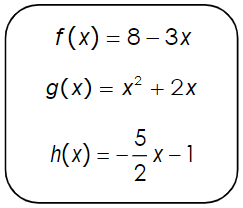
For questions 11-12, use the functions to the left.
Ɛhia
10
Evaluate each function for the given value.
Evaluate each function for the given value.
Ɛhia
10
Evaluate each function for the given value.
Evaluate each function for the given value.
Use the set of ordered pairs to complete the relation table, relation mapping, and coordinate graph.
Determine whether the given relation is a function. (Function or Not a Function)
Determine whether the given relation is a function. (Function or Not a Function)
Determine whether the given relation is a function. (Function or Not a Function)
Determine whether the given relation is a function. (Function or Not a Function)
Determine whether the given relation is a function. (Function or Not a Function)
Determine whether the given relation is a function. (Function or Not a Function)
Directions: Complete each function table, then graph the function.
Evaluate each function for the given value.
Evaluate each function for the given value.
Evaluate each function for the given value.
Evaluate each function for the given value.
Classify each item on the left based on whether it describes the domain or range of a relation.
Represented on the vertical axis of a coordinate plane
The y-values of a relation (usually)
The output values of a relation
Represented on the horizontal axis of a coordinate plane
The input values of a relation
The x-values of a relation (usually)
Domain
Range
Problem 1 Got It? Drag the values from the left to identify the domain and range of the relation.
Place each value only once.
-4
7
1
4
2
-1
-2
-7
Domain
Range
The function rule

1. Complete the table for the function rule.
2. Plot the 4 ordered pairs from the table on a graph and use them to construct the line that represents all solutions of the function.
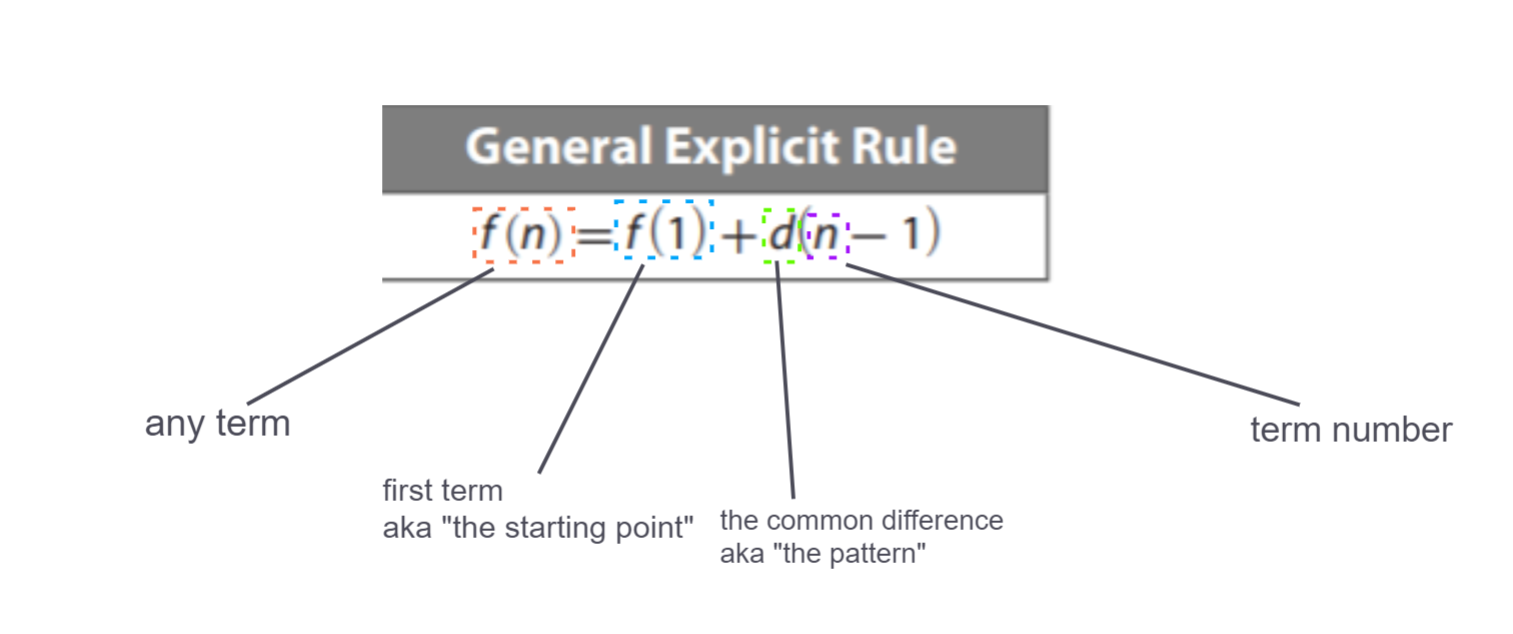
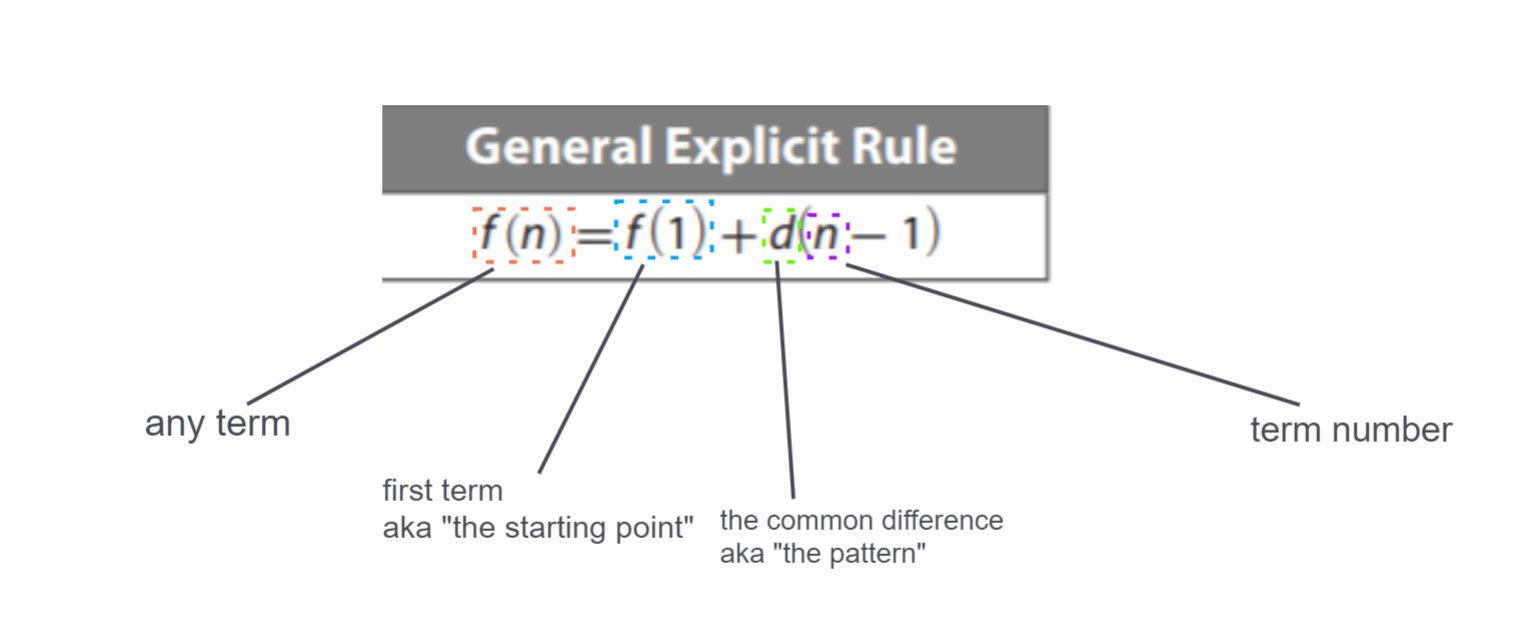
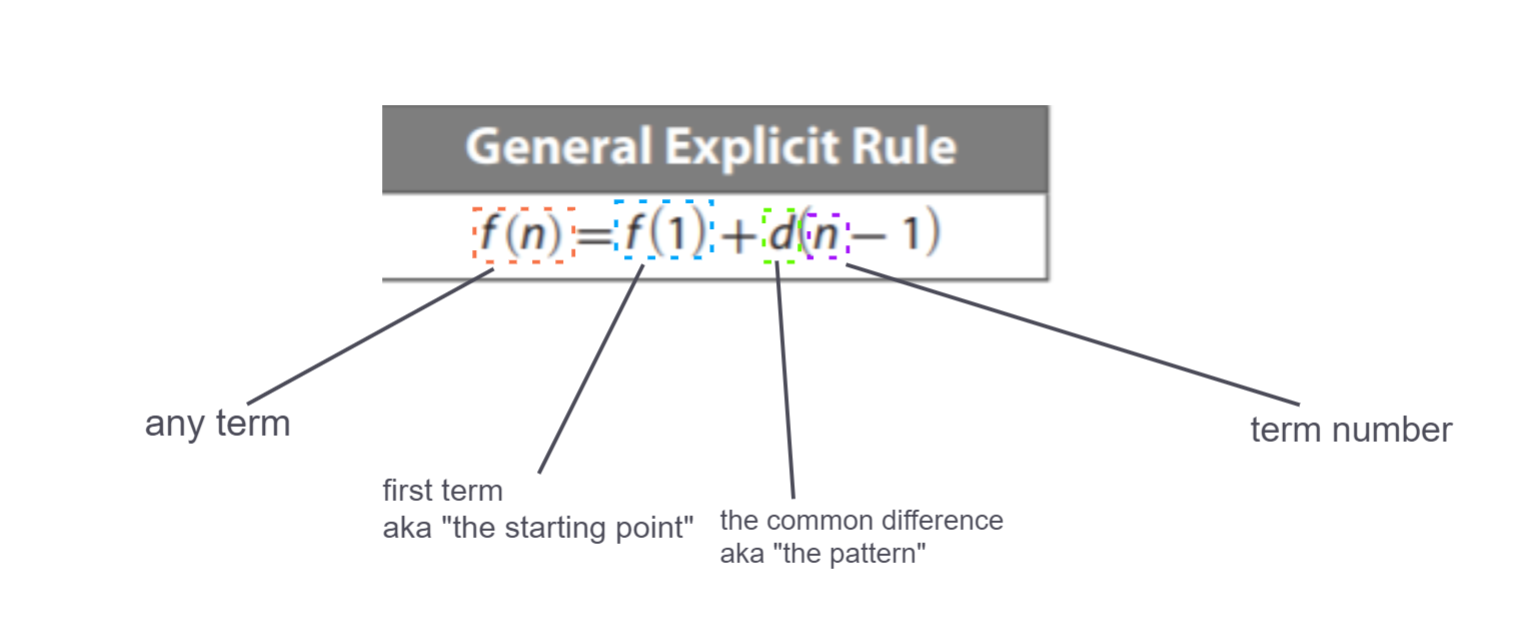
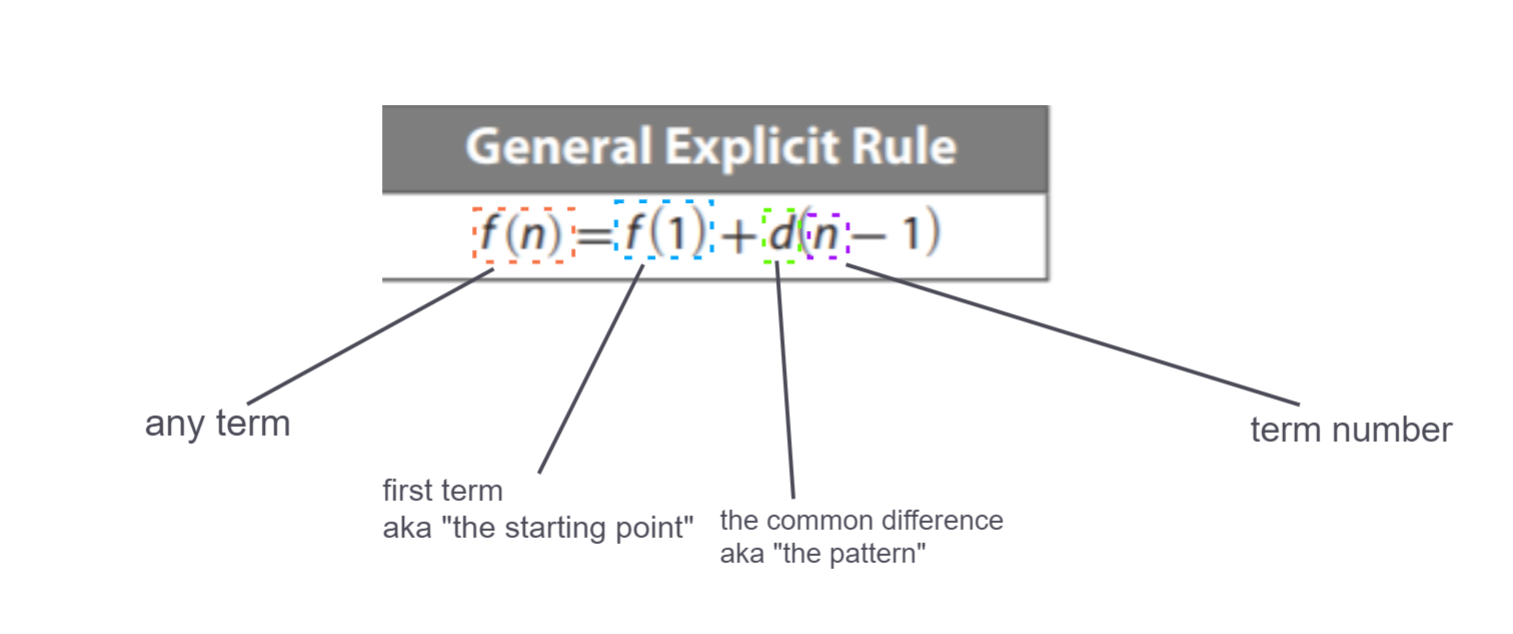
What does f(1) mean?
What does f(n) mean?
What does d mean?
What does n mean?
Use this sequence of numbers to answer the following questions.
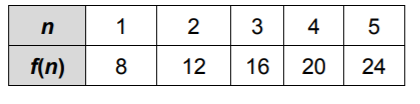
First term f(1)=
Common difference d=
Explicit Formula=
Fourteenth Term f(14)=
Use this sequence of numbers to answer the following questions.
23, 18, 13, 8, ...
First term f(1)=
Common difference d=
Explicit Formula=
One-hundredth and First Term f(101)=