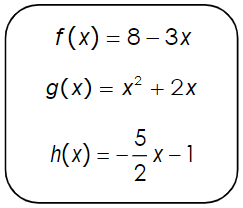
For questions 8-11, use the functions to the left.
Ɛhia
10
Evaluate each function for the given value.
Evaluate each function for the given value.
Ɛhia
10
Ɛhia
10
Ɛhia
10
Essential Question: What is function notation and what is it used for?
Learning Target: Students will be able to use function notation to evaluate functions that represent real-world functions.
Complete the entire assignment and show work for full credit.
Essential Question: What is function notation and what is it used for?
Learning Target: Students will be able to use function notation to evaluate functions that represent real-world functions.
Complete the entire assignment and show work for full credit.
Complete the following notes regarding how to use function notation.
Evaluate each function for the given value.
Evaluate each function for the given value.
Evaluate each function for the given value.
Evaluate each function for the given value.
Evaluate each function for the given value.
Evaluate each function for the given value.
Anthropologists use the length of certain bones of the human skeleton to estimate the height of the living person. One of these bones is the femur. To estimate the height in centimeters of a female with a femur length of x, the function h(x) = 61.41 + 2.32x can be used. If a 46 cm femur bone is discovered at a dig site, using the height function, estimate how tall the person was that bone belonged to.
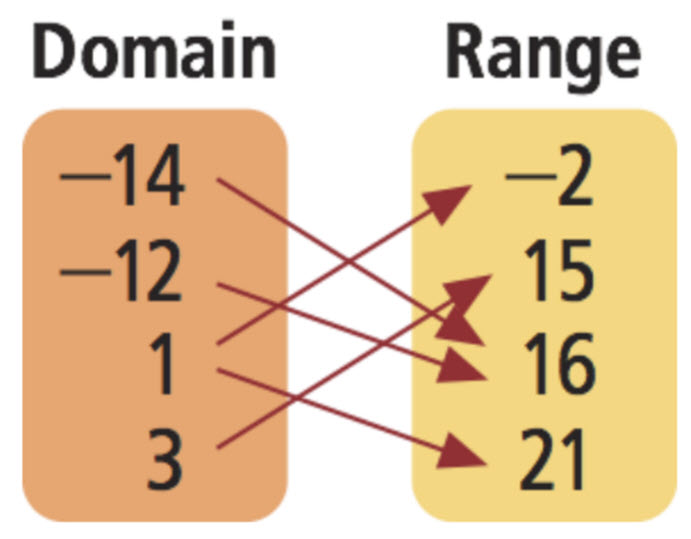
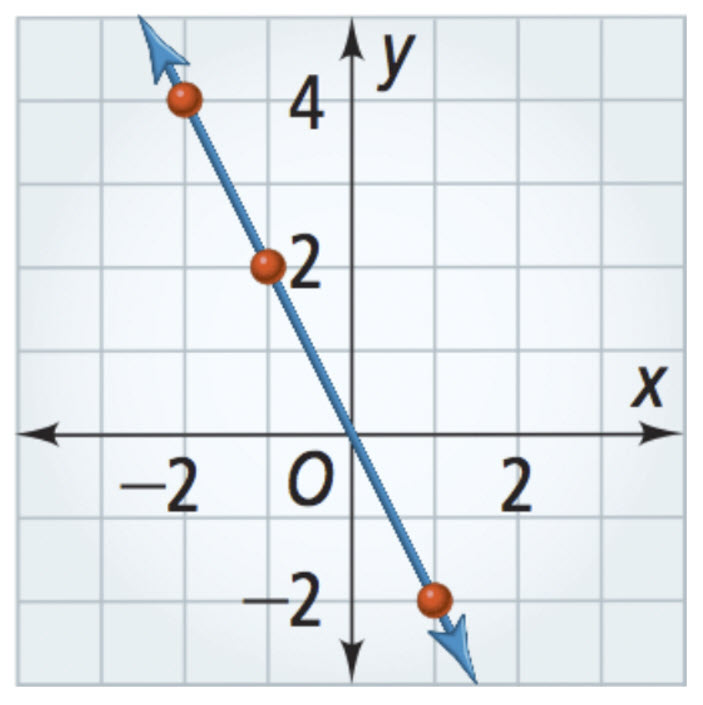
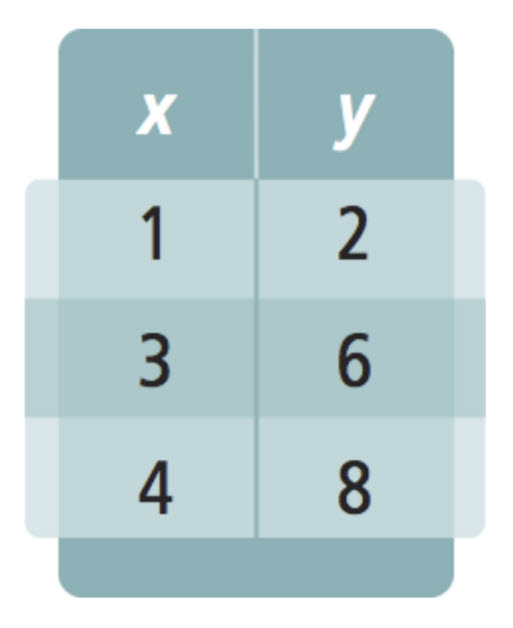
Categorize each representation of a relation on the left based on its type.
Ordered Pairs
Mapping Diagram
Table of Values
Graph
Classify each item on the left based on whether it describes the domain or range of a relation.
Represented on the horizontal axis of a coordinate plane
The output values of a relation
Represented on the vertical axis of a coordinate plane
The input values of a relation
The y-values of a relation (usually)
The x-values of a relation (usually)
Domain
Range
Directions: Complete each function table, then graph the function.
Directions: Complete each function table, then graph the function.
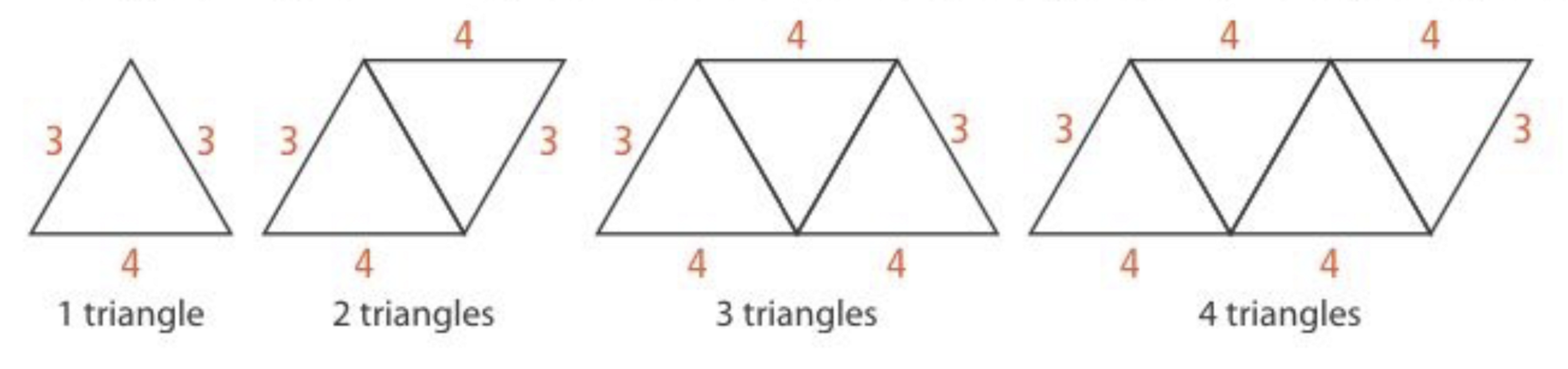
Triangle Problem: Consider the relationship between the number of triangles in each figure in the diagram below and the perimeter of each figure.
Triangle Problem:
Represent this relationship with a table and a graph.
Use contrasting colors to:
Complete the table on the canvas.
Plot the points on the coordinate plane
You may complete your work on paper or on a whiteboard and upload a clear picture of it to the canvas.
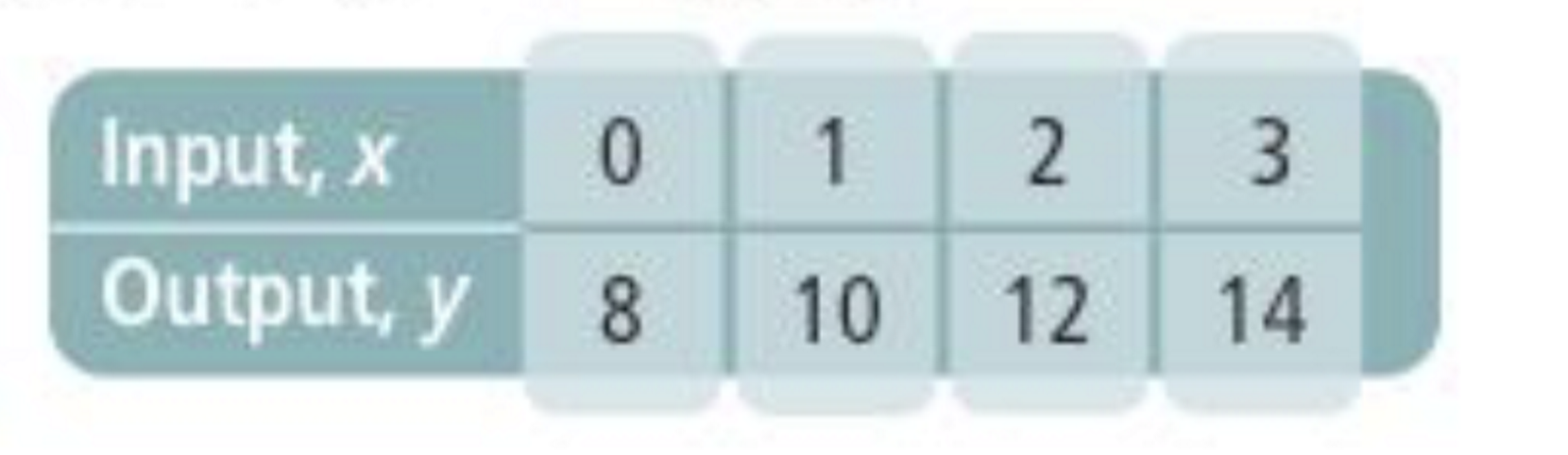
Application Problem. Consider the relationship represented in the table below.
Application Problem:
Does the relationship represent a linear function?
Problem 1 Got It? Drag the values from the left to identify the domain and range of the relation.
Place each value only once.
7
-1
-2
1
-4
2
-7
4
Domain
Range
Consider the relation {(-2, -3), (-1, 4), (0, 5), (1, 6)}.
Represent the relation with a mapping diagram. Remember to label the domain and range in your diagram.
Vocabulary Review: A function is a relationship that pairs each input value with exactly one output value. Categorize each relationship.
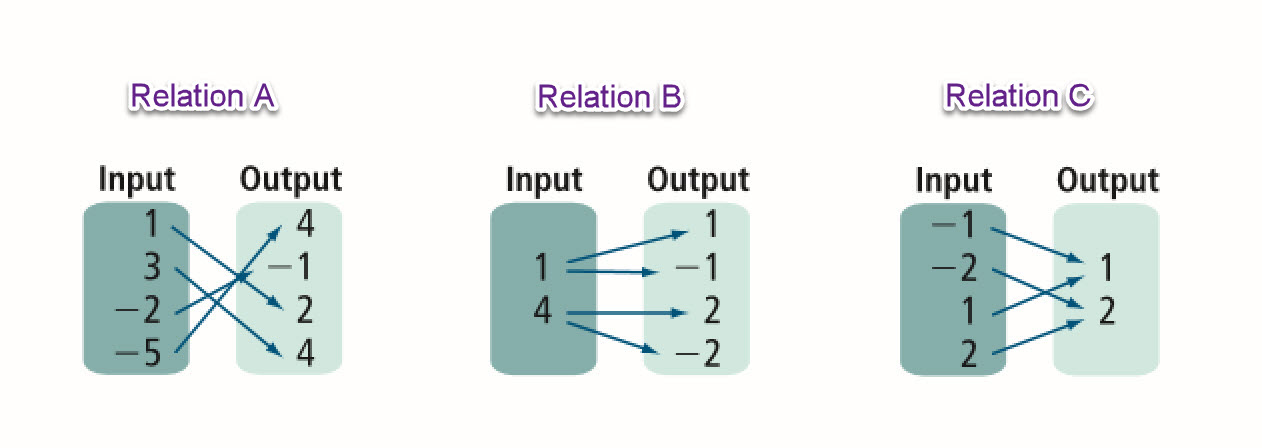
Relation B
Relation A
Relation C
Function
Not a function
Vocabulary: Tell whether the relationship should be represented by a continuous or a discrete graph.
The amount of gas g remaining in the tank of a gas grill depends on the amount of time t the grill has been used.
Vocabulary: Tell whether the relationship should be represented by a continuous or a discrete graph.
The number of bagels b remaining in a dozen depends on the number s sold.
What is f(2) for the function f(x) = 4x + 1?
What is the graph of the function rule?
Be sure to include relevant graph detail: label axes, indicate units on both axes, and use arrows to represent end behavior, as appropriate.
The function rule below represents the total weight W, in pounds, of a spa that contains g gallons of water. What is a reasonable graph of the function rule, given that the capacity of the spa is 250 gal?
Be sure to include relevant graph detail: label axes, indicate units on both axes, and use arrows to represent end behavior, as appropriate.

Use the function w(x) = 250x, which represents the average number of words a person can read in one minute to determine many words the average person can read in 6 minutes. Enter only a number.
Graph the function rule.
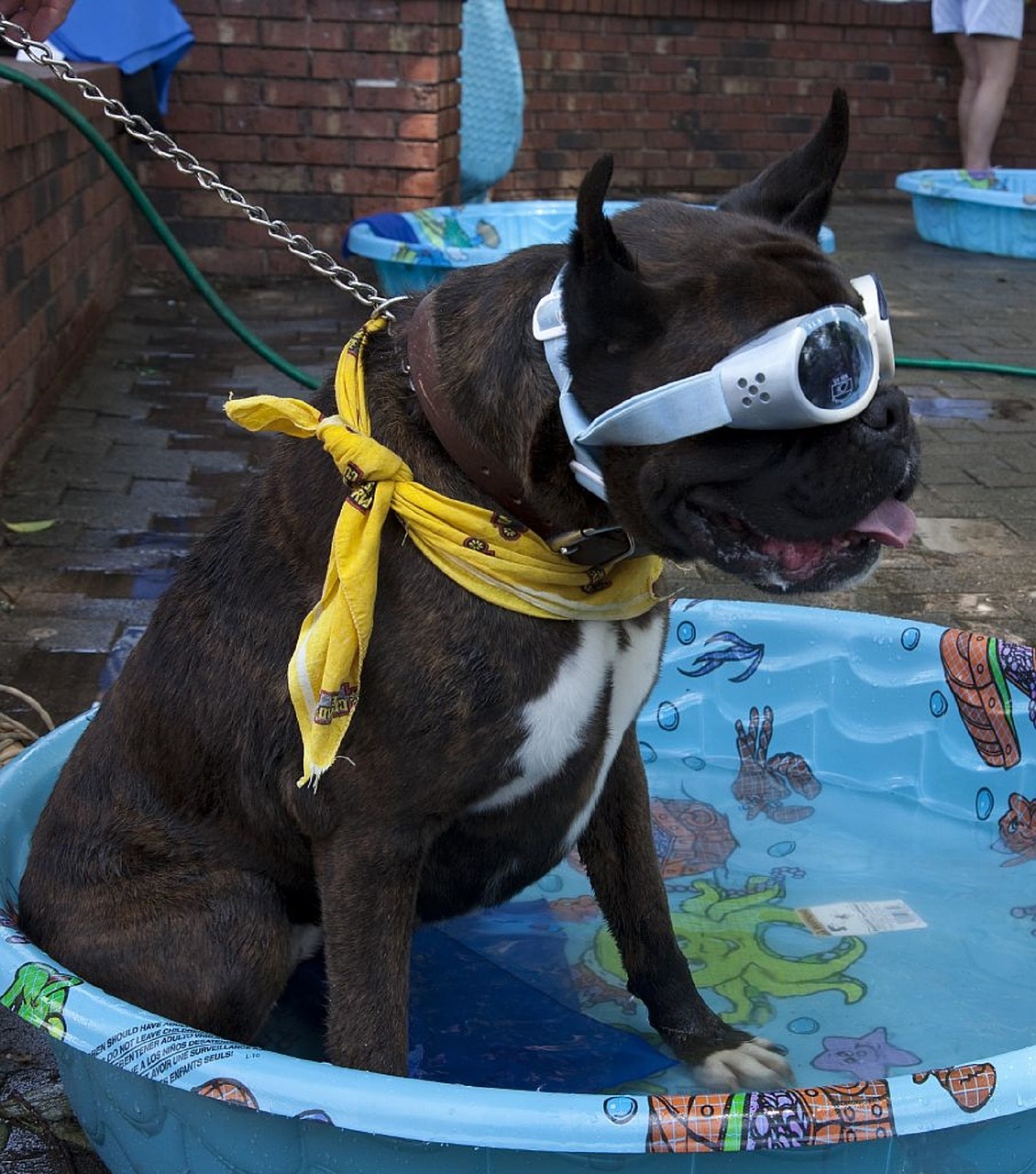
The amount of water w in a wading pool, in gallons, depends on the amount of time t, in minutes, the wading pool has been filling, as related by the function rule w = 3t.
Be sure to include relevant graph detail: label axes, indicate units on both axes, and use arrows to represent end behavior, as appropriate.
Vocabulary: Is the graph for the function rule in the previous item continuous or discrete?
Vocabulary: Is the graph for the function rule in the previous item continuous or discrete?
Translate this expression.
“eighteen less than a number”
Translate this expression.
“the difference of a number and 4"
Which words or phrases have the same meaning as addition?
Which words or phrases have the same meaning as subtraction?
Which words or phrases have the same meaning as division?
Which words or phrases have the same meaning as multiplication?
Directions: Give the perimeter of each figure as a simplified expression.
Directions: Give the perimeter of each figure as a simplified expression.
Evaluate each expression using the variable replacements.
Evaluate each expression using the variable replacements.
Match the operation with its inverse.
| Draggable item | arrow_right_alt | Corresponding Item |
|---|---|---|
inverse of division | arrow_right_alt | subtraction |
inverse of multiplication | arrow_right_alt | addition |
inverse of addition | arrow_right_alt | division |
inverse of subtraction | arrow_right_alt | multiplication |
To solve an equation we need to undo operations to isolate a variable. So, we need to undo PEMDAS. This means we need to work in a different order.
Put these operations in the order by which you perform them to solve an equation. (first to last)
addition and subtraction (outside parentheses)
multiplication and division
parentheses ( )
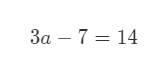
Put the steps to solving this equation in the right order.
Before we start solving, we identify the variable a, so we can solve for it the variable
the result is x=7
add 7 to both sides of the equation
divide both sides of the equation by 3
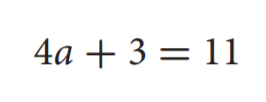
Solve this equation.
What is the first step to solving this equation?
What is the second step to solving this equation?
Solve this equation.
Solve this equation.
15h - 9 = - 54
Put the steps in the correct order to solve this multistep equation.
undo subtract 20 by adding 20 to both sides of the equations to get -28a = -140
The solution is a = 5
undo multiplying by -28 by dividing by both sides of the equation by -28 to get a = 5
Use distribution to multiply (7a+5) by -4 to get -28a - 20
Check the solution by evaluating the original expression -4(7a+5) to verify that it equals -160
Solve this multi-step equation. Show your work (SYW)
Solve this equation
Solve each proportion. Show your work! Or suffer the consequences...
Solve and graph the inequality for the given variable.
Evaluate each function for the given value.
Evaluate each function for the given value.
Evaluate each function for the given value.
Triangle Problem:
Which equation represents the relationship?
Triangle Problem:
Suppose you know the perimeter of n triangles. What would you do to find the perimeter of n + 1 triangles?
Application Problem:
Describe the relationship using words.
Application Problem:
Which equation represents the relationship?
Application Problem:
Represent the relationship using a graph. Use contrasting colors. You may complete your work on paper or on a whiteboard and upload a clear picture of it to the canvas.
Be sure to include relevant graph detail: label axes, indicate units and scale on both axes, and use arrows to represent end behavior, as appropriate.