Rhetoric, according to Aristotle, is observing means of persuasion. Aristotle and his descendants classified and called the rhetorical appeals ethos, pathos, and logos.
Ethos: Ethos is Greek for character, and it refers to the credibility or trustworthiness of the speaker or writer. Ethos can be further broken down to consider the categories of trustworthiness, similarity, authority, reputation, and expertise.
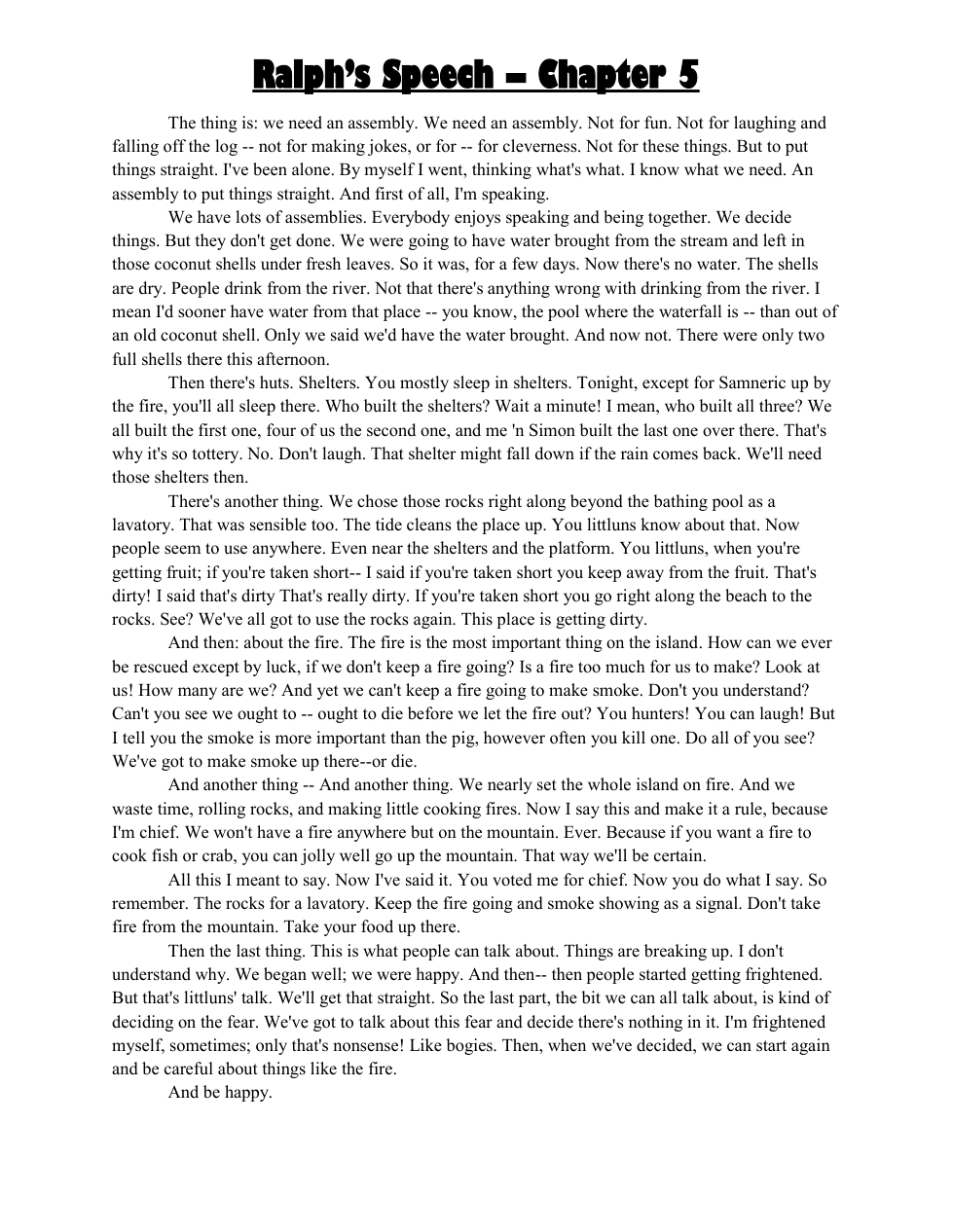
Pathos: Persuasion from pathos involves engaging the audience's emotions. The word is derived from the Greek for suffering or experience. Most of our students have become adept at playing to emotion, crafting speech and delivery to evoke pity for being late to class or benevolence from tight-fisted parents. Aristotle himself identifies and then explains how to create seven pairs of opposite emotions, such as anger and calmness, fear and confidence, kindness and unkindness, envy and emulation. He then explains how to create such feelings toward ideas in various types of humans. Aristotle also warns of the dangerous potential for mind manipulation through the use of pathos.
Logos: Finally, a writer or speaker can persuade through the appeal to the audience's sense of logic. Aristotle identified this as the most important means of persuasion. It is what makes us humans and differentiates us from other animals. Ideally, reason should dominate all of people's thinking and actions, but actually, they are often influenced by passions and prejudices and customs.
While persuasion generally involves a combination of appeals, being aware of their effective use allows speakers and writers to tailor their message to a particular audience or context in order to maximize the efficacy of an argument, whether the intended effect is to borrow a dollar or lead a nation to war.