Make an inference about the picture. What evidence supports your inference?
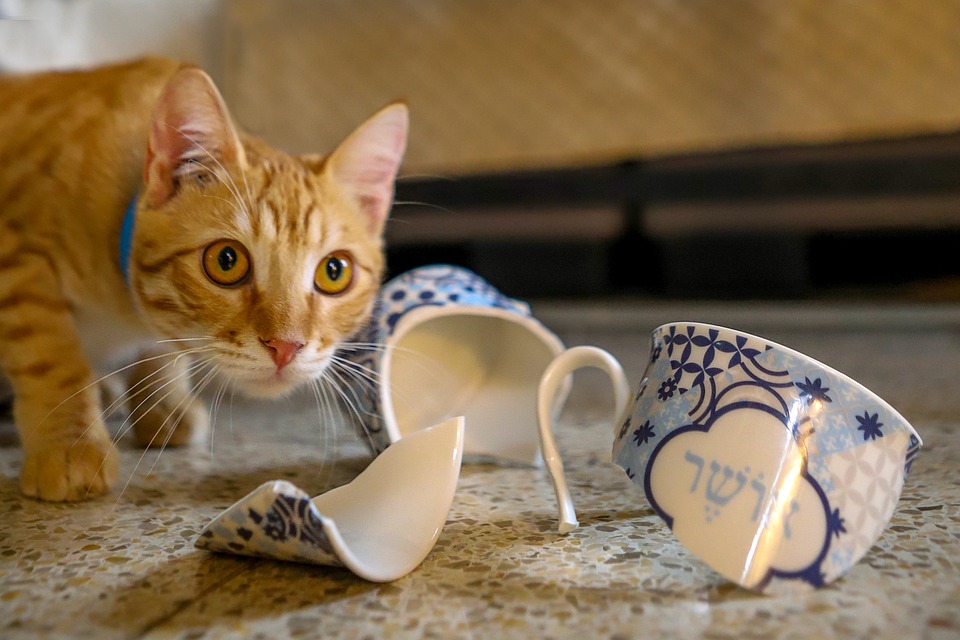
Make an inference about the picture. What evidence supports your inference?
Which tool would you use to look at the moon?
What does a graduated cylinder measure?
Use a balance to measure:
Something that you change in an experiment is called a(n)
The first thing you should do before you begin is a science lab activity is:
In an experiment, how may times should we repeat a trial?
Some of the formats used for organizing and arranging data include:
Evidence is:
Inquiry is the process of
Two scientists get different results for the same experiment. What should they do?
Which is an example of a two-dimensional model?
A
When working in a team, it is important for everyone to have the same idea.
Scientists ask questions about what they observe in the natural world.
It is important to wear safety goggles and gloves during science activities.
Measurements made by scientists are usually in Metric units but the United States also commonly uses non-metric units.
Scientists record their methods so their experiments can be repeated accurately.
Models are not objects or ideas that represent other things.
The results of an experiment become research for the future experiments of other scientists.
A line graph is never used to show patterns of data over time.
Long ago people measured by using familiar objects such as a foot or forearm.
are when scientists ask people a number of questions and then analyze the answers.
is a way of collecting data.
Two students are testing how high a ball will bounce. Each student drops a ball. One
student’s bounce height is 20 cm. The other student’s bounce height is 60 cm.
Explain why these results might be different.
A team of scientists is studying the formation of islands in the Pacific Ocean. What is a question the team might ask?
Make an inference about the picture. What evidence supports your inference?
Why is it important to write procedures that are clearly understood?
Name one piece of information scientists can gather using a microscope?
Why is it important for scientists to make many observations?
Name three types of reference materials scientists use to do research.