Ɛhia
5
Which of the instruments below are found in a Stevenson Screen?
Which weather instrument measures air pressure?
Which of the options below are features of the Stephenson screen?
When the air has reached 100% the wet and dry bulbs have different readings.
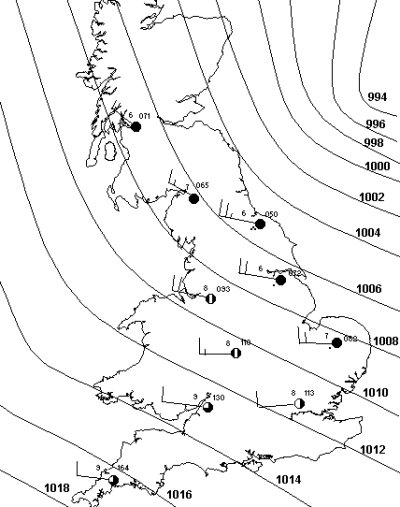
What type of isolines are shown on the map?
Use the key to place the hot spot on a location with heavy rain
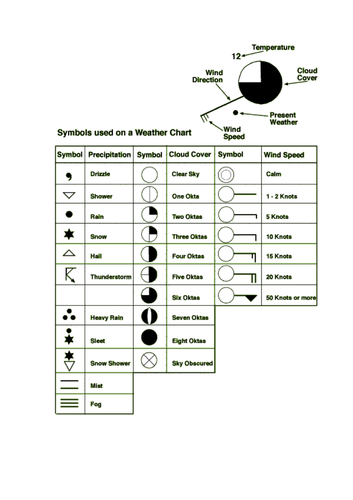
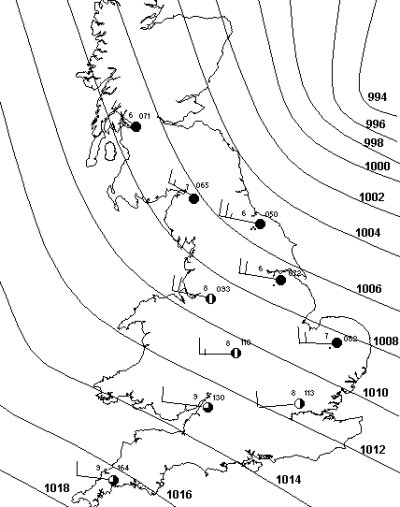
Use the key to place the hot spot on a location with 15knotts wind.
Drag the key terms to the correct factor impacting temperature
A) With increasing height from the earth surface there are fewer air particles to trap outgoing longwave radiation
B) At the equator the suns rays are spead over a small area, due to hit the earth's surface at a perpedicular angle. This causes higher temperatures.
C) At the poles the suns rays are spread over a larger area due to the oblique angle that the suns rays hit the earth surface. This causes low temperatures.
D) Fewer air particles mean fewer collsions can occur to pass on heat via conduction.
E) Water is slow to heat up and cool down.
F) The water impacts the temperature of the air above it (cold water coosl the air, warm water warms the air). This air then blows onshore and moderates the land temperature.
G) Therefore coastal areas have a small range of temperatures whilst inland locations have a larger range of temperatures.
H) Water is slow to chage temperature due to being transparent, so a greater volume of material can be heated than with and which is opaque.
I) Water wastes energy by changing state and through its particles sliding past each other. This also causes it to be slow to change temperature.
Altitude
Latitude
Specific Heat Capacity
On the picture below place the hot spot where deserts are likely to be found
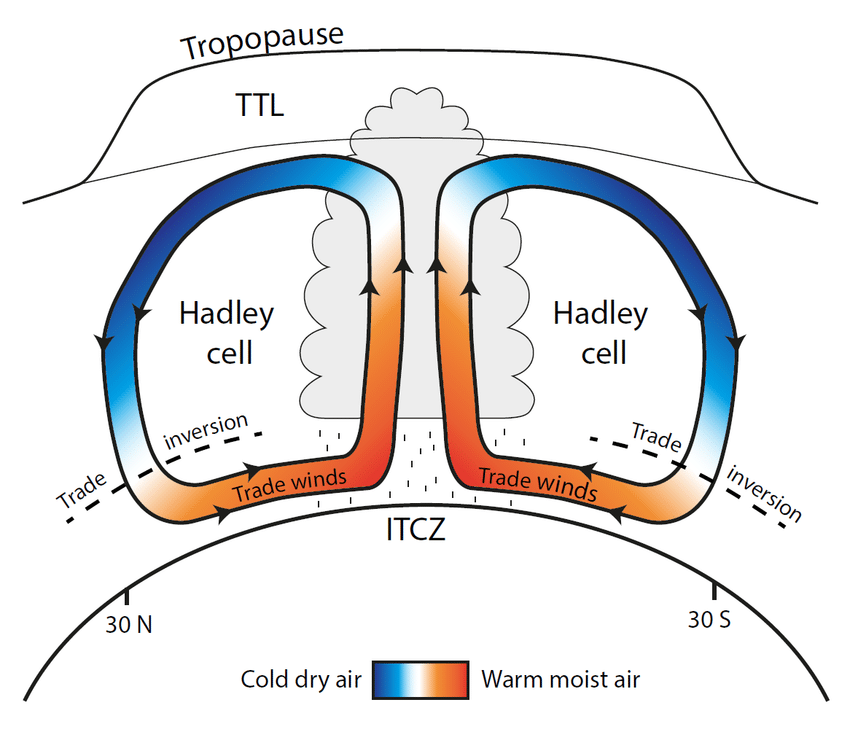
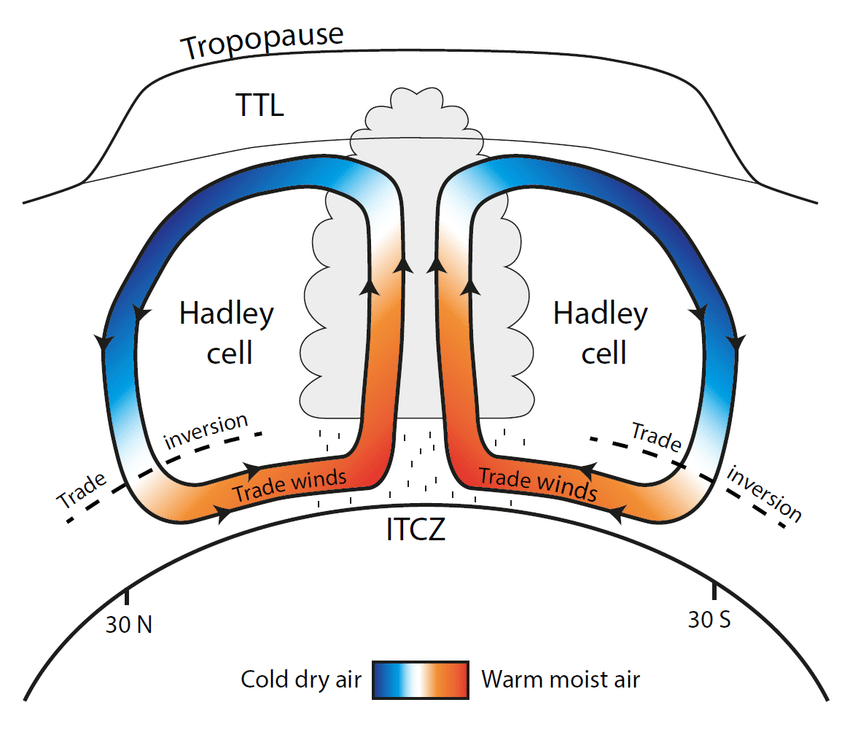
Which of these explains why deserts occur in part of the Hadley cell?
Place the hotspot on the area of the diagram where Tropical Rainforests can be found.
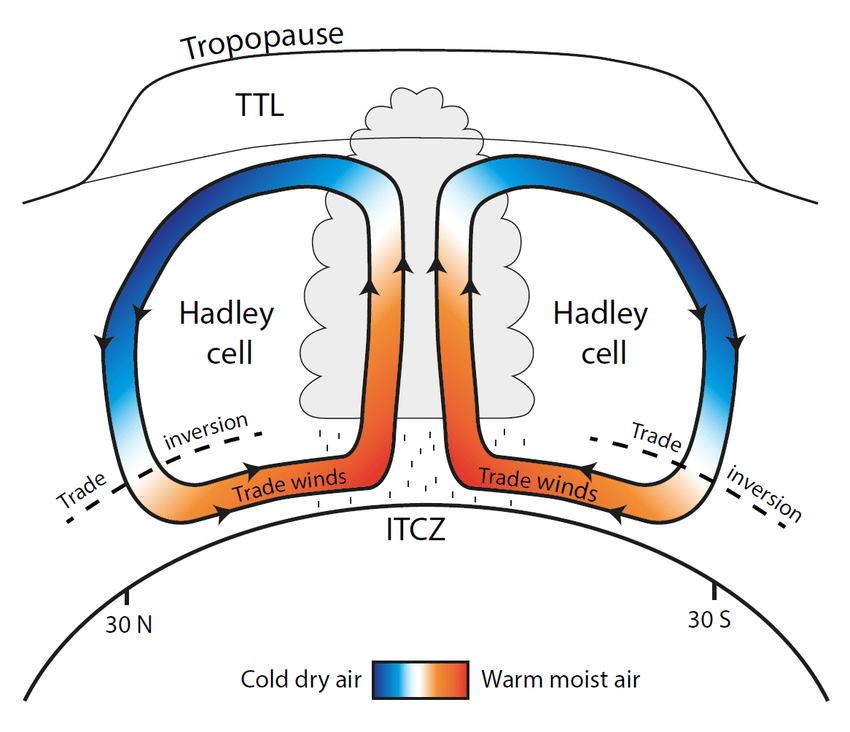
Put these statements into the correct order to explain why large cumulonimbus clouds form at the rising limb of the Hadley cell
When the air is cool enough water vapour condenses around dust to form collections of water droplets
Water droplets then join to form water drops which fall as rain
Collections of water droplets are clouds
This causes surface water and some ocean water to evaporate and causes the air particles to have more energy
When air is less dense than its surroundings it rises and cools. Because of the intense heating air can rise quickly to a great height.
The sun's energy is concentrated in a small area at the equator
When air particles have more energy they move around more causing the density of the air to be lower than its surroundings
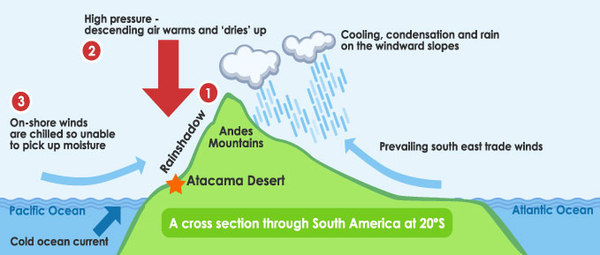
Which of the reasons below explain the location of the Atacama desert
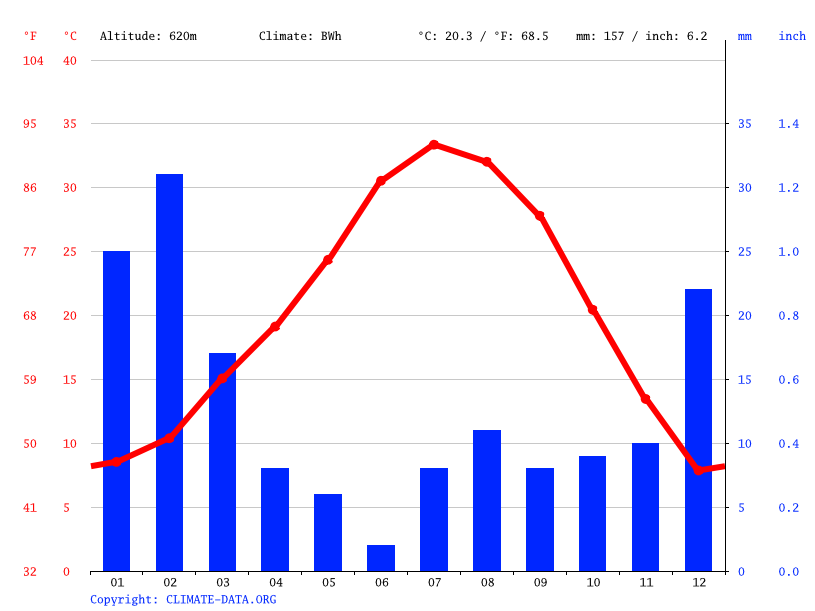
Which of the statements below apply to the climate graph?
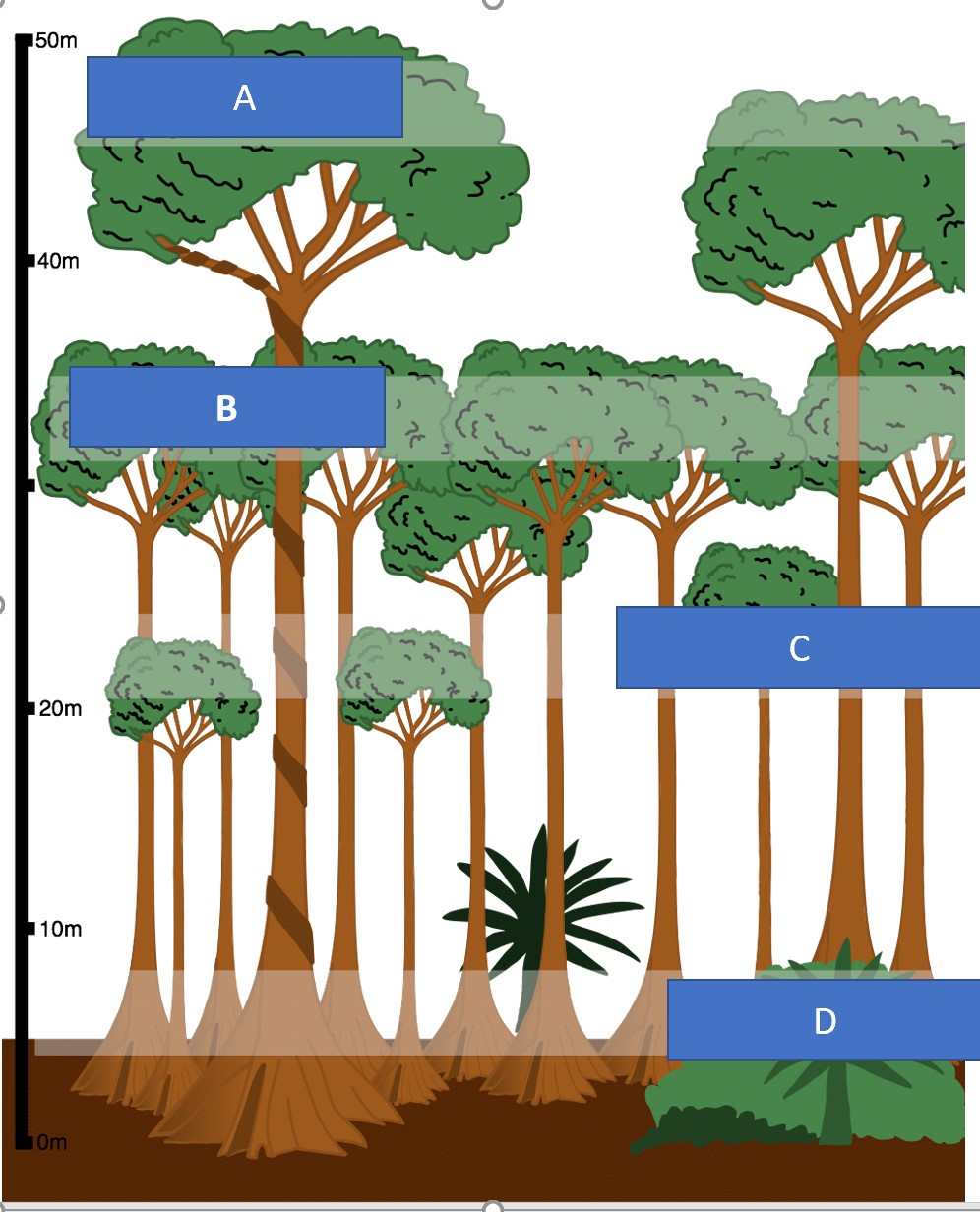
Which layer is most of the life found within the tropical rainforest?
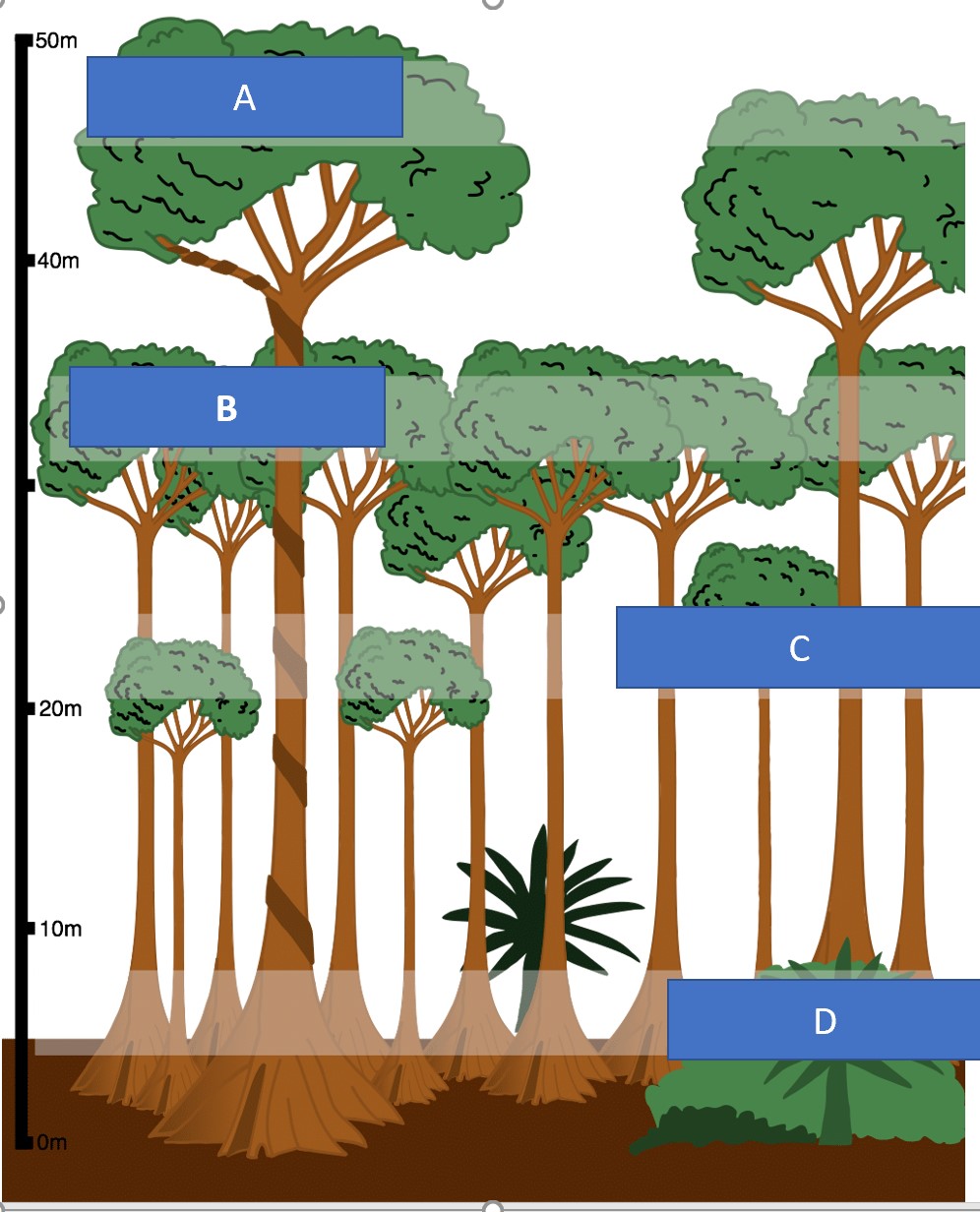
What is the name of layer A?
Which of the following correctly describes the location of the tropical rainforests?
Which of the following best describes the climate of the tropical rainforest?
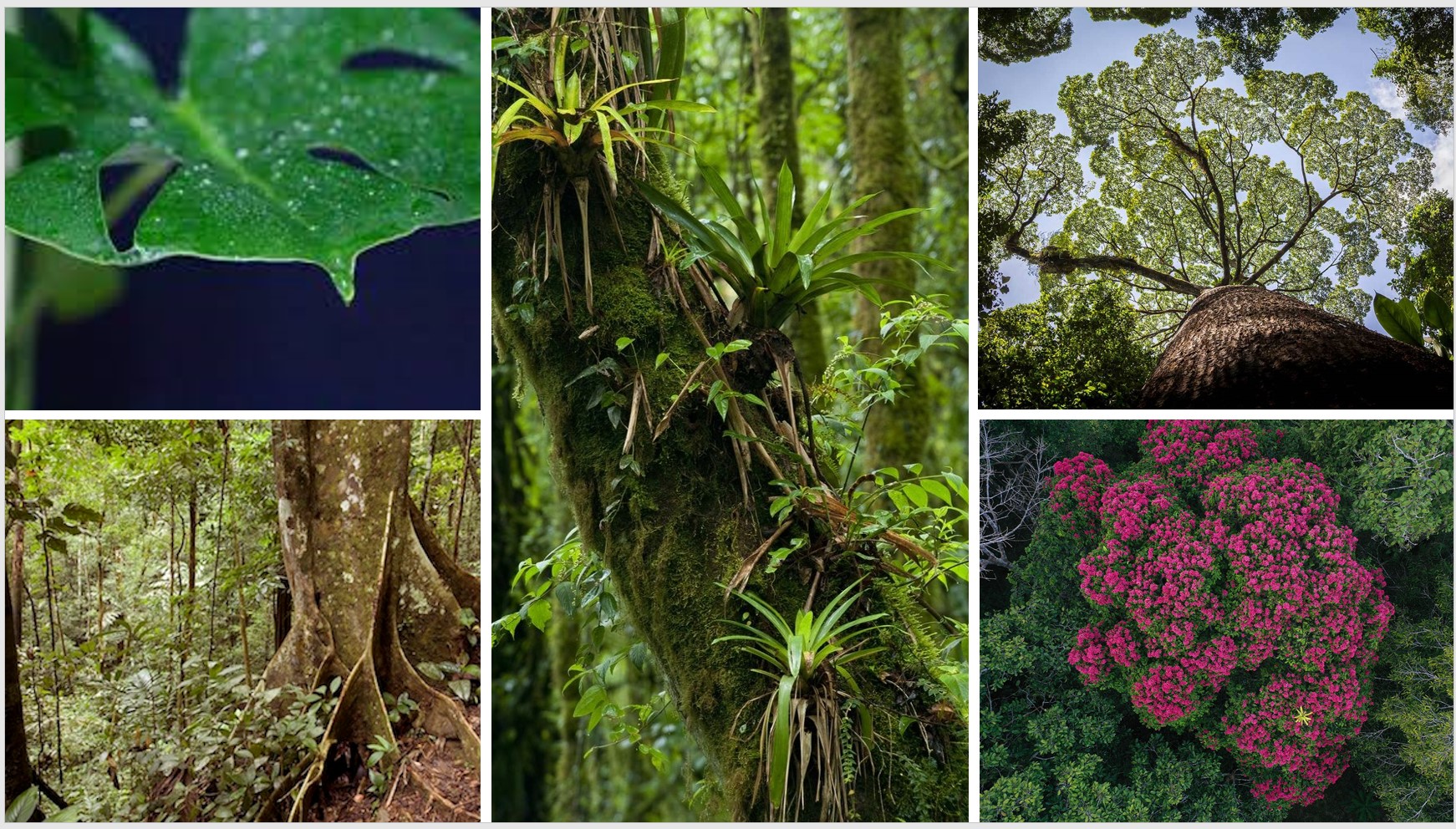
Click on the vegetation feature which gives tall trees support.
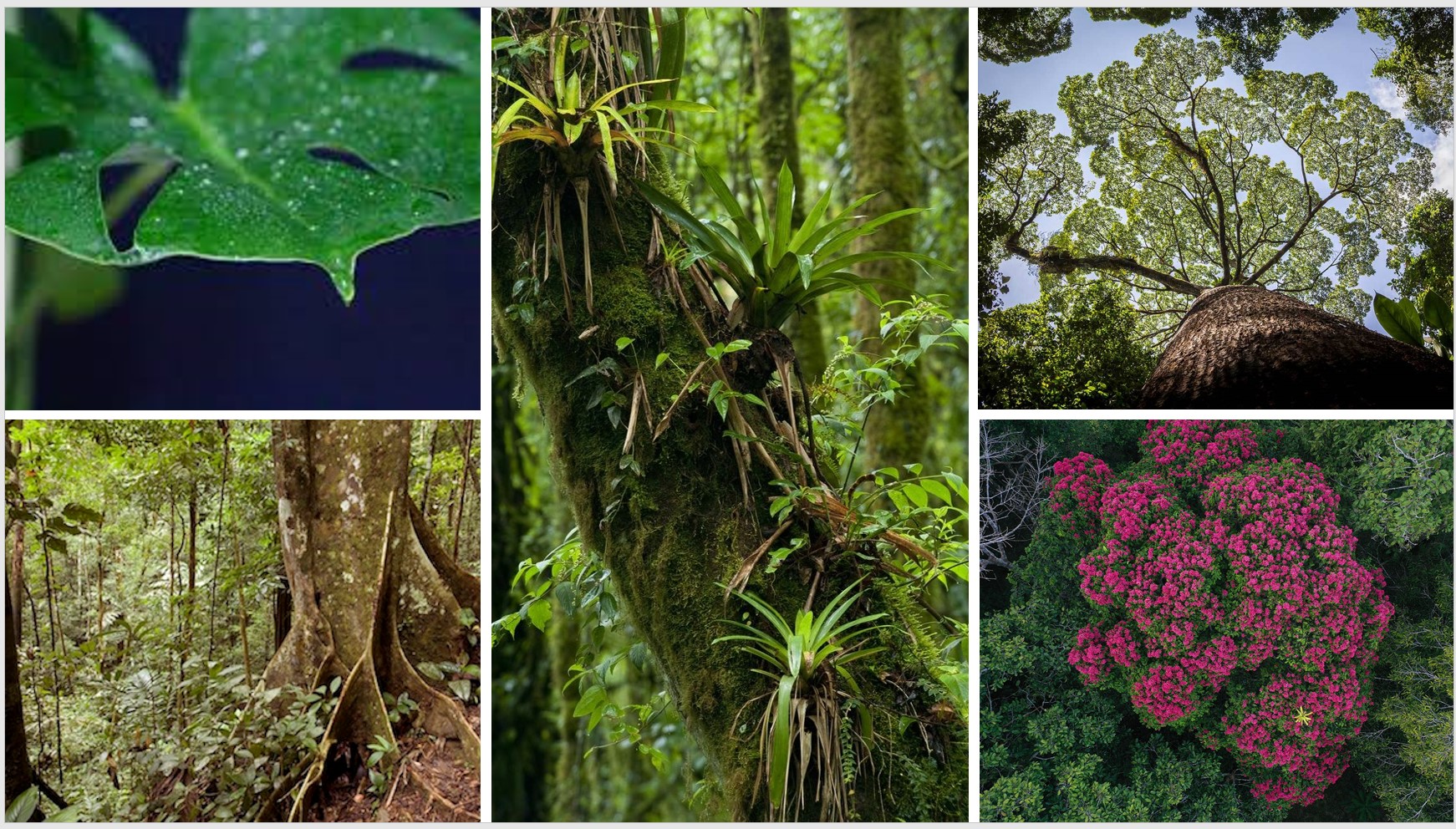
Click on the vegetation feature used to increase cross-pollination through insects.
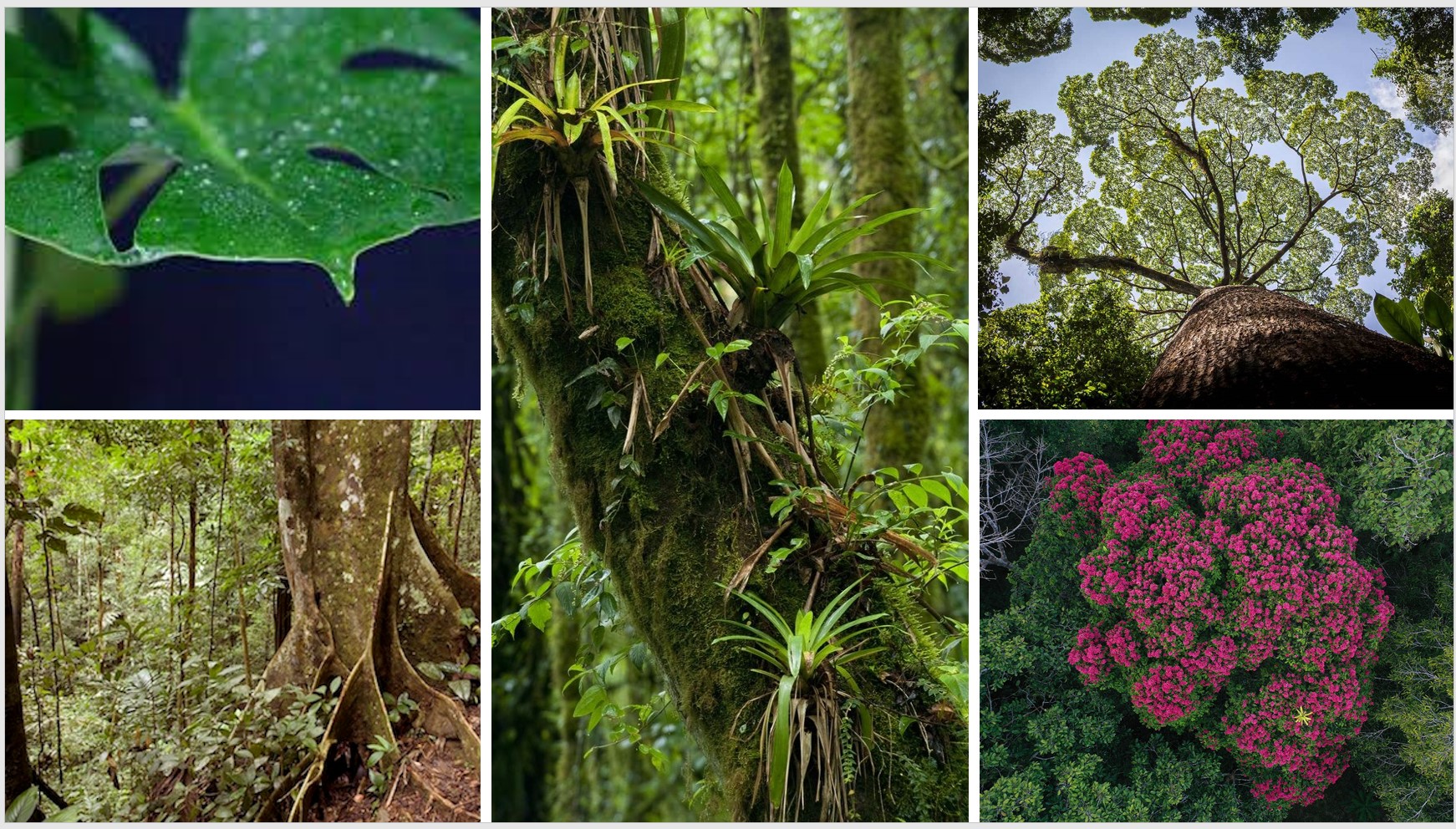
Click on the two features which show epiphytes and drip-tips.
Match the cause and effect of deforestation
| Draggable item | arrow_right_alt | Corresponding Item |
|---|---|---|
Drier atmosphere | arrow_right_alt | increasing surface runoff. |
Increased infiltration... | arrow_right_alt | reducing biodiversity. |
Loss of habitats... | arrow_right_alt | enabling illegal loggers access ot the forest. |
Reduced interception... | arrow_right_alt | leaching of nutrients out of the soil. |
Developing road infrastructure... | arrow_right_alt | drying climate. |
Reduced evapotranspiration... | arrow_right_alt | increasing risk of drought and forest fires. |
A community of plants and animals interacting with each other and their environment is known as an
Match the definitions with the key terms
| Draggable item | arrow_right_alt | Corresponding Item |
|---|---|---|
weathering | arrow_right_alt | large global ecosystem |
Leaf litter | arrow_right_alt | vines that hang from taller trees. |
Biome | arrow_right_alt | semi-decomposed organic matter |
Humus | arrow_right_alt | debris that has fallen to shrub layer from the canopy above |
Lianas | arrow_right_alt | the breaking down of rocks beneath the soil. |
Drop the statements about tropical rainforest soil and the nutrient cycle into true and false
The rainforest soil is deep
The soil is very fertile
The soil is red because of decaying fruit
Epiphytes can absorb nutrients and moisture from the air
Soil can quickly become infertile if the forest is cut down
Roots spread laterally in a dense thin mat in the top 15 cm of the soil
Decomposers and detritivores transfer nutrients from the soil into the leaf litter.
True
False
Which 4 of the following are considered major threats to the tropical rainforest?
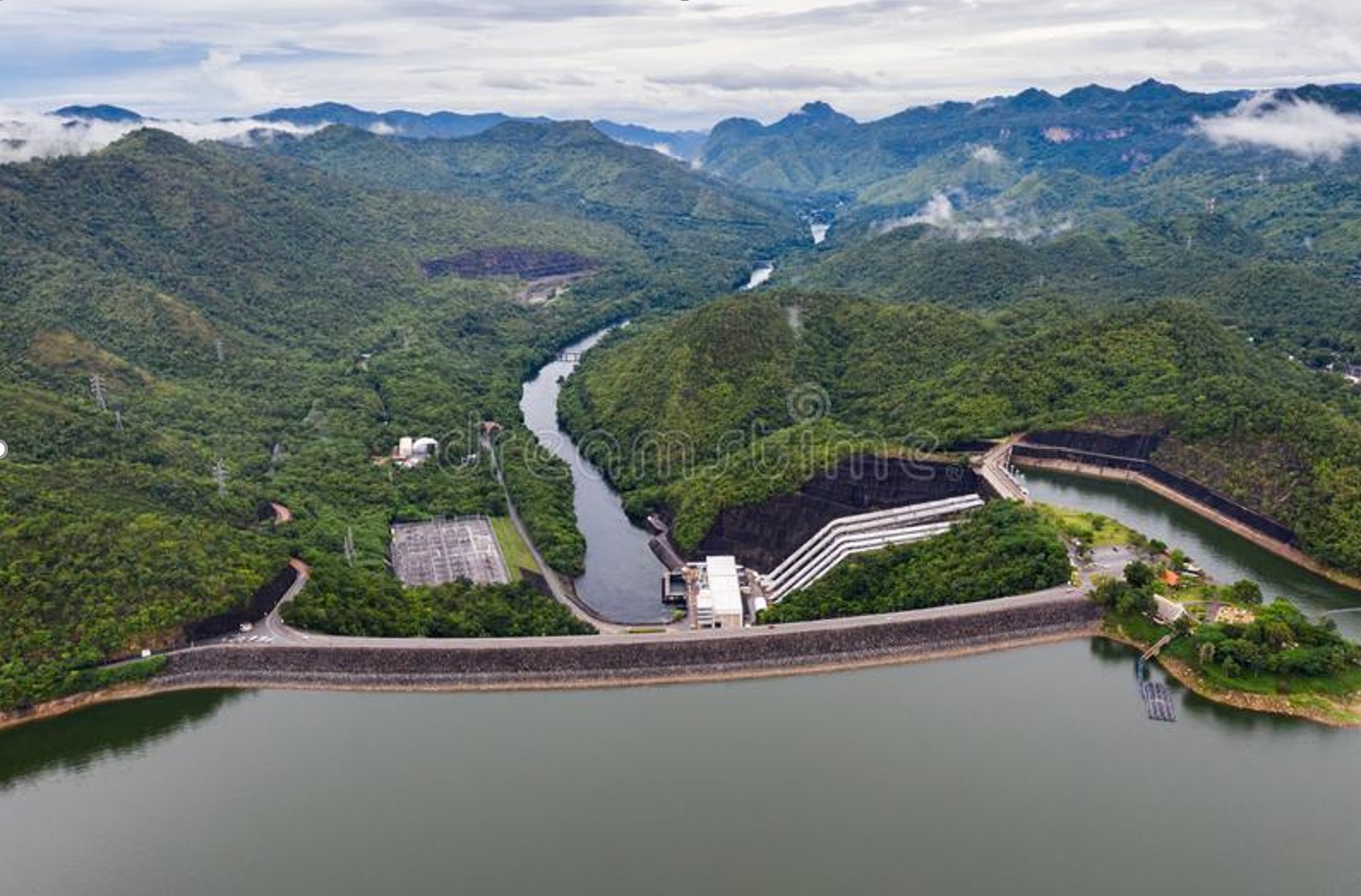
What three letters are associated with this dam, reservoir and power station?
In what country is the Yasuni Biosphere Reserve?
Drag the text boxes to the correct places.
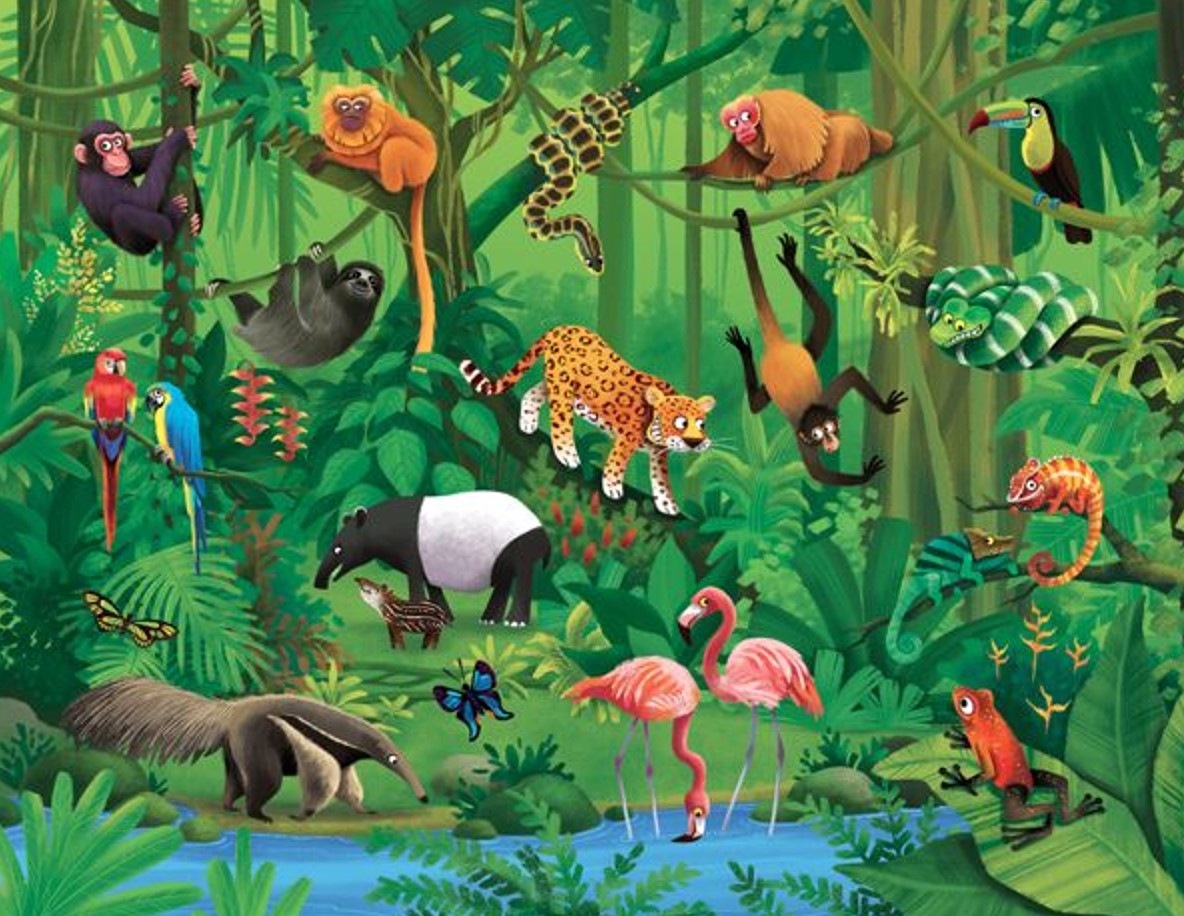
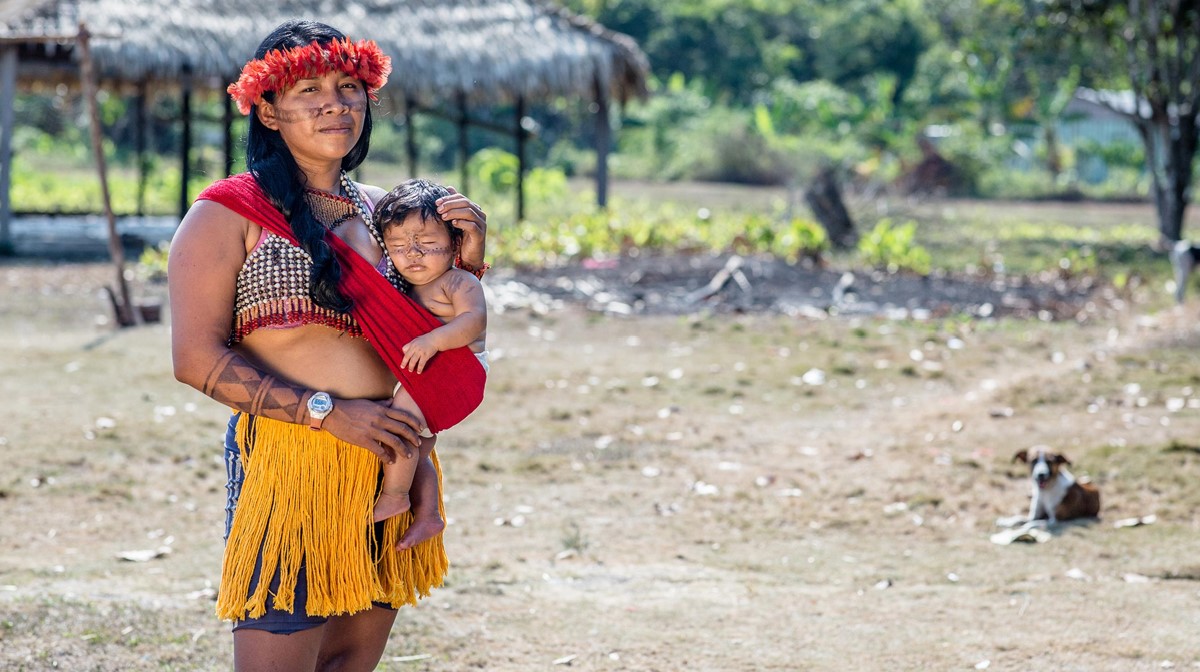
What is the word for groups of people whose ancestors have always lived in a place?
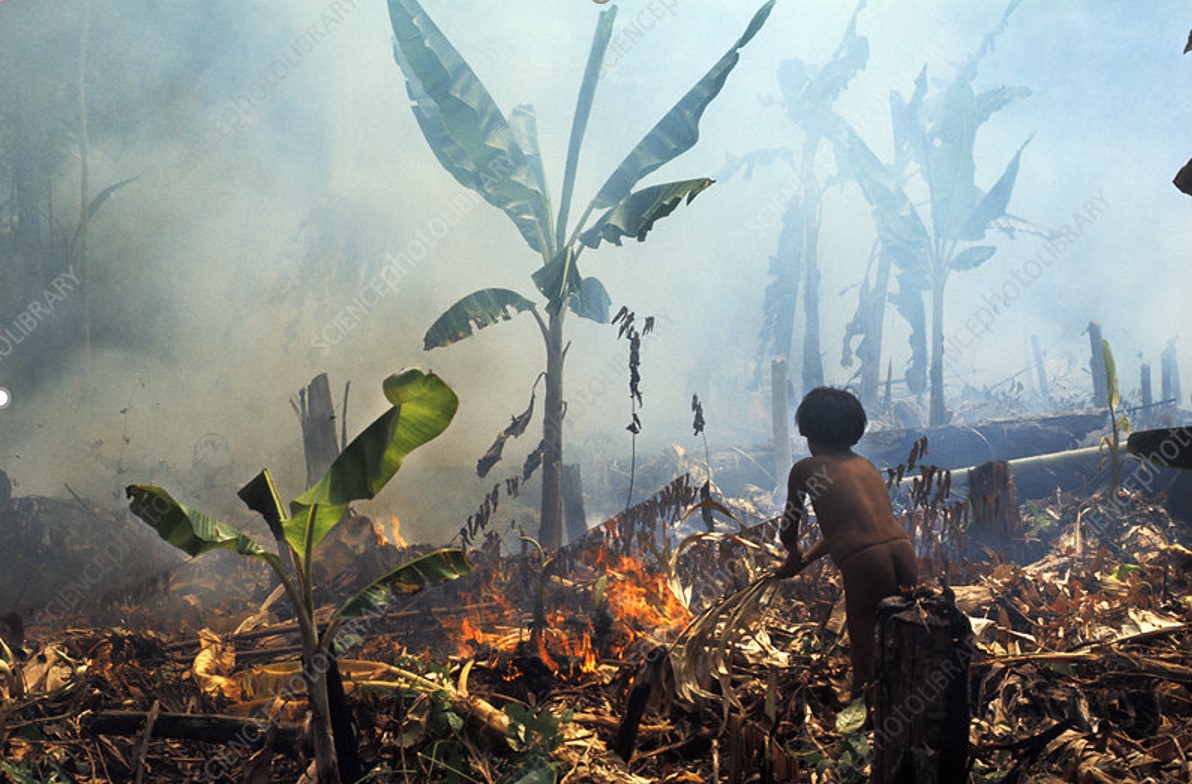
The traditional farming type where a small area of forest is cut down and farmed for a few years before being allowed to regenerate is called
The unsustainable type of farming where areas of forest are cut down and set on fire is called
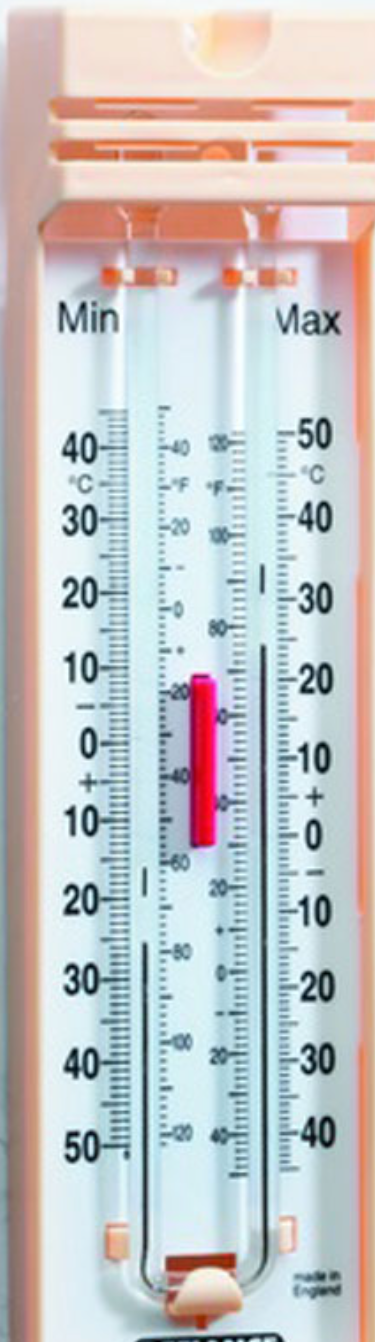
Match the temperature to the correct reading (scroll right to see more options
Current temperature | Maximum temperaure | Minimum temperature | Range | Mean temperature | |
|---|---|---|---|---|---|
24oC | |||||
31oC | |||||
19oC | |||||
12oC | |||||
25oC |
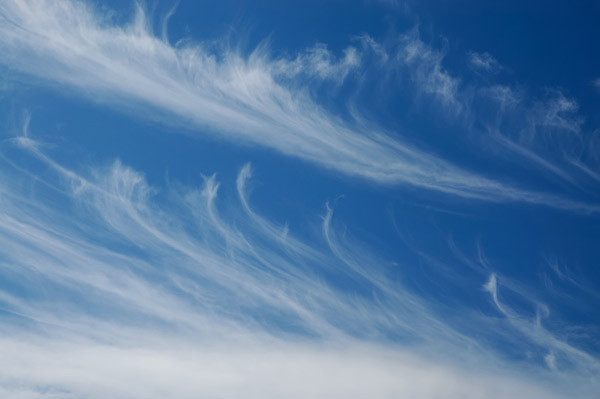
Which of the answers below can be applied to this picture