Log in
Sign up for FREE
arrow_back
Library

ATP and Photosynthesis

star
star
star
star
star
Last updated almost 2 years ago
21 questions
1
1
1
1
1
1
1
1
1
1
1
1
1
1
1
1
1
1
1
1
Question 18
18.

Question 19
19.

Question 20
20.

1
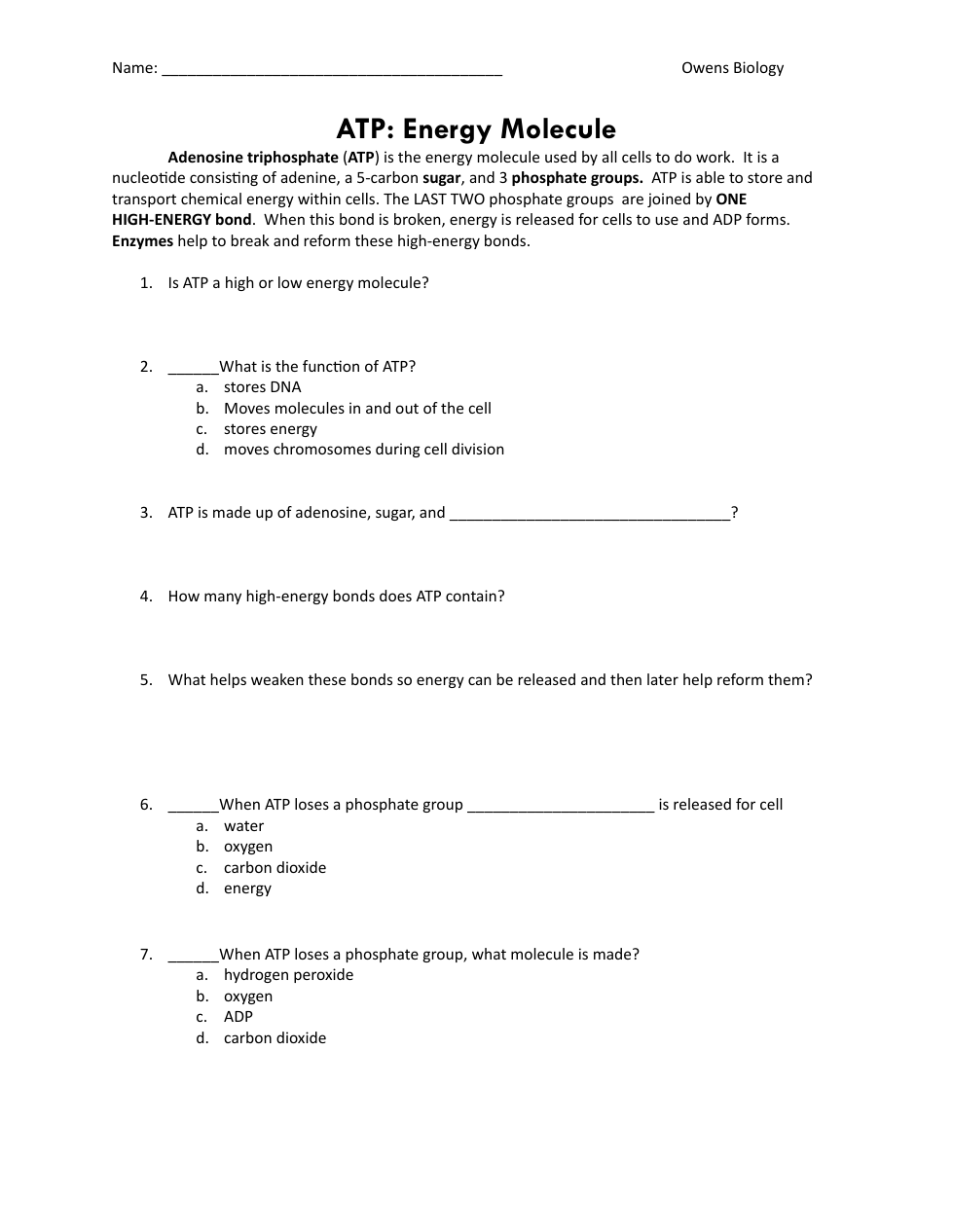
Adenosine triphosphate (ATP) is the energy molecule used by all cells to do work. It is a nucleotide consisting of adenine, a 5-carbon sugar, and 3 phosphate groups. ATP is able to store and transport chemical energy within cells. The LAST TWO phosphate groups are joined by ONE HIGH-ENERGY bond. When this bond is broken, energy is released for cells to use and ADP forms. Enzymes help to break and reform these high-energy bonds.
Question 1
1.

Question 2
2.

Question 3
3.

Question 4
4.

Question 5
5.

Question 6
6.

Question 7
7.

Question 8
8.

Question 9
9.

Question 10
10.

Question 11
11.

Question 12
12.

Question 13
13.

Question 14
14.

Question 15
15.

Question 16
16.

Question 17
17.

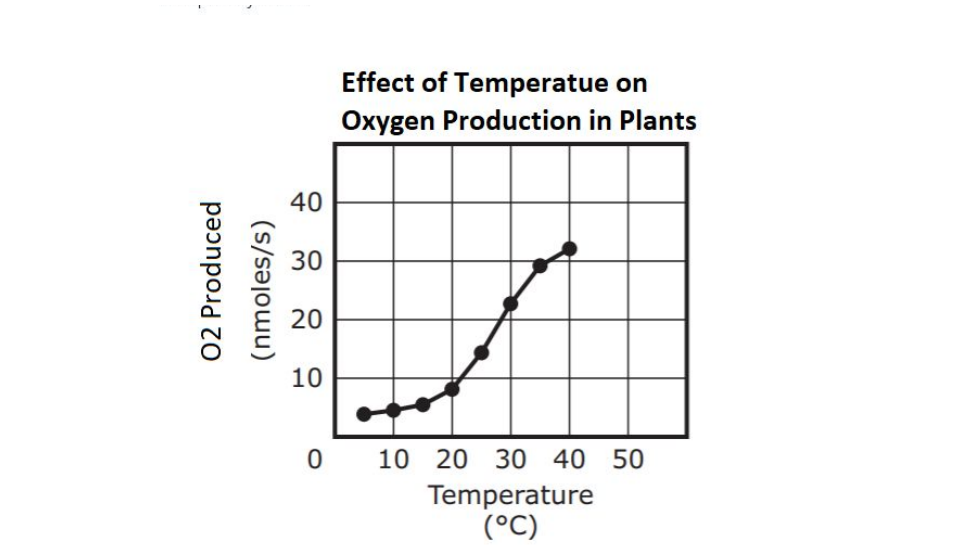
Look at the graph, when temperature increases, the rate of oxygen production by the cells
increases
decreases
stays the same
When temperature increases, the rate at which glucose is produced by the cell
increases
decreases
stays the same
When temperature increases, the rate at which carbon dioxide is used by the cell
increases
decreases
stays the same
Question 21
21.

Is ATP a high or low energy molecule?
High energy
Low energy
What is the function of ATP?
A. stores DNA
B. Moves molecules in and out of the cell
C. stores energy
D. moves chromosomes during cell division
ATP is made up of adenosine, sugar, and...
A. 1 phosphate
B. 3 phosphates
C. iron
D. ribose
How many high-energy bonds does ATP contain?
A. 1
B. 3
C. 2
D. 0
What helps weaken these bonds so energy can be released and then later help reform them?
A. oxygen
B. ADP
C. enzymes
D. water
When ATP loses a phosphate group ______________________ is released for cell
A. water
B. oxygen
C. carbon dioxide
D. energy
When ATP loses a phosphate group, what molecule is made?
A. hydrogen peroxide
B. oxygen
C. ADP
D. carbon dioxide
ATPases are enzymes that help convert ATP into ADP in cells. When a person exercises, ATPases directly increase which of the following?
A. the amount of energy stored in muscle cells
B. the number of mitochondria in muscle cells
C. the number of muscle cells in muscle tissue
D. the amount of energy released in muscle cells
What step of the ATP cycling is pictured at #9
ADP
Stores energy by adding a phosphate
Release energy by removing a phosphate
ATP
What step of the ATP cycling is pictured at #10
ADP
Stores energy by adding a phosphate
Release energy by removing a phosphate
ATP
What step of the ATP cycling is pictured at #11
ADP
Stores energy by adding a phosphate
Release energy by removing a phosphate
ATP
What step of the ATP cycling is pictured at #12
ADP
Stores energy by adding a phosphate
Release energy by removing a phosphate
ATP
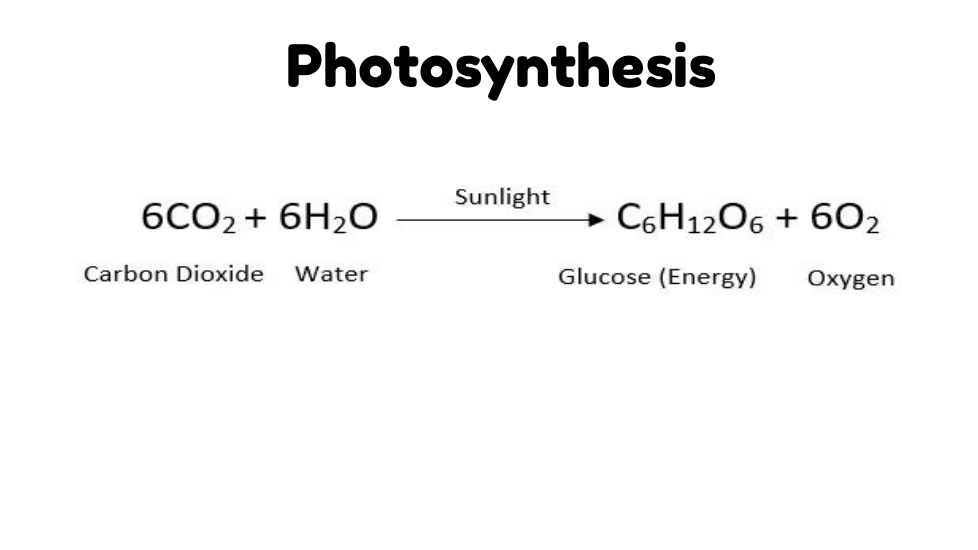
According to the formula for photosynthesis, how many carbon dioxide molecules are needed for photosynthesis to run?
1
2
6
none
According to the formula for photosynthesis, how many water molecules are needed for photosynthesis to run?
1
2
6
none
According to the formula for photosynthesis, how many glucose molecules are made during photosynthesis?
1
2
6
none
According to the formula for photosynthesis, how many oxygen molecules are made during photosynthesis?
1
2
6
none
Plants that receive more sunlight make more glucose.
True
False
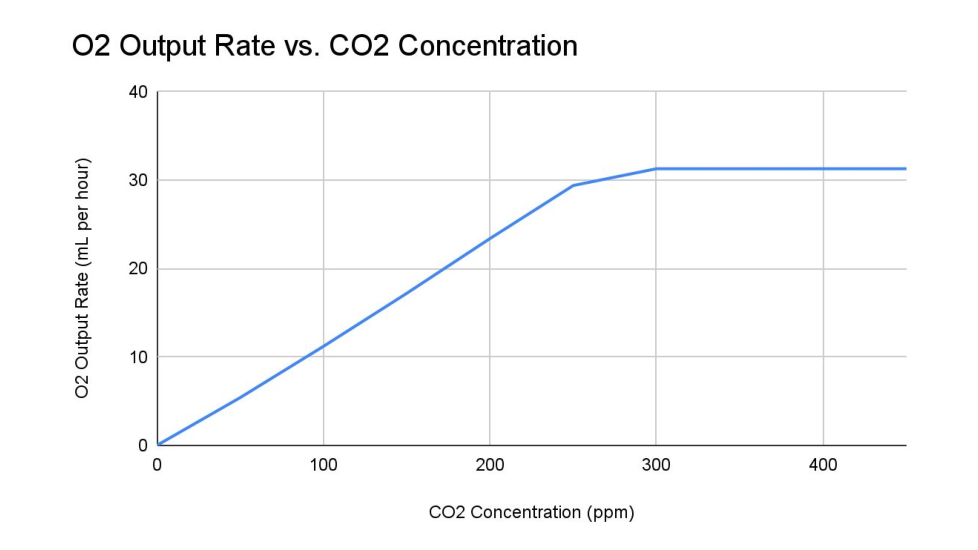
What is the relationship between carbon dioxide and the oxygen output rate?
The rate of oxygen production decreases as carbon dioxide is used by the plant
The rate of oxygen production increases as carbon dioxide is used by the plant
There is no relationship between carbon dioxide and oxygen output in plants